

 Español
  中文简体
中文简体
Safe and Effective Lice Removal Starts with the Right Comb Choice
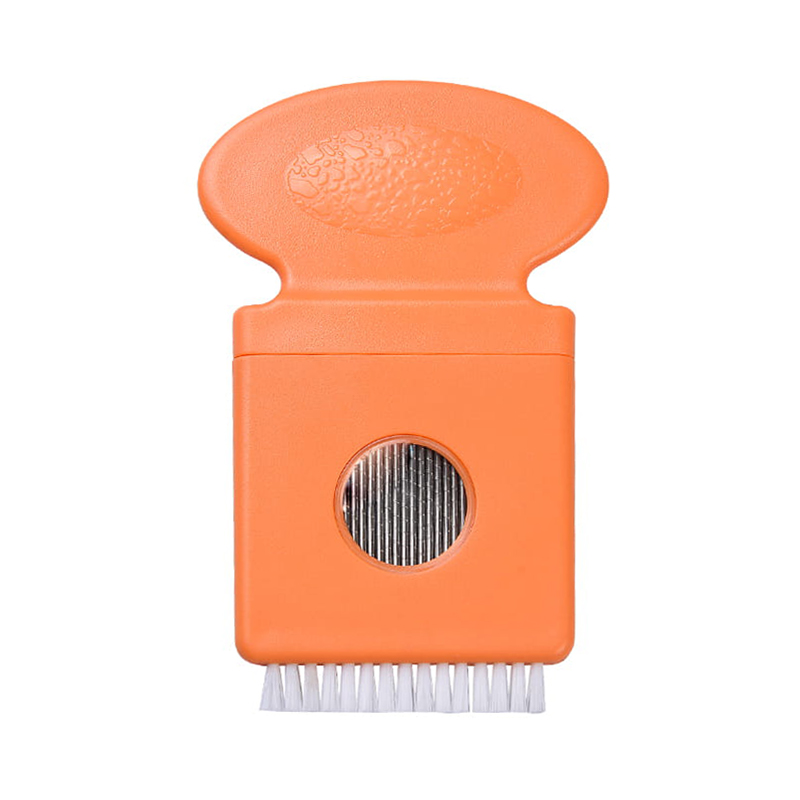
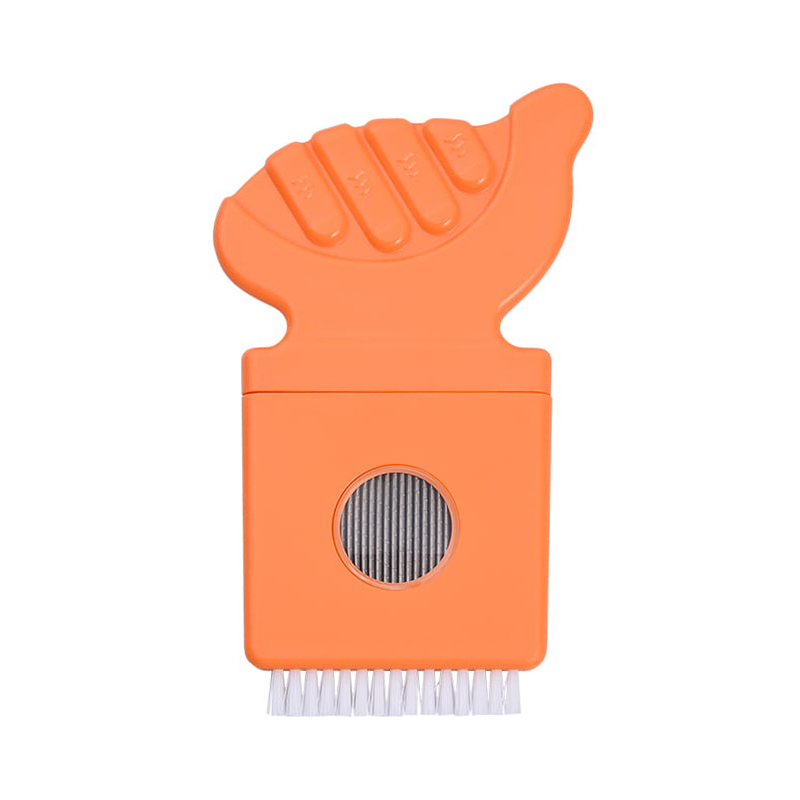
A properly designed Dense-tooth lice comb combined with a soft Baby Lice Comb provides one of the most effective non-chemical methods for removing lice and nits from the scalp. In practical use, fine-tooth combing can remove up to 90% of visible lice and eggs when performed correctly and consistently over several days.
The key advantage of these combs is precision: dense teeth trap even the smallest nits, while baby-safe combs ensure gentle scalp contact without irritation or scratching.
Dense-Tooth Lice Comb Working Principle and Design Features
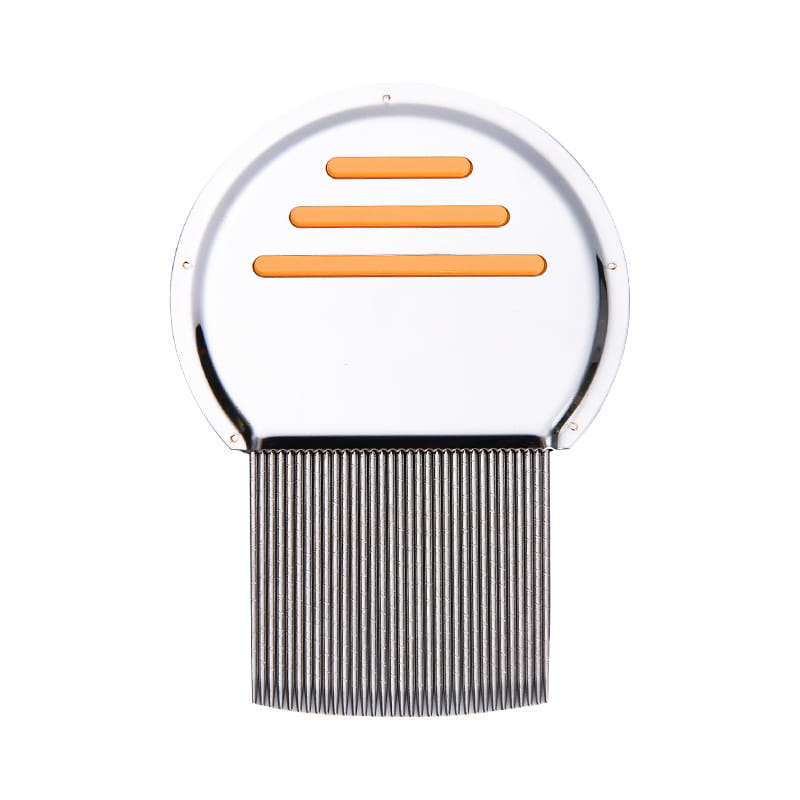
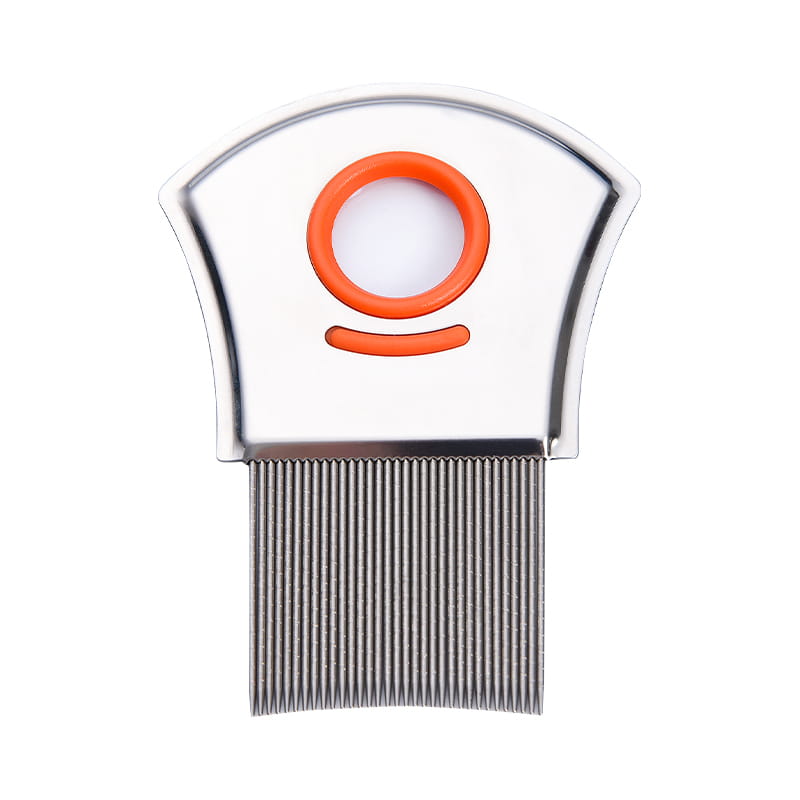
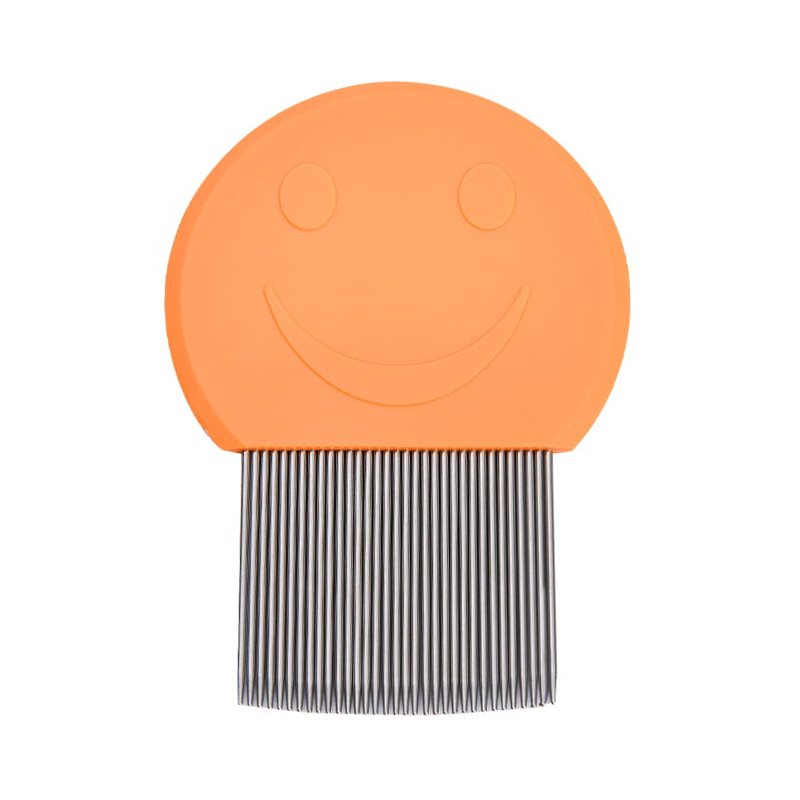
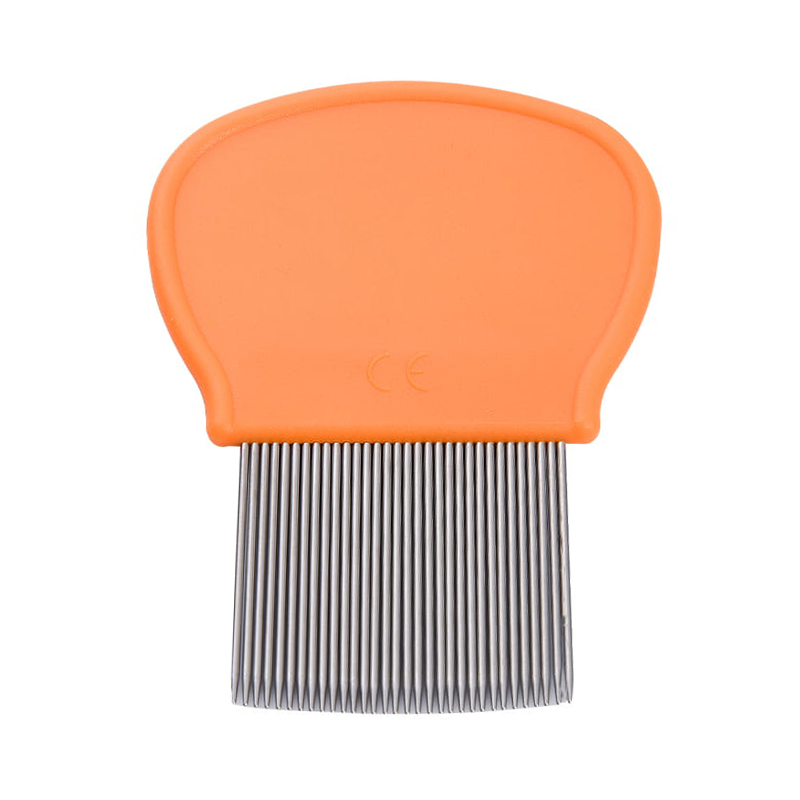
A Dense-tooth lice comb is designed with extremely narrow spacing between stainless steel or high-strength plastic teeth, typically ranging from 0.2 mm to 0.3 mm. This tight spacing allows the comb to physically trap lice and nits while passing through strands of hair.
Fine-Tooth Precision for Egg Removal
Lice eggs (nits) are often firmly attached to hair shafts with a glue-like substance. Dense-tooth combs mechanically scrape them away without relying on chemicals, making them suitable for sensitive users, especially children.
Durable and Hygienic Materials
Most professional-grade combs use stainless steel teeth, which are resistant to bending and easy to disinfect. This ensures repeated safe use without contamination risks.
Baby Lice Comb Design Focused on Safety and Comfort
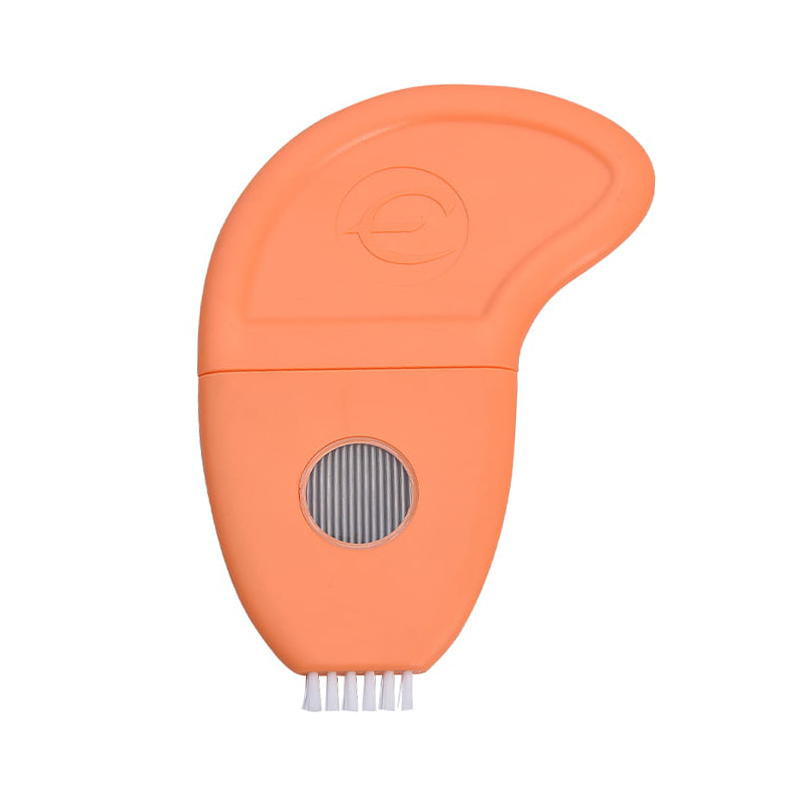
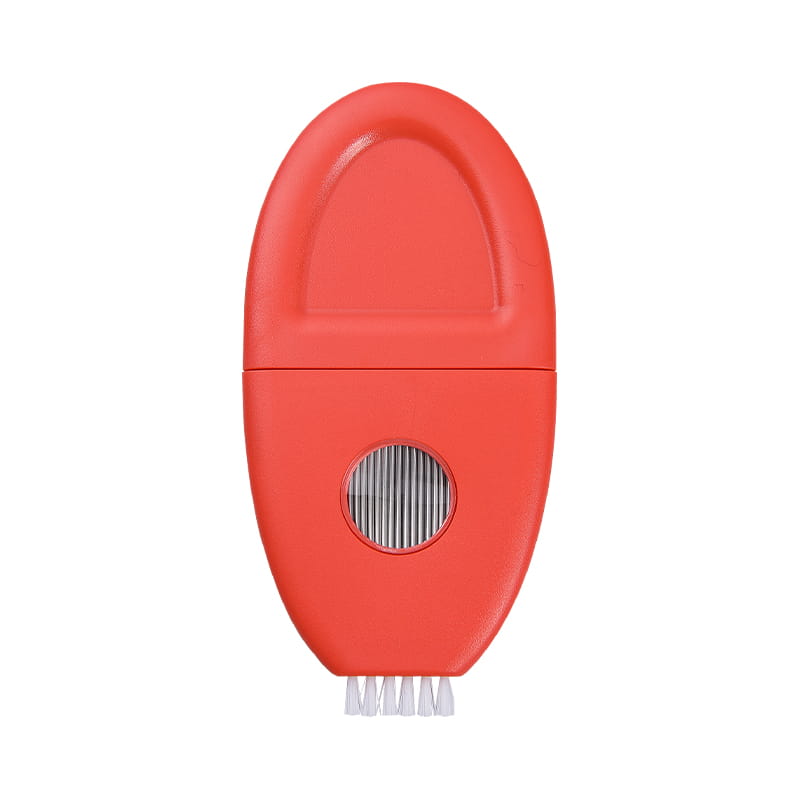
A Baby Lice Comb prioritizes gentle scalp contact and safety. Unlike standard lice combs, it is specifically designed for infants and toddlers with softer scalp sensitivity and thinner hair structure.
- Rounded tooth tips to prevent scalp scratching and irritation.
- Lightweight ergonomic handle for better parental control.
- Ultra-smooth polishing to reduce hair pulling.
- Smaller comb head designed for fine baby hair sections.
These design improvements significantly reduce discomfort during combing sessions, which is especially important when treating young children who may resist repeated grooming.
Comparison Between Dense-Tooth Lice Comb and Baby Lice Comb
While both tools aim to remove lice and nits effectively, they serve slightly different usage scenarios. Understanding these differences helps improve treatment efficiency.
| Feature | Dense-tooth Lice Comb | Baby Lice Comb |
|---|---|---|
| Tooth Spacing | Very fine (0.2–0.3 mm) | Slightly wider for comfort |
| Target Users | Adults and children | Infants and toddlers |
| Material Focus | Stainless steel for durability | Soft plastic or rounded metal |
| Main Purpose | Deep lice and nit removal | Gentle scalp-safe grooming |
Practical Lice Removal Technique Using Combs
Effective lice removal requires a structured combing routine rather than a single treatment session. In controlled household studies, repeated combing every 2–3 days over two weeks significantly reduces reinfestation rates.
- Wet the hair slightly to reduce static and improve comb control.
- Apply conditioner to slow down lice movement and ease combing.
- Divide hair into small sections for systematic combing.
- Use the dense-tooth lice comb from scalp to ends slowly and repeatedly.
- Clean the comb after each pass to remove trapped lice and eggs.
Hygiene and Maintenance of Lice Combs
Proper cleaning is essential to prevent reinfestation. A Dense-tooth lice comb should be disinfected after every use by soaking it in hot water above 55°C or using medical-grade disinfectants.
- Remove trapped hair and debris immediately after use.
- Soak comb in disinfectant for at least 10–15 minutes.
- Dry thoroughly before storage to prevent corrosion.
Why Mechanical Combing Remains a Reliable Solution
Despite advances in medicated treatments, mechanical removal using lice combs remains highly relevant. In cases where lice develop resistance to chemical shampoos, comb-based removal provides a 100% non-chemical, resistance-free approach.
Especially for infants, where chemical exposure is not recommended, a Baby Lice Comb offers a safer and more controlled treatment method that parents can apply at home without medical supervision.