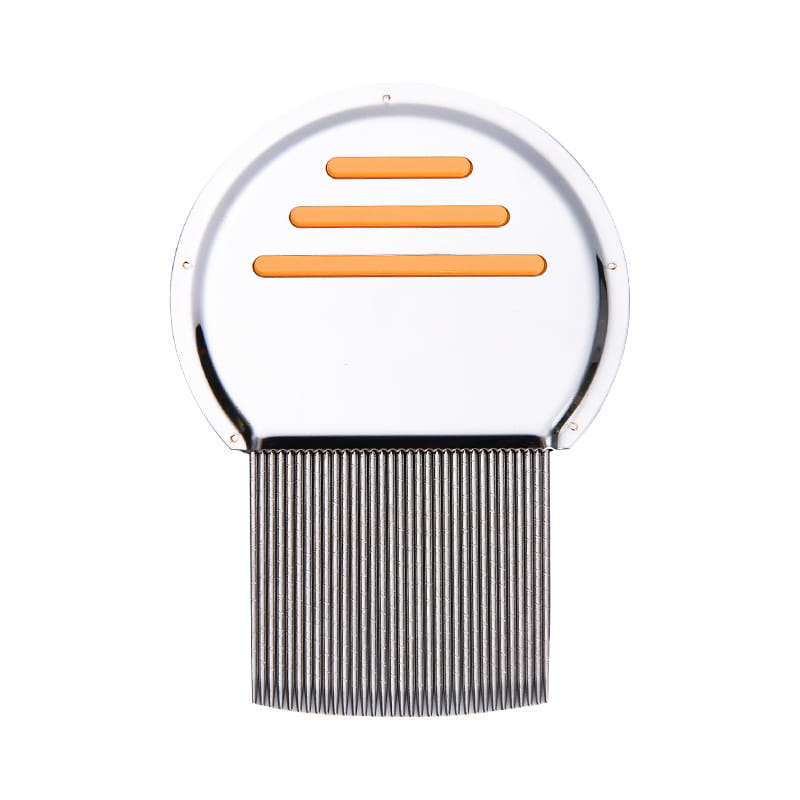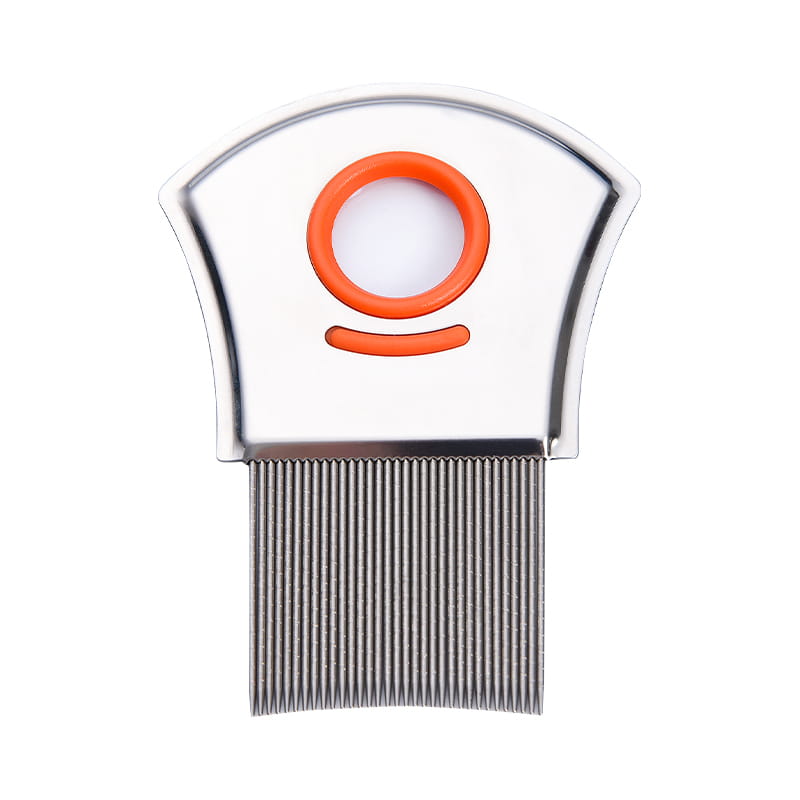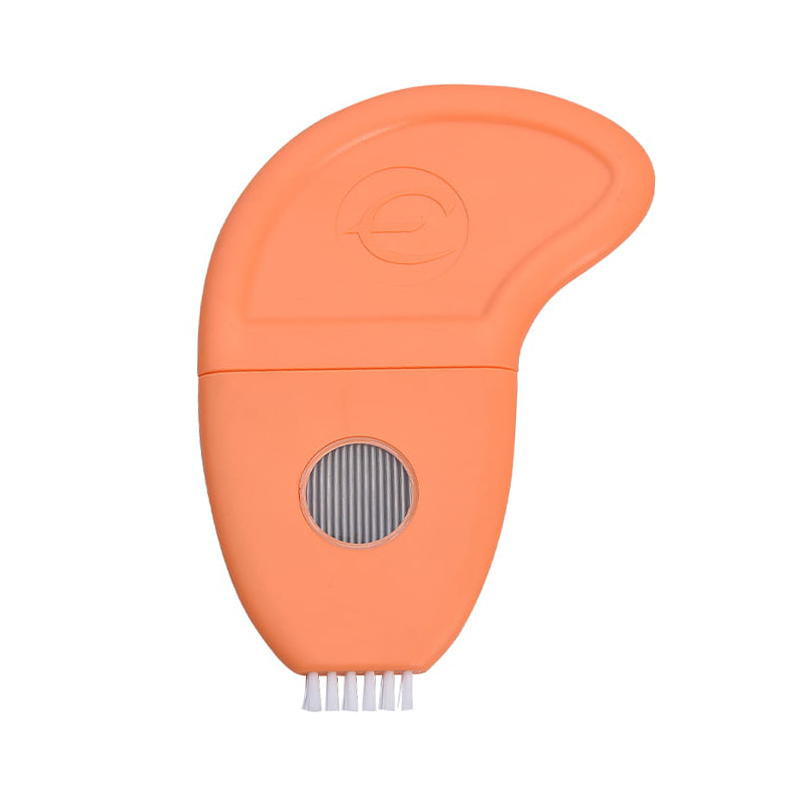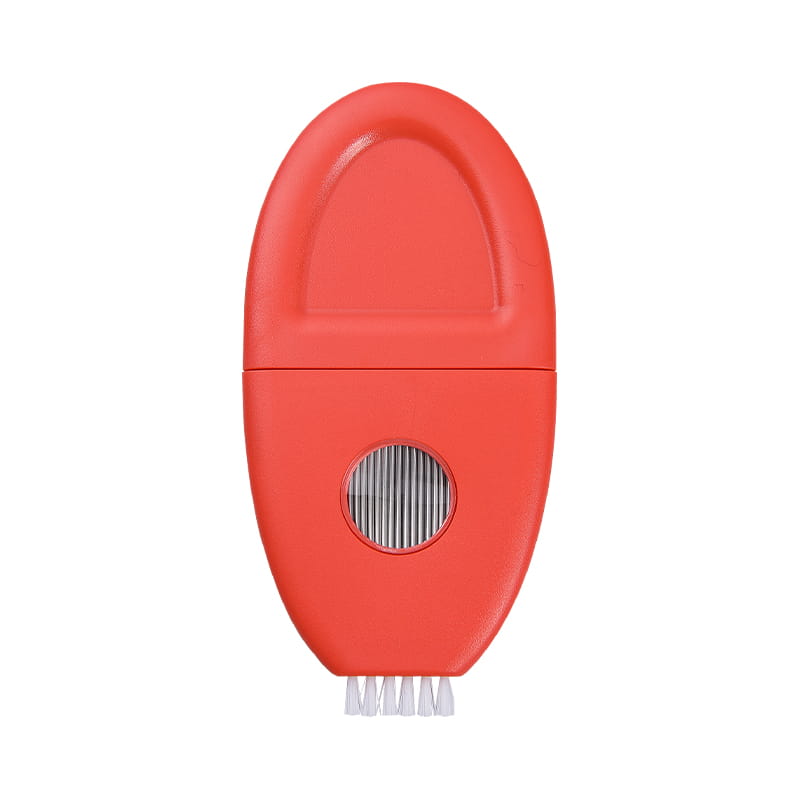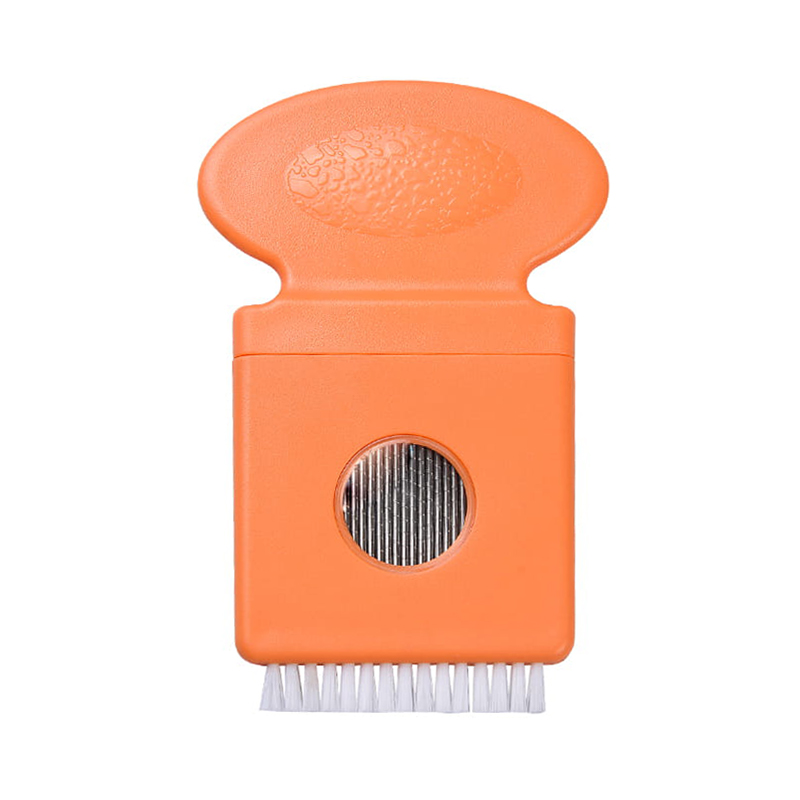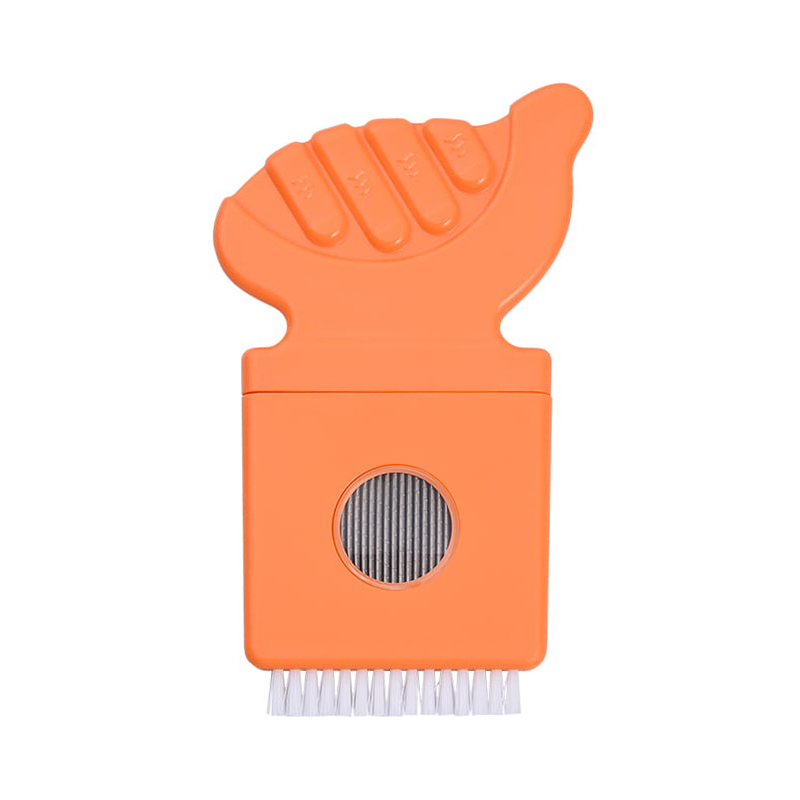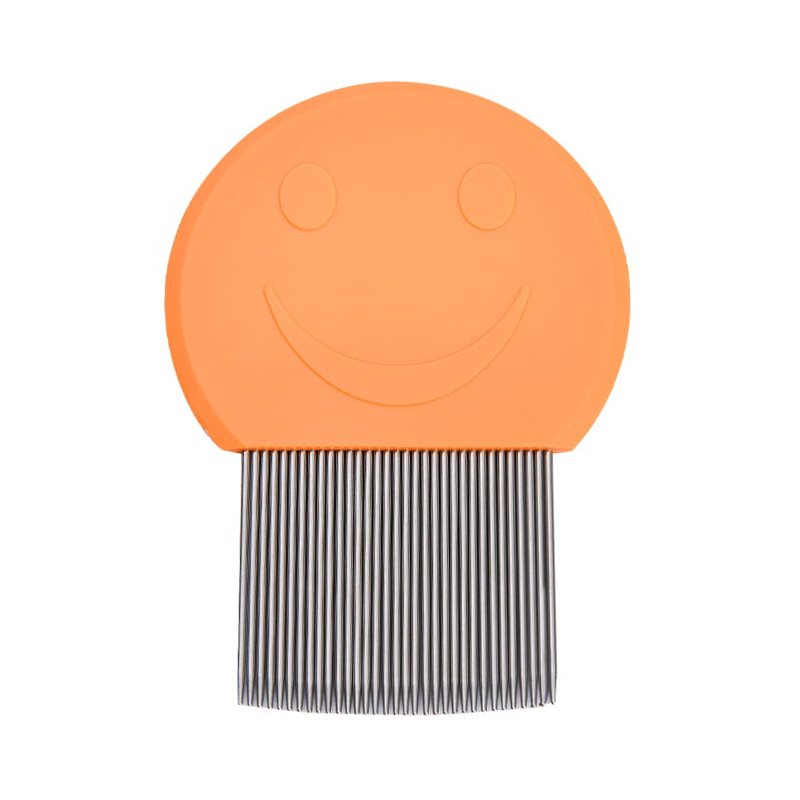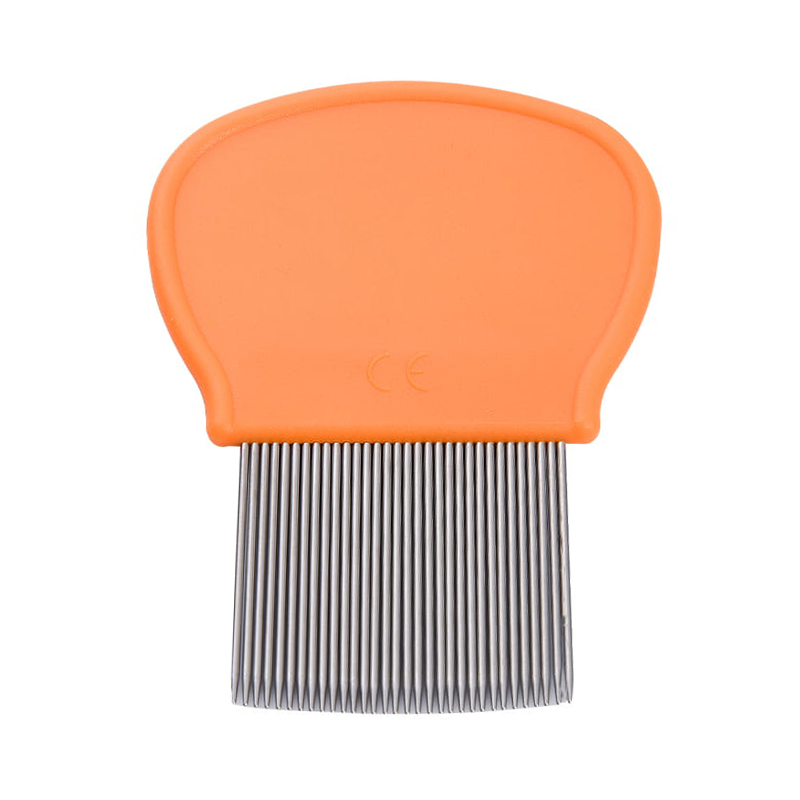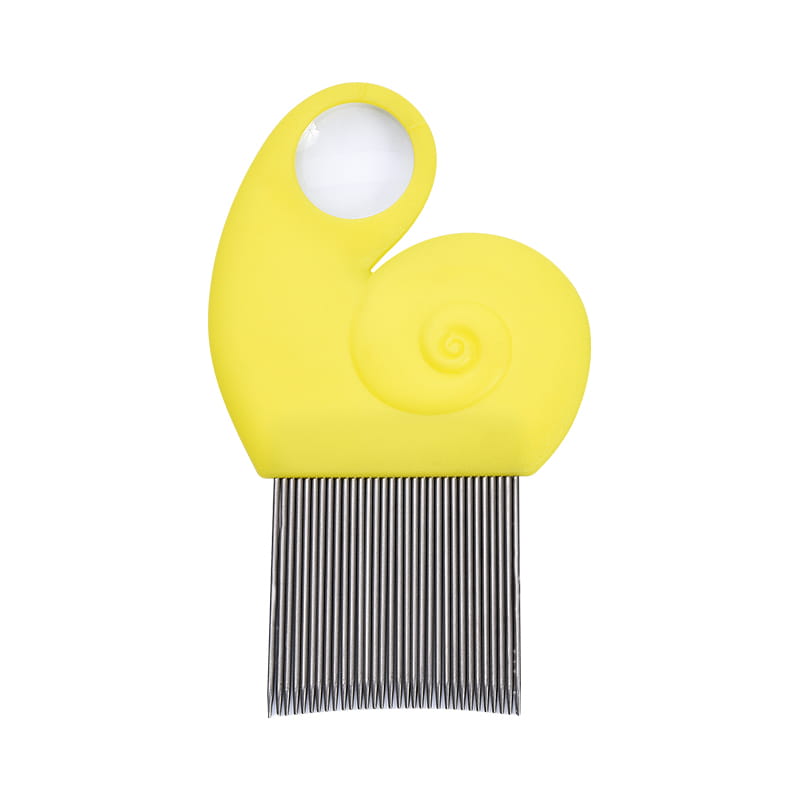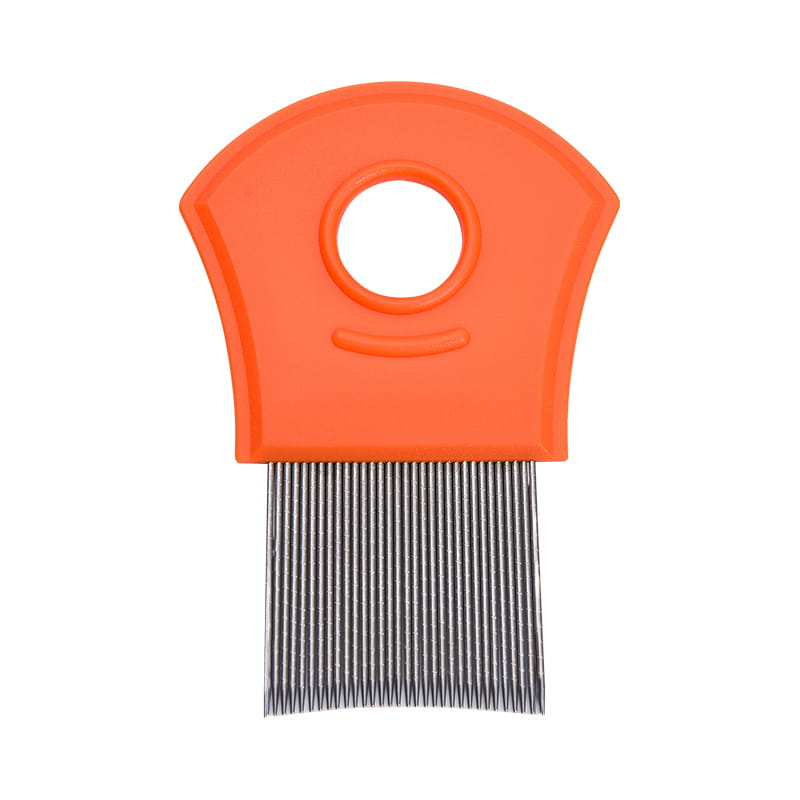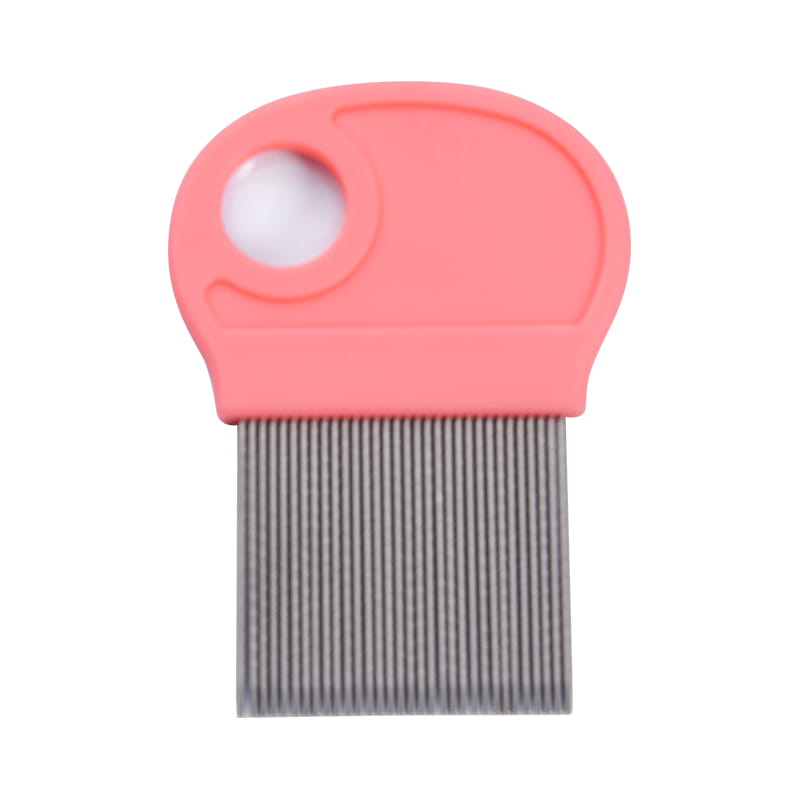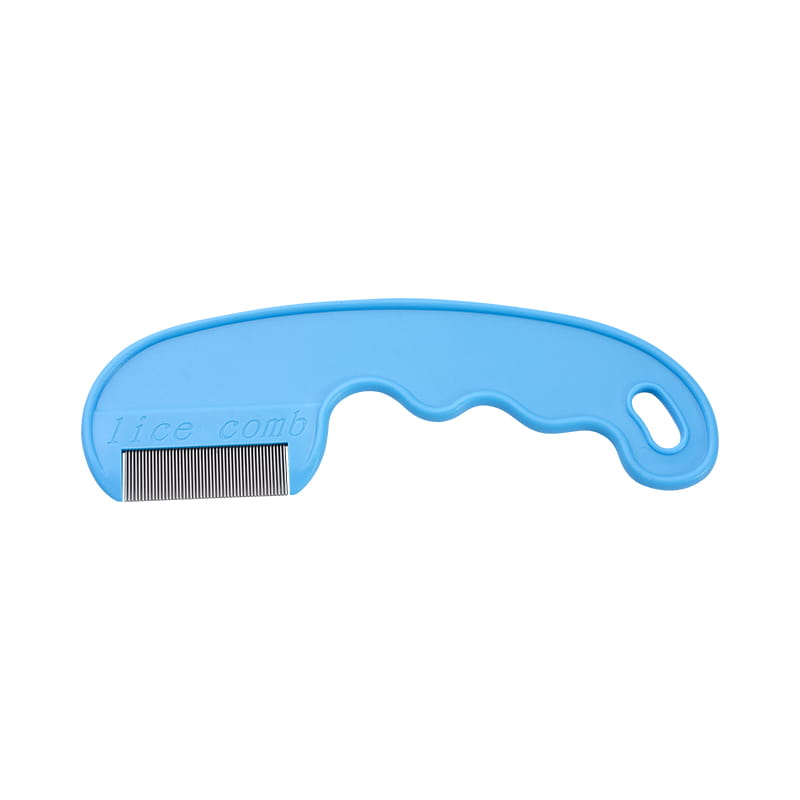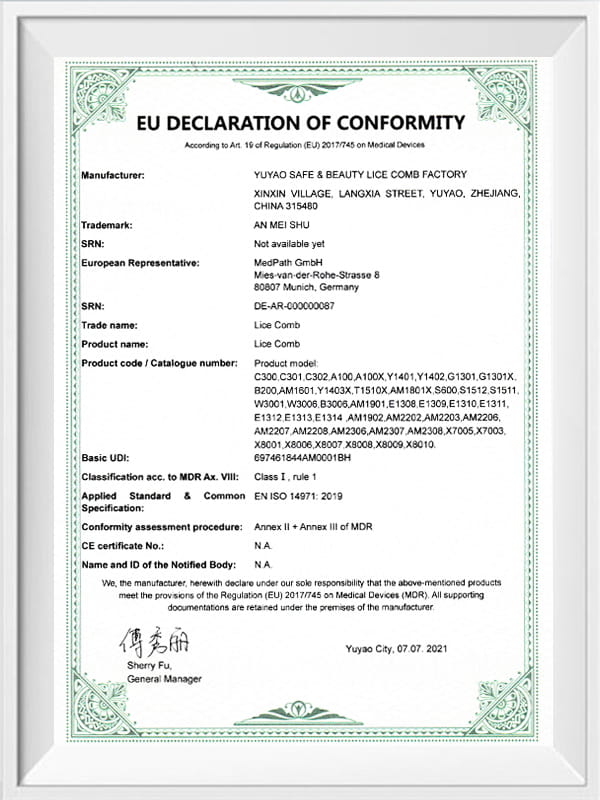
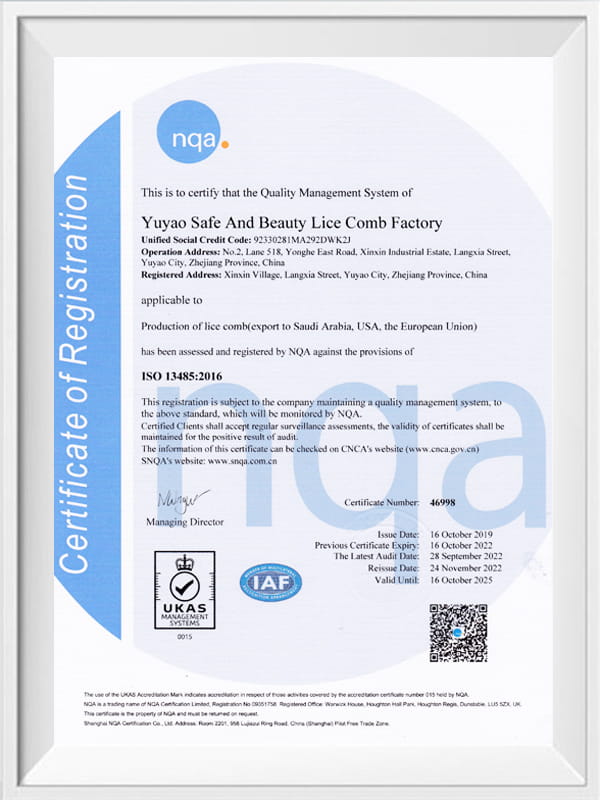
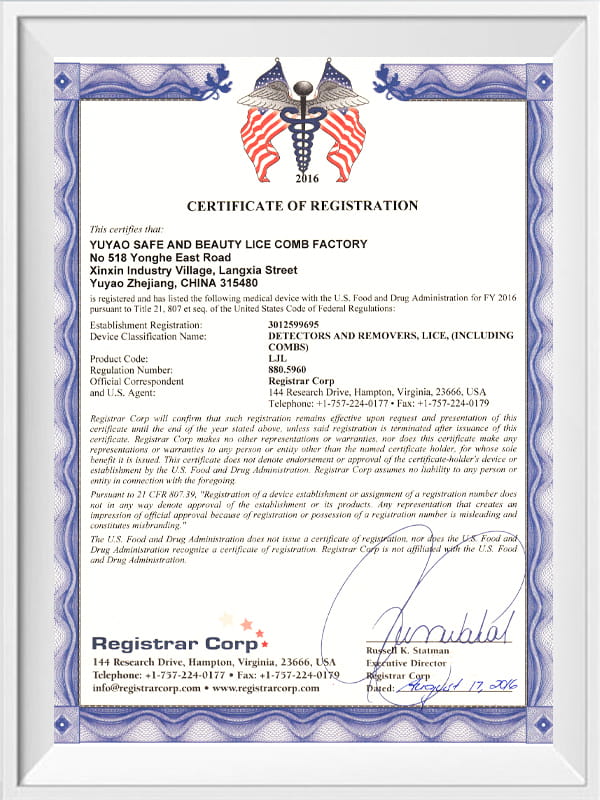
Head lice can appear in any household, and for parents of young children the hardest part is spotti...
READ MOREWalk down a personal care aisle in São Paulo, Houston or Berlin, and there is a good chance the fin...
READ MOREThe bottom line is that a dense-tooth lice comb does work for removing lice and nits, but only when...
READ MOREWhen parents find nits in a baby's fine hair, the first tool they reach for is a comb. Many standar...
READ MOREA note came home from school today: head lice were found in your child's classroom. Maybe you have ...
READ MOREWhen a buyer opens a supplier catalog for lice combs, the first question is rarely about color or p...
READ MOREHow can factory maintain the consistency of hair lice combs during mass production?
To maintain consistency in hair lice combs during mass production, factories must implement several strategic measures during the manufacturing process. These steps help ensure that each head lice comb meets expected standards in terms of performance, quality, and durability.
Precise Design Blueprints: Detailed and standardized design blueprints are created for hair lice combs, specifying precise measurements for needle spacing, handle dimensions, and materials. Using computer-aided design (CAD) ensures that each comb is manufactured to the same specifications. Prototype Testing: Before scaling up production, prototypes are tested to confirm that the design functions as expected and meets performance requirements. Once validated, these prototypes set the benchmark for consistency.
Automated Machinery: Utilize advanced automated manufacturing equipment such as CNC (computer numerical control) machines or robotic systems. These systems ensure precise placement, uniform spacing, and alignment of stainless steel needles. Automation reduces human error and increases production speed while maintaining consistency in hair lice combs. Laser Welding Technology: Laser welding is used to secure the steel needles to the comb handle. This method ensures a strong, consistent connection that will not loosen over time. Laser technology provides a high degree of precision, which is critical for hair lice combs to maintain needle alignment.
In-line Inspection: Implement continuous monitoring and real-time inspection systems on the production line. Optical sensors, laser measurement tools, or cameras can be used to check the position and spacing of the needles at all stages of production. Random Sampling: Random inspections are performed on each batch of finished hair lice combs to ensure consistent needle spacing, strength, and alignment. These samples are inspected under a magnifying glass or using automated tools to verify that they meet the design specifications. Post-production Testing: The functionality of the combs is tested by checking whether they can effectively capture and remove lice and lice eggs. Any combs that fail this test are discarded or adjusted as needed.
Standardized Materials: Use consistent, high-quality materials such as 304 stainless steel for handles and needles. This ensures that material properties do not vary significantly between production batches, avoiding inconsistent strength or corrosion resistance. Supplier Control: Work closely with trusted suppliers to ensure that steel and other materials meet the standards required for consistency and performance.
Regular Calibration: Ensure that all manufacturing equipment is calibrated regularly to maintain precision. Machines that cut, place, or weld needles must be calibrated to the precise tolerances required for uniformity. Preventive Maintenance: Perform routine maintenance and repairs on machines to prevent breakdowns that could cause inconsistencies. This includes checking critical parts, such as needle alignment devices or welding tools, for wear.
Lean Manufacturing Practices: Employ lean manufacturing principles to reduce waste, increase efficiency, and streamline production. By minimizing variation in the production process, the factory can maintain consistency in each batch of hair lice combs.
Continuous Improvement: Encourage a culture of continuous improvement, using feedback from production workers and the quality control team to improve processes and address any potential sources of inconsistency.

Copyright © Yuyao safe & Beauty Lice Comb Factory All
Rights Reserved
 Custom Hair Lice Combs Manufacturers


 Español
  中文简体
中文简体