

 Español
  中文简体
中文简体
Safety Expectations for a Baby Dense-Tooth Lice Comb
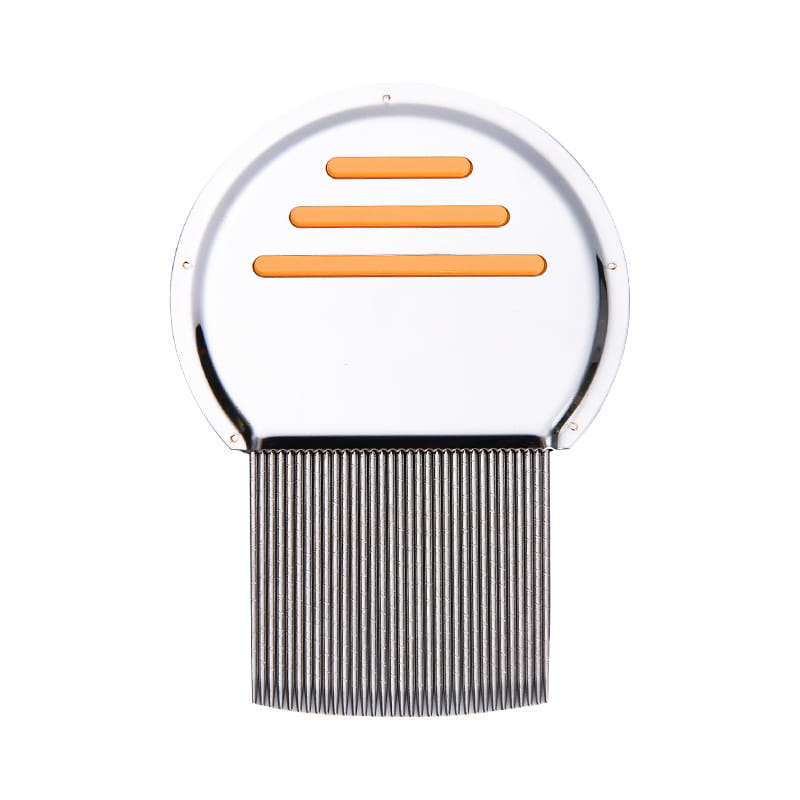
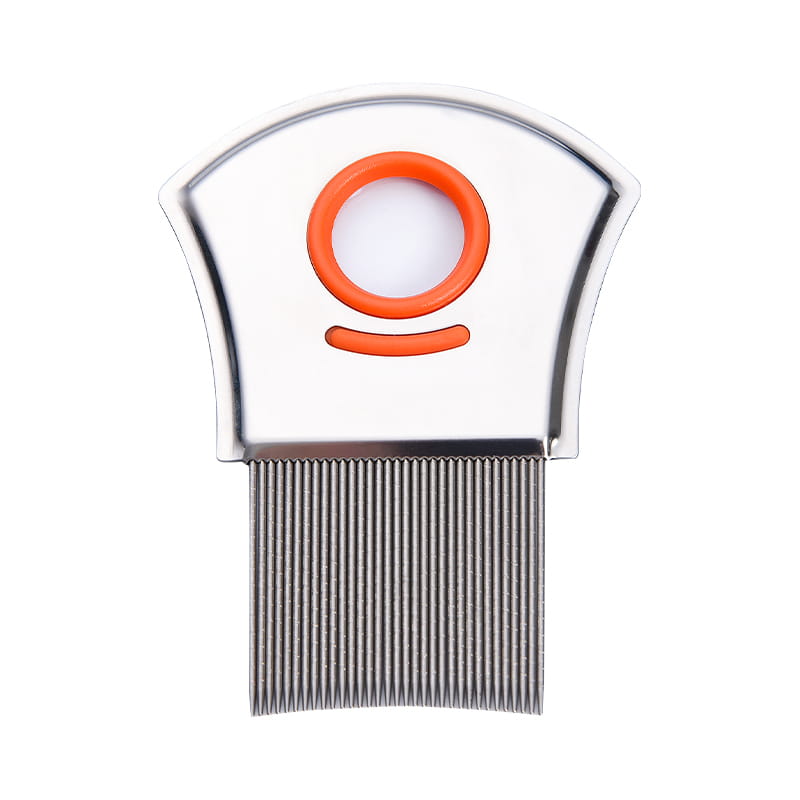
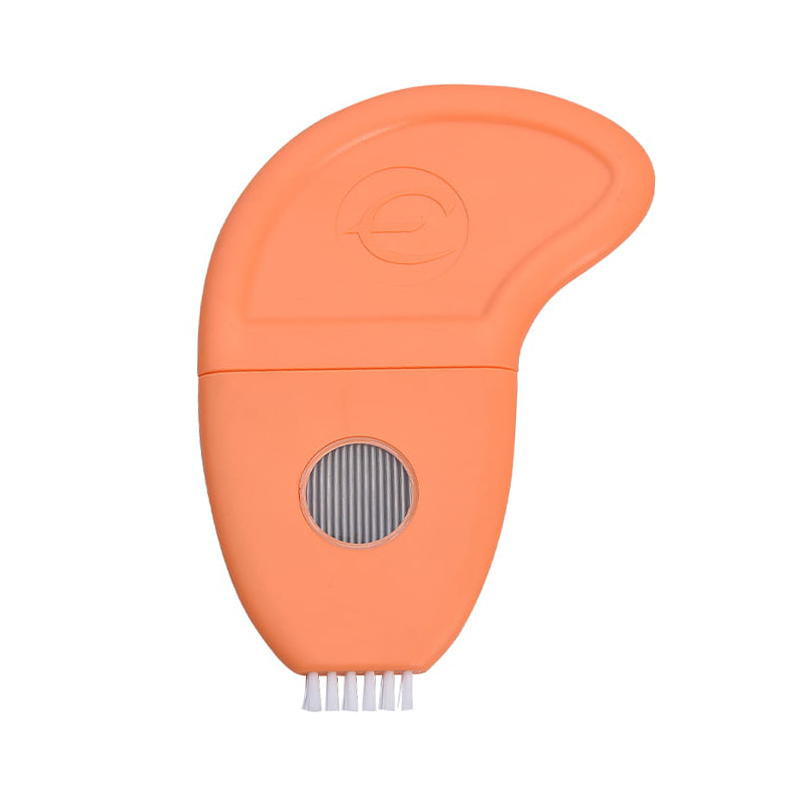
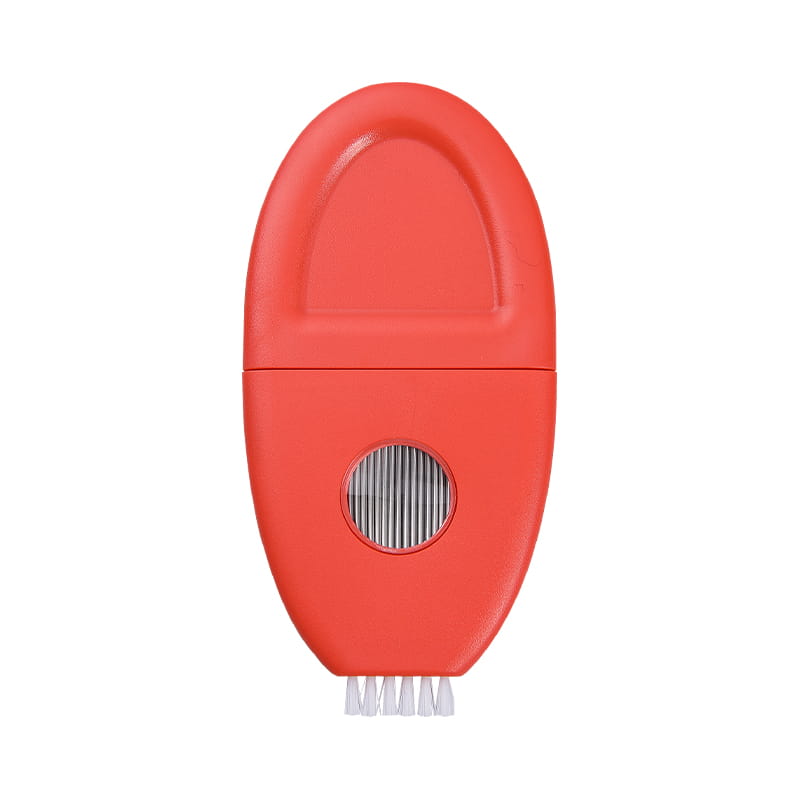
A baby dense-tooth lice comb is a grooming tool designed to assist parents in managing lice issues in young children while maintaining attention to safety and material suitability. Because infants and toddlers have more delicate skin and finer hair structures, the development of a baby dense-tooth lice comb generally considers rounded tooth edges, non-irritating materials, and structural stability. When discussing whether such a product has undergone safety testing, many factors become relevant, including chemical safety, mechanical reliability, and the overall compliance of the product with standards for infant-use accessories. In markets where baby-care regulations are stringent, manufacturers often incorporate testing and certification processes to reinforce trust in the product. For businesses specializing in lice comb products, the development cycle typically includes evaluations that focus on material purity, handling comfort, and the avoidance of sharp or abrasive edges.
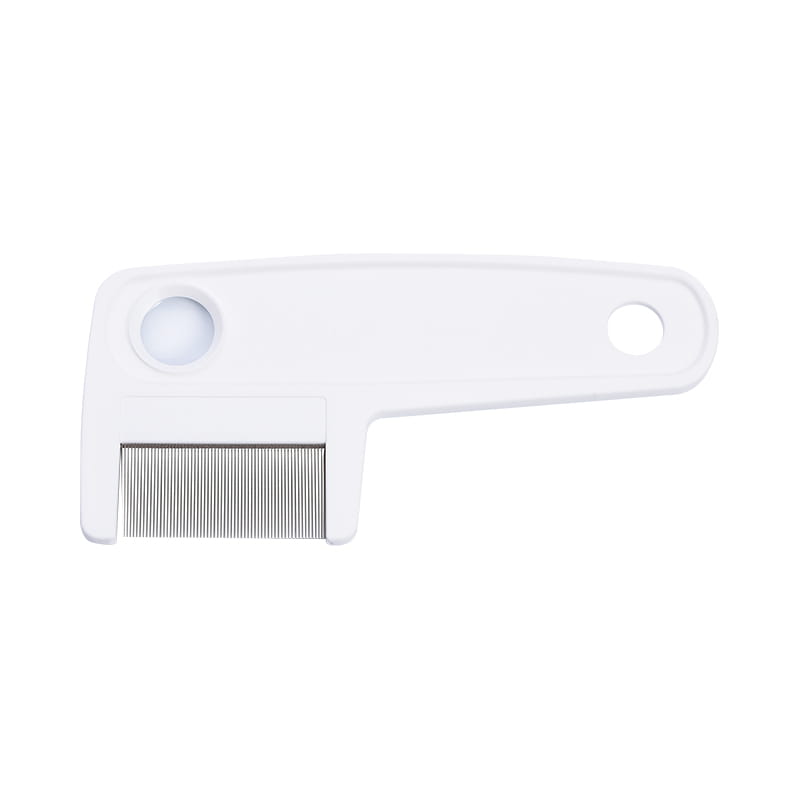
Material Safety Requirements for Baby Products
The materials selected for a baby dense-tooth lice comb must align with safety expectations for infant items, especially regarding contact with sensitive skin and scalp. Many manufacturers choose BPA-free plastics, stainless steel with smooth-polished edges, or hypoallergenic polymer blends that minimize irritation risks. These materials often go through testing procedures that assess chemical migration, heavy metal content, and resistance to cracking or edge degradation. Infants are especially vulnerable to environmental exposures, so materials used in a baby dense-tooth lice comb are commonly compared with safety benchmarks defined by national or regional regulatory bodies. For companies specializing in lice comb production, ensuring that their materials meet such test criteria is a key part of product development. Material evaluations typically extend beyond physical safety to include sensory factors such as odor neutrality and surface smoothness to provide a comfortable grooming experience.
Mechanical Testing and Durability Considerations
Mechanical safety testing focuses on whether the baby dense-tooth lice comb maintains structural integrity during repeated use. A comb with very tightly spaced teeth must endure consistent pressure during lice removal sessions without breaking or creating sharp fragments. Testing laboratories often evaluate flex resistance, impact tolerance, and tooth alignment under simulated real-world conditions. For businesses specializing in lice comb design, the arrangement, thickness, and finish of the teeth hold significant importance because they affect both efficiency and safety. Mechanical testing also verifies that the handle can withstand moisture, cleaning agents, and repeated pulling motions. For baby-oriented versions, greater emphasis is placed on ensuring that tooth density does not create snagging incidents that could cause discomfort or damage to fragile baby hair. These mechanical considerations help determine whether the comb aligns with safety expectations for baby grooming tools.
Rounded-Edge Design and Skin Contact Considerations
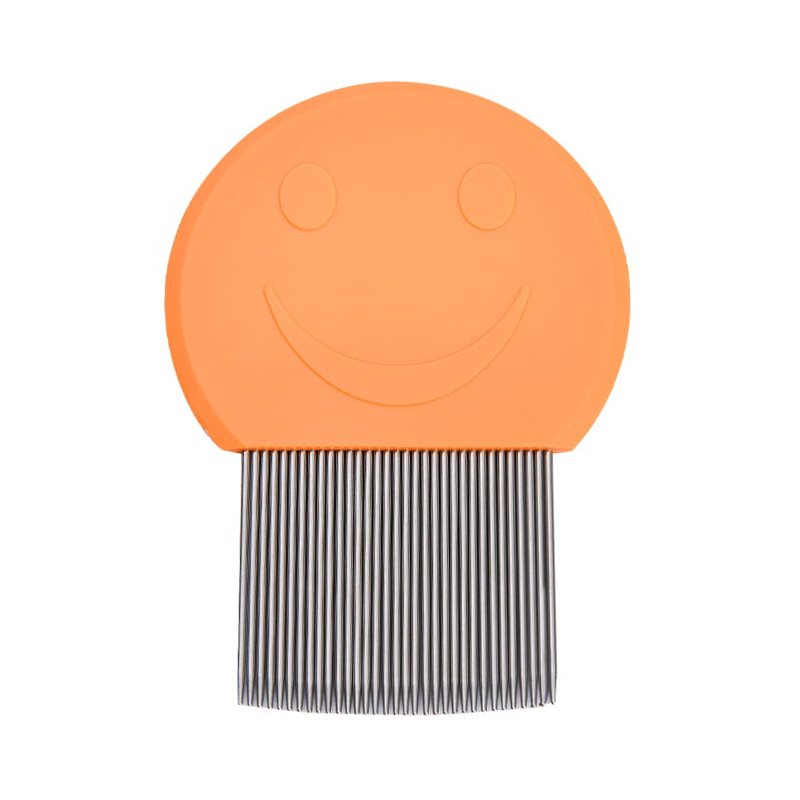
A defining feature of a baby dense-tooth lice comb is the presence of rounded or micro-polished edges. Since a baby’s scalp is more sensitive than that of older children or adults, the edges of the comb must be smooth enough to prevent scratching or friction irritation. Manufacturers specializing in lice comb products often adopt polishing processes that refine the metal or plastic surfaces to achieve a gentle texture. Safety testing may include abrasion resistance tests, microscopic surface analysis, and user-simulation trials to identify any potential points where scratching could occur. Because the baby dense-tooth lice comb is intended for direct skin contact, such tests play a critical role in determining whether the product meets infant-level grooming safety standards. Smooth edge design also helps maintain a sense of comfort during grooming, which is especially important when infants may become restless during lice removal routines.
Chemical Testing and Allergen Assessment
Products intended for use on babies must undergo chemical safety evaluations to confirm that no harmful substances are emitted during use. A baby dense-tooth lice comb typically undergoes tests for phthalates, volatile organic compounds, and heavy metals. These checks help ensure that the product does not introduce unnecessary exposure during grooming sessions. For manufacturers specializing in lice comb development, chemical testing is part of standard compliance work, especially when products are shipped to regions with stringent baby-product regulations. Allergen assessment may also be conducted to ensure that materials do not provoke irritation, particularly in babies prone to dermatitis. Testing protocols might include skin-sensitivity simulations, allergen-transfer evaluations, and assessments of how the material reacts to common baby shampoo ingredients. The results guide manufacturers in choosing safer formulations while maintaining the functional performance required of a dense-tooth comb.
Compliance with Consumer and Infant Product Standards
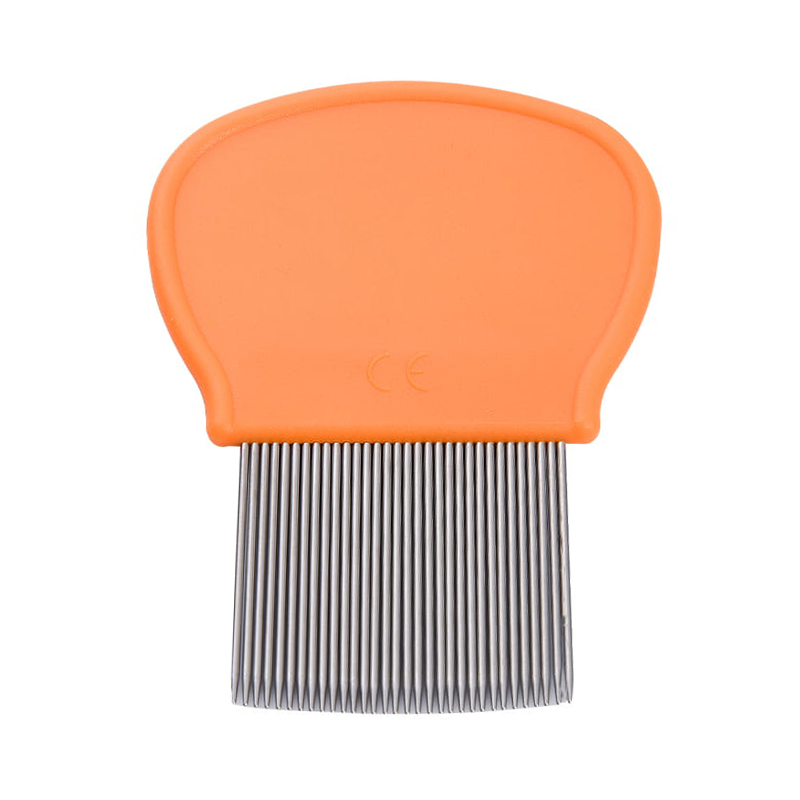
In many markets, infant grooming tools must comply with specific regulatory standards that define acceptable material safety and mechanical performance parameters. A baby dense-tooth lice comb may be tested according to toy safety standards, infant accessory regulations, or general consumer product safety guidelines. Those who are specializing in lice comb manufacturing often reference multiple standard frameworks to ensure compatibility with international regulations. Testing facilities assess flammability resistance, resistance to deformation, and the absence of hazardous small parts or detachable components. Compliance documentation also plays a role in determining whether a comb is suitable for infant use. Such documentation helps retailers and caregivers verify that the baby dense-tooth lice comb has followed proper testing protocols, reinforcing confidence in the product’s safety profile.
Surface Smoothness and Microstructure Evaluation
The microstructure of the comb’s teeth is especially important for preventing scalp irritation. A baby dense-tooth lice comb may undergo microscopic evaluations to examine tooth smoothness, edge rounding, and potential burr formation. Poorly finished comb teeth can cause localized irritation, even if the product appears smooth to the naked eye. Manufacturers specializing in lice comb production often implement automated polishing systems or manual finishing techniques that reduce the risk of rough surfaces. Testing laboratories use tactile sensors and image scanning systems to assess the smoothness of the comb’s contact surfaces. This type of testing ensures that the baby dense-tooth lice comb meets the tactile expectations associated with infant-use accessories.
Comparative Overview of Safety Test Categories
The safety testing of a baby dense-tooth lice comb involves multiple categories that address different aspects of product performance. A structured comparison can help illustrate how each testing category contributes to overall product assurance.
| Testing Category | Purpose | Application to a Baby Dense-Tooth Lice Comb |
| Material Safety Evaluation | Ensures materials are non-toxic and infant-safe | Validates BPA-free plastics and hypoallergenic materials |
| Mechanical Durability Testing | Assesses structural integrity | Verifies that tightly spaced teeth resist breakage |
| Surface Smoothness Inspection | Checks for skin-friendly texture | Confirms edges are rounded and polished |
| Chemical Migration Testing | Detects harmful chemicals | Evaluates exposure risk for babies with sensitive skin |
Hygiene and Cleaning Safety Tests
Safety also extends to hygiene considerations because lice removal involves repeated contact with hair, skin, and sometimes treatment products. A baby dense-tooth lice comb may undergo tests to assess its resistance to cleaning agents, boiling water sterilization, or alcohol wipes. These evaluations help determine whether the comb maintains structural stability when exposed to common hygiene procedures. Manufacturers specializing in lice comb tools often formulate materials that resist warping or discoloration during cleaning processes. Ensuring hygiene safety is necessary not only for product durability but also for maintaining sanitary conditions during repeated use on a baby’s sensitive scalp.
Grip, Handling, and Anti-Slip Safety Design
The grip and handling of a baby dense-tooth lice comb influence its safety during use. An unstable or slippery handle could lead to accidental scratching or misalignment when grooming. Many baby-oriented designs incorporate ergonomic curves, textured grip surfaces, or soft coating materials to enhance control during combing. Safety assessments may include friction coefficient tests, handle compression evaluations, and simulated baby-care grooming sessions. As companies specializing in lice comb products refine ergonomic features, they place emphasis on stability and user comfort to help caregivers manage lice removal without unnecessary difficulty. These design considerations contribute to the broader safety profile of the baby dense-tooth lice comb.
Heat and Environmental Resistance Evaluations
Environmental testing ensures that the baby dense-tooth lice comb does not degrade under temperature fluctuations, sunlight exposure, or high humidity. Some materials may warp, soften, or lose color when subjected to certain environmental conditions. For infant grooming products, these weaknesses could lead to structural compromise or changes in surface smoothness. Testing laboratories often expose the comb to cycles of heat, cold, moisture, and UV exposure to observe performance changes. Manufacturers specializing in lice comb production use these results to determine whether material adjustments are necessary. Consistent performance under environmental stress enhances safety and reliability during typical household storage and use conditions.
Documentation, Certification, and Traceability Expectations
Safety testing of a baby dense-tooth lice comb culminates in documentation that summarizes test results, compliance status, and manufacturing traceability. Certifications may be issued by independent testing labs or national regulatory bodies. For companies specializing in lice comb manufacturing, documentation serves as proof of conformity and enhances transparency for distributors and caregivers. Traceability records detail production batches, material sources, and inspection histories, helping identify any deviations from standard requirements. These records provide assurance that each baby dense-tooth lice comb has undergone a careful evaluation process before reaching consumers.