

 Español
  中文简体
中文简体
What Actually Separates a Multifunctional Comb from a Basic One
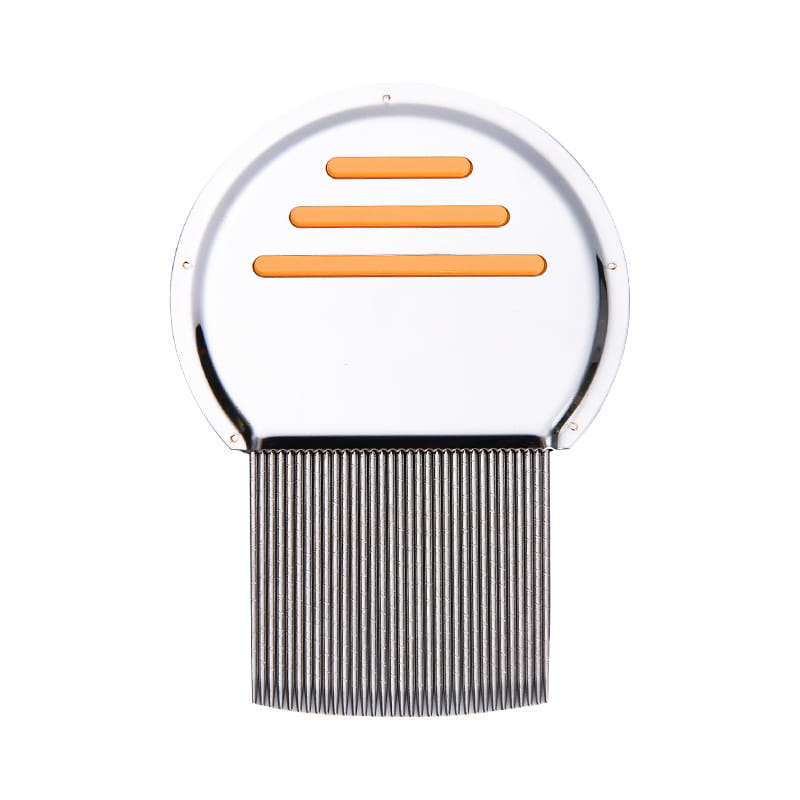
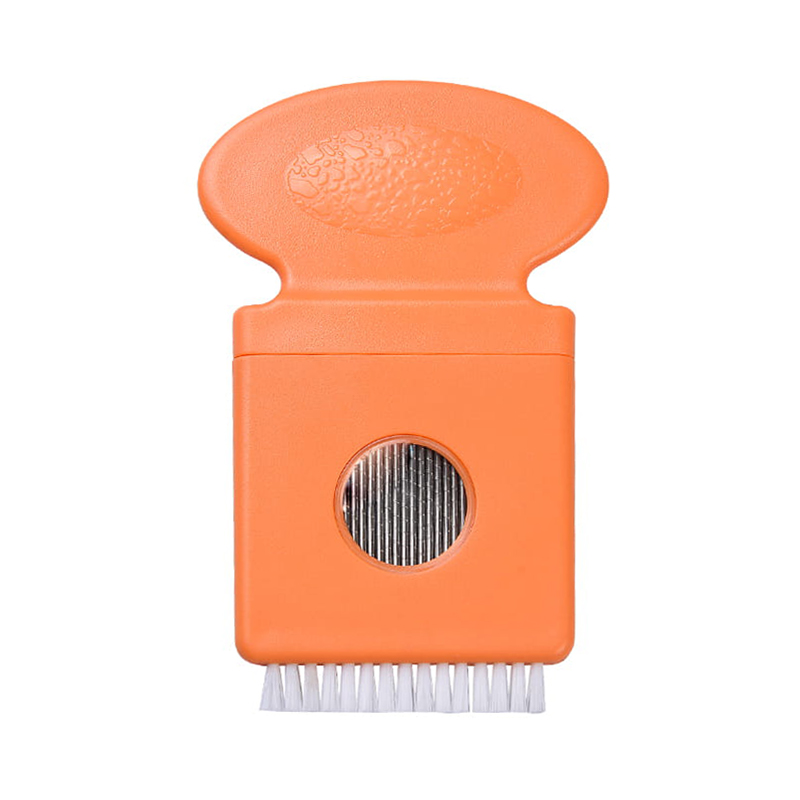
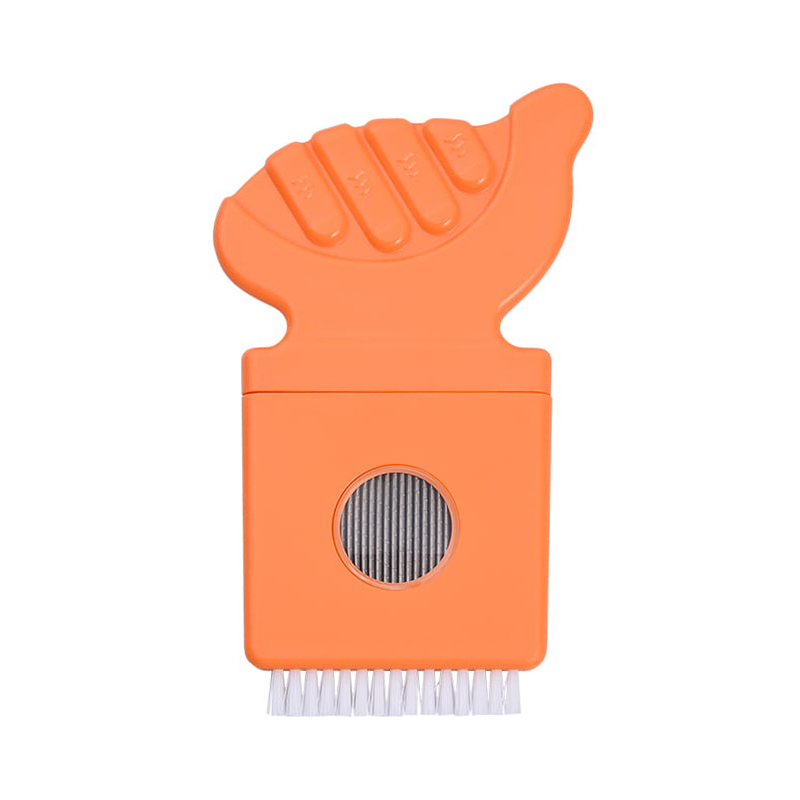
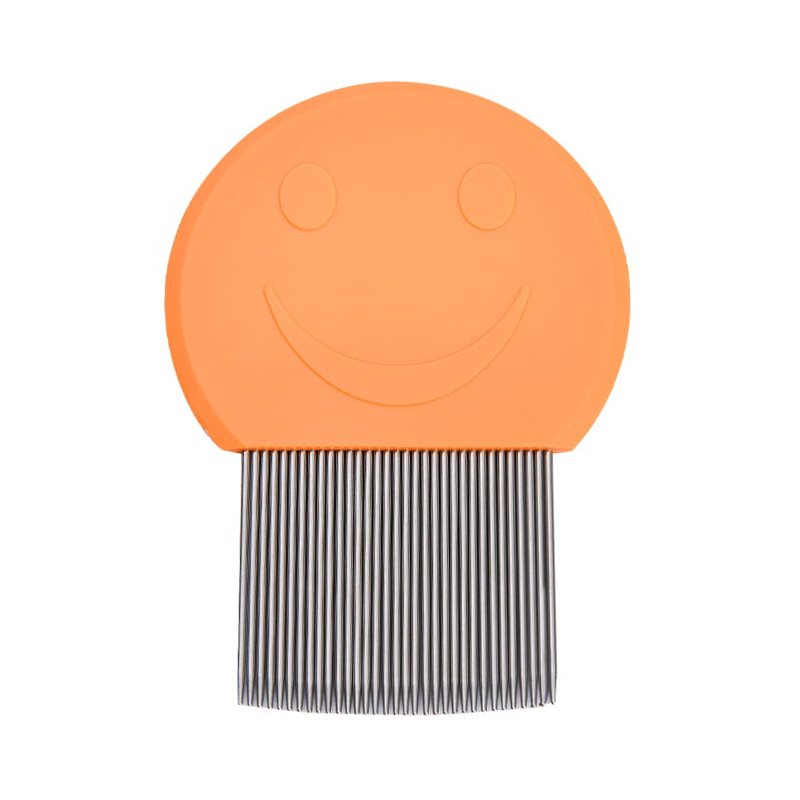
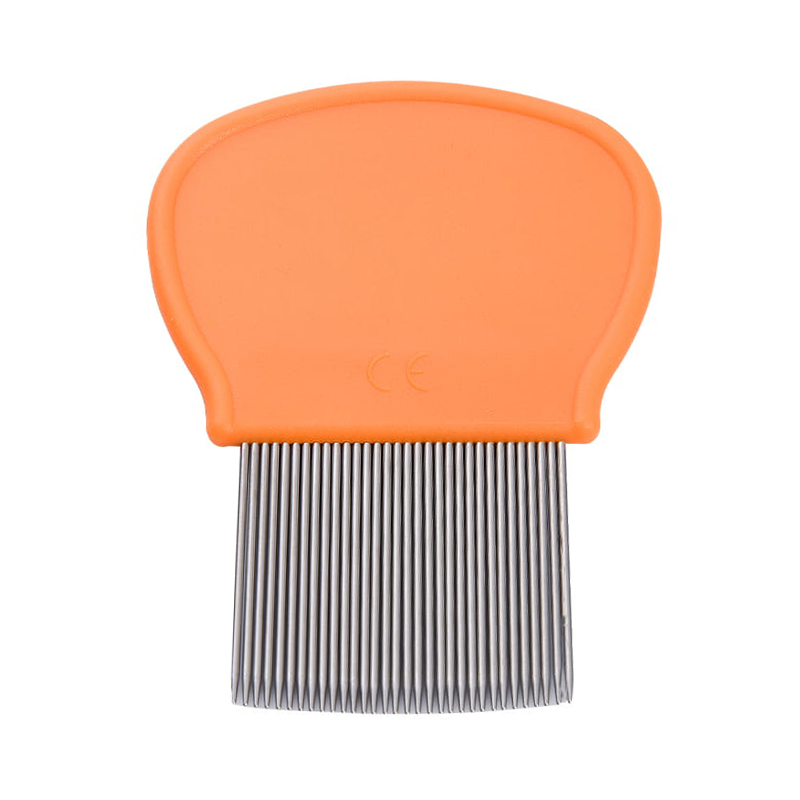
A traditional lice comb usually has one row of teeth spaced around 0.2 to 0.3 millimeters apart. That spacing is tight enough to catch lice and eggs, but it also snags on tangled or curly hair, which slows the process and can cause discomfort. A multifunctional comb solves this by pairing that fine-tooth row with a second, wider-spaced row meant for detangling before the fine pass begins.
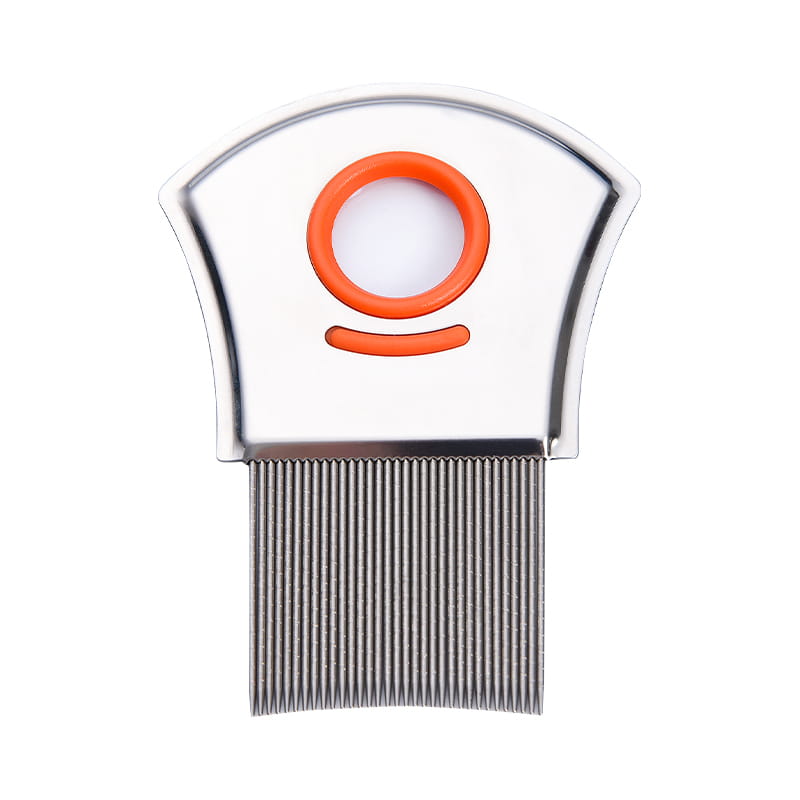
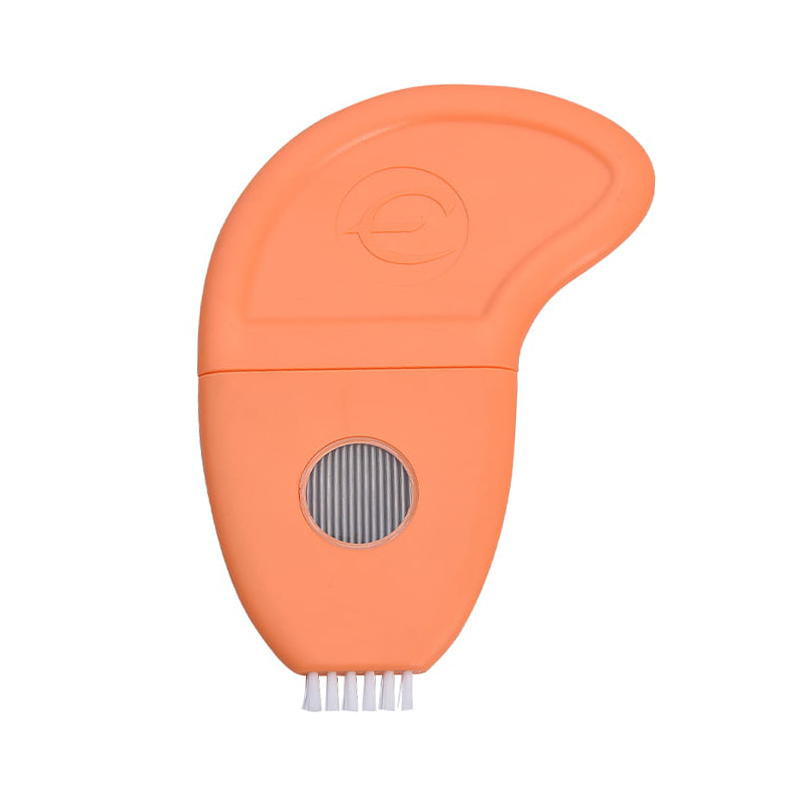
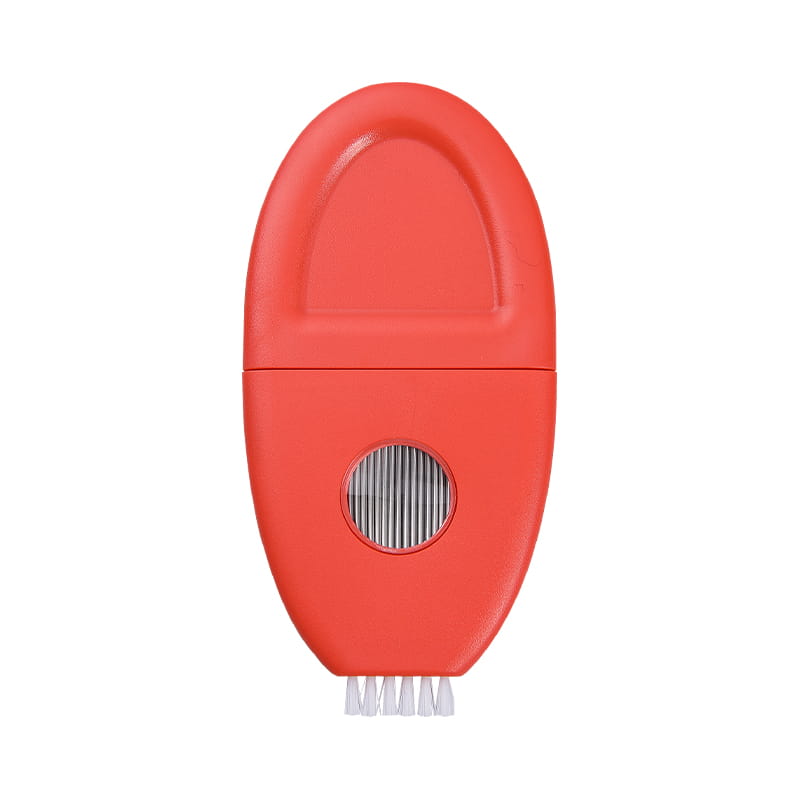
Some versions add a rotating head, a magnifying lens along the spine, or a small LED strip that lights the hair section being combed. Each addition targets a specific failure point in manual combing: missed nits due to poor lighting, breakage from combing through knots, or inconsistent pressure that lets lice slip past the teeth.
Fine-Tooth Spacing vs. Wide-Tooth Spacing: Why Both Are Needed
Fine teeth are non-negotiable for removing eggs, which are cemented close to the scalp and measure roughly 0.8 millimeters long. Anything wider than 0.3 millimeters between teeth allows most eggs to pass through untouched. But fine teeth alone struggle with matted or long hair — they catch, pull, and often need to be reset multiple times per stroke.
Wide teeth, spaced closer to 1 to 1.5 millimeters apart, glide through tangles first and prepare the hair so the fine-tooth pass can move smoothly. Testing across home treatments shows that pre-detangling with a wide-tooth section before switching to the fine-tooth row cuts total combing time by close to a third compared to going straight in with a fine-tooth-only comb.
Manual Combs, Electronic Combs, and Multifunctional Combs Side by Side
Each comb type has a different mechanism for identifying or removing lice, and the differences show up clearly when compared directly.
| Comb Type | Detection Method | Best For | Limitation |
| Traditional single-tooth comb | Manual visual check after each stroke | Short, straight, untangled hair | Slow on thick or curly hair |
| Electronic (sensor) comb | Audible or vibration alert on contact with lice | Users who struggle to spot lice visually | Does not remove eggs on its own |
| Multifunctional comb | Wide-tooth detangling + fine-tooth extraction, sometimes with light/magnifier | Most hair types, including thick and curly | Slightly bulkier to hold than a single-head comb |
Electronic combs are useful for detection but generally do not physically dislodge eggs, meaning a second tool is still required. Multifunctional combs, by contrast, combine detection support (via lighting or magnification) with the physical removal mechanism in a single pass.
Material Comparison: Metal Teeth vs. Plastic Teeth
The material of the teeth affects both durability and effectiveness, and this is where many multifunctional combs distinguish themselves from cheaper plastic-only models.
- MetalHolds a precise, narrow gap between teeth even after repeated use; stainless steel versions resist warping from hot water sterilization.
- PlasticLighter and gentler on sensitive scalps, but teeth can bend or widen slightly after just a few weeks of daily use, reducing egg-removal accuracy.
- HybridMany multifunctional combs use metal for the fine-tooth section and plastic for the wide-tooth detangling section, balancing precision with comfort.
Independent comparisons of comb materials have found that metal-toothed sections maintain consistent spacing through boiling or alcohol sterilization far better than plastic, which matters for households treating lice over multiple days.
Extra Features That Change the Real-World Outcome
Built-in lighting: Small LED strips along the comb's edge illuminate the hair section being parted, making it easier to spot nits against darker hair colors where contrast is naturally lower.
Magnifying lens: A lens mounted near the teeth lets the user confirm whether debris is a nit, dandruff flake, or hair product residue before deciding whether to keep combing that section.
Ergonomic grip: A contoured handle reduces hand fatigue during sessions that often run 20 to 45 minutes for longer or thicker hair.
None of these features remove lice by themselves, but together they reduce the two biggest causes of treatment failure: missed sections and premature stopping due to discomfort.
Cost and Durability: Is the Extra Price Worth It
A basic plastic comb typically costs a fraction of a multifunctional model, but the comparison shifts once repeat purchases and treatment time are factored in.
| Factor | Basic Comb | Multifunctional Comb |
| Average lifespan with daily use | 2 to 4 weeks before teeth widen | 6 months or more with metal sections |
| Average session length | 30 to 45 minutes | 15 to 25 minutes |
| Need for a second detangling tool | Usually yes | Rarely, built-in |
Because a multifunctional comb replaces two separate tools and lasts considerably longer, the higher upfront cost is often recovered within a single treatment cycle, especially in households with more than one affected person.
Getting the Best Results from a Multifunctional Comb
- Section hair into four to six parts and clip the rest away before starting.
- Apply a conditioner or lice treatment oil to slow lice movement and reduce pulling.
- Use the wide-tooth section first to remove all tangles from root to tip.
- Switch to the fine-tooth section and comb in short, controlled strokes, wiping the comb on a paper towel after each pass.
- Use the magnifier or light feature to inspect each section before moving to the next.
- Repeat the full process every two to three days for two weeks to catch any newly hatched lice.
Mistakes That Reduce a Comb's Effectiveness Regardless of Type
Even a well-designed multifunctional comb underperforms if used incorrectly. The most common issues include combing dry hair, which increases static and lets lice cling to strands more tightly; rushing through sections without wiping the comb clean, which redistributes eggs instead of removing them; and stopping treatment after a single session, when most guidance recommends repeated combing across at least ten to fourteen days to catch lice that hatch after the first pass.
Comparing outcomes across households that followed a structured multi-session routine versus those that combed only once shows a marked difference in reinfestation rates, reinforcing that the comb itself is only part of a full treatment approach.