

 Español
  中文简体
中文简体
When you compare quotations from lice comb suppliers, the price difference between the lowest and highest bid can be substantial. But the real cost difference appears later: in returned shipments, field complaints, and reorders that never come. A factory that specializes in lice comb production keeps those costs low by controlling the details that generic comb makers often miss — tooth spacing, steel grade, handle ergonomics, and consistency across every production run. This guide explains what that specialization means in practical terms and what you should verify before choosing a manufacturing partner.
What Does "Specializing in Lice Comb" Actually Mean?
A factory that truly specializes in lice combs organizes its entire production line around the specific demands of lice and nit removal. That is different from making ordinary hair combs and then narrowing the tooth gap as an afterthought.
The critical dimension is the space between adjacent teeth. To catch eggs that are firmly cemented to the hair shaft, the gap normally needs to stay under 0.3 millimetres — narrow enough to trap nits, yet wide enough to glide through hair without painful pulling. Maintaining that gap consistently across every comb in a production run requires precision tooling and regular dimensional inspection. Tooth tip geometry and surface finish are equally important. A rough edge on a single tooth can snag hair and cause breakage, which is the last thing a parent needs when treating a child's head lice.
Material selection follows the same logic. Lice combs face repeated exposure to hot water, vinegar rinses, medicated lotions, and the conditioner-based products used to loosen nits. Stainless steel grades must resist pitting and corrosion. Plastic resins must hold their shape through those treatments without softening or developing burrs. When a manufacturer has spent years working exclusively in this product category, those requirements are built into the production process from the beginning.
Stainless Steel vs. Plastic: Choosing the Right Material for Your Market
The material decision shapes the product's performance, price, and target market. Both stainless steel and plastic combs can be manufactured to a professional standard, but they are not interchangeable.
| Criterion | Stainless Steel Lice Comb | Plastic Lice Comb |
|---|---|---|
| Durability | High; resists bending and breakage | Moderate; depends on resin grade |
| Sanitisation tolerance | Withstands boiling water and disinfectants | May distort under sustained heat |
| Weight | Heavier, more substantial feel | Lighter, easier for short sessions |
| Custom shapes | More complex; requires metal tooling | Easier for ergonomic and novelty designs |
| Typical market position | Professional and long-cycle products | Budget-friendly mass distribution |
| Unit cost | Higher | Lower |
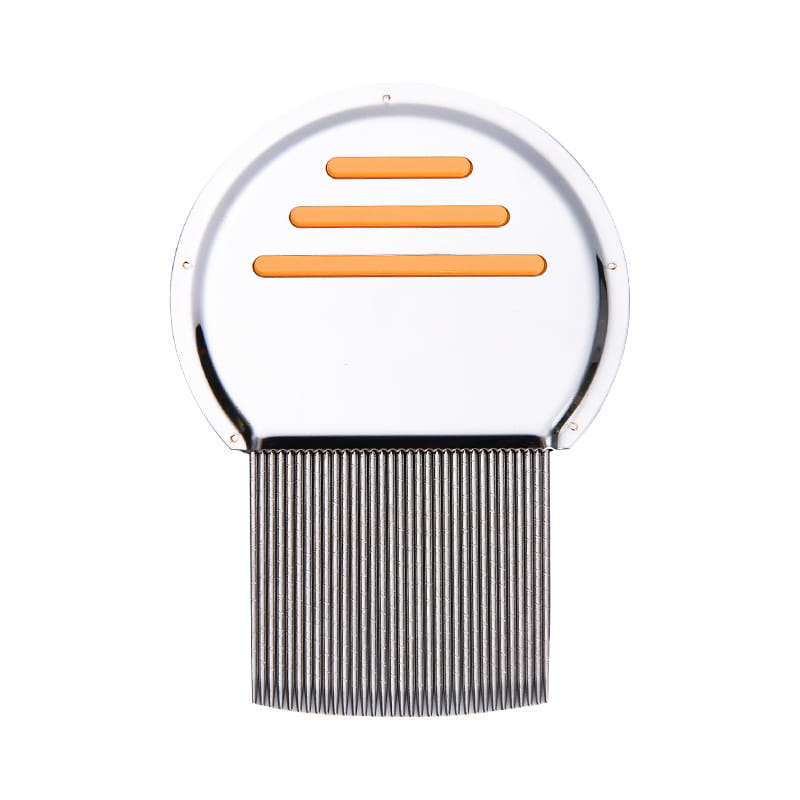
For programmes that prioritize long service life and professional-grade performance, stainless steel combs are the conventional choice. A fully steel body removes the seam lines and handle flex that appear in low-cost assemblies, and the comb can be disinfected repeatedly without visible wear.
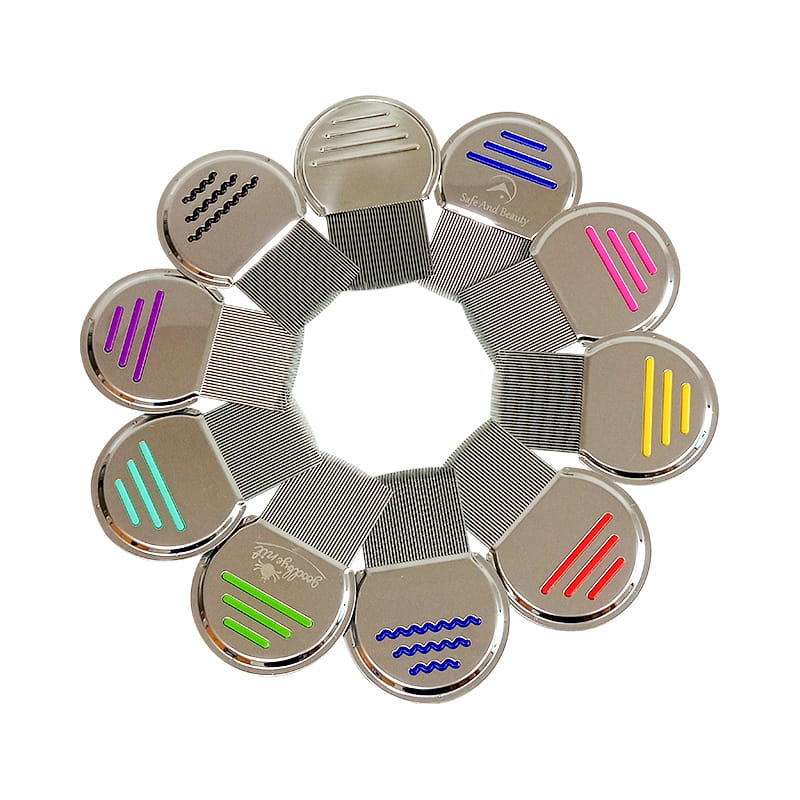 Stainless Steel Louse Comb with Fine Laser-Welded NeedlesThis fully steel comb is built for repeated disinfection and long service life, making it a reliable choice for programmes that need professional-grade nit removal without handle flex or seam lines.View Product →
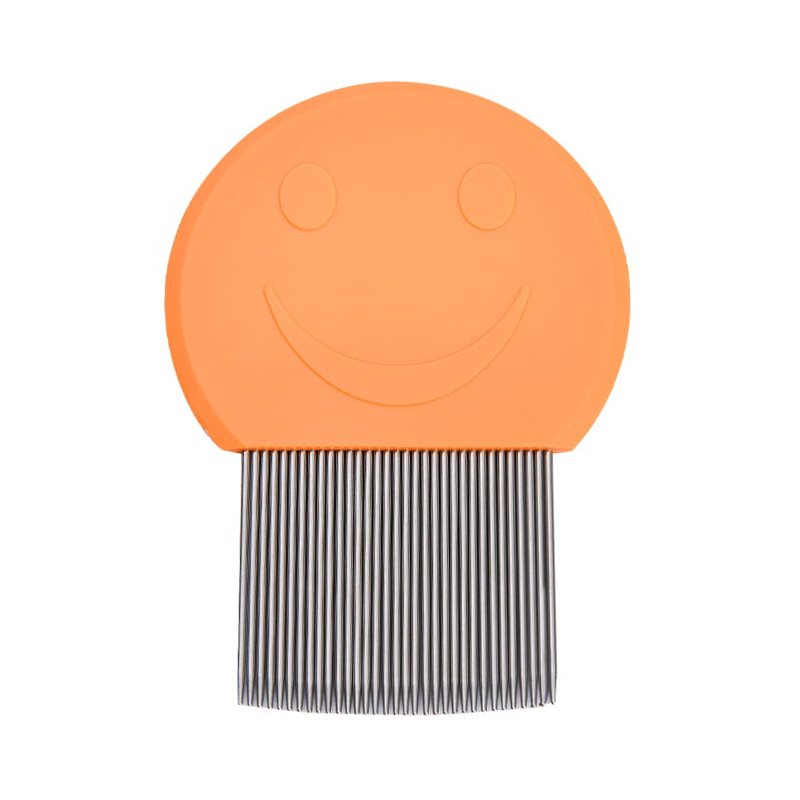
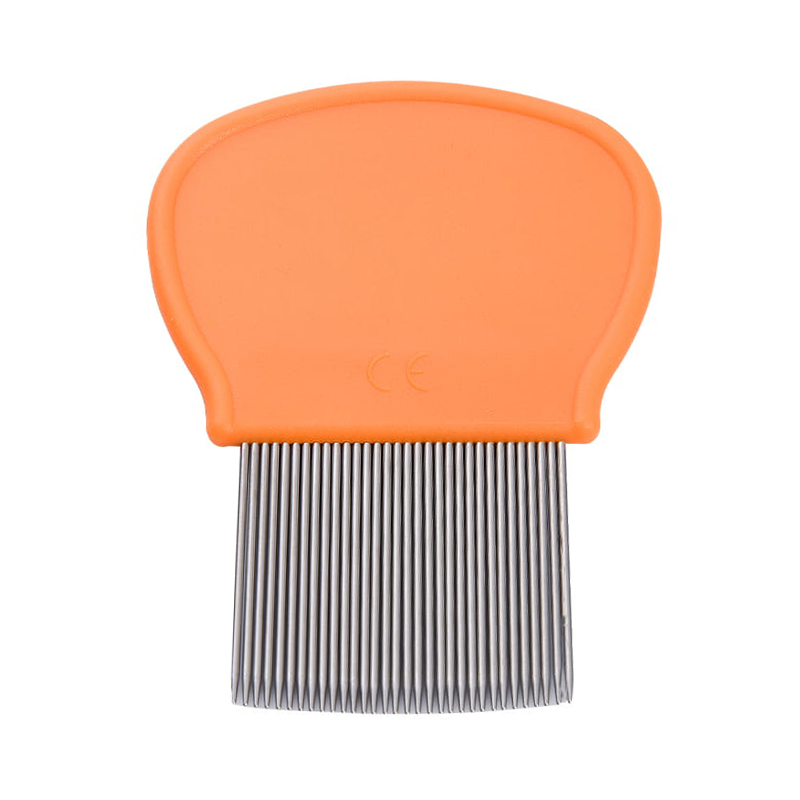
Plastic combs meet a different set of requirements. They are lighter, more affordable, and easier to mould into ergonomic or decorative shapes. For school distribution, public health campaigns, and retail channels where selling price matters more than replacement cycles, a well-made plastic comb with precision-cut teeth performs effectively in the field.
One factor that is easy to overlook is the source of the steel needle itself. A factory that draws, cuts, and finishes its own needles controls hardness, surface smoothness, and corrosion resistance from the raw material stage. That is why buyers should ask whether the supplier produces its own stainless steel lice comb needles or sources them from third-party workshops.
Why Tooth Density and Finish Determine Removal Efficiency
Tooth density is the first specification that most buyers check, and for good reason. Effective nit combs hold tooth gaps below 0.3 millimetres, considerably tighter than a standard grooming comb. But density alone does not guarantee performance. The shape of each tooth, the transition between teeth, and the finish at the tips determine whether the comb actually pulls nits off the hair shaft or simply drags them along.
Key specifications to review when evaluating a lice comb:
- Tooth-gap uniformity: gaps must be consistent across the full comb width, not just in the centre
- Tooth length: longer teeth grip hair more securely but require stronger material to resist bending
- Tip geometry: rounded or slightly flattened tips reduce scalp irritation while improving nit capture
- Surface finish: polished teeth glide through hair with less pulling and are easier to clean between strokes
- Handle balance: the handle must transfer force to the teeth without twisting, especially on long combs
For infant use, the specification profile shifts. A baby's hair is finer and the scalp more sensitive, so the comb needs denser teeth, gentler tip geometry, and a smaller combing surface so treatment sessions stay brief.
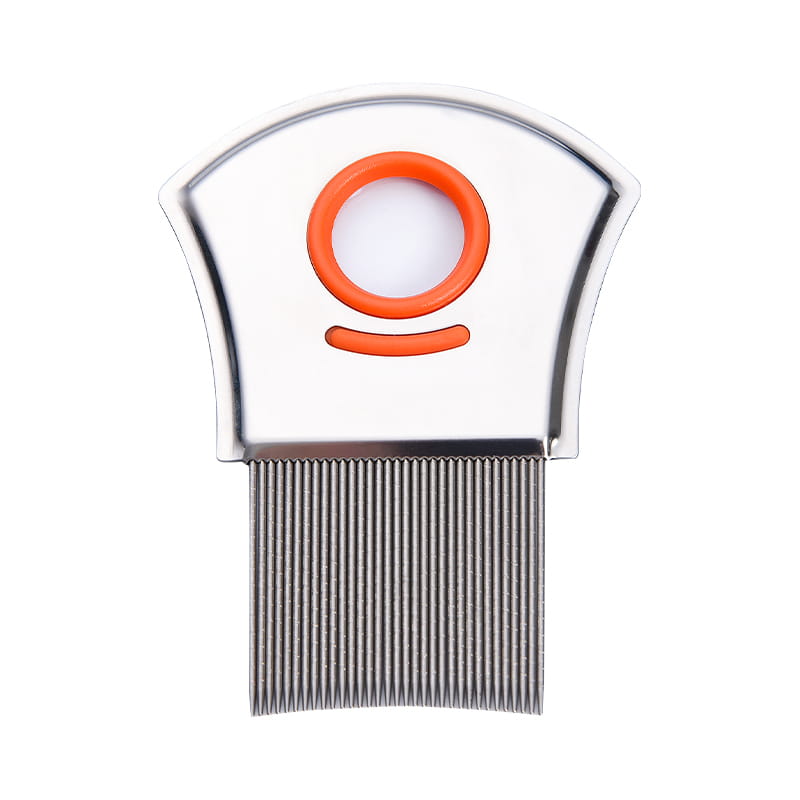
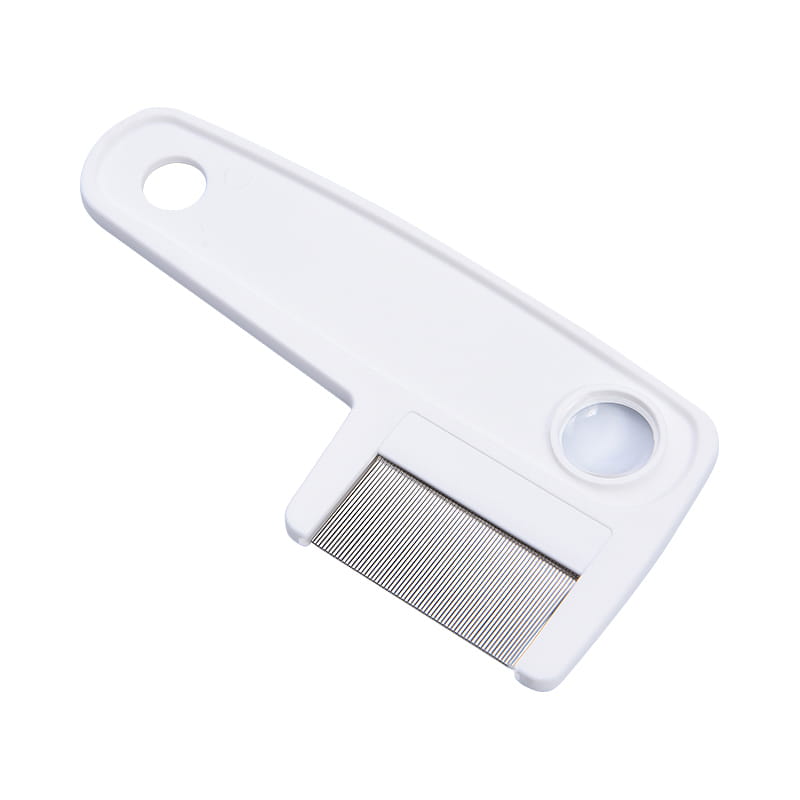 Baby Lice Comb with Magnifier and Fine Copper TeethDesigned for infants and young children, this dense-tooth comb uses gentler tip geometry and a smaller surface to keep treatment sessions brief while removing lice and eggs effectively.View Product →
Adult combs benefit from a different approach in some respects: slightly longer teeth to work through dense hair, and a wider handle that gives the user enough grip to maintain a steady stroke without hand fatigue.
Production Capabilities That Define a Reliable Lice Comb Manufacturer
Once the product specification is clear, the next question is whether the factory can deliver it consistently at scale. Claims of specialization need to be tested against production depth.
Key indicators to examine when evaluating any lice comb manufacturer:
| Indicator | Data |
|---|---|
| Factory area | 3,600 square metres |
| Stainless steel production since | 2003 |
| Lice comb production since | 2008 |
| Monthly stainless steel needle output | 36 million pieces |
| Monthly lice comb output | 1 million pieces |
| Annual output volume | More than 4,000 tons |
| Main export markets | South America, North America, Europe |
These numbers demonstrate the difference between a dedicated lice comb producer and a general comb maker running a single small line. When a factory turns out roughly 36 million stainless steel needles per month and assembles about 1 million combs per month, processes stay stable by necessity. Defects are caught early, raw materials are purchased in consistent grades, and batch-to-batch variation remains low.
Durability is the practical consequence of that stability. How well a stainless steel comb holds its tooth alignment after months of use is the real test of manufacturing quality. Our walkthrough of how we verify comb durability covers the specific checks we run on tooth alignment, handle strength, and surface integrity before a new model is approved for mass production.
OEM Customization and Product Development
For brands, the value of working with a specialized factory goes beyond standard catalogue products. The ability to develop new shapes, adjust dimensions, and produce custom designs is often the deciding factor when choosing a manufacturing partner.
Common customization requests include:
- Handle geometry: larger grips for elderly users, compact designs for travel kits, angled handles for easier scalp access
- Colour and surface treatment: anti-slip coatings, coloured plastic handles, matte or polished stainless steel
- Magnifying optics: integrated 3x lenses that help users spot nits and eggs during combing
- Multi-function designs: combs that combine removal, cleaning, and grooming functions in one tool
The advantage of working with a factory that performs mold development internally is speed. Tooling teams and production teams share the same facility, so design changes are validated immediately instead of being emailed back and forth between companies. For the buyer, that means shorter development cycles and faster response to feedback from your own market.
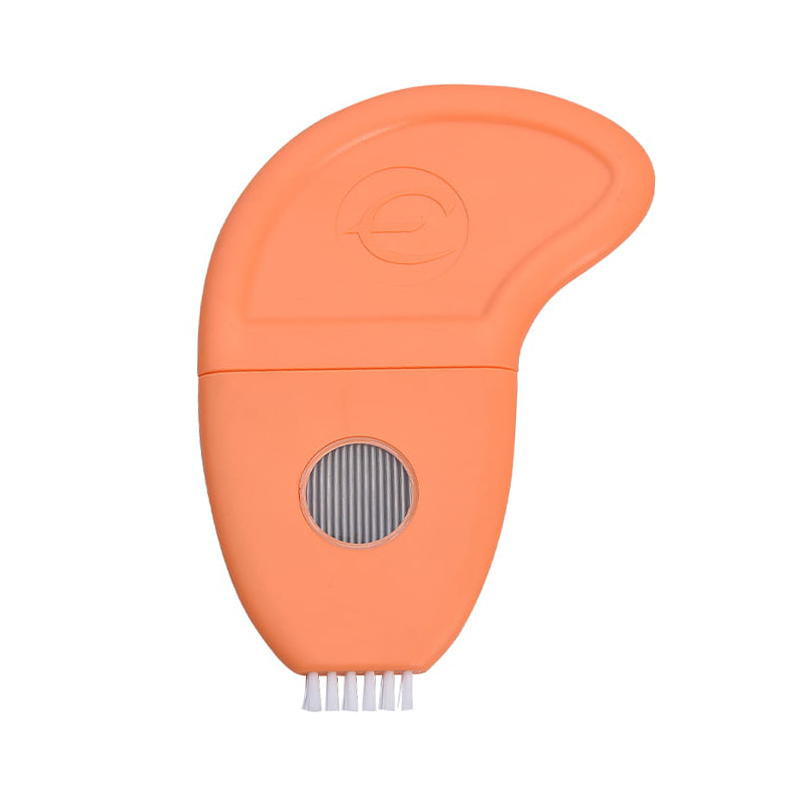
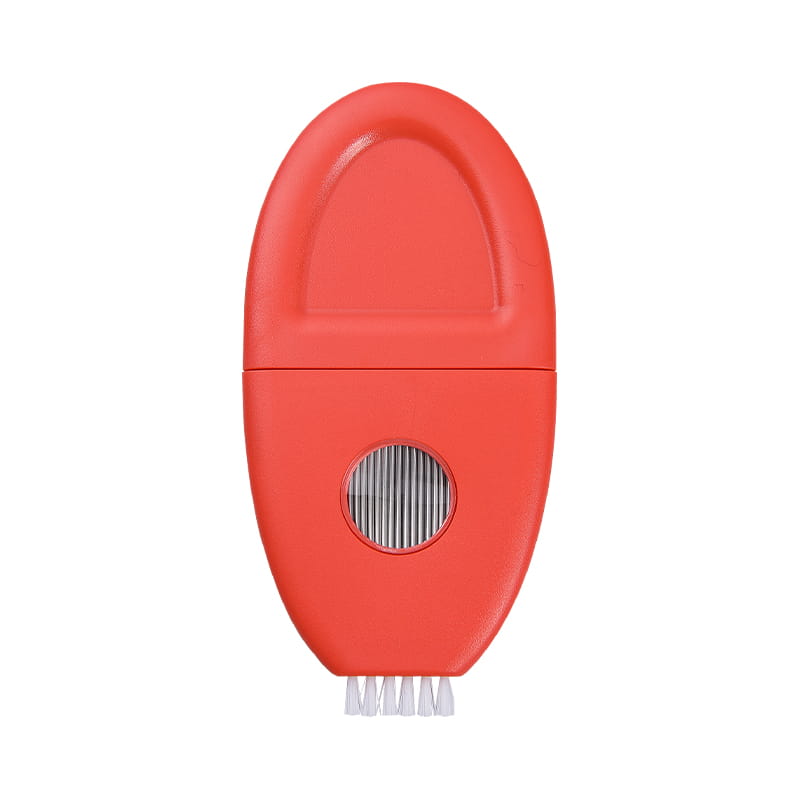
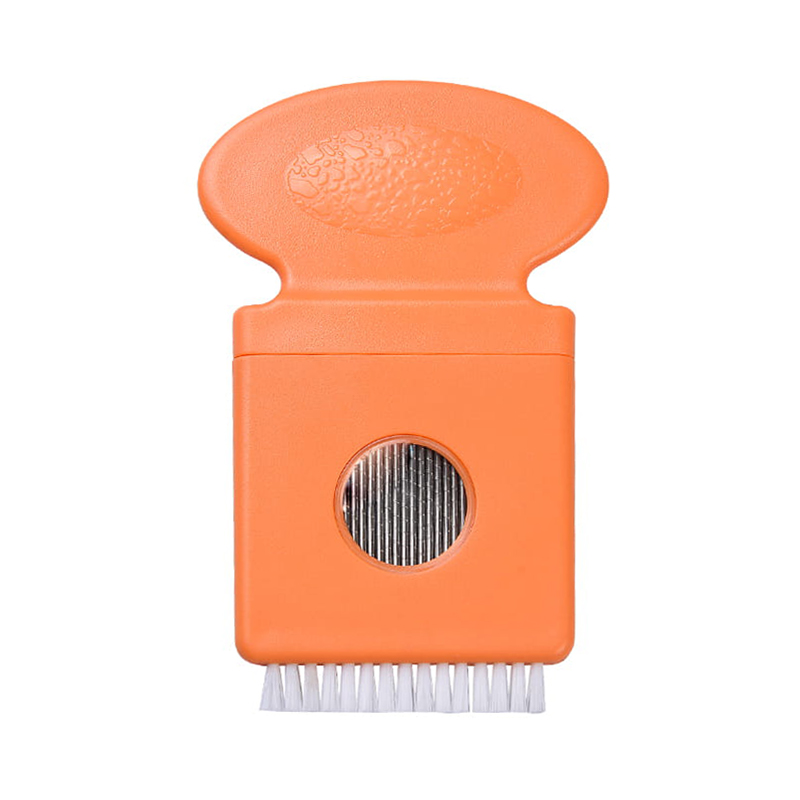
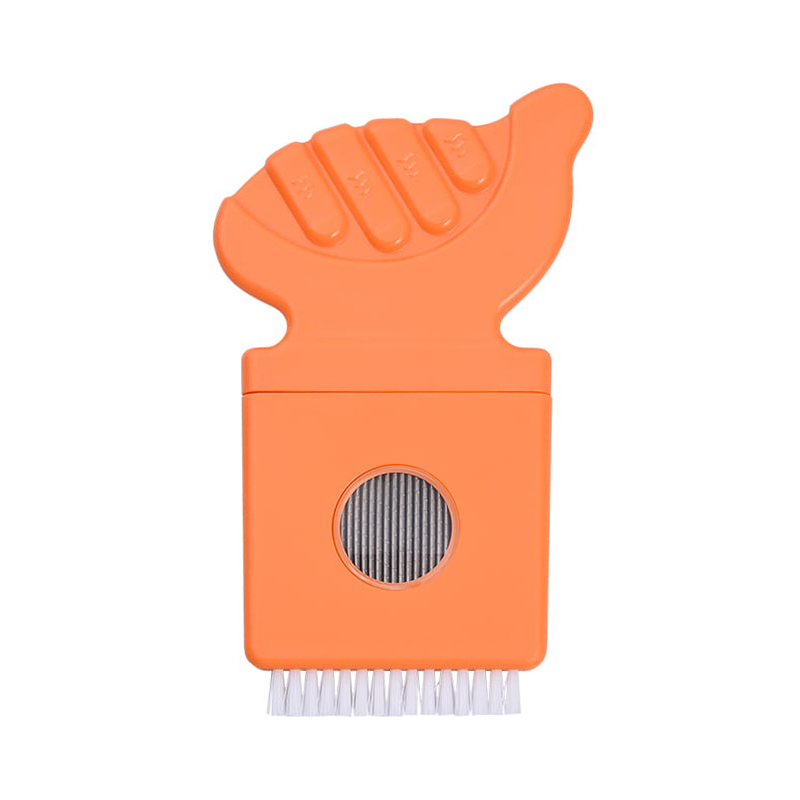
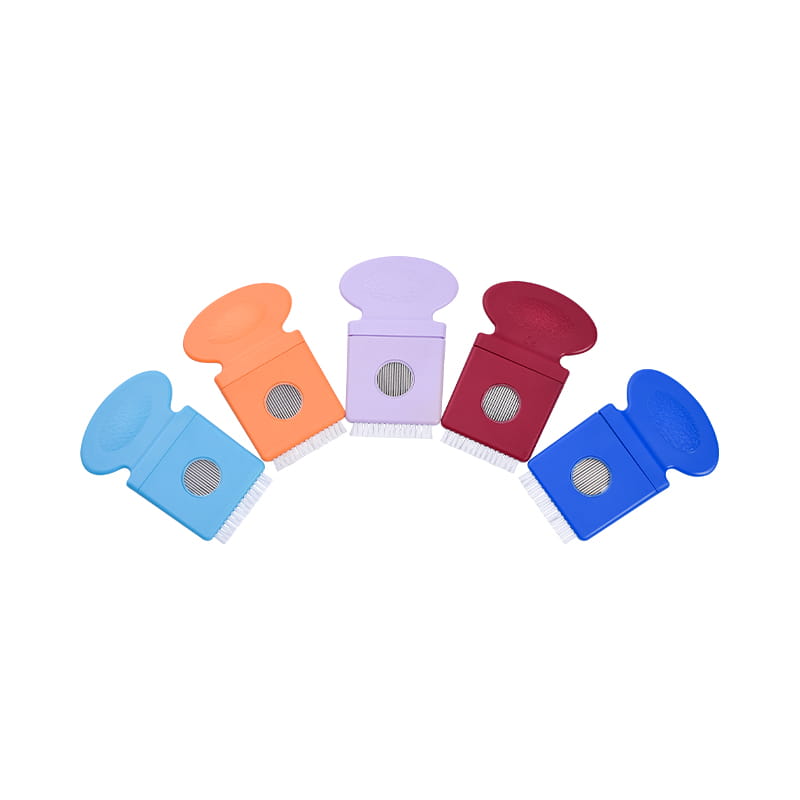 Eco-Friendly Multi-Effect Lice Comb with AccessoriesThis environmentally friendly comb includes magnifier, cleaning brush, and protective case, offering a sustainable, multi-purpose option for family and school use where frequent reuse is expected.View Product →
We have also filed design and appearance patents on several comb models, which gives brand owners additional confidence that a product developed in partnership with us will not be duplicated by every competitor within a year.
What Buyers Should Verify Before Placing a Lice Comb Order
Whether you are sourcing for a pharmacy chain, a school health programme, or an e-commerce brand, the same verification steps apply before you commit to a purchase order:
- Request tooth-gap measurement data across multiple samples, not just the first piece
- Confirm the steel grade for metal combs and ask for material certificates
- Test the comb under the sanitisation conditions your market uses, such as boiling water or disinfectant wipes
- Check handle performance with wet hands to verify anti-slip behaviour
- Review packaging proposals, including anti-static bags, display hooks, and multi-language labels
- Clarify MOQ, lead time, and defect-handling policies before signing
These checks take little time and prevent the most common sourcing problems: inconsistent comb quality, rust complaints, and combs that deform after a few uses.
Specialization in lice comb production is not a marketing label. It is a measurable difference in tooling precision, material control, and process discipline. Buyers who verify those factors before placing an order avoid the late discovery of quality issues after products have already reached the market.
A factory with dedicated lice comb lines, in-house needle manufacturing, and internal mold development gives you the most direct path from product specification to a reliable order. When the supplier's own production history and capacity align with your requirements, the sourcing decision becomes simpler than it looks.