

 Español
  中文简体
中文简体
Introduction to Multifunctional Lice Combs
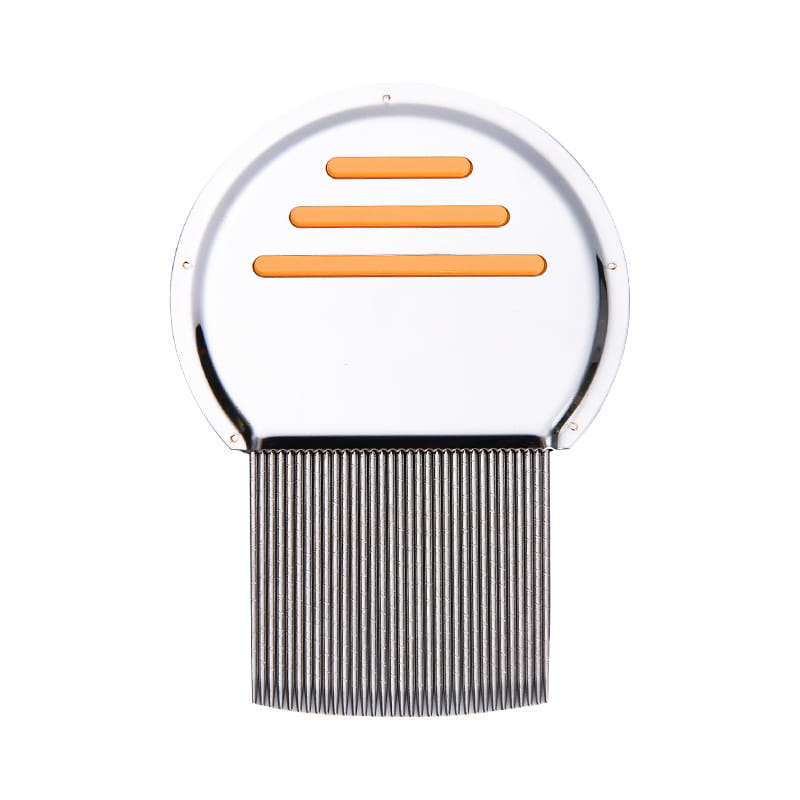
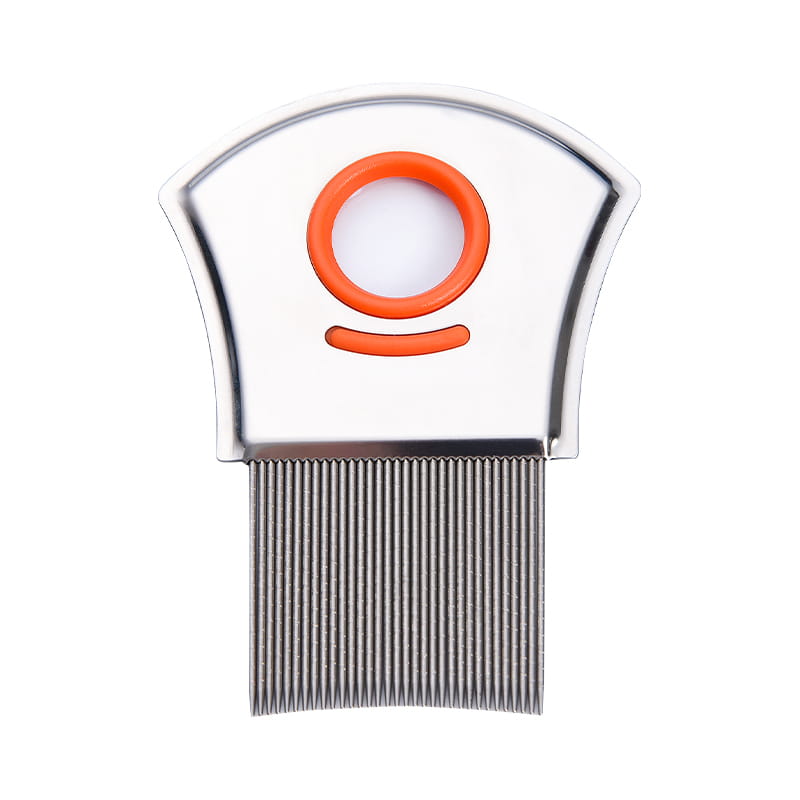
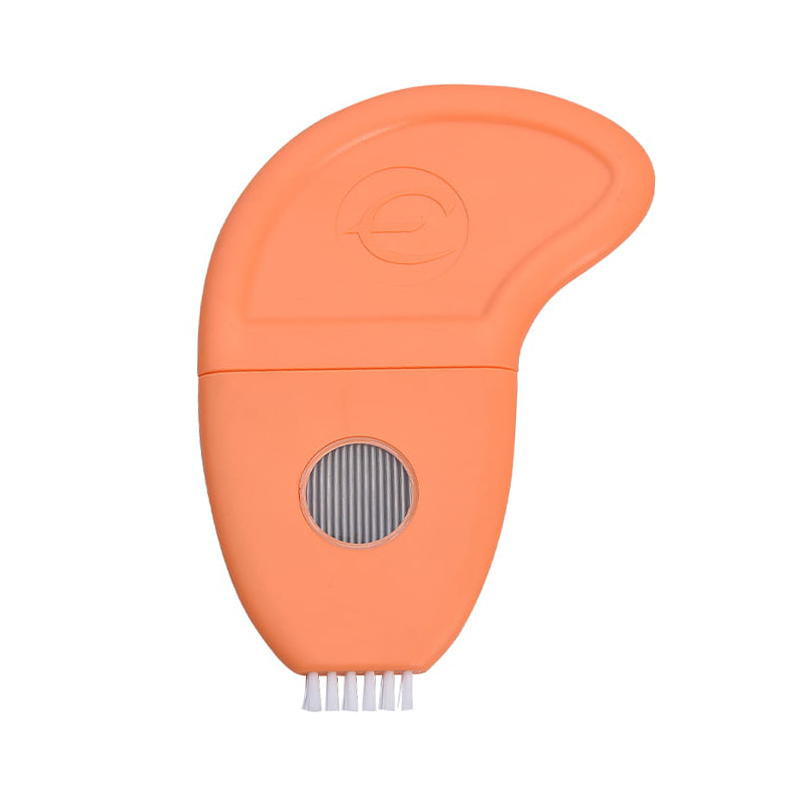
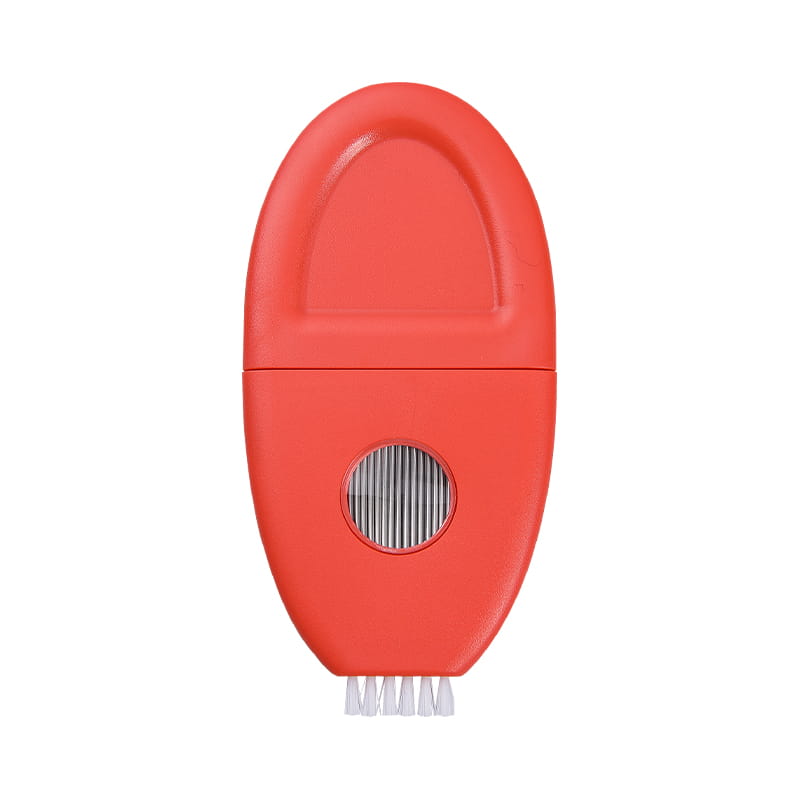
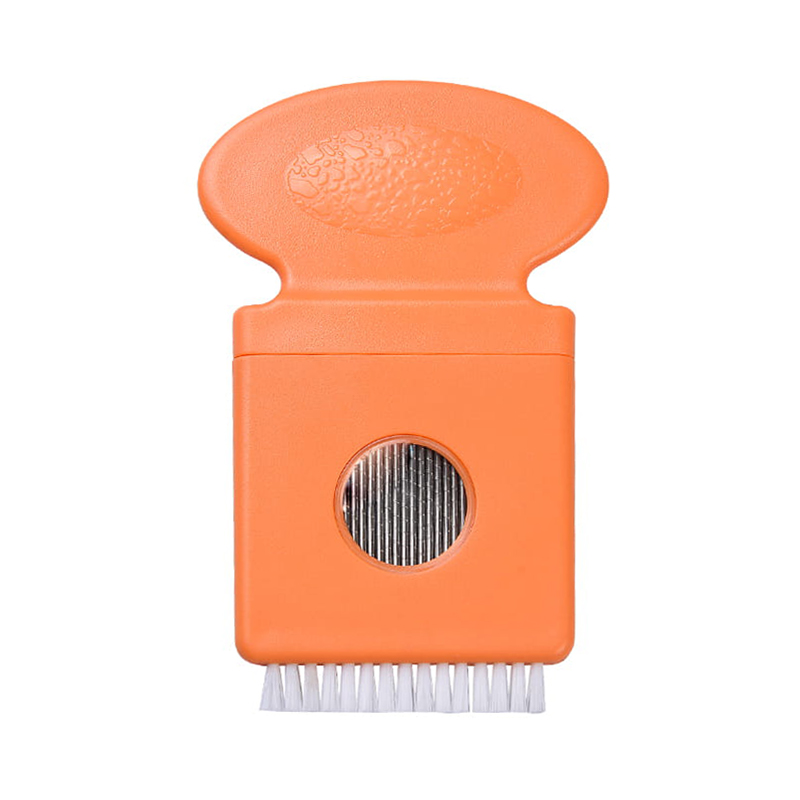
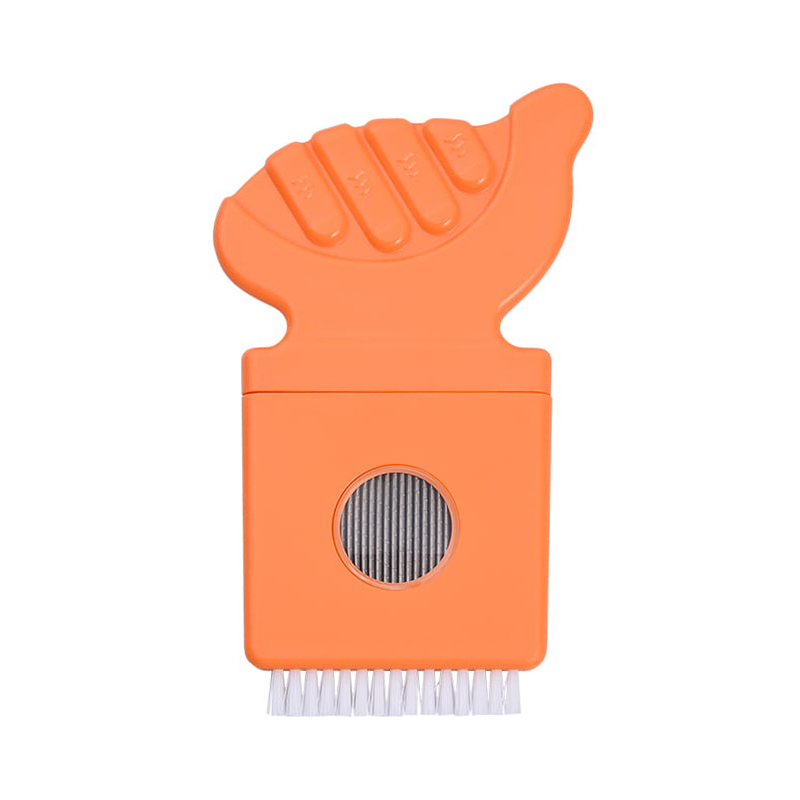
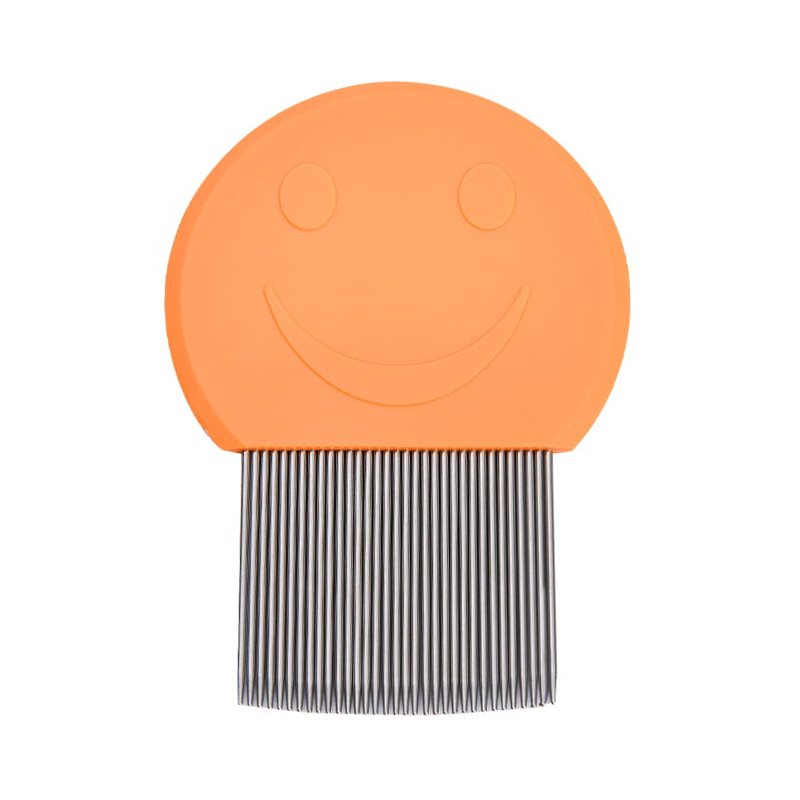
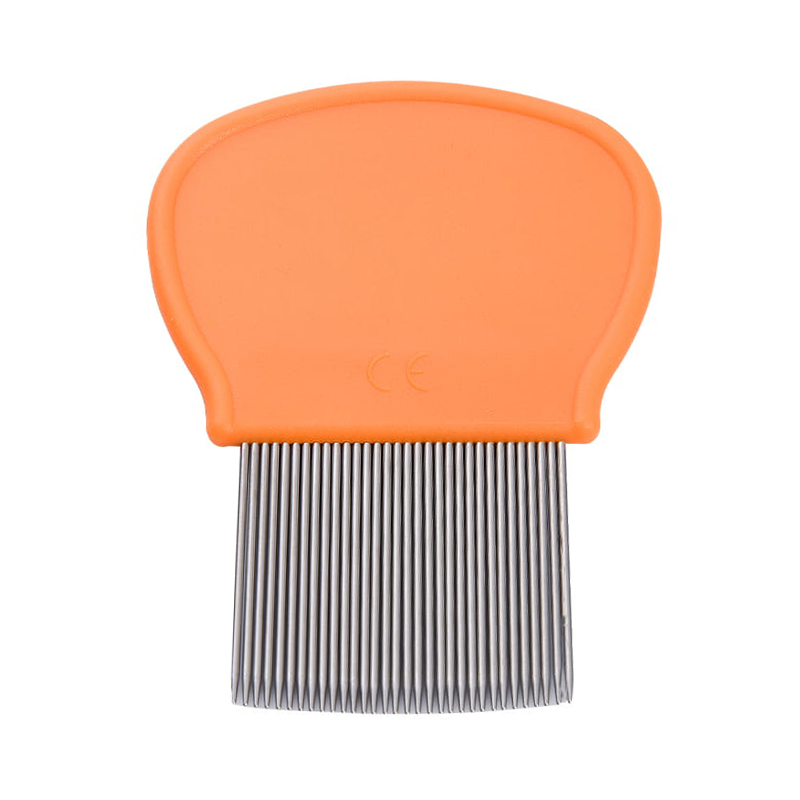
Multifunctional lice combs are popular tools designed to help individuals treat and manage head lice infestations. These combs are designed with fine teeth to help remove lice, nits (lice eggs), and other debris from the hair and scalp. Many multifunctional lice combs come with additional features, such as magnifying mirrors, or may be made from special materials that help in the effective removal of lice. While these combs are generally considered safe and effective, it is important to be aware of any potential side effects or risks associated with their use.
Risk of Scalp Irritation
One of the most common concerns when using a multifunctional lice comb is the risk of scalp irritation. This can occur if the comb is too harsh on the scalp or if the user applies too much pressure while combing. The fine teeth of the comb are designed to pull lice and nits from the hair, but if used too aggressively, they can cause redness, itching, or even minor cuts or scratches on the scalp. People with sensitive skin or conditions such as eczema or psoriasis may be particularly prone to irritation when using a lice comb. It is important to use the comb gently, ensuring that the teeth glide through the hair without pressing too hard against the scalp. If irritation occurs, it is recommended to discontinue use and consult a healthcare professional if necessary.
Infection Risks from Improper Use
Another potential risk of using a multifunctional lice comb is the possibility of infection. If the comb is not cleaned properly after each use, there is a risk that it could harbor bacteria or other harmful microorganisms, which can be transferred to the scalp or hair during subsequent use. This is particularly important if the comb is used on multiple individuals, as improper cleaning could lead to cross-contamination and the spread of infection. To minimize this risk, it is essential to clean the lice comb thoroughly after each use. This can typically be done by washing the comb with hot water and soap or using disinfectants to ensure that any bacteria or pathogens are removed.
Potential Hair Damage
Using a lice comb incorrectly can also lead to hair damage. The fine teeth of the comb can be harsh on the hair if used improperly, especially if the hair is tangled or dry. When combing through the hair to remove lice and nits, it is important to be gentle and avoid tugging on the hair too forcefully, as this can cause breakage or split ends. Additionally, individuals with long or thick hair may find it more difficult to use a lice comb effectively, which could result in excessive pulling or hair tangling. It is advisable to work through small sections of hair at a time to reduce the risk of damage, and applying a detangling product beforehand can help make the process smoother and gentler on the hair.
Risk of Overuse or Incorrect Frequency
Overusing a lice comb or using it too frequently can also pose risks. If a lice comb is used excessively, it may lead to unnecessary irritation of the scalp and hair. While it is necessary to comb the hair thoroughly to remove lice and nits, over-combing can exacerbate scalp sensitivity and increase the likelihood of scalp injury. It is important to follow the recommended usage guidelines provided by the manufacturer or a healthcare professional, as combing too often can be counterproductive. Typically, combing is most effective when done after using an anti-lice treatment, and it is recommended to comb the hair every 2 to 3 days until the infestation is gone.
Allergic Reactions to Materials
Multifunctional lice combs are typically made from a variety of materials, including plastic, stainless steel, or even special antimicrobial coatings. While these materials are generally safe for most people, there is a risk of allergic reactions for individuals who are sensitive to certain substances. For instance, some people may experience allergic reactions to the chemicals used in the coatings of the comb, such as antibacterial agents. If someone notices signs of an allergic reaction—such as swelling, redness, or itching—when using the comb, it is important to stop using it and consult a healthcare provider to identify the specific cause of the reaction. Choosing a lice comb made from hypoallergenic materials may be a safer option for individuals with known allergies.
Discomfort from Prolonged Use
Prolonged use of a multifunctional lice comb can also lead to discomfort, particularly in individuals who need to comb through long hair or those who are treating multiple people for lice. Using the comb for extended periods can lead to hand or wrist strain, especially if the comb is not ergonomically designed. This can make the process tedious and uncomfortable, particularly for caregivers or parents treating their children for head lice. To minimize discomfort, it is important to take breaks between combing sessions and to ensure that the comb is held in a comfortable, relaxed grip. Some multifunctional lice combs come with ergonomic handles to reduce the risk of hand strain and make the combing process more comfortable.
The Risk of False Sense of Security
One potential side effect of using a multifunctional lice comb is the risk of a false sense of security. While lice combing is an effective method of removing lice and nits, it may not be sufficient on its own to completely eliminate an infestation. Some people may believe that by simply combing their hair with a lice comb, they can completely resolve the issue, but lice can be persistent, and a comprehensive treatment plan often involves using both combing and other anti-lice products, such as shampoos or lotions. Over-reliance on combing alone could delay effective treatment, allowing the infestation to persist and spread. It is important to follow all recommended steps in the lice treatment process to ensure that the problem is fully addressed.
Potential for Unwanted Psychological Effects
In some cases, individuals dealing with a lice infestation may experience psychological stress or anxiety due to the stigma surrounding lice. While using a multifunctional lice comb can be an effective way to manage the condition, it may also contribute to feelings of frustration or embarrassment, especially in children. The time-consuming nature of combing, along with the perceived social stigma associated with having lice, can lead to emotional discomfort. It is important to approach lice treatment with patience and understanding, providing emotional support to individuals, particularly children, who may feel stressed or upset during the process. A calm and reassuring approach can help alleviate some of the negative psychological effects associated with lice infestations.