

 Español
  中文简体
中文简体
Introduction to Hair Lice Combs and Their Design
Hair lice are a common problem, especially among children, and getting rid of them requires proper treatment. One of the most effective ways to remove lice and nits (lice eggs) from the hair is through the use of a hair lice comb. These specialized combs are designed with fine teeth to remove the pests from the scalp and hair. While the primary function of these combs is to eradicate lice, the design of the comb also plays a crucial role in ensuring comfort and preventing any irritation to the scalp during use. A key feature that many manufacturers focus on is whether the comb has a rounded design to avoid causing discomfort or injury to the skin.
Understanding the Function of Hair Lice Combs
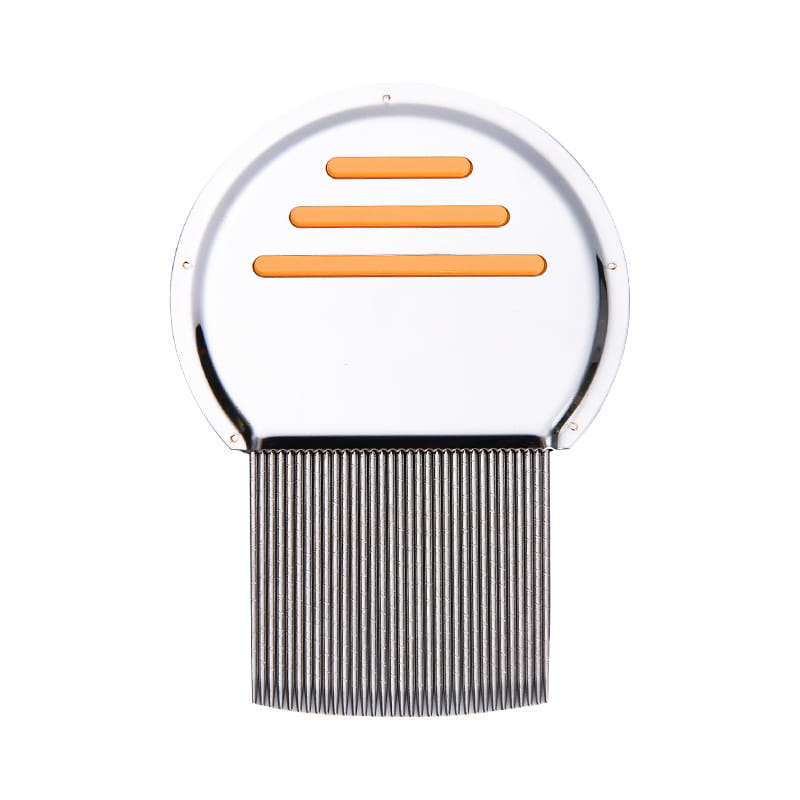
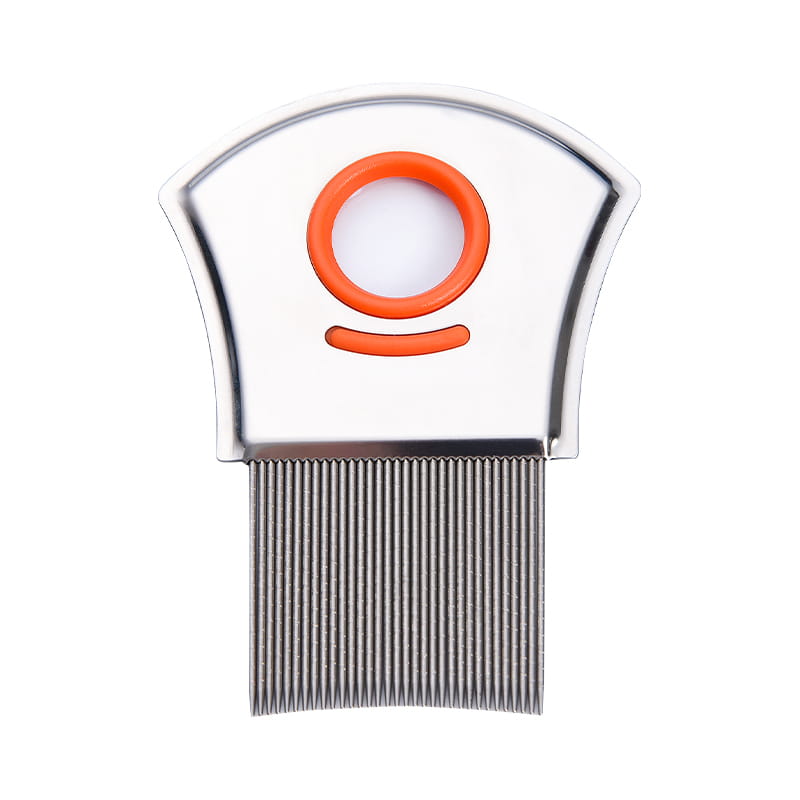
The primary purpose of a hair lice comb is to help remove lice and nits from the hair. These combs typically feature very fine, closely spaced teeth that are designed to catch and pull out lice and their eggs from the hair strands. Some combs have metal teeth, while others are made from plastic or other materials. The teeth of the comb are usually spaced far enough apart to allow the comb to glide through the hair but close enough to capture and remove lice and nits effectively. Many lice combs are designed with long, sturdy teeth to reach down to the scalp, ensuring thorough removal of both live lice and their eggs.
While removing lice is the primary concern, another important aspect is ensuring that the comb is safe and comfortable to use. The scalp can be sensitive, especially when dealing with infestations that may lead to itching, inflammation, or irritation. In such cases, using a comb with a design that minimizes discomfort is crucial for both the effectiveness of the treatment and the overall experience. This is where the rounded design of the comb’s teeth comes into play.
Why the Design of Hair Lice Combs Matters
When choosing a lice comb, the design is more than just a matter of aesthetics. The shape, size, and material of the comb can affect its ability to remove lice, as well as the comfort of the person using it. Traditional lice combs often have sharp or pointed teeth, which, while effective at removing lice, can also cause discomfort or even injury to the scalp if too much force is applied. The rounded design is intended to address this issue by reducing the likelihood of scratching or irritating the scalp during use. In addition, the smoothness of the teeth’s edges can make the comb more gentle and pleasant to use, especially when dealing with sensitive skin.
Hair lice combs are typically used over an extended period, often several days in a row, to ensure that all lice and nits are removed. Given this, comfort becomes an essential factor in determining whether the treatment will be effective. A comb that causes irritation can discourage the person from using it properly, which may lead to incomplete treatment and a recurrence of the infestation. Therefore, the rounded design of lice combs plays an important role in facilitating regular and effective use.
Design Features of Rounded Hair Lice Combs
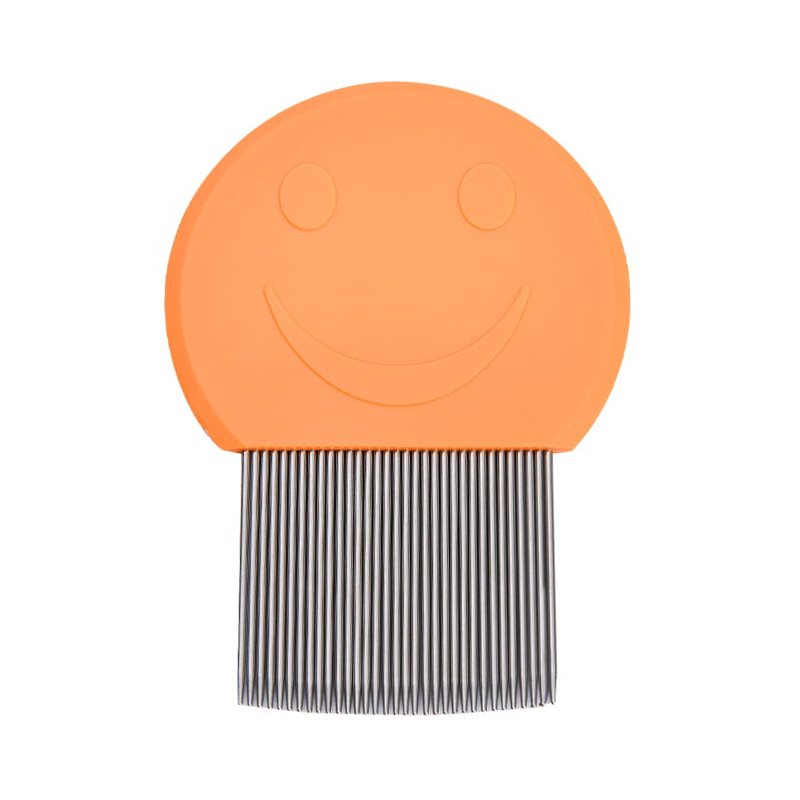
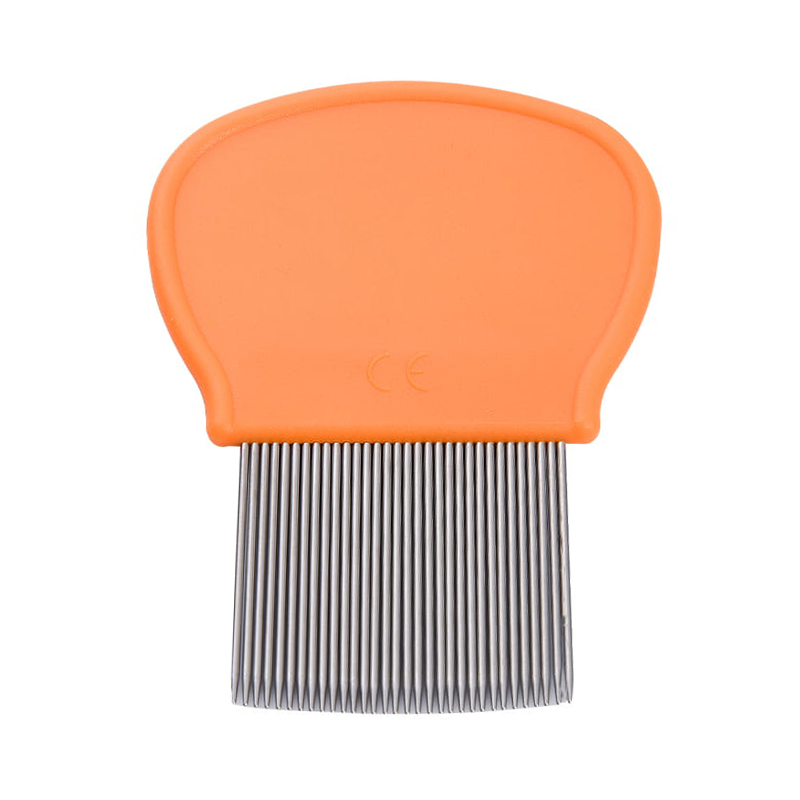
The rounded design of hair lice combs refers to the gentle curvature or smoothness of the comb’s teeth, which are specifically designed to prevent skin irritation. This design is not only about making the teeth of the comb feel smooth but also about ensuring that the comb can glide through the hair without causing discomfort. The rounded teeth allow the comb to pass through the hair more easily, reducing the risk of snagging or pulling on tangles, which can lead to scalp irritation or hair breakage.
In addition to the rounded edges, many modern lice combs feature teeth that are spaced in a way that maximizes both comfort and effectiveness. Some combs have teeth that are wider at the base and gradually become finer toward the tip, allowing the comb to work through the hair more efficiently while also minimizing the pressure on the scalp. The overall structure of the comb is also important—comb designs that are ergonomically shaped make it easier to hold and maneuver, further enhancing comfort during use.
Benefits of Rounded Teeth on Hair Lice Combs
One of the most significant benefits of having rounded teeth on a hair lice comb is the reduced risk of scalp irritation. The scalp is a sensitive area, and forceful scraping with sharp-edged teeth can cause redness, tenderness, or even abrasions. Rounded teeth are much gentler on the skin, ensuring that the comb can be used for longer periods without causing discomfort. This is particularly beneficial for individuals with sensitive or delicate skin, such as young children, who may be more prone to irritation.
In addition to preventing irritation, rounded teeth can help avoid scratching the scalp, which can be problematic when dealing with lice infestations. Lice are often associated with intense itching, and excessive scratching can lead to open sores, which increase the risk of infection. By using a lice comb with rounded teeth, the likelihood of further aggravating the scalp is minimized, providing a safer and more comfortable solution to lice removal.
Another advantage of rounded teeth is that they can improve the overall effectiveness of the lice removal process. Combs with sharp teeth may catch on tangles and pull hair, causing pain and discomfort. Rounded teeth are smoother and less likely to cause the comb to snag, allowing for a smoother, more efficient process. This design reduces the chances of hair breakage, which is important for preserving the health of the hair, especially when combing through delicate or fine strands.
Materials Used for Rounded Lice Comb Teeth
The material of the lice comb also plays a significant role in its effectiveness and comfort. Common materials used for the teeth of lice combs include plastic, metal, and stainless steel. Plastic combs are lightweight and easy to handle, but they may not be as durable or effective in removing nits and lice as metal combs. Metal combs, on the other hand, are more robust and are often preferred for their ability to remove lice more efficiently. However, sharp metal teeth can be uncomfortable if not properly rounded, and they may lead to scalp irritation or injury if too much pressure is applied.
Stainless steel is a popular choice for lice combs due to its durability and resistance to rust. Stainless steel combs often have finely spaced teeth that can catch even the smallest nits while still being gentle enough on the scalp. Many high-quality stainless steel lice combs feature rounded teeth to ensure that they provide a balance of effectiveness and comfort. The rounded stainless steel teeth are especially useful for people who need to use the comb over several days or for those with sensitive skin, as the material is less likely to cause irritation.
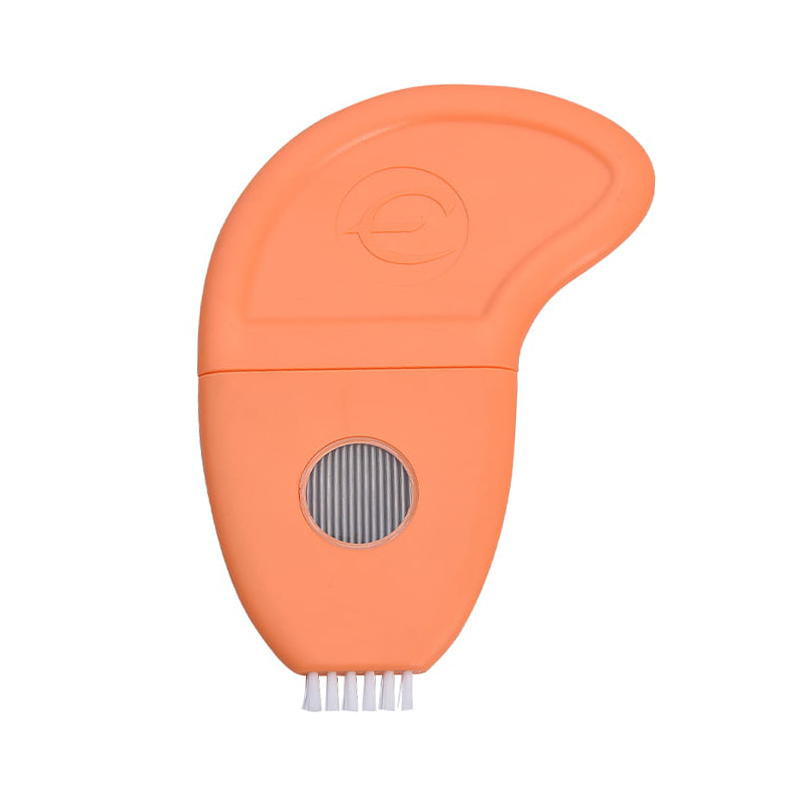
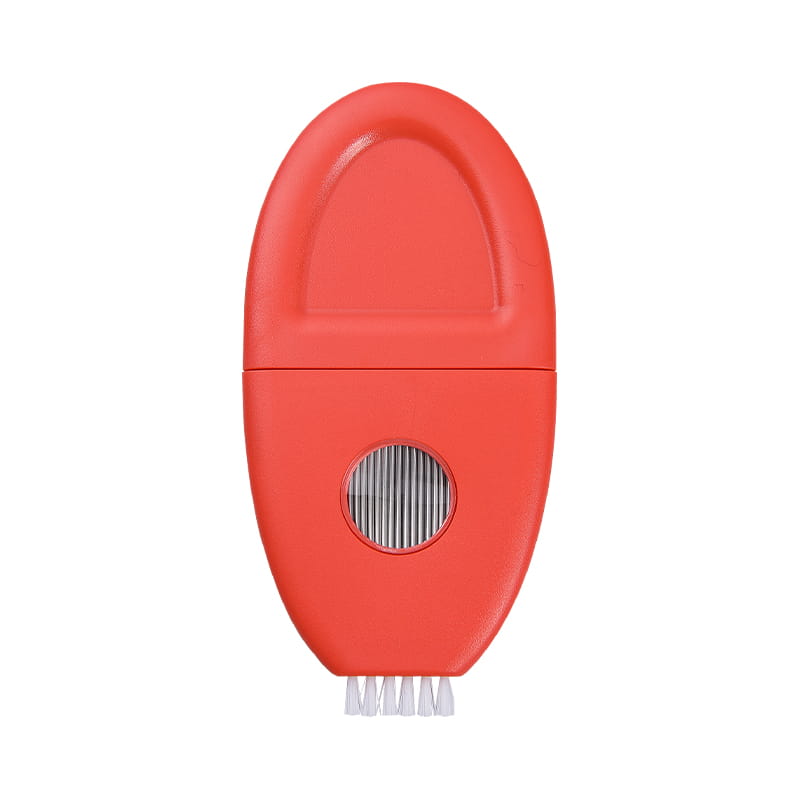
In some cases, combs are made from a combination of plastic and metal. For example, plastic handles may be combined with metal teeth for added strength and precision. These combs can also feature rounded teeth made from softer plastic or rubber, further increasing comfort during use. Regardless of the material, the rounded design remains the key factor in preventing discomfort and irritation during the lice removal process.
Ergonomics and Handle Design in Lice Combs
In addition to the rounded teeth, the handle of a hair lice comb is another important aspect of its overall design. An ergonomically designed handle can make a significant difference in how comfortable the comb is to use, especially when dealing with longer hair or when combing through a full head of hair over a prolonged period. Many lice combs feature handles that are curved or contoured to fit comfortably in the hand, reducing strain on the fingers and wrists during use.
Some lice combs have soft rubber grips on the handles, which provide additional comfort and prevent slipping during use. This is particularly important when dealing with children, as the comb needs to be held steadily while the child remains still. A secure, comfortable grip can make the process more efficient and less stressful for both the person performing the treatment and the person receiving it.
Another consideration when it comes to handle design is the length and shape of the comb’s body. Longer handles provide greater control, which can be helpful for reaching the scalp at the back of the head or behind the ears. On the other hand, shorter handles may be more suitable for precision work, such as when targeting specific areas of the hair. Some combs even feature dual-ended designs, with one side offering fine teeth for nit removal and the other side offering wider teeth for detangling or general lice removal.
Choosing the Right Hair Lice Comb for Comfort
When selecting a lice comb, it’s important to choose one that strikes the right balance between effectiveness and comfort. While the rounded teeth of the comb are critical for preventing irritation, other factors such as the material of the teeth, the shape of the handle, and the overall design of the comb should also be taken into consideration. If the comb is too harsh on the scalp, it may cause discomfort and make it difficult to complete the lice removal process effectively. Similarly, if the teeth are too wide or spaced too far apart, they may not be able to remove all of the lice and nits, reducing the effectiveness of the treatment.
In addition to comfort, it’s important to select a lice comb that is designed for your specific needs. If you have fine or thick hair, you may require a comb with finer teeth to ensure that the lice are thoroughly removed. For children, look for combs with gentle, rounded teeth that will not scratch or cause discomfort. For individuals with sensitive skin, selecting a comb made from soft, non-irritating materials, such as stainless steel or soft plastic, can help ensure a more comfortable lice removal experience.