

 Español
 中文简体

An importer pulls one comb from a first shipment, runs it through wet hair, and finds two problems in ten seconds: strands caught between the teeth, and a pin bent out of line. The price was fine. The order is now a return.
That scene explains why sourcing a China lice comb is less about finding a factory than about finding the right kind of factory. A lice comb is a simple object and a precision object at once. Tooth spacing, pin diameter, tip polish, and handle stiffness have to hold across hundreds of thousands of units, not just across one sample. Buy from whoever controls the pin, put the numbers in writing, and treat unit price as the last filter rather than the first one.
What a China Lice Comb Actually Is in a Purchase Order
Search traffic for this phrase splits into two groups with very little in common. One is a parent or school nurse who wants a single comb this week. The other is an importer, pharmacy chain, or pet brand buying between fifty thousand and several million pieces a year. The second group is not shopping; it is buying a specified manufactured item that will be sampled, inspected, and reordered.
Before quotations go out, sort the category into three purchase types:
- Detection and removal tools. Fine metal teeth, tight and even spacing, often a 3x lens. They compete on how reliably they trap nits and eggs.
- Comfort and grooming combs. Larger handles, rounded pins, anti-slip grips. They compete on how a twenty-minute session feels on the scalp.
- Pet combs. Double-sided flea combs and tightly spaced deworming combs sold through pet channels rather than pharmacy shelves.
Few containers carry all three. Deciding which one your program is settles the material, the mould, the packaging, and the price floor you should reasonably accept.
Why the Lice Comb Cluster Sits in Yuyao, Zhejiang
Categories like this concentrate where moulding, wire forming, polishing, and assembly sit within a few kilometres of each other. For lice combs, one of those places is Yuyao in Ningbo, Zhejiang, on the south side of the Hangzhou Bay Bridge and along National Highway 329, close to the Langxia fur and leather market.
We are one of the factories in that belt: a plant of about 3,600 square metres that began producing stainless steel parts in 2003 and lice combs in 2008. Those two dates are commercial information, not decoration, because they explain why the same supplier can quote a finished comb and the loose pins that go inside it.
Continuous production experience, as of 2026:
Floor space and start dates prove nothing by themselves, but they answer a practical question: is the supplier a converter assembling purchased parts, or a manufacturer forming its own? A factory that has been running stainless wire for more than two decades usually has firm opinions about pin straightness and tip polishing, which is exactly where returns come from.
Mapping the Range Before You Write an RFQ
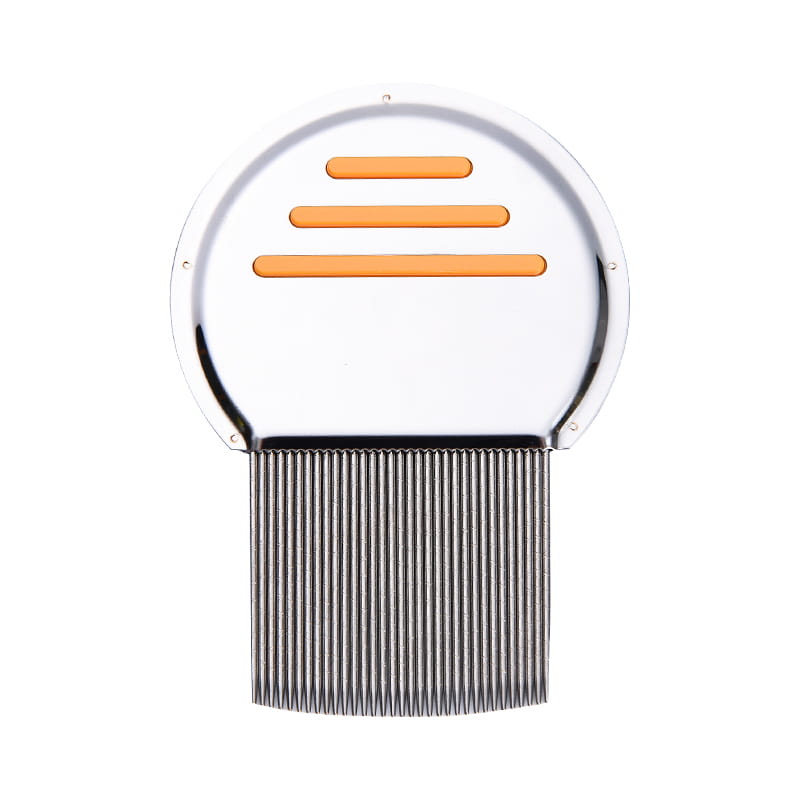
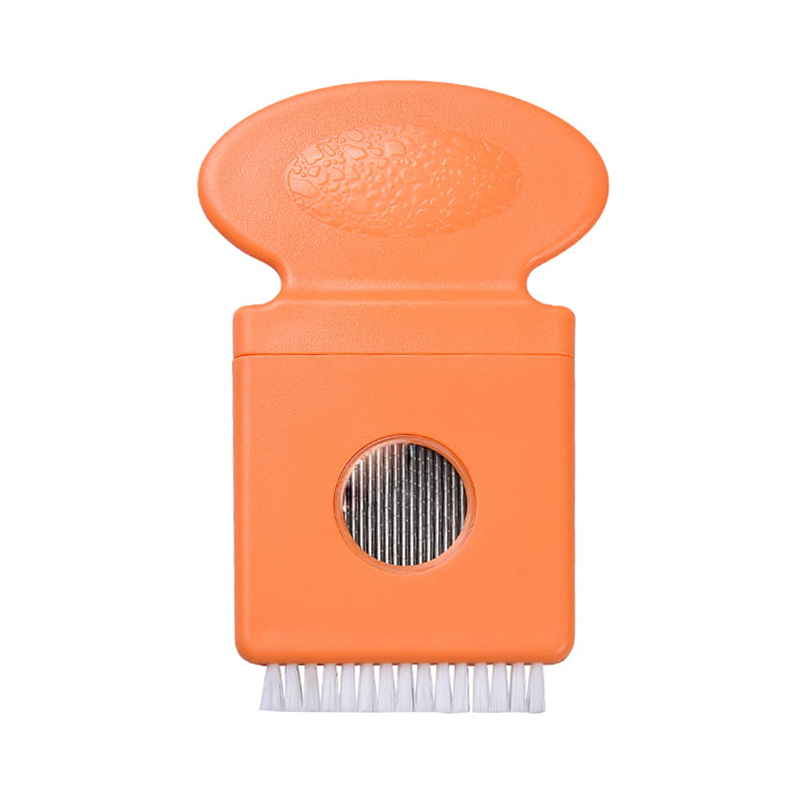
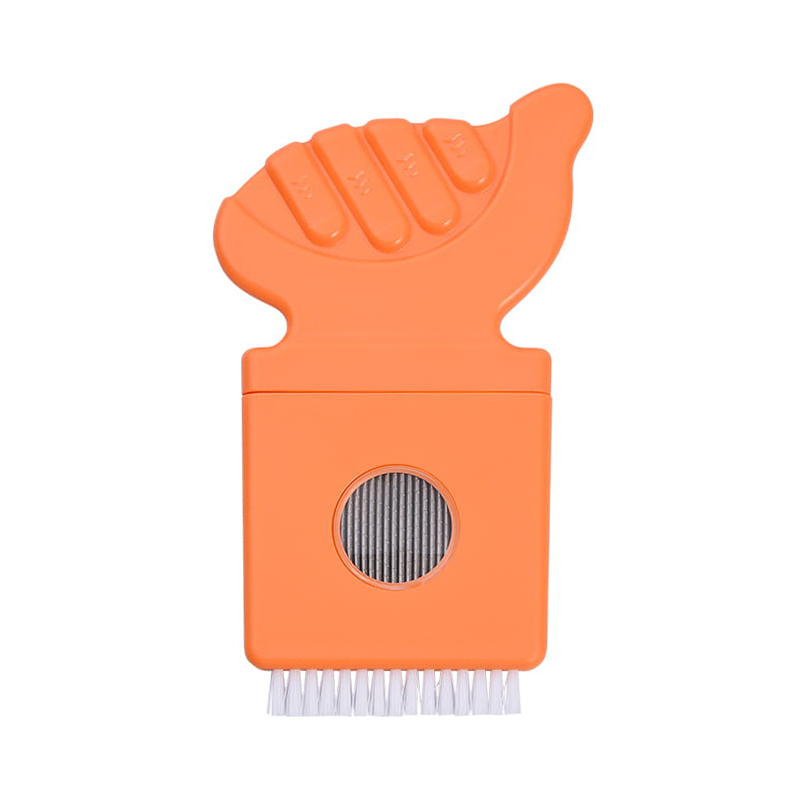
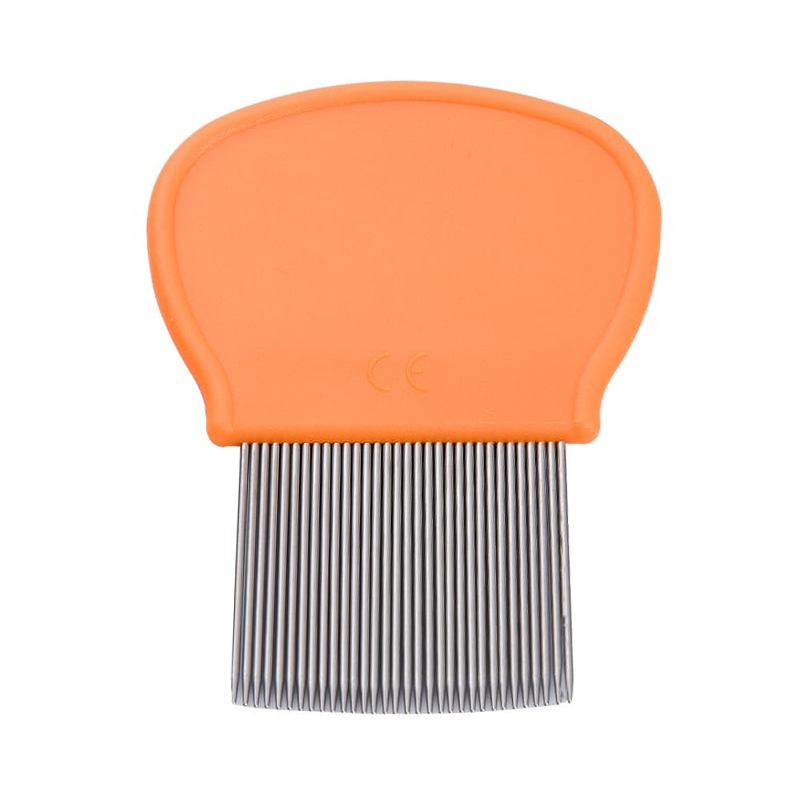
Ranges are wide because the category is defined by use, not by one standard shape. Our own catalogues cover full stainless steel, all plastic, large handle, long handle, magnifying glass, small needle, multi-function, and pet families, plus bare needles supplied as components.
- Lice comb architecture
- By material
- Full stainless steel body and pins
- All plastic, anti-slip and flexible
- By handling
- Large handle, 35-tooth and shaped handles
- Long handle, plain or anti-slip
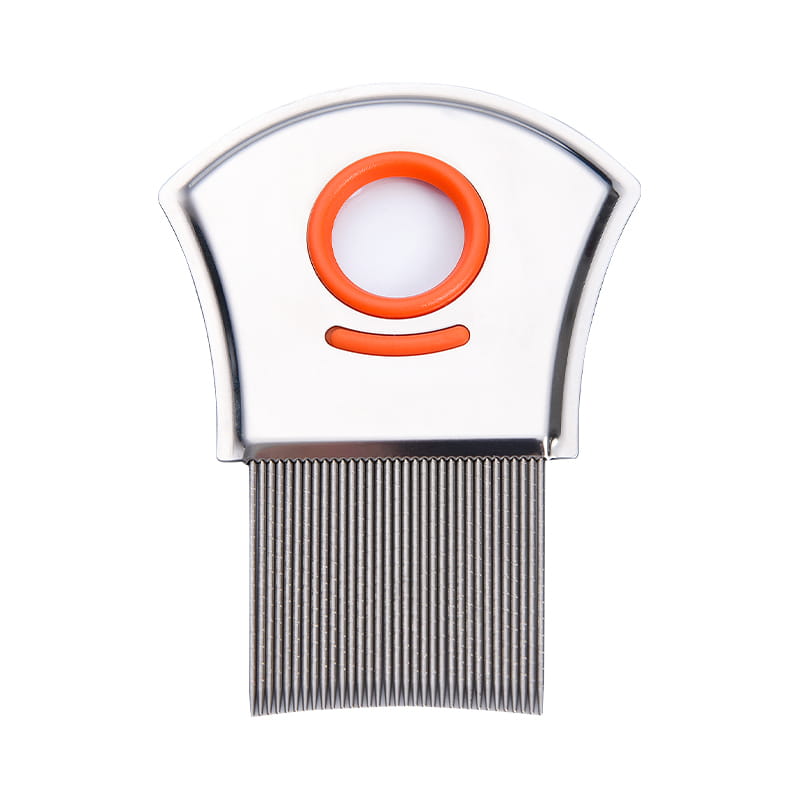
- Long handle with magnifying lens
- By optics
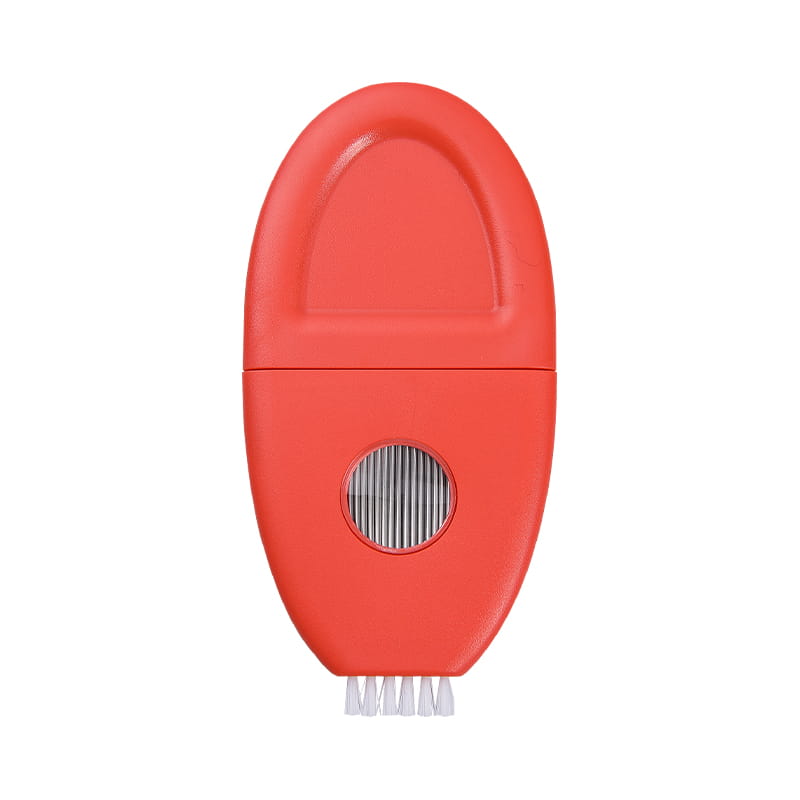
- 3x magnifier, plastic body
- 3x magnifier, stainless body, ergonomic handle
- By pin profile
- Small needle and fine pin, child-friendly, painless tips
- Dense tooth, including baby comb
- By user
- Human: adult, child, infant
- Pet: cat and dog, rabbit
- Components
- Stainless steel needles: smooth, striped, double rebar, massage pins
- By material
Two patterns matter when you write the request. First, dense tooth appears as its own family and again inside the all-plastic family, so tooth density is a specification applied across materials rather than a product line. Second, the same handle, lens, or pin profile reappears in several families, which is normal for a mould-based business: money goes into tooling, and tooling gets recombined.
| Family | Material | Defining feature | Main buyer |
|---|---|---|---|
| Full stainless steel | Steel body and pins | Rigidity, easy cleaning, heat tolerance | Pharmacy and hygiene programs |
| All plastic | PP or ABS | Low unit cost, colours, anti-slip grip | Retail and promotional |
| Large handle | Plastic or steel | Grip for longer self-use sessions | Family and school kits |
| Long handle | Steel pins, plastic handle | Reach through long hair, optional lens | Home care and salon |
| Magnifying glass | Acrylic lens, plastic or steel body | 3x enlargement for egg checks | Clinic and pharmacy |
| Small needle | Fine steel pins | Comfort on sensitive or young scalps | Child-focused retail |
| Multi-function | Mixed | Removal plus general care | Travel and gift sets |
| Pet | Steel pins, plastic or wooden body | Two-sided spacing, deep coat reach | Pet specialty channels |
Materials and Tooth Geometry Decide Everything
When a lice comb fails, the cause is almost always the metal or the geometry. Ask for both in numbers, not adjectives.
Pins
The pin is the working part. For stainless pins, request wire diameter, tip radius after polishing, and straightness tolerance along the working length. A pin that is 0.05 mm too thick closes the gap to its neighbour; a tip polished flat rather than rounded drags the scalp. A supplier that publishes a component list with smooth, striped, double-rebar, and massage profiles, such as our stainless steel lice comb needle range, is normally forming those pins itself instead of importing them.
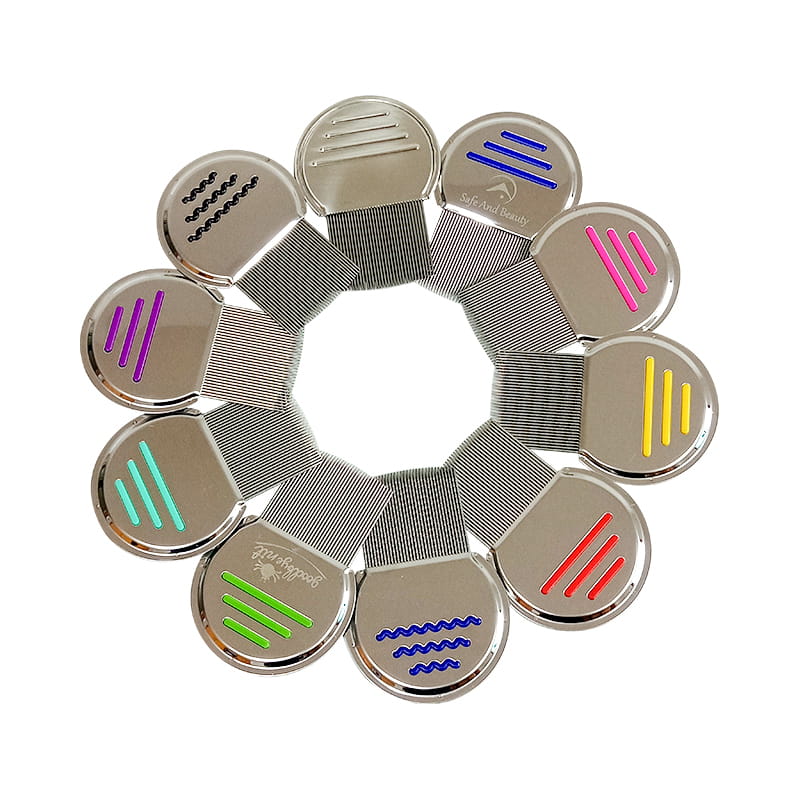 Tough Stainless Steel Fine-Toothed Lice Comb with 33 NeedlesFor pin-focused quality checks, this comb lists 33 laser-welded stainless needles, 0.08-0.1 mm spacing, rounded tips, and an ergonomic handle.View Product →
Tooth spacing and flexibility
Spacing is a range, not one ideal number: tight enough to trap a nit at the gap, open enough to pass through wet hair without cutting. Take a caliper and measure the first, middle, and last five teeth on ten combs from the same carton. Variation inside a carton is the real signal; a single perfect sample means very little.
Body and lens
Plastic bodies are usually PP or ABS, and anti-slip performance comes from the material and moulding rather than a surface coating. On magnifier models, confirm the lens material, check that magnification really is 3x at a working distance of a few centimetres, and look for distortion at the edges. A warped lens is worse than no lens, because users trust what they see through it.
Small-Needle and Child-Friendly Combs: Comfort Is a Specification
Combs sold as painless, child-friendly, or comfortable-handle use thinner pins and a lighter body. The engineering trade-off is stiffness. Thin pins catch nits well but deform when hair is wet and tangled, so ask for pin diameter, wire grade, and whether the wire is work-hardened during forming. A useful check is a two-hundred-stroke test on a wet wig: a pin that has permanently splayed by the end will generate returns from parents, not complaints from buyers.
For sensitive scalps, tip geometry matters more than pin count. Rounded, polished fine pins are what a painless claim is physically made of.
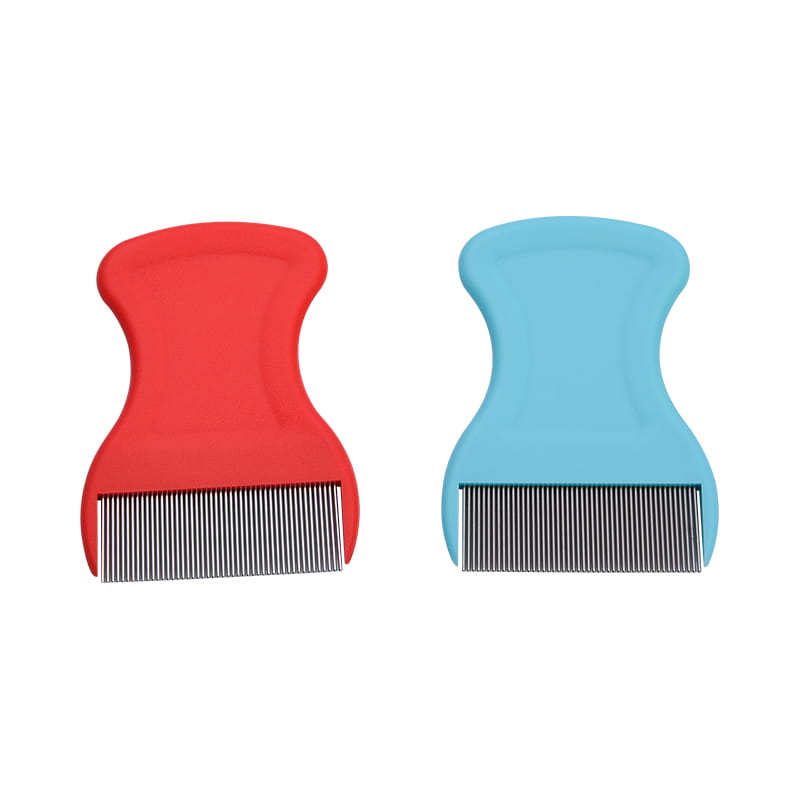 Small Needle Painless Fine-Pin Lice Comb with 48 NeedlesFor sensitive scalps, this fine-pin comb lists 48 stainless steel pins at 0.11-0.13 mm spacing, a PP handle, and rounded tips for home lice removal.View Product →
Pet Combs Are a Separate SKU, Not a Line Extension
Flea combs for cats and dogs are engineered differently. Teeth reach deeper into the undercoat, spacing is often different on the two sides of one body so a single tool handles short and long coats, and rounded tips are non-negotiable because animals pull away. The channel is different too: pet combs sell through pet specialty, veterinary, and e-commerce channels, with carton counts and packaging sizes that rarely match the human category.
If your program covers both, keep the quality checks separate. For pet combs, test tip safety on a rough fabric and confirm that the handle joint survives a drop onto a hard floor, since the comb is usually used at floor level or on a grooming table.
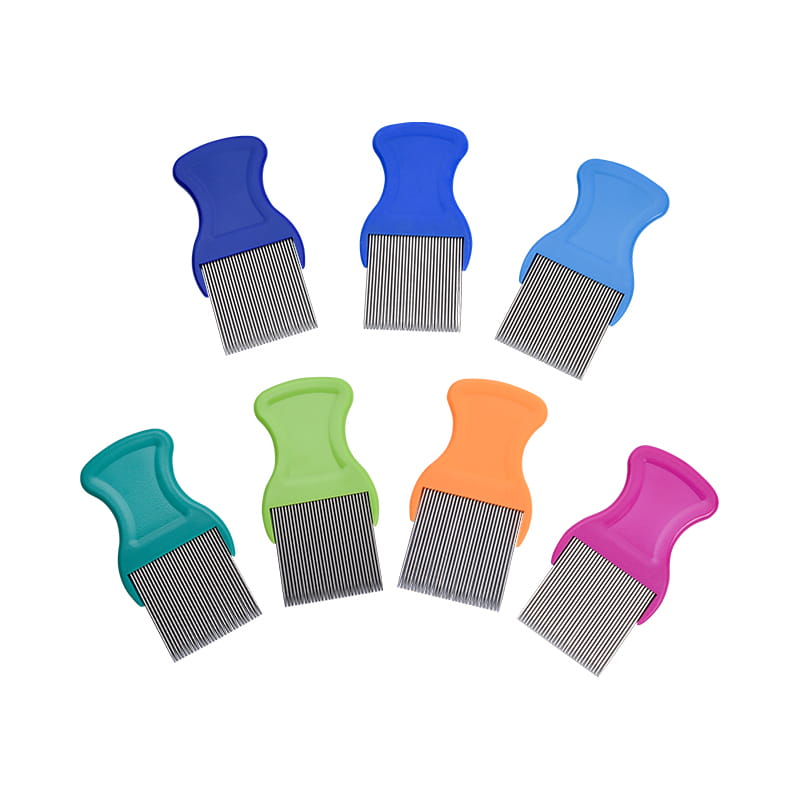 73mm Double-Sided Stainless Steel Pet Flea Comb with 57 PinsFor pet grooming checks, this double-sided comb lists fine and wide stainless steel teeth, 0.1-0.15 mm spacing, and 57 pins for removing fleas and ticks.View Product →
Moulds, Patents, and Private Label
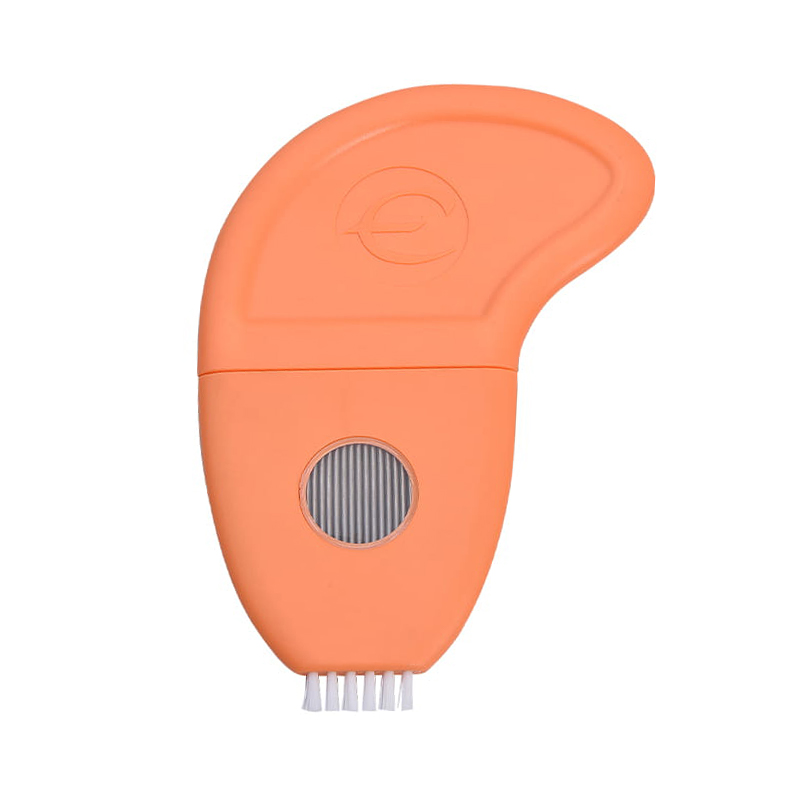
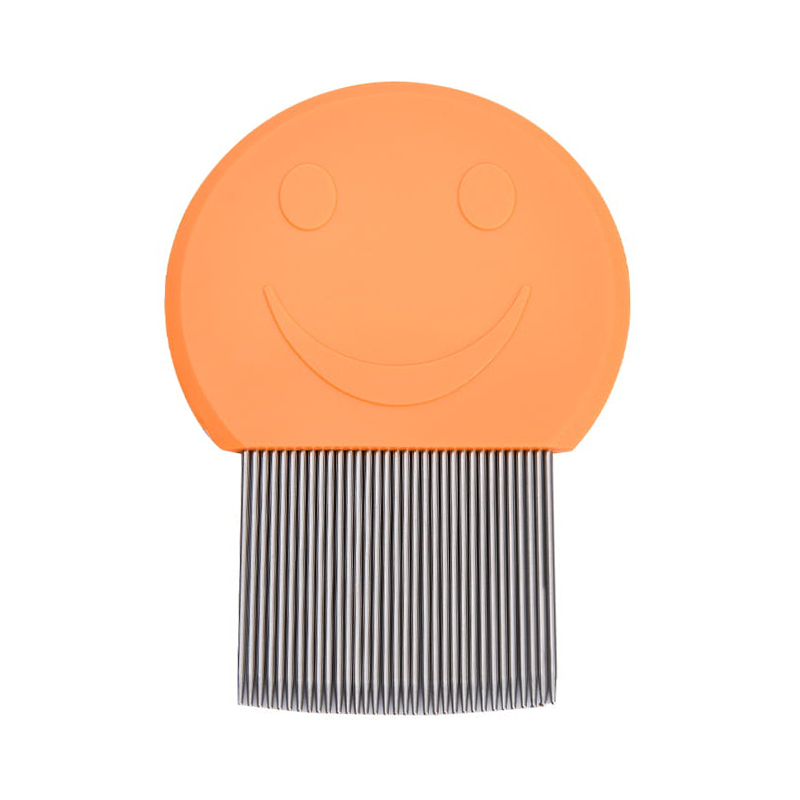
Custom work splits into two cost paths. If the shape already exists, such as a 35-tooth large handle comb, a snail-shaped magnifying comb, or a curved smiley handle, you pay for colour, logo, and packaging, and lead time is short. If the shape does not exist, you pay for tooling, then sampling rounds, then production, and the first order carries all three.
Some models carry design or appearance patents held by the factory. Knowing that is useful, but it is not a substitute for your own freedom-to-operate review in the market where you intend to sell the shape. The same caution applies to artwork and characters.
Language and packaging belong in the brief rather than at the artwork stage. Suppliers exporting to South America, North America, and Europe routinely handle English and Spanish labelling; if you also need Portuguese or French, raise it before the first mock-up is approved.
Quality Checks Worth Running Before You Commit
- Caliper test. Measure tooth spacing at both ends and the middle of ten combs from one carton, and record the range, not the average.
- Nylon drag. Pull the comb through fine nylon. Snags indicate a tip polish problem that will surface as scalp complaints.
- Wet comb-through. Use a wig with conditioner and a known load of debris, then count strokes until the comb clears cleanly.
- Bend and release. Permanent deformation under light force means the pin wire is too soft.
- Lens check. View a printed ruler at working distance; edges should stay sharp and magnification should match the claim.
- Humidity or salt-spray check. Relevant for stainless models sold in humid coastal markets.
- Drop and carton test. Handle joints and blister packs fail earlier than most buyers expect.
Ask for reports, not descriptions. A durability claim is only useful when a test sits behind it, which is the point of a write-up such as how the durability of a tough stainless steel louse comb is verified. The same applies to a certificates page: request certificate numbers and scopes, and read them.
Cost, Capacity, and How to Size the First Order
Capacity numbers are the fastest way to judge whether a supplier can absorb your program. Our own figures are specific: about 36 million stainless steel needles per month, about 1 million assembled lice combs per month, and annual output above 4,000 tons. Read them as a ratio. Metal forming is roughly an order of magnitude larger than comb assembly, so pins scale easily and the assembly line is the constraint.
- Large programs fit naturally at this scale; a million combs a month is routine rather than heroic.
- Trial orders of a few thousand pieces are easier on existing moulds and standard colours than on a new tool.
- Production slots tighten before school-term buying seasons and before Chinese New Year, so confirm the ship window, not only the price.
- Ask for the packing standard in the quotation, inner box, master carton, and pallet. Carton configuration often moves landed cost more than a two-cent unit price difference.
Published lead times are rarely meaningful, so treat delivery as something to settle in writing: sample approval, tooling completion, first article approval, production start, and inspection date.
The short version: a lice comb has two hard specifications, pin geometry and material consistency, and both are decided at the factory long before the carton is packed. Choose a supplier with its own pin and mould capacity, put tooth spacing and tip polish into the specification document, measure them when goods arrive, and the price conversation becomes far simpler. Order samples across the metal, plastic, magnifier, small-needle, and pet lines you plan to sell; held side by side, the differences stop being theoretical.