

 Español
  中文简体
中文简体
The bottom line is that a dense-tooth lice comb does work for removing lice and nits, but only when the tooth spacing, material and combing technique are all aligned. In our experience manufacturing lice combs for international buyers, the biggest mistake is to rely on the term "dense-tooth" without checking actual specifications. This article explains how to identify a reliable dense-tooth comb and use it correctly.
Why Tooth Spacing Is the First Thing to Check
Head lice eggs are not easily dislodged by a regular wide-tooth comb. They are firmly attached to the hair shaft with a glue-like substance. To catch and pull them out, the gap between teeth must be small enough to slide under the egg. Industry practice suggests that a spacing of roughly 0.09 to 0.15 mm is effective for nit removal. Wider gaps allow some eggs and nymphs to slip through, while gaps that are too narrow make it hard to pass the comb through hair and may irritate the scalp.
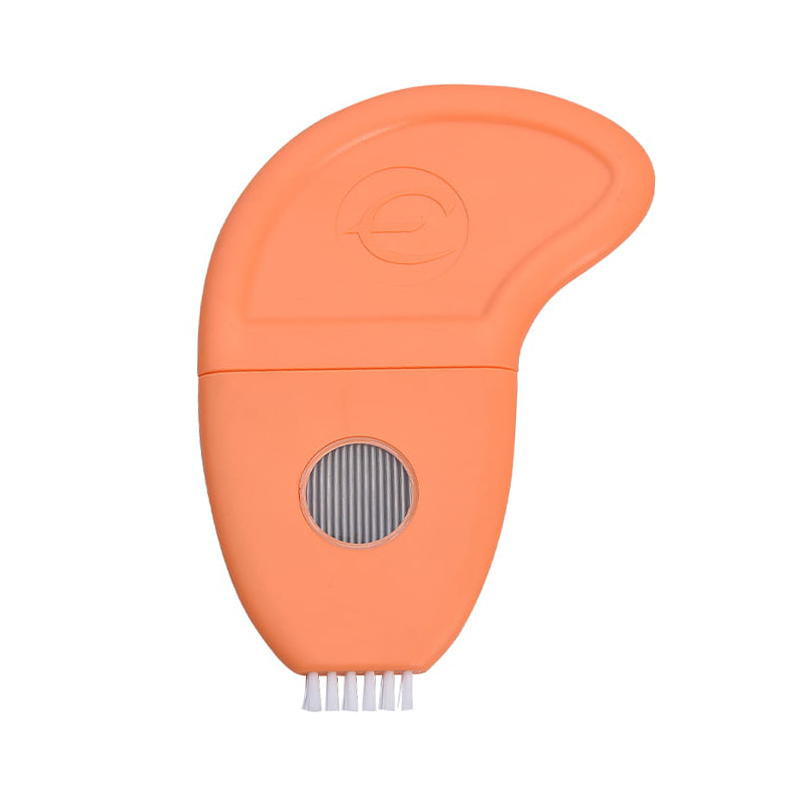
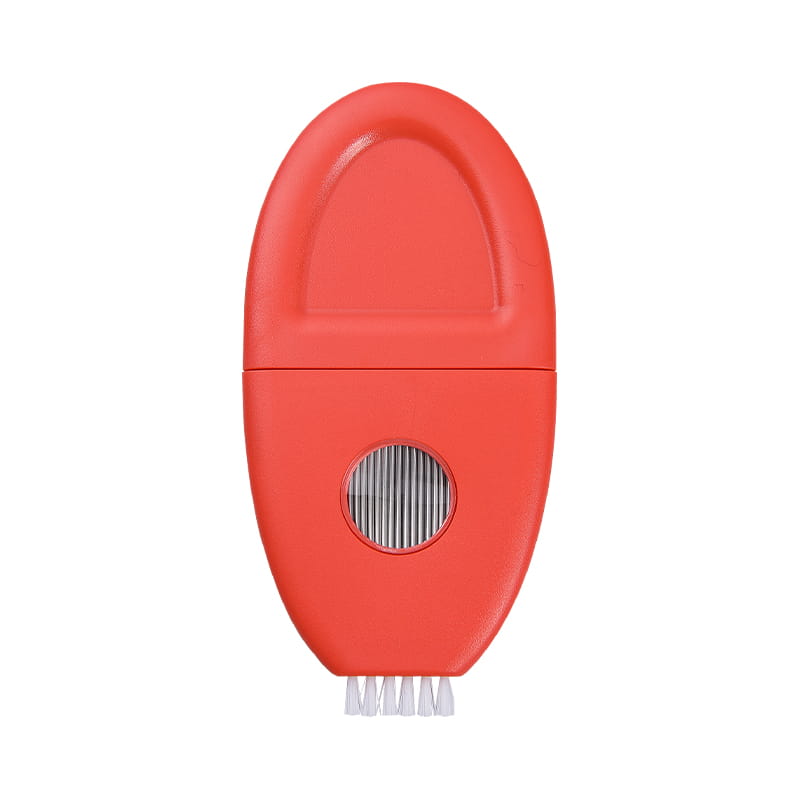
This is why we place such a high priority on controlling the tooth spacing tolerance. Stainless steel needles can keep a consistent gap because metal does not bend easily under normal force. Plastic combs require more precise molds to avoid spacing deviations, especially after repeated use. For buyers who prefer a plastic option, the Flexible Plastic Dense-Tooth Lice Egg Comb offers a practical balance between tooth density and flexibility.
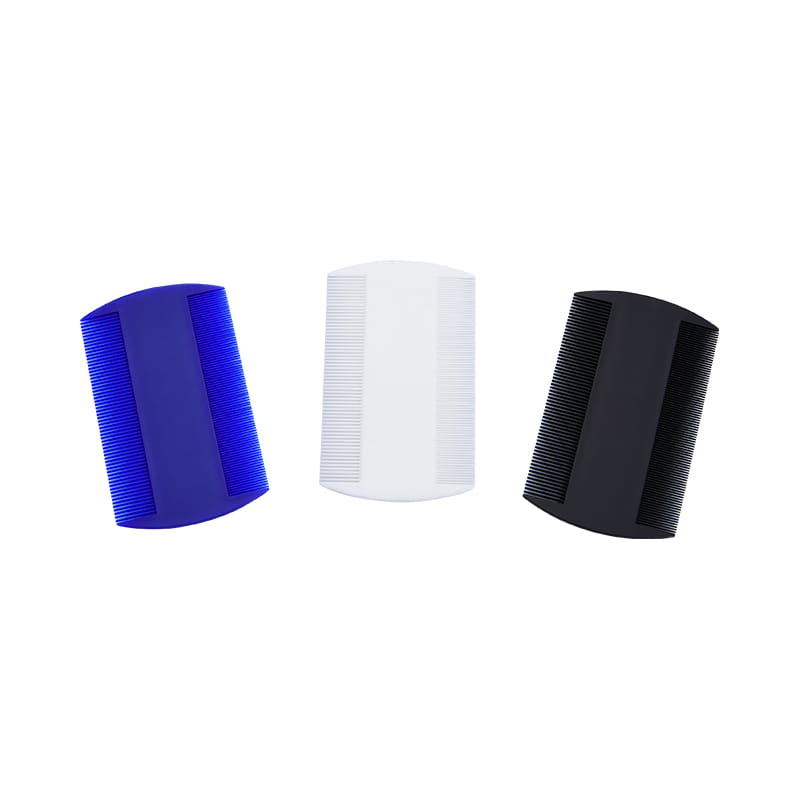 Flexible Plastic Dense-Tooth Lice Egg Comb for Sensitive ScalpsThis all-plastic comb features fine, dense teeth with 86/41 pins, offering a practical balance between tooth density and flexibility. It removes lice eggs effectively while being gentle on sensitive scalps, and its lightweight, easy-to-clean design suits daily use and travel.View Product →
We often meet customers who evaluate a comb by the number of teeth. However, the tooth count depends on the width of the comb body and the diameter of the needles. The same tooth count spread across a wider surface gives a larger gap, while a narrower body produces a smaller gap. Therefore, always ask for the actual spacing specification instead of comparing only the tooth count.
What to Look for in a Dense-Tooth Lice Comb
When selecting a dense-tooth lice comb, you can evaluate it from a few practical angles:
- Spacing and tooth tips: Check whether the product documentation gives a clear spacing value and whether the tooth tips are rounded or polished to reduce scalp irritation.
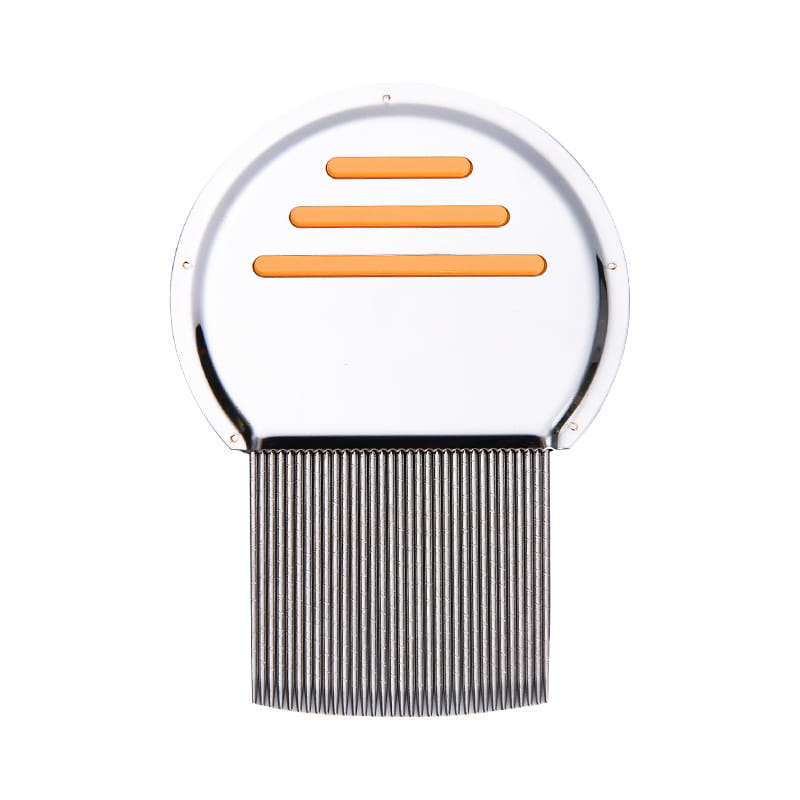
- Material and weight: Stainless steel combs are corrosion-resistant and easy to clean, making them suitable for repeated use. Plastic combs are lightweight and lower cost, which suits travel or single-use situations.
- Handle length: Long and oversized handles make the comb easier to hold, especially when working with long hair or pet coats.
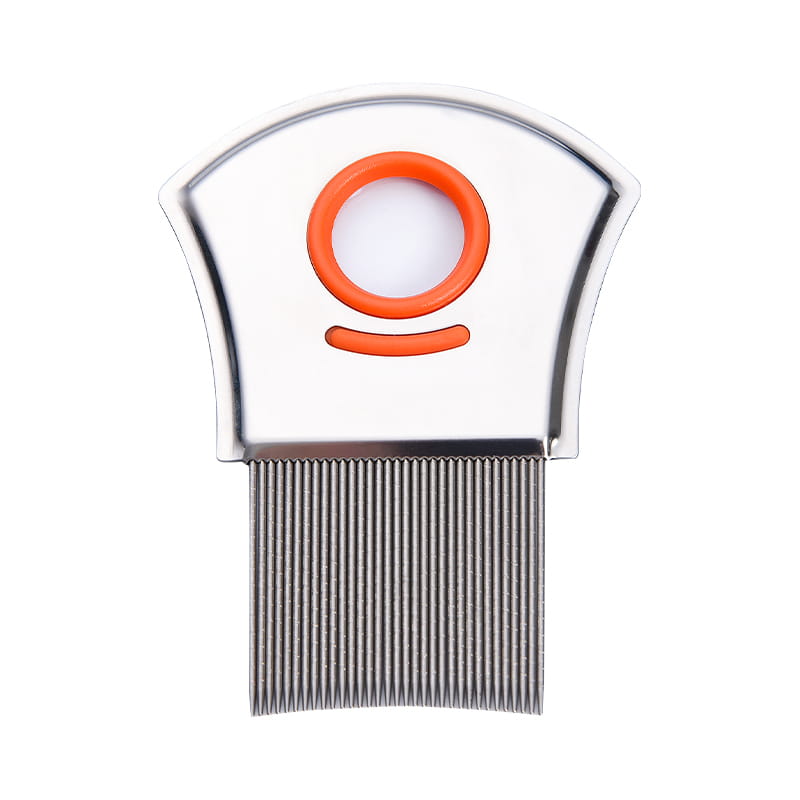
- Additional features: Non-slip handles, magnifying lenses and multifunctional designs can improve the user experience, but they should never compromise the core dense-tooth function.
- Needle fixation: Most dense-tooth combs rely on a row of stainless steel needles. The way those needles are attached determines whether the comb will lose a needle or misalign after heavy use.
For infants and people with very sensitive scalps, a specialized design is preferable. The Baby Lice Comb has a more uniform tooth spacing and softer tips, which helps remove nits while protecting delicate skin. This type of product is easier to use on fine, thin hair as well.
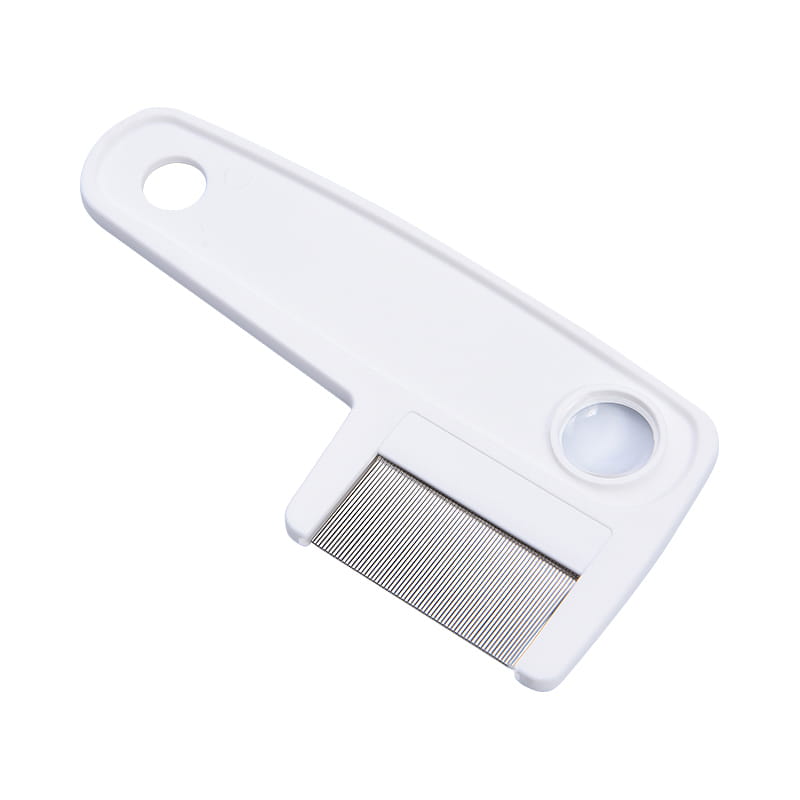 Baby Lice Comb with Magnifying Glass and Fine Brass TeethDesigned for infants and sensitive scalps, this comb has uniform 0.05–0.06mm tooth spacing and softer tips. The ergonomic handle and built-in 3x magnifier aid precise nit removal on fine hair, and the durable materials allow safe disinfection without rust or deformation.View Product →
The table below compares the main purchasing considerations for stainless steel and plastic dense-tooth combs.
| Criterion | Stainless Steel Comb | Plastic Comb |
|---|---|---|
| Tooth spacing consistency | High, with minimal risk of deformation | Depends on mold precision, may vary over time |
| Durability | Very durable, suitable for repeated use | Lightweight but can crack or bend |
| Suitability for sensitive scalp | Requires careful tooth tip finishing | Generally softer feel |
| Customization | Allows fine-tuned needle assemblies | Needs custom molds |
Within the limits of the mold and production line, many buyers ask for custom handle colors, packaging sizes or magnifier ratios. Regardless of the exterior design, the core spacing specifications should be sealed as a reference sample before mass production.
How to Use a Dense-Tooth Lice Comb Correctly
Even a high-quality dense-tooth comb will not work well if the user does not follow the right method. We recommend these steps:
- Apply a generous amount of conditioner or a dedicated lice treatment solution to the hair to make strands slippery and reduce the adhesion of nits.
- Section the hair with clips or ties, and work on one section at a time.
- Hold the comb at roughly a 45-degree angle to the scalp and gently draw it from the root to the tip, with even pressure.
- After each stroke, wipe the comb teeth on a tissue and check to see if lice or nits were removed.
- Repeat the process over the entire head, making sure no section is skipped.
- Wash the comb with running water after use, soak it in alcohol if needed, then let it dry before storing.
Wet hair usually makes nit removal easier than dry hair because the moisture and conditioner soften the cement-like substance holding the eggs. During an active infestation, it is reasonable to comb once a day for at least 7 to 10 days to cover the full hatching cycle. More detailed steps are available in our how to use a lice comb correctly guide.
For users who need extra gentle handling, the Painless Fine-Pin Lice Comb uses fine needles with rounded tips to reduce pulling while still clearing nits, making it a good choice for daily use.
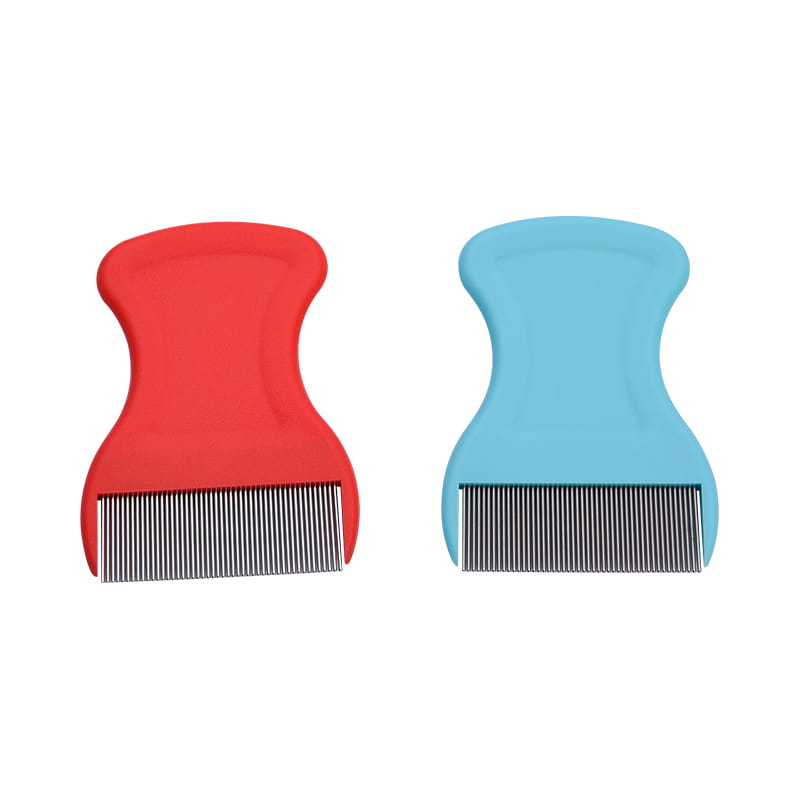 Painless Fine-Pin Lice Comb with Rounded Stainless Steel NeedlesThis lightweight comb features high-precision stainless steel pins with rounded tips to minimize pulling while clearing lice and nits. The ergonomic handle reduces hand fatigue, and the durable, easy-to-clean design makes it suitable for children and adults with sensitive scalps.View Product →
Cleaning and Maintaining Your Comb
If hair strands, oil or debris build up between the teeth, even the best dense-tooth comb will stop working well. Stainless steel combs can be soaked in mild soapy water and cleaned with a soft brush to remove trapped particles. Plastic combs should not be placed in hot water or dried in high heat, because they may warp. Cleaning the comb immediately after use extends its service life and prevents contamination.
It is also important to inspect the needles regularly for bending or loss. If the needle row becomes loose, the spacing widens, and the comb will lose its effectiveness. For pet combs, wiping the teeth with a disinfectant after each session helps prevent cross-infection between animals.
Why Buyers Should Evaluate the Comb Manufacturer
When purchasing at bulk volumes, the manufacturer's production capability and quality consistency matter more than the appearance of a single unit. A reliable supplier should be able to provide clear spacing tolerances, consistent surface finishing and flexible customization options. Our factory in Yuyao, Zhejiang has specialized in lice comb production since 2008, with a workshop area of 3,600 square meters. Stainless steel needle output reaches roughly 36 million pieces per month, while finished lice comb production is around one million pieces per month. This scale gives buyers a wide range of possibilities for modifying needle spacing, handle shapes, colors and packaging.
If the sourcing plan also includes stainless steel needles as separate components, we can supply stainless steel comb needles as well. These needles are used in our own combs and can be delivered independently according to customer specifications. Having in-house mold development and metal needle production is critical for maintaining long-term consistency in a dense-tooth comb.
Before finalizing a cooperation, we recommend asking for spacing tolerance data, sample test records and inspection standards for different batches. Two combs that look almost identical may differ significantly in nit removal efficiency if the tooth spacing is uneven. Only by focusing on the core function can you find the right product solution for your downstream customers.