

 Español
  中文简体
中文简体
Walk down a personal care aisle in São Paulo, Houston or Berlin, and there is a good chance the fine-toothed lice comb on that shelf was made in Zhejiang Province, China. The manufacturing belt around Yuyao and Ningbo fills pharmacy chains, pet brands and general merchandise catalogs across South America, North America and Europe.
The conclusion comes first: a lice comb is a precision tool, and the gap between a good China lice comb and a disappointing one has little to do with price. It comes down to who makes the teeth, how tightly the tooth gap is held, and how carefully every tip is finished. The rest of this guide covers the comb types Chinese factories produce, the quality details that decide performance, and the supplier checks that prevent the most common sourcing mistakes.
Why China Leads the Lice Comb Trade
China's comb-making credentials are old. Fine-toothed shubi combs date back roughly 6,000 years, and historical accounts describe them clearing lice and dirt from hair long before modern retail existed. The current advantage is industrial: Zhejiang's coastal belt concentrates stainless steel drawing, injection molding, tooling and printing within a short drive, so a factory can move from raw steel wire to a blister-packed comb without waiting on distant component suppliers.
Vertical integration matters more in this product than in most personal care accessories. The teeth, whether steel needles or molded pins, do all of the work and are the first component to fail. A manufacturer that draws its own stainless steel lice comb needles controls hardness, diameter and surface smoothness in-house instead of gambling on an outside supplier. Scale reinforces the discipline: one established Yuyao comb factory reports monthly output of around 36 million needles and 1 million finished combs, with annual production above 4,000 tons. Volume at that level standardizes everything, because a 0.05 mm drift in tooth gap across a large batch turns into tens of thousands of combs that let nits slip past.
The Main Types of Lice Combs Made in China
Chinese factories usually sort their catalogs by material first and use case second. Knowing which category fits your market makes quotation conversations faster and cuts sampling rounds.
Stainless steel lice combs
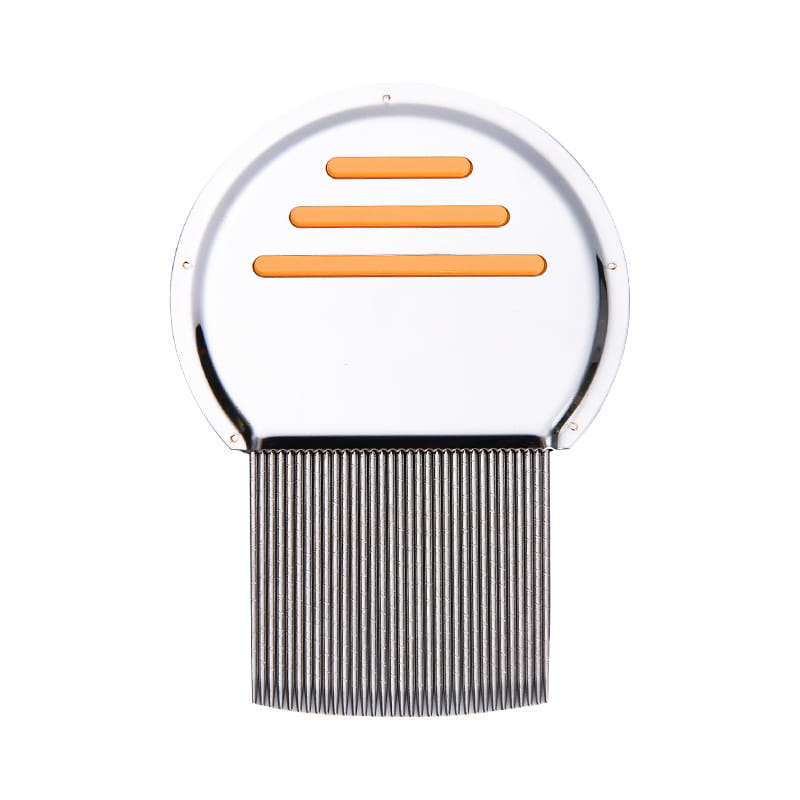
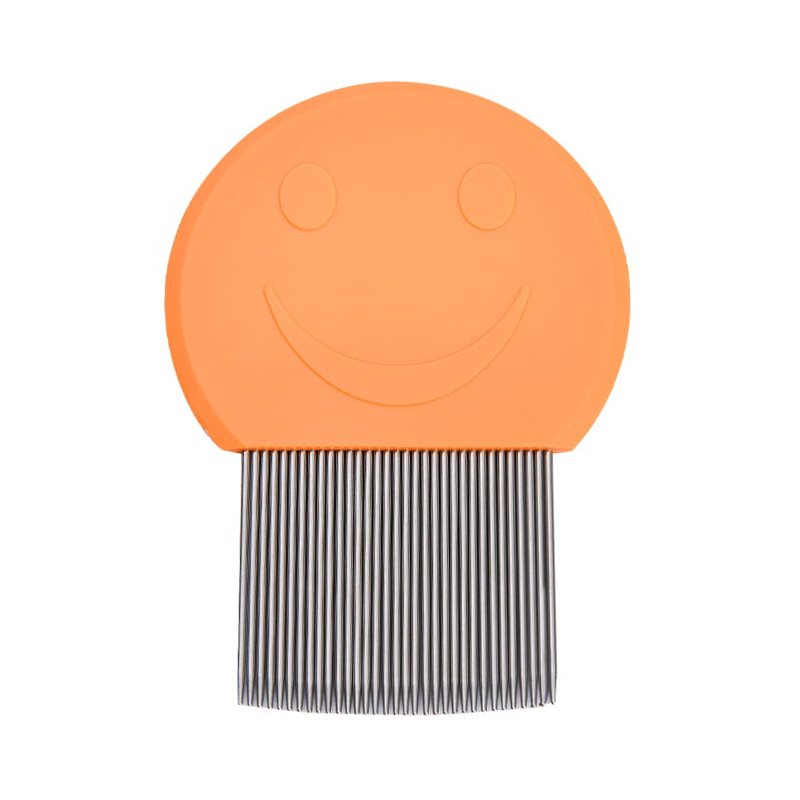
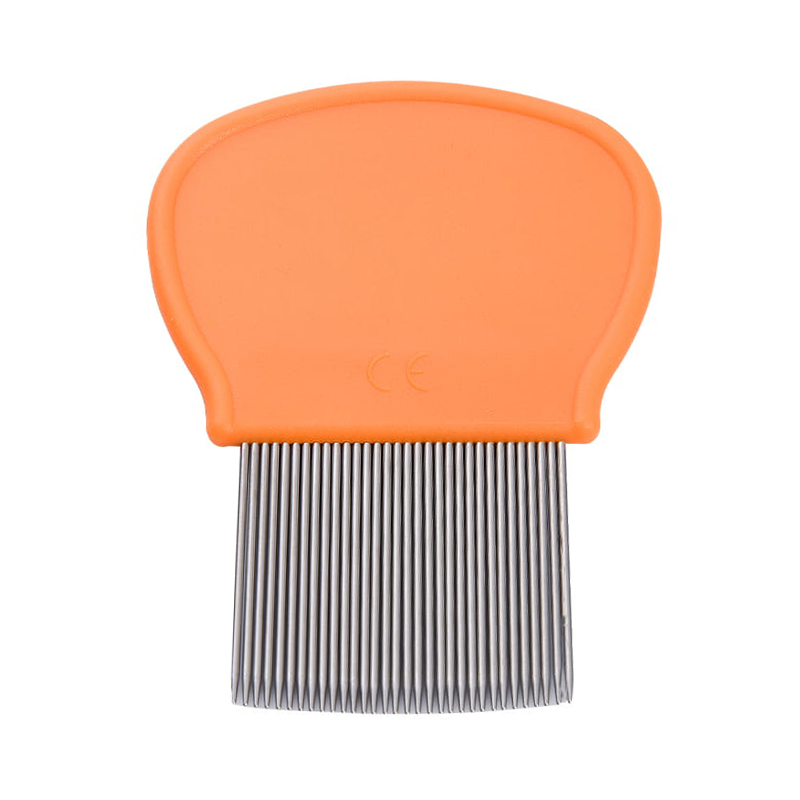
Steel combs are the workhorse category. Teeth cut or ground from stainless steel strip do not flex, snap or melt, which makes them the default choice for wet combing, thick or curly hair and repeat treatment cycles. The checkpoints before ordering are corrosion resistance, since thin plating rusts in humid coastal markets; fully rounded tips; and teeth that stay parallel when pulled through dense hair rather than splaying apart. The tough strong stainless steel louse comb shown below is a representative benchmark of what this category should feel like in the hand.
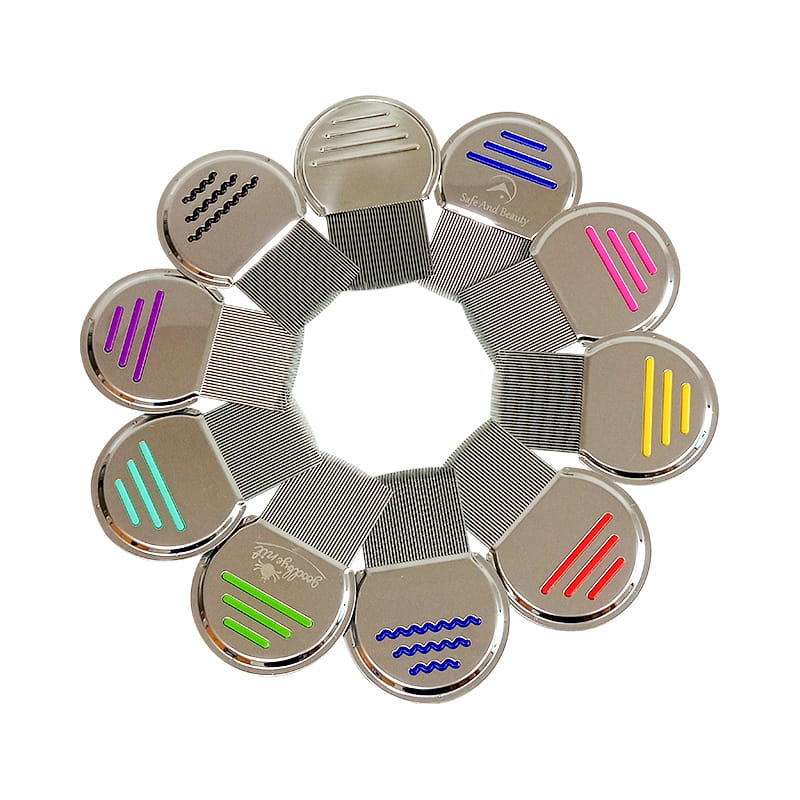 Tough Strong Stainless Steel Lice CombA laser-welded 304 stainless steel lice comb with 0.08mm–0.09mm needle spacing and rounded tips, shown as a benchmark for rigid steel teeth that withstand wet combing, thick hair and repeated treatment without rusting.View Product →
All-plastic lice combs
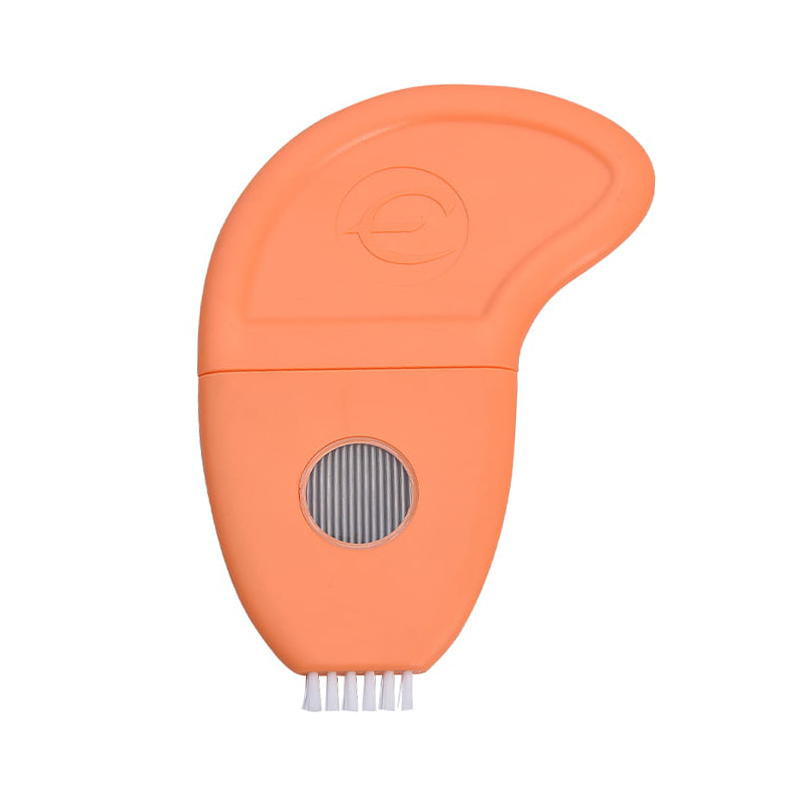
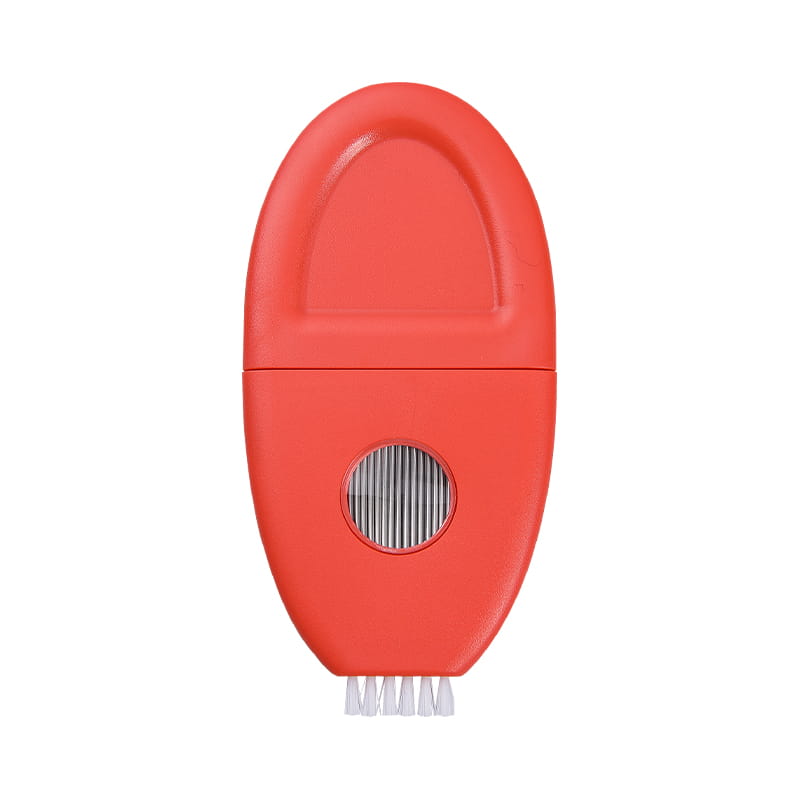
Injection-molded plastic combs win on cost, color and one-piece construction, and they dominate budget retail lines and children's packs. Fine molded teeth flex slightly, which some users find gentler, but the quality spread is wide: a precise mold yields deburred, uniform teeth, while a worn mold leaves flash and burrs that scratch the scalp on the first pass. Always test samples pulled from the actual production mold, not a hand-polished showroom piece.
Magnifier, big handle and long handle designs
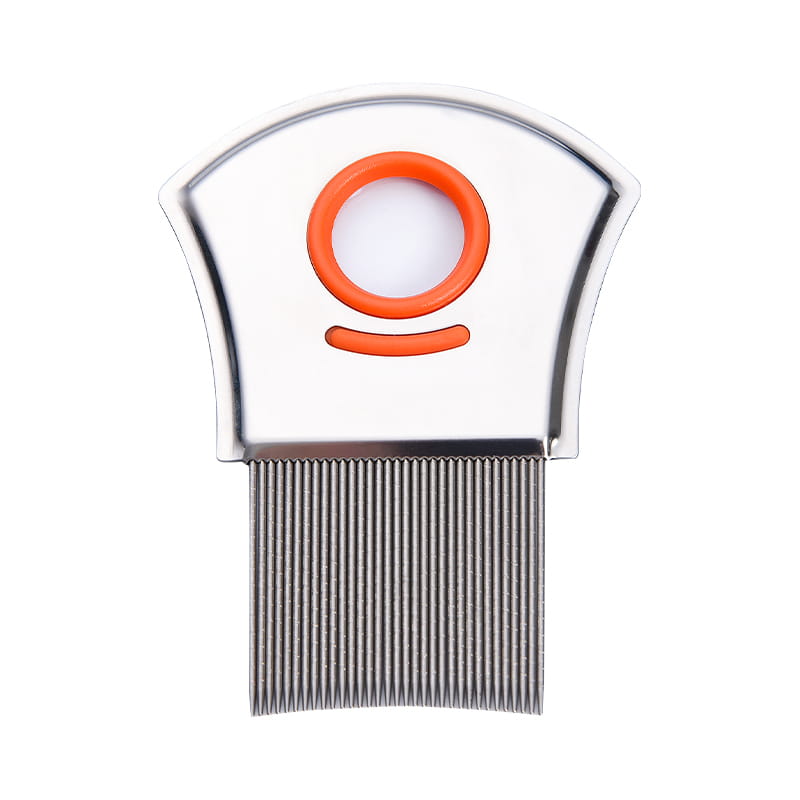
Nits are small, and bathroom lighting is rarely generous. A comb with a 3x magnifying glass built into the head enlarges the scalp line so parents can see exactly what the teeth are catching, which shortens each session and reduces missed eggs. Long-handle and big-handle variants give adults better leverage when working through a child's hair, and non-slip grips matter more than they sound once conditioner is in the mix.
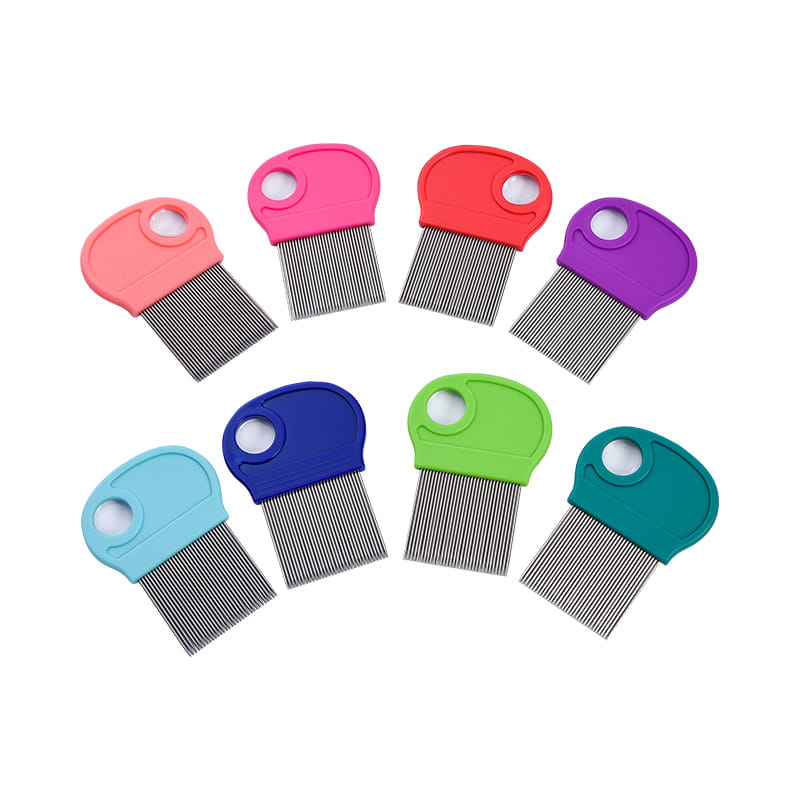 3x Magnifying Glass Lice CombThis lice comb has a built-in 3x magnifying glass that enlarges the scalp line, helping parents spot nits and eggs during inspection sessions, especially useful when bathroom lighting is poor and missed eggs prolong treatment.View Product →
Pet lice and flea combs
Cats, dogs and rabbits carry their own parasites, and the pet version of this tool applies the same principle with different geometry. Double-sided flea combs pair a tighter tooth row for fleas and eggs with a wider row for loose fur, and rounded tips are non-negotiable because pet skin tears easily. The same sourcing checks apply: tooth spacing, tip finish and rust resistance.
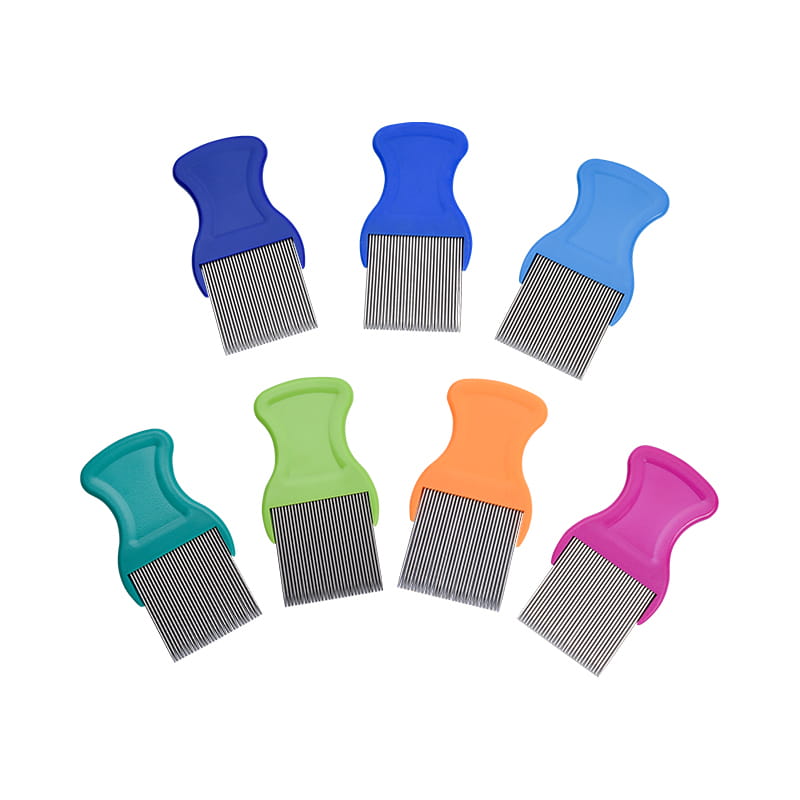 Double-Sided Cat and Dog Flea CombA stainless steel pet flea comb with fine teeth for fleas and eggs on one side and wider teeth for loose fur on the other, with rounded tips to protect delicate pet skin during parasite removal.View Product →
| Comb type | Typical construction | Best suited for | What to verify before ordering |
|---|---|---|---|
| Stainless steel lice comb | Steel teeth fixed into a plastic or steel handle | Wet combing, thick or curly hair, repeat treatments | Corrosion resistance, tip rounding, teeth that hold alignment |
| All-plastic lice comb | One-piece injection molding, ABS or PP | Budget retail lines, children's packs, giveaways | Mold finish, flex resistance of fine teeth, non-slip grip |
| Magnifying glass comb | 3x lens mounted in the comb head or handle | Spotting nits and live lice on light or thin hair | Lens clarity, secure mounting, burr-free edges |
| Big or long handle comb | Extended ergonomic handle, dense tooth rows | Adults combing children, clinic and salon use | Grip comfort when wet, leverage, balance in the hand |
| Pet flea comb | Fine metal or plastic teeth, often double-sided | Cats, dogs and small pets with fleas or lice | Tight tooth spacing, rounded tips, easy cleaning |
What Separates a Working Comb from a Wasted Order
Three physical details decide whether a comb removes lice or just combs hair: tooth gap, tip finish and rigidity.
Tooth gap is the headline number. Adult head lice measure roughly 2.5 to 3 mm, and their eggs run about 0.5 to 0.8 mm, cemented close to the scalp. Quality human nit combs are commonly specified with gaps of roughly 0.2 to 0.3 mm, narrow enough to trap eggs yet wide enough that hair does not drag so badly that users give up halfway. Everyday styling combs sit near 1.5 mm, which is why no amount of ordinary combing clears an infestation.
The bars show approximate typical tooth gaps by comb type. Exact values vary by design, but the order of magnitude explains why only a true nit comb clears an infestation.
Tip finish is where cheap production shows first. Every tooth should leave the tooling deburred and rounded; a single burr scratches the scalp, and a scratched scalp turns into returned goods and one-star reviews far faster than a loose handle ever will.
Rigidity decides whether the gap you ordered survives contact with real hair. Fine teeth that bend under load open exactly where the eggs sit, so steel holds an advantage; well-designed thick-walled plastic teeth can hold it too, but that must be confirmed on a sample, not on a spec sheet.
Grip is last but not minor. Wet combing is the standard technique, so handles get slick with conditioner; a textured or contoured grip keeps the slow, steady strokes that the method depends on.
How to Vet a Chinese Lice Comb Supplier
Treat the first order as a qualification run and put the answers in writing before the deposit changes hands.
- Ask who produces the teeth. In-house needle drawing means the factory controls the component that fails first; outsourced needles mean you inherit a supplier you never vetted.
- Confirm tooling and customization capability. Established factories build custom molds for OEM shapes, logos and packaging, and can develop combs in different sizes and materials rather than only reselling catalog items.
- Request specifics on quality control: which test equipment is used, how samples are drawn from each batch, and what happens when a batch fails.
- Check design and appearance patents. A factory that registers its comb designs has something to lose and a documented development process behind it.
- Match capacity to your forecast. Ask for monthly output figures in writing and compare them against your peak season, not your average month.
- Define packaging standards early. Loose bulk cartons bend fine teeth in transit, so agree on tray packing or individual blister cards before shipment.
The recurring failure modes are known: rust complaints from humid markets when plating is too thin, bent teeth from loose packing, and inconsistent gaps between runs when a supplier switches needle sources mid-contract. Each is avoidable with a written specification and a golden sample kept on both sides.
Using the Comb Correctly Matters as Much as the Comb Itself
Even a perfect comb fails when used casually. Wet combing with conditioner is the standard technique: saturate the hair, divide it into sections, set the teeth flat against the scalp and draw through in one slow, continuous pass, then wipe the teeth on a white tissue and read what came out. Nits are cemented within roughly 5 to 6 mm of the scalp, so every pass starts there. Repeat every 3 to 4 days for at least two weeks, because eggs hatch on a schedule and each new generation must be caught before it matures. A complete walkthrough is available in these lice comb instructions.
The takeaway for buyers is simple. China lice comb supply is deep, fast and cost-competitive, but it rewards those who treat the comb as a precision instrument rather than a commodity. Check tooth gaps in tenths of a millimeter, ask who draws the steel needles, run samples through the same wet-combing test an end user would perform, and keep a golden sample on file. Factories that welcome those questions are the ones built for repeat orders.