

 Español
  中文简体
中文简体
General Understanding of Dense-Tooth Lice Combs
Dense-tooth lice combs are designed with closely spaced teeth to physically remove lice and nits from hair shafts. Their effectiveness depends largely on tooth spacing, material strength, and structural stability during repeated use. Over time, users often question whether these fine teeth are prone to bending or breaking, especially when used on thick, curly, or tangled hair. Evaluating durability requires looking beyond initial appearance and considering how materials, design, and usage conditions interact during prolonged use.
Common Materials Used in Dense-Tooth Lice Combs
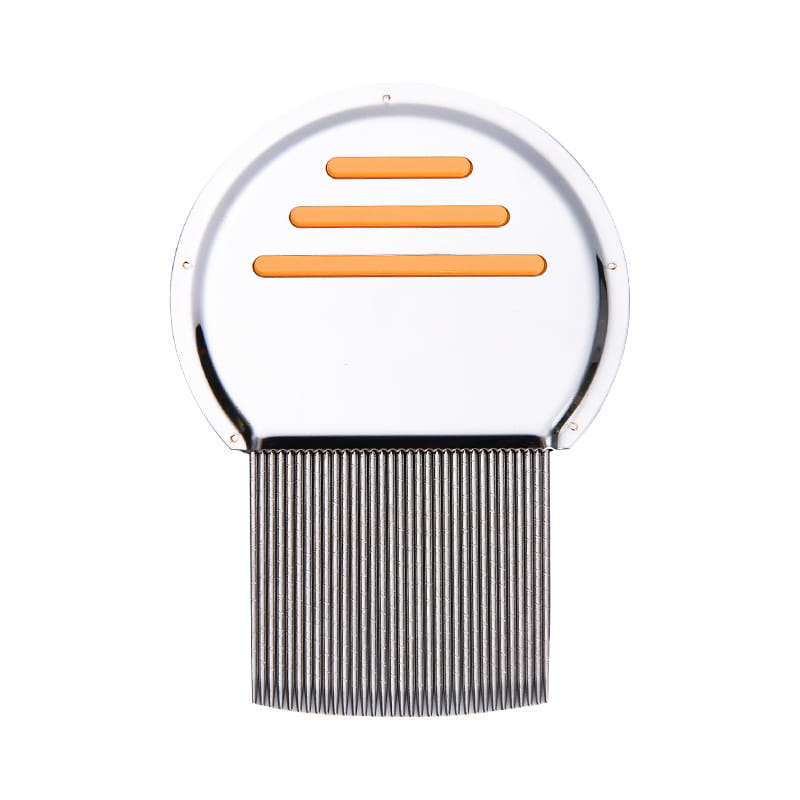
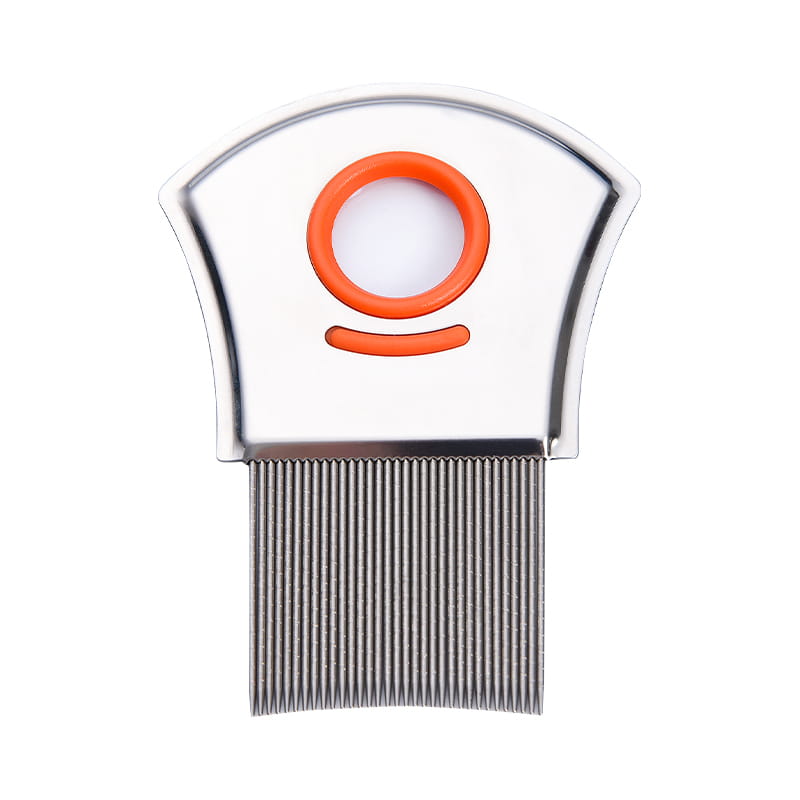
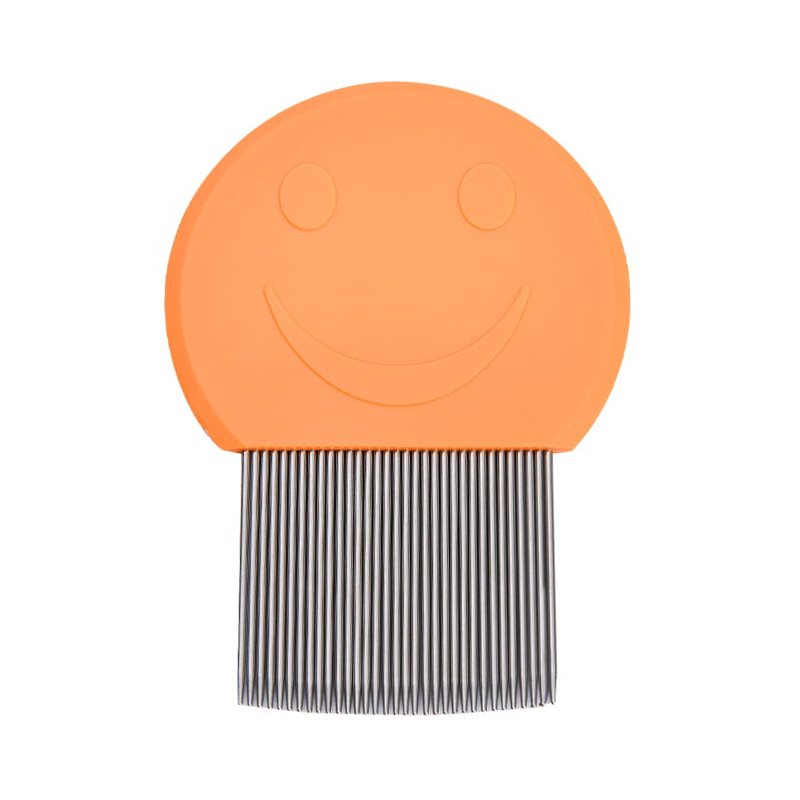
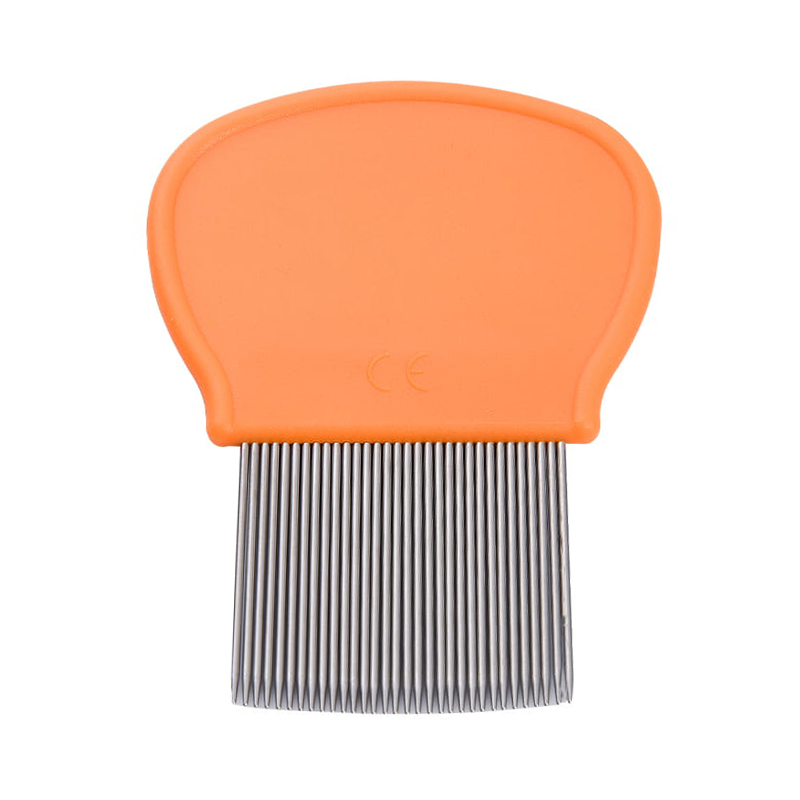
Dense-tooth lice combs are typically made from plastic, stainless steel, or other metal alloys. Plastic combs are lightweight and flexible, which can reduce scalp discomfort but may increase the risk of gradual deformation under repeated stress. Metal combs, especially those made from stainless steel, usually provide higher rigidity and resistance to bending. However, even metal teeth can experience fatigue if they are extremely thin or if excessive force is applied during use.
Influence of Tooth Thickness and Spacing
The defining feature of a dense-tooth lice comb is the narrow gap between teeth. While this spacing improves the ability to catch small nits, it also means each tooth is relatively slender. Tooth thickness directly affects resistance to bending. Thinner teeth may flex more easily when encountering resistance from knots or dense hair sections. Designers often balance tooth thickness with spacing to maintain effectiveness without making the comb too fragile.
Mechanical Stress During Daily Use
Mechanical stress occurs each time the comb is pulled through hair. Resistance increases when hair is thick, curly, wet, or tangled. Users may apply additional force to move the comb forward, transferring stress directly to the teeth. Over prolonged use, repeated stress cycles can lead to gradual deformation, especially in plastic dense-tooth lice combs. Metal combs tend to distribute stress more evenly but are not entirely immune to long-term fatigue.
Effect of Hair Type on Comb Durability
Hair characteristics play a significant role in whether a dense-tooth lice comb bends or breaks over time. Straight and fine hair generally offers less resistance, placing lower mechanical demands on the comb. In contrast, coarse, curly, or tightly coiled hair increases friction and resistance. In such conditions, teeth may flex repeatedly, which can accelerate wear. Users working with challenging hair types often notice durability differences sooner than those using the comb on finer hair.
Role of Proper Combing Technique
Technique strongly influences durability. When users start combing from the roots without detangling first, the teeth encounter maximum resistance. This increases the likelihood of bending or snapping, particularly for plastic combs. Using a slow, section-by-section approach and detangling with a wide-tooth comb beforehand reduces stress on the dense-tooth lice comb. Proper technique helps extend the usable life of the comb regardless of material.
| Factor | Impact on Bending Risk | Impact on Breakage Risk |
| Plastic material | Higher flexibility over time | Moderate under high force |
| Metal material | Lower bending tendency | Low unless excessive force applied |
| Thick or curly hair | Increased stress on teeth | Higher risk with improper use |
Manufacturing Quality and Tooth Alignment
The manufacturing process affects how evenly force is distributed across the comb. Poor alignment or inconsistent tooth thickness can create weak points that bend or break earlier than others. Well-manufactured dense-tooth lice combs have uniform tooth spacing and smooth edges, reducing localized stress. Over prolonged use, combs with higher manufacturing consistency tend to retain their shape better than those with visible irregularities.
Impact of Cleaning and Maintenance Practices
Cleaning methods also influence long-term durability. Frequent exposure to hot water can soften plastic teeth, making them more prone to bending when used again. Harsh chemicals may weaken certain plastics over time. Metal combs are less affected by water temperature but may still suffer if exposed to corrosive substances. Gentle cleaning with warm water and mild soap helps maintain structural integrity for both material types.
Environmental Factors and Storage Conditions
Environmental exposure during storage can affect a dense-tooth lice comb even when not in use. Prolonged exposure to heat, such as leaving a comb in a hot car, may warp plastic teeth. Excessive humidity can contribute to material fatigue or surface degradation over time. Storing the comb in a protective case at room temperature helps preserve tooth alignment and reduces the likelihood of deformation.
Signs of Early Bending or Structural Fatigue
Early signs of bending include teeth that no longer appear perfectly straight or gaps that look uneven. Users may notice increased snagging or reduced effectiveness during combing. In metal combs, fatigue may present as slight changes in alignment rather than visible bending. Recognizing these signs early allows users to adjust technique or replace the comb before breakage occurs.
Breakage Scenarios and Typical Failure Points
Actual breakage is less common than bending but can occur under certain conditions. Plastic teeth may snap at the base if excessive force is applied repeatedly at the same angle. Metal teeth are more likely to deform permanently rather than break outright, but weld points or joints between teeth and frame can be vulnerable. Breakage often results from a combination of prolonged use and improper handling rather than normal combing alone.
Comparison Between Short-Term and Long-Term Use
In short-term use, most dense-tooth lice combs maintain their original shape and performance. Over long-term use, material fatigue becomes more relevant. Plastic combs may gradually lose stiffness, while metal combs tend to retain form but may show minor alignment changes. The difference becomes noticeable after repeated treatment cycles or when the comb is used across multiple individuals.
User Expectations and Product Lifespan
User expectations influence perceptions of durability. Dense-tooth lice combs are often considered personal hygiene tools rather than permanent fixtures, and their lifespan reflects this role. While they are not designed to fail quickly, they are also not immune to wear. Understanding realistic lifespan expectations helps users recognize that gradual bending does not necessarily indicate poor quality but reflects normal material behavior under repeated stress.
Practical Assessment of Long-Term Durability
Overall, whether a dense-tooth lice comb easily bends or breaks after prolonged use depends on a combination of material choice, manufacturing quality, hair type, and user technique. Plastic combs may show flexibility and gradual deformation earlier, while metal combs generally maintain shape longer under similar conditions. With careful handling, appropriate cleaning, and proper storage, many dense-tooth lice combs can provide consistent performance over extended periods without significant bending or breakage.