

 Español
  中文简体
中文简体
General Overview of Lice Combing Tools
Lice combs are commonly used tools for detecting and removing head lice and their eggs from hair. Over time, different designs have emerged to address varying user needs, including visibility, precision, and ease of use. Among these designs, the magnifying glass lice comb and the regular lice comb are two widely recognized options. While both aim to assist in lice management, their structures, functions, and user experiences differ in several important ways. Understanding these differences helps users choose a tool that aligns with their specific situation, hair type, and level of infestation.
Basic Structure of a Regular Lice Comb
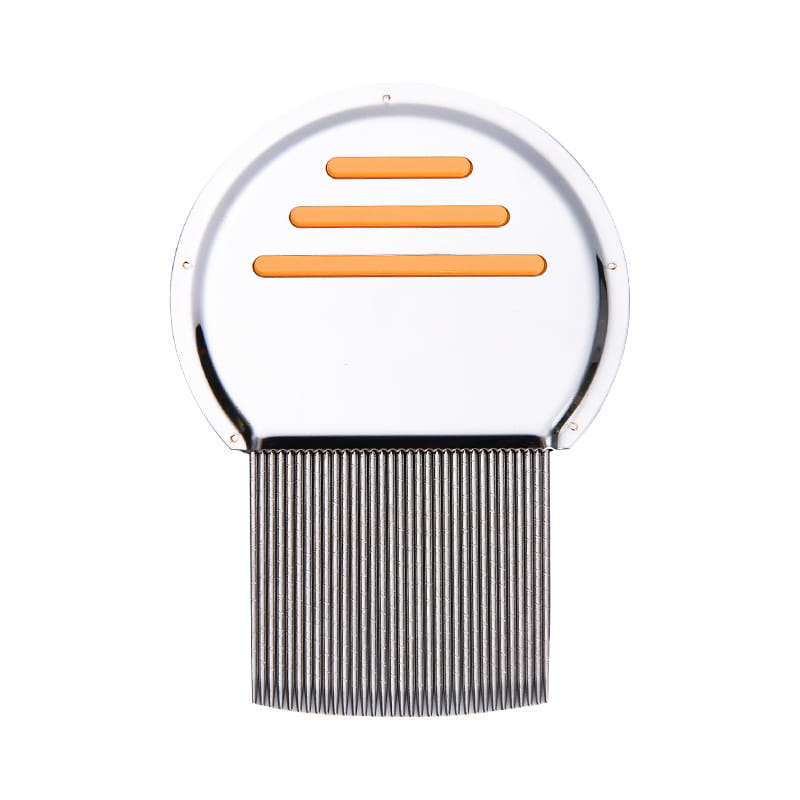
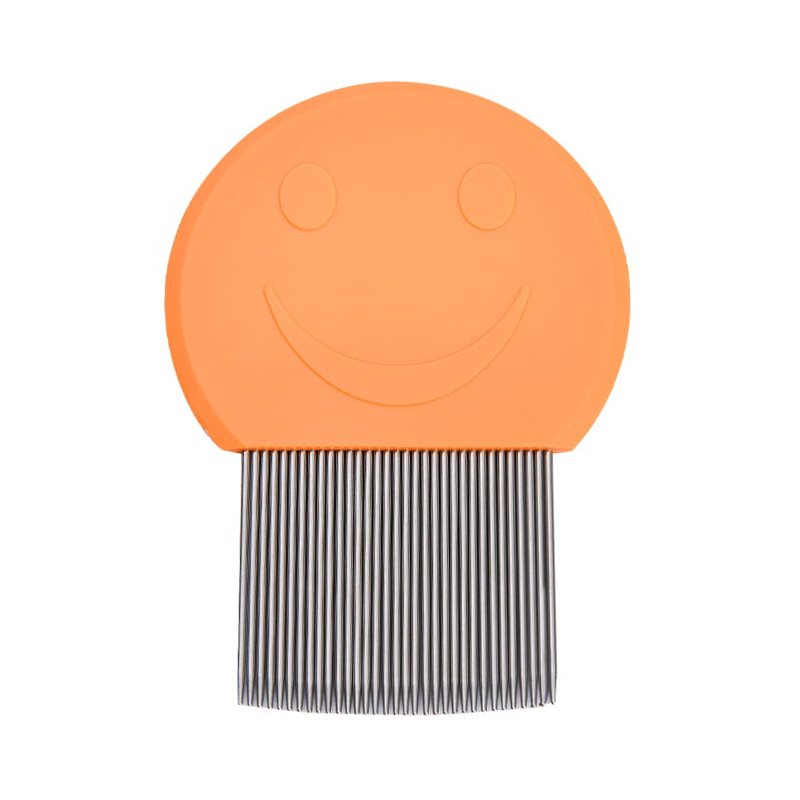
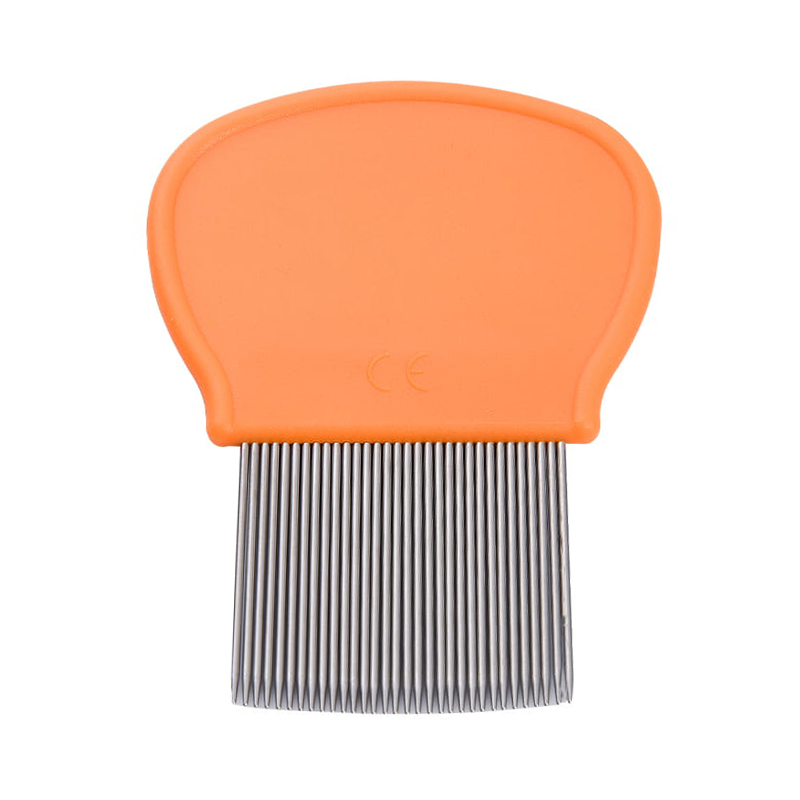
A regular lice comb typically consists of a handle and a row of closely spaced teeth made from plastic or metal. The spacing between the teeth is designed to catch lice and nits as the comb is drawn through the hair. This type of comb relies primarily on tactile feedback and visual inspection by the user. Regular lice combs are often lightweight, easy to clean, and widely available, making them a common choice for both home use and clinical settings.
Design Characteristics of a Magnifying Glass Lice Comb
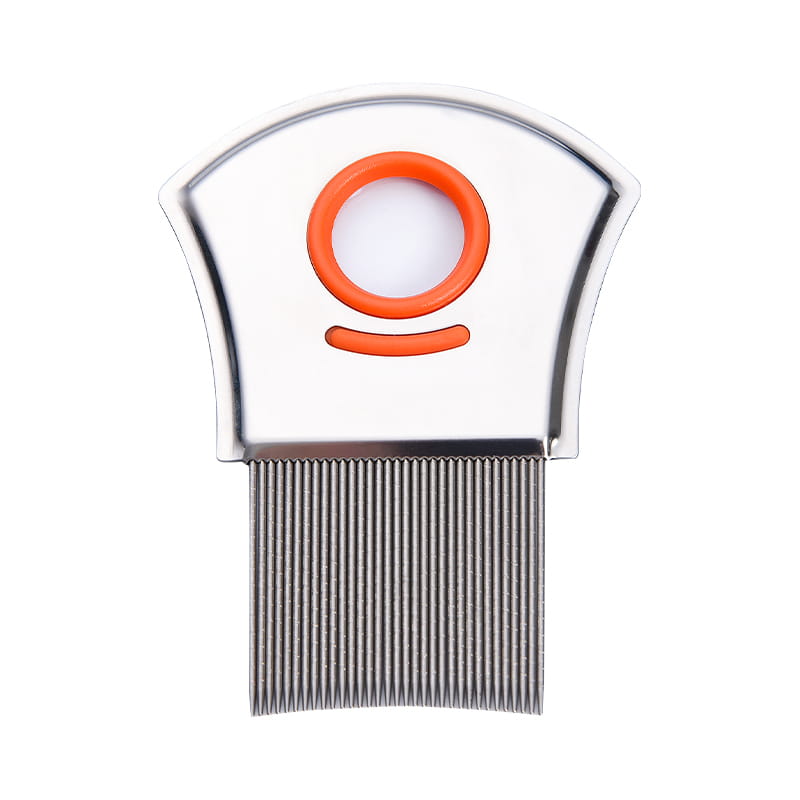
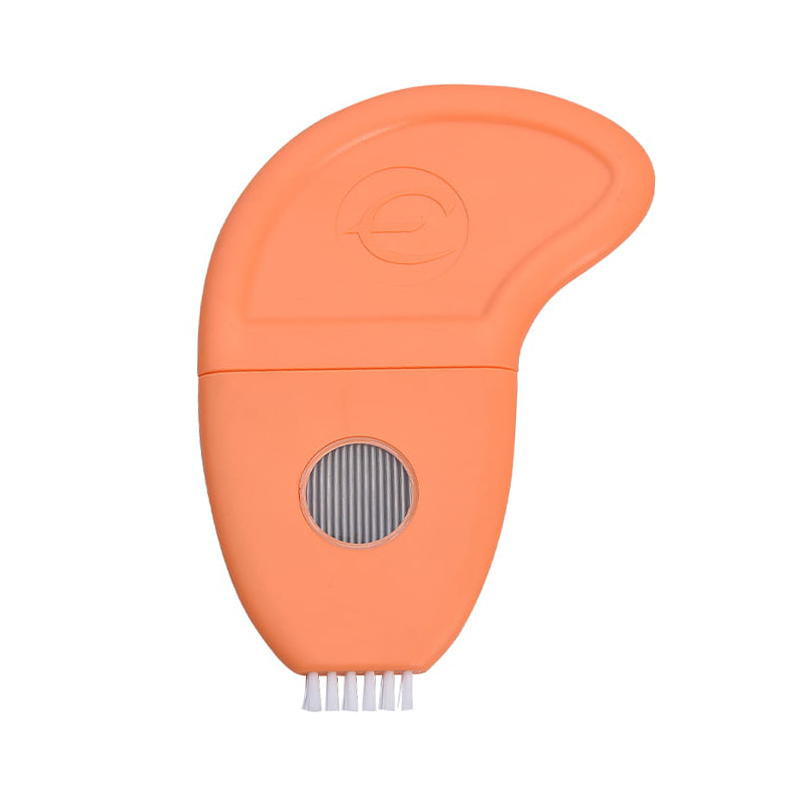
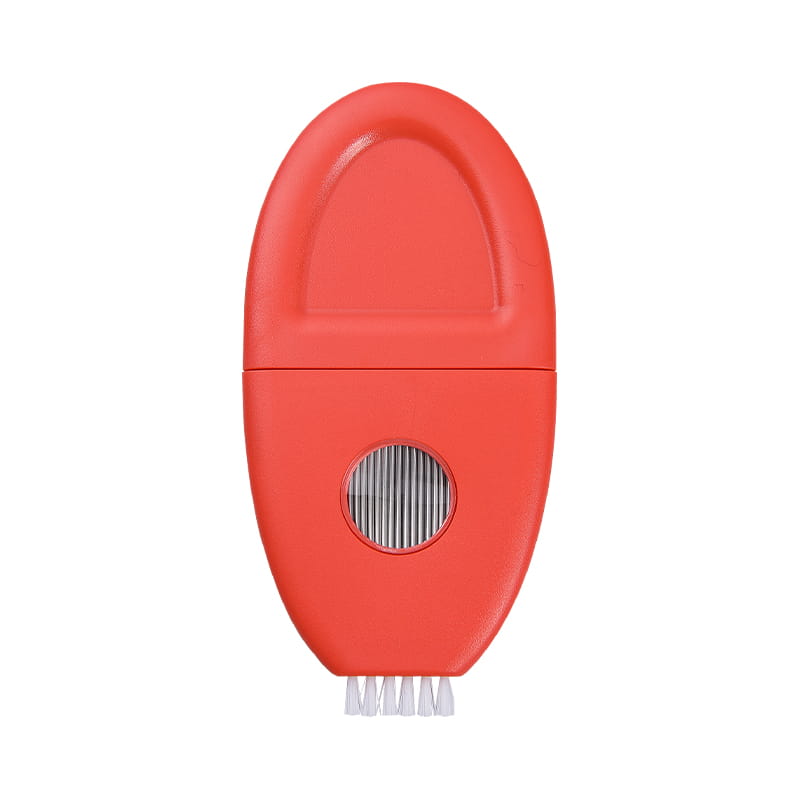
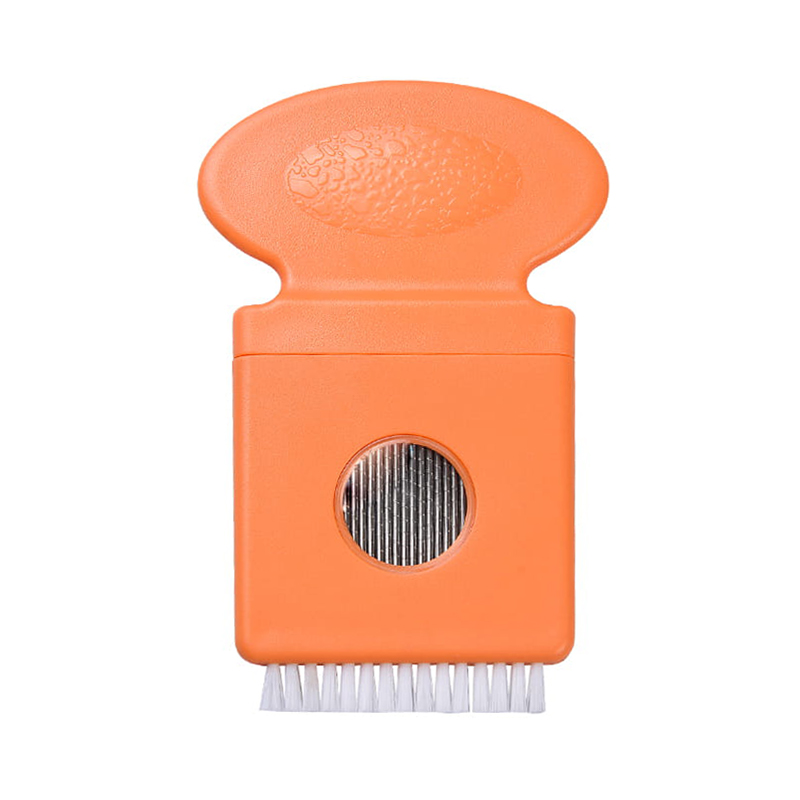
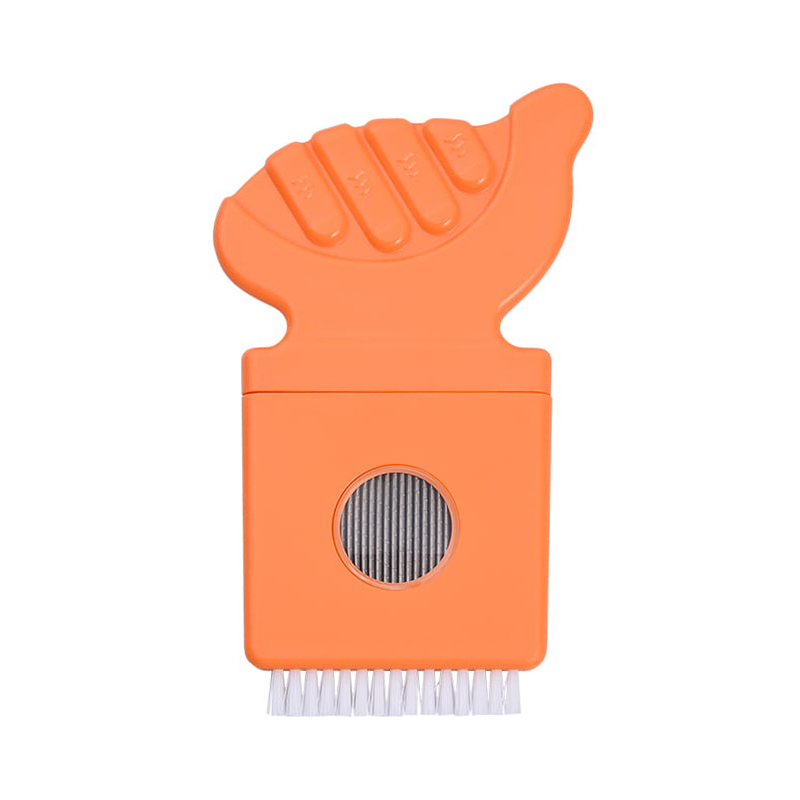
A magnifying glass lice comb incorporates a magnification component, usually positioned above or integrated into the comb head. This magnifying element enlarges the view of hair strands, scalp, lice, and nits during the combing process. Aside from the magnifier, the comb teeth are often similar in spacing and material to those found on a regular lice comb. The added optical feature changes how the tool is used and how information is gathered during lice inspection and removal.
Key Functional Difference in Visual Assistance
The most noticeable difference between a magnifying glass lice comb and a regular lice comb lies in visual support. A regular lice comb requires the user to rely on natural eyesight and external lighting to identify lice or eggs. In contrast, the magnifying glass lice comb enlarges small details, making it easier to see lice, nits, and debris that may otherwise blend in with hair or scalp. This can be particularly helpful when dealing with light-colored hair, very small nits, or early-stage infestations.
Impact on Detection Accuracy
Detection accuracy can vary significantly between the two comb types. Regular lice combs are effective when used carefully, but they depend on the user’s ability to recognize lice and nits without visual aid. The magnifying glass lice comb supports closer inspection, which may reduce the chance of overlooking small or newly laid eggs. This difference becomes more apparent in situations where lighting conditions are not ideal or when the person performing the combing has limited eyesight.
| Aspect | Regular Lice Comb | Magnifying Glass Lice Comb |
| Visual assistance | Relies on natural eyesight | Includes built-in magnification |
| Detection support | Manual observation | Enlarged view of lice and nits |
| Complexity | Simple structure | Additional optical component |
User Experience During Combing
Using a regular lice comb often involves repeated passes through the hair, followed by frequent pauses to inspect the comb teeth. The process can be time-consuming, especially for thick or long hair. With a magnifying glass lice comb, inspection occurs simultaneously with combing, allowing users to observe what is being removed in real time. This integrated approach may make the process feel more controlled and informative, particularly for caregivers who want reassurance that the combing is effective.
Suitability for Different Hair Types
Hair thickness, length, and texture influence how each comb performs. Regular lice combs are generally suitable for a wide range of hair types but may require extra effort on very fine or very thick hair. The magnifying glass lice comb does not change the physical interaction between teeth and hair, but the enhanced visibility can make it easier to track progress across dense or curly sections. Users may find it simpler to confirm that each section has been adequately combed when magnification is available.
Learning Curve and Ease of Use
A regular lice comb is straightforward to use and requires minimal explanation. Most users can begin combing immediately without additional adjustment. The magnifying glass lice comb introduces an extra element that may require slight adaptation, such as adjusting viewing angle or distance to maintain a clear image. While this learning curve is generally mild, it represents a practical difference between the two tools, particularly for first-time users.
Role in Monitoring Treatment Progress
Monitoring progress during lice treatment is an important aspect of management. Regular lice combs allow users to assess progress by counting removed lice or nits over time. The magnifying glass lice comb enhances this process by making it easier to identify whether remaining particles are lice, empty egg casings, or unrelated debris. This clarity can support more informed decisions about whether additional treatment steps are needed.
Durability and Maintenance Considerations
Regular lice combs are typically simple to clean and maintain, as they have no additional components beyond the comb itself. They can be rinsed, disinfected, and dried with minimal effort. Magnifying glass lice combs require similar cleaning of the teeth, but the optical component may need extra care to avoid scratches or clouding. Proper maintenance ensures that the magnifying feature continues to provide a clear view during use.
Portability and Storage
Portability is another point of distinction. Regular lice combs are compact and easy to store in small containers or travel kits. Magnifying glass lice combs may be slightly bulkier due to the added lens, which can affect how easily they fit into compact storage spaces. For users who need a portable option for school checks or travel, this difference may influence tool selection.
Cost and Accessibility Factors
In many markets, regular lice combs are widely available at low cost, making them accessible to a broad range of users. Magnifying glass lice combs often involve a higher price point due to the additional manufacturing complexity. While cost does not determine effectiveness on its own, it can influence purchasing decisions, particularly for households or institutions that need multiple combs.
Use in Professional and Home Settings
Regular lice combs are commonly used in both home care and professional environments, such as schools or clinics. The magnifying glass lice comb is more frequently chosen in settings where detailed inspection is valued, such as professional lice removal services or by caregivers who prefer visual confirmation. Each tool fits different usage contexts without replacing the other entirely.
Psychological Reassurance for Caregivers
For many caregivers, dealing with lice can be stressful. The ability to clearly see lice and nits through magnification may provide reassurance that the combing process is thorough. Regular lice combs can also be effective, but they may leave users uncertain if they are unable to visually confirm results. This psychological aspect represents an indirect but meaningful difference between the two comb types.
Overall Functional Distinction in Practical Use
The key difference between a magnifying glass lice comb and a regular lice comb centers on visual enhancement rather than mechanical removal capability. Both tools rely on fine-toothed combing to physically remove lice and nits, but the magnifying glass lice comb adds an observational layer that changes how users interact with the process. This distinction influences detection confidence, monitoring, and user comfort, shaping how each comb is perceived and used in real-world lice management situations.