

 Español
  中文简体
中文简体
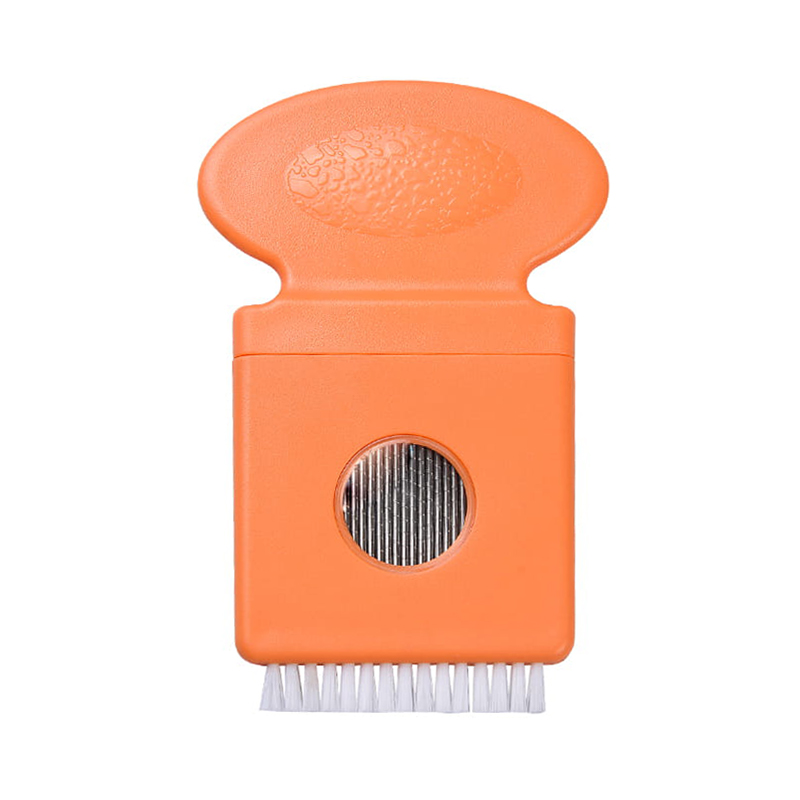
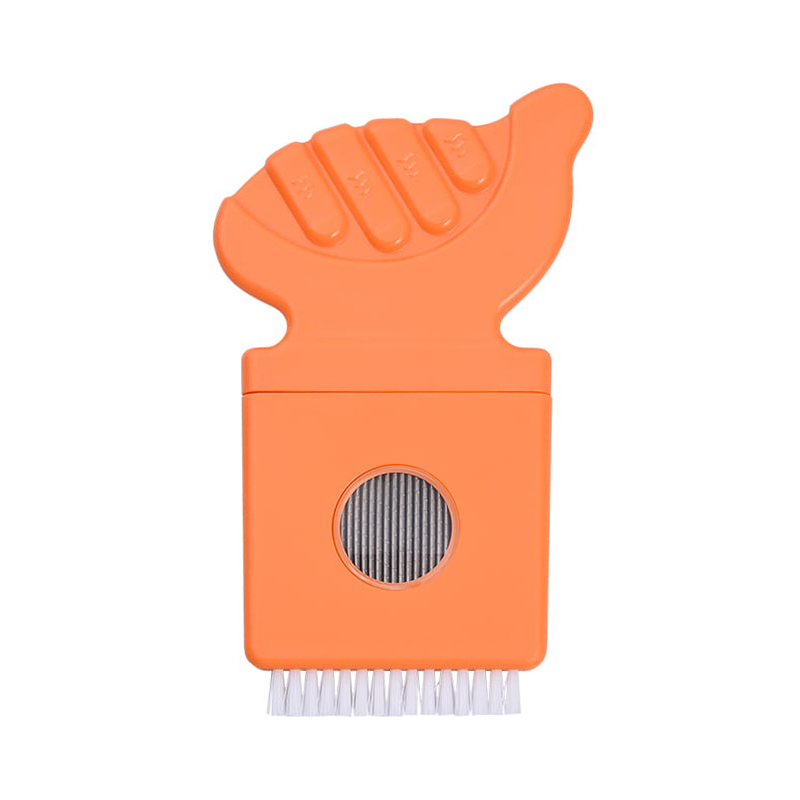
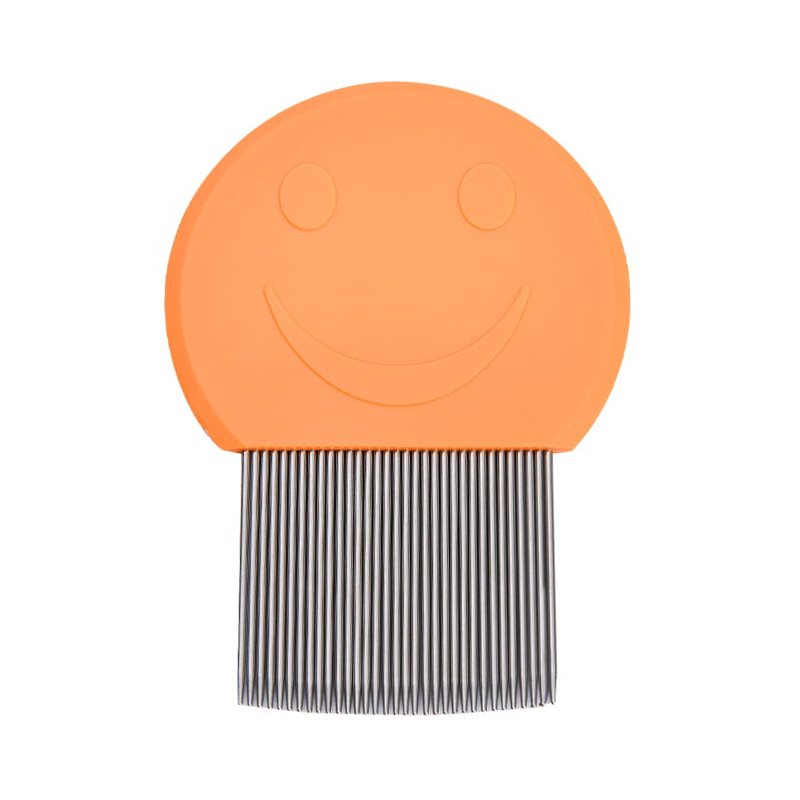
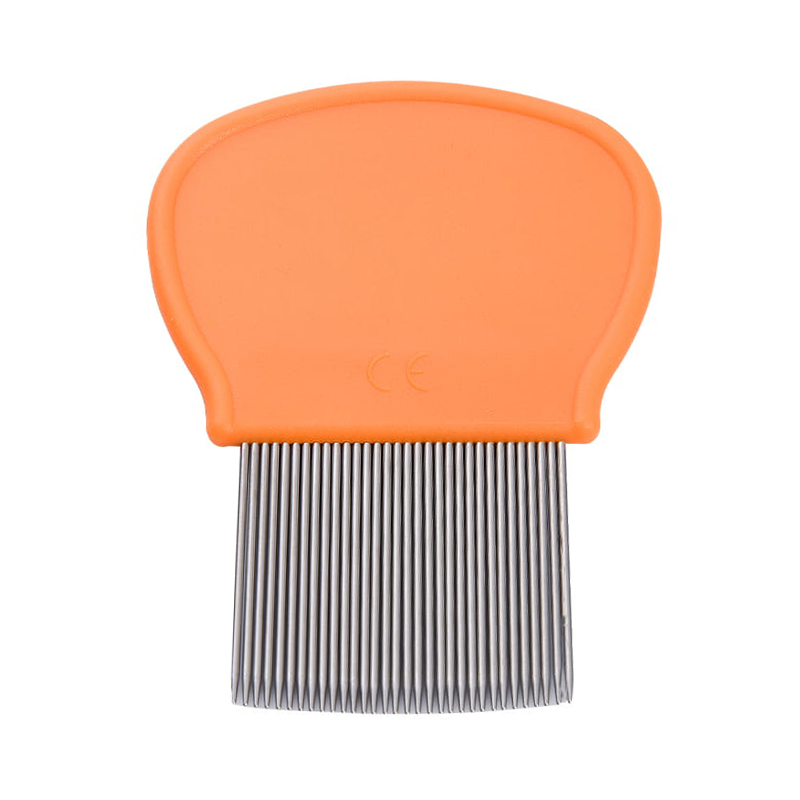
Introduction to Multifunctional Lice Combs
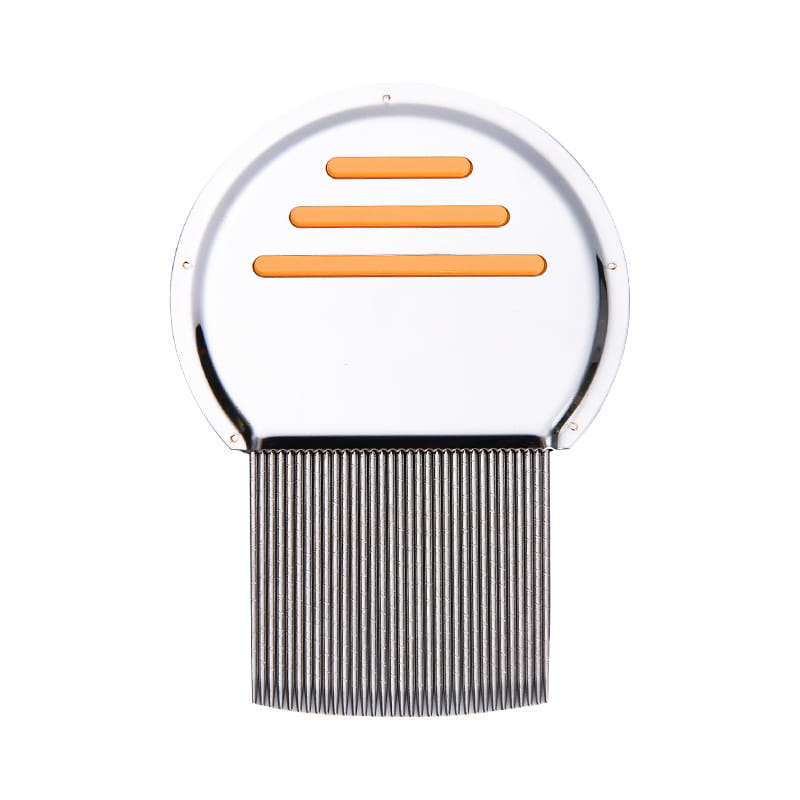
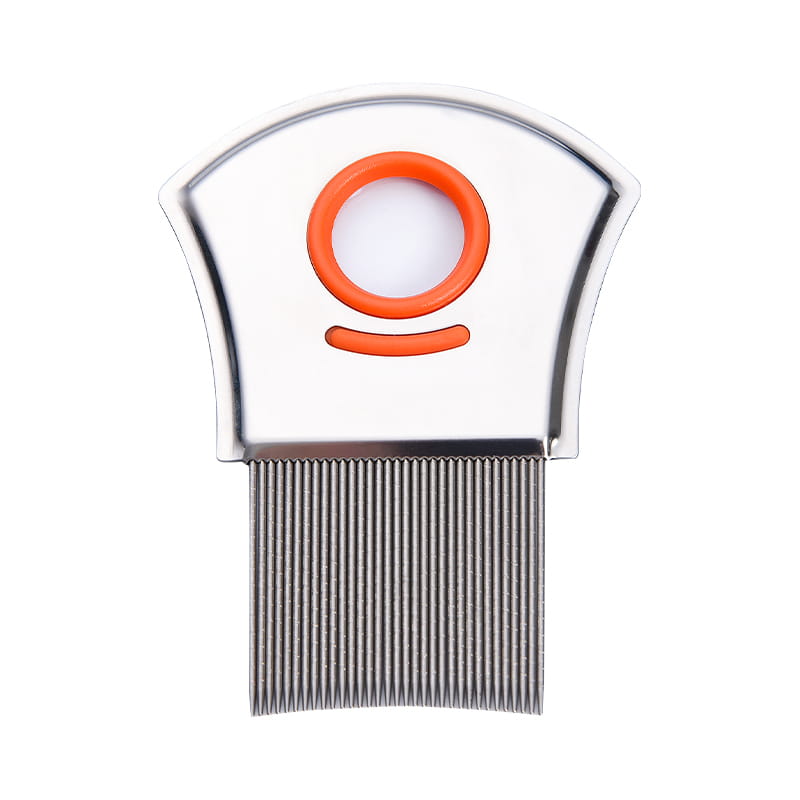
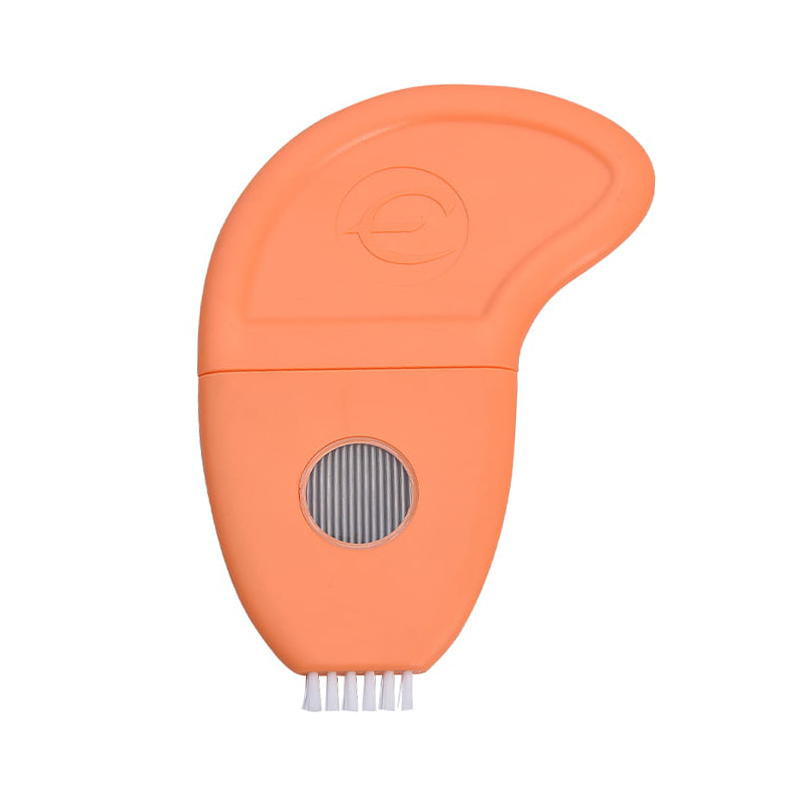
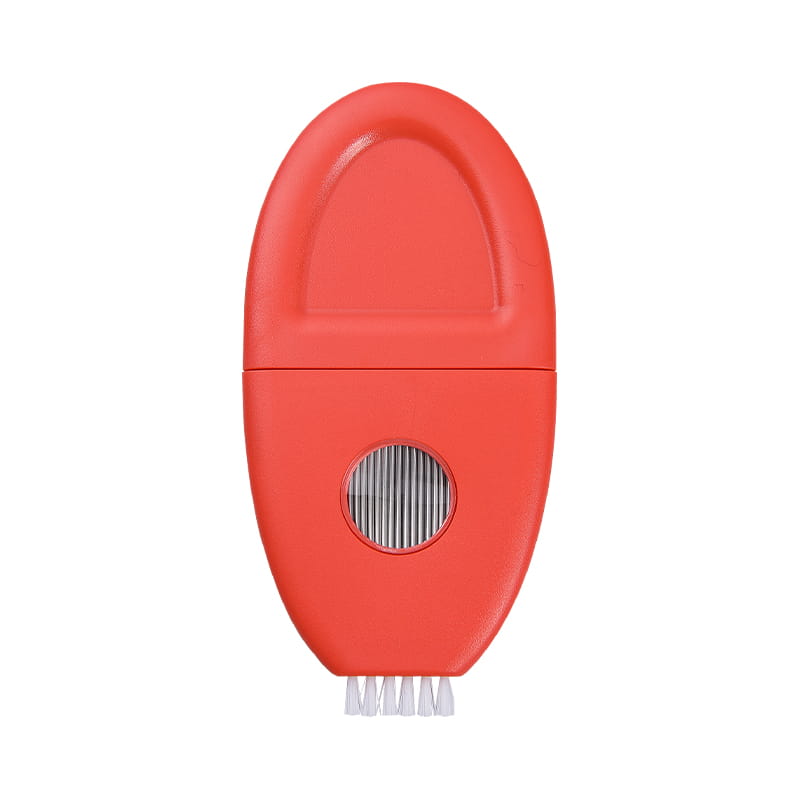
Multifunctional lice combs are tools designed to help eliminate lice and nits (lice eggs) from the hair. These combs come in various designs and are often marketed with additional features that aim to improve the user experience and efficiency in lice removal. Some of the most common added functionalities include ergonomic handles, stainless steel teeth, and designs that are easier to use for both children and adults. The primary purpose of these combs is to address the problem of lice infestations, but as with many health-related products, comfort and safety considerations are also important aspects of their design.
The Importance of Anti-Allergy Features
One of the key concerns for many individuals when selecting personal care products is the potential for allergic reactions. This is particularly relevant for items that come into close contact with the skin and hair, such as lice combs. Lice combs often have metal or plastic teeth that may irritate sensitive skin, especially when they are used repeatedly or with force. An anti-allergy design aims to minimize the likelihood of skin reactions that could occur due to friction, chemicals, or other factors associated with the comb's materials or finish.
Materials Used in Multifunctional Lice Combs
The materials used in the construction of lice combs play a significant role in determining whether the comb has an anti-allergy design. Common materials include stainless steel, plastic, and silicone. Each material has different properties that can influence the likelihood of skin irritation or allergic reactions.
Stainless steel is often chosen for its durability, ease of cleaning, and ability to withstand frequent use. However, for people with a nickel allergy, some stainless steel alloys can cause reactions. In contrast, high-quality, hypoallergenic stainless steel is usually less likely to trigger such sensitivities. Plastic combs, while lighter and sometimes more affordable, can contain additives or chemicals like BPA (Bisphenol A), which may cause skin irritation for individuals with sensitivities. In response, some manufacturers now produce BPA-free plastic combs as part of their anti-allergy design.
Silicone is another material increasingly used in lice combs due to its flexibility and gentleness on the scalp. Silicone is typically hypoallergenic, which means it is less likely to cause irritation or allergic reactions. For people with sensitive skin or those prone to eczema or dermatitis, silicone combs might be a more comfortable choice. Additionally, some multifunctional lice combs are designed with antimicrobial coatings or materials that further reduce the risk of bacterial growth or skin irritation during use.
Design Features That Support Anti-Allergy Functionality
Beyond material selection, the design features of a multifunctional lice comb can also contribute to reducing the risk of allergic reactions. For example, ergonomic handles that provide a comfortable grip can reduce the amount of pressure applied to the scalp, which in turn can help minimize friction-related irritation. Additionally, the spacing and shape of the comb’s teeth can be carefully designed to ensure that the comb moves smoothly through the hair without causing unnecessary tugging or discomfort.
Many lice combs are designed with rounded teeth or tips to prevent scratching or damaging the skin. The rounded edges ensure that the comb doesn’t cause abrasions, which could lead to irritation or infection. Combs with flexible teeth, often made of silicone or soft plastic, can provide a gentler experience for those with sensitive skin, as they are less likely to create friction that could lead to discomfort or allergic responses.
The Role of Anti-Allergy Coatings and Treatments
Some multifunctional lice combs feature coatings or treatments designed to reduce the potential for allergic reactions. These coatings can include antimicrobial agents, which help prevent the buildup of bacteria or fungi on the comb’s surface. In addition, some lice combs may be coated with a non-toxic, hypoallergenic material to protect against skin irritation caused by contact with the comb’s teeth or handle.
For instance, some combs are treated with an anti-static coating, which can help reduce static electricity. Static buildup can contribute to the discomfort of combing, particularly for people with dry or sensitive skin. Anti-static properties help the comb glide more smoothly through the hair and prevent the shock or pulling sensations that can occur with static-charged plastic. This type of design feature adds an extra layer of comfort, further reducing the likelihood of irritation during use.
How Multifunctional Lice Combs Minimize Skin Sensitivity
Multifunctional lice combs are designed not only to remove lice and nits but also to minimize the discomfort and irritation that can occur during the process. Since lice removal typically requires thorough combing, which involves passing the comb through the hair and across the scalp multiple times, the risk of skin sensitivity increases. However, many multifunctional lice combs incorporate features specifically intended to reduce this risk.
For example, some combs include built-in cushioning or padding in the handle to reduce pressure on the scalp. This can make the combing process less painful for those with tender or sensitive skin. In addition, combs with flexible teeth help avoid excessive pulling or tugging on the hair, which is another common cause of scalp irritation. The softer material used for the teeth can also reduce the overall abrasive effect of combing, making it gentler on the skin.
Furthermore, the versatility of multifunctional lice combs means that they can be adapted for various hair types and sensitivities. Many models come with interchangeable combs of different sizes or tooth configurations, allowing the user to choose the most suitable option based on their specific needs. For people with particularly sensitive scalps, using a wider-toothed comb may provide a more comfortable experience compared to a finer-toothed comb, which could cause more friction.
Possible Allergic Reactions to Lice Comb Materials
While many multifunctional lice combs are designed with anti-allergy considerations, it is important to note that individual sensitivities can still arise due to the materials used in manufacturing. For example, some individuals may have a sensitivity to certain metals, such as nickel, which is commonly used in stainless steel products. If a person with a nickel allergy uses a lice comb with stainless steel teeth that have a high nickel content, they may experience redness, itching, or swelling on their scalp or skin where contact is made.
Similarly, plastic combs that contain harmful chemicals like BPA or phthalates may cause allergic reactions in some individuals, especially with prolonged use. These chemicals can sometimes leach into the skin, triggering sensitivities that manifest as itching, rashes, or other forms of dermatitis. As a result, manufacturers are increasingly offering products that are free from these harmful chemicals and clearly advertise their use of BPA-free, phthalate-free, and non-toxic plastics.
Allergic Reactions to Synthetic Fragrances and Other Additives
Some multifunctional lice combs may be accompanied by products like shampoos or lice treatment solutions that contain synthetic fragrances, preservatives, or other additives. These ingredients can sometimes cause allergic reactions in individuals with sensitivities to chemicals or fragrances. It is important to be aware of any potential allergens in lice treatment products, especially when used in conjunction with lice combs.
If someone experiences skin irritation or an allergic reaction after using a lice comb with a treatment solution, it is essential to discontinue use and seek advice from a healthcare professional. Switching to fragrance-free or hypoallergenic treatment solutions, or opting for a lice comb that is designed specifically for sensitive skin, can help mitigate these issues.
Benefits of Anti-Allergy Design for Sensitive Users
For individuals with sensitive skin, an anti-allergy design can make a significant difference in the lice removal process. By choosing a multifunctional lice comb with hypoallergenic materials, rounded teeth, and features aimed at reducing friction, these individuals can avoid unnecessary irritation. The gentle design can also help children and others with delicate skin feel more comfortable during the combing process, making it less stressful for both the user and the person being treated for lice.
In addition to reducing allergic reactions, the anti-allergy design often contributes to a more effective lice removal experience. When the comb glides smoothly through the hair without causing discomfort, the user is more likely to perform a thorough and complete combing process. This can result in better lice and nit removal, making the treatment process both safer and more efficient.