

 Español
  中文简体
中文简体
Introduction to Hair Lice Combs
Hair lice combs are tools designed to assist in the removal of head lice, a common parasitic infestation affecting people of all ages, particularly children. Lice combs are used to physically remove lice and their eggs (nits) from the hair and scalp, providing an alternative or supplement to chemical treatments. The effectiveness of lice combs is well-documented, and they are often considered a safer option for those looking to avoid the potential side effects of chemical lice treatments. However, a common concern is how comfortable and safe these combs are to use, both for the person being treated and the person doing the combing.
Types of Hair Lice Combs
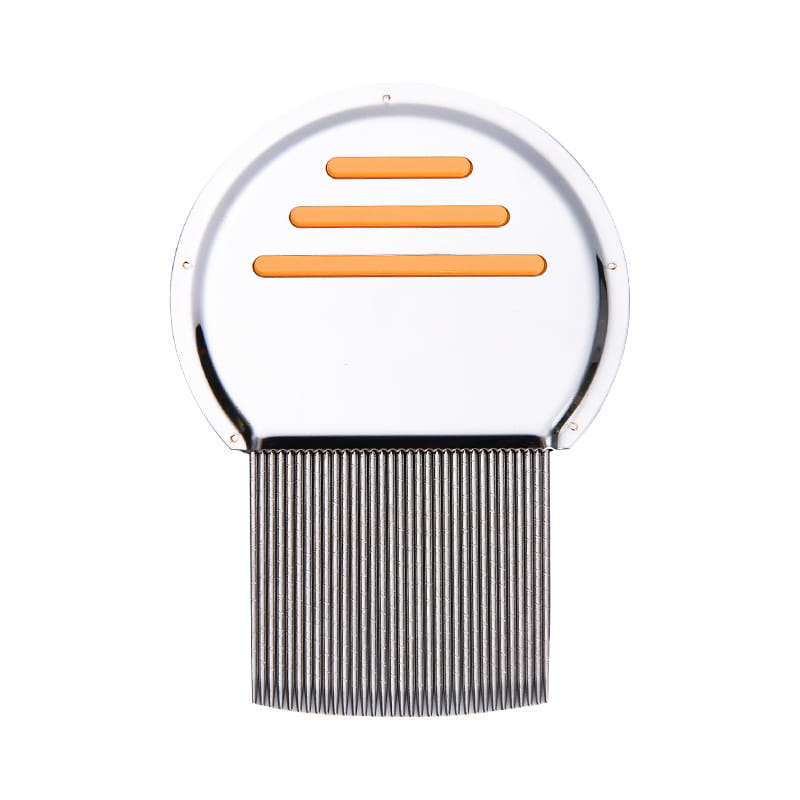
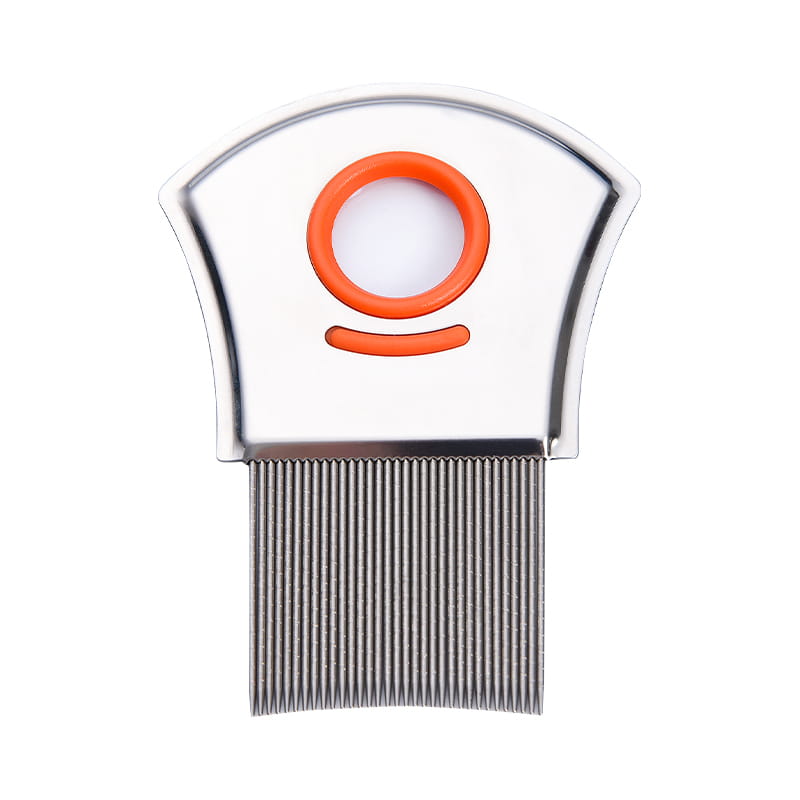
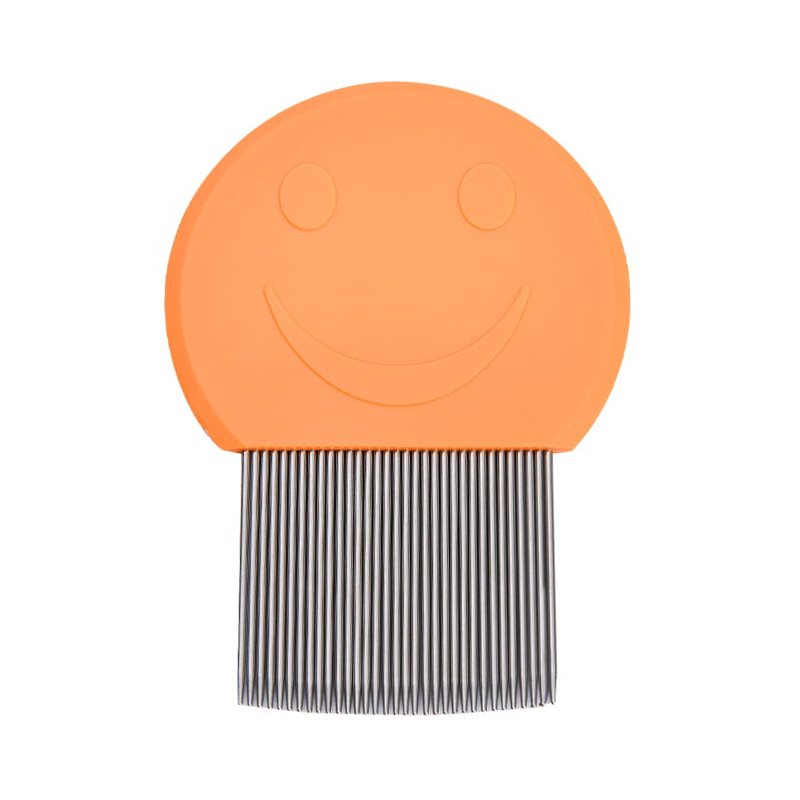
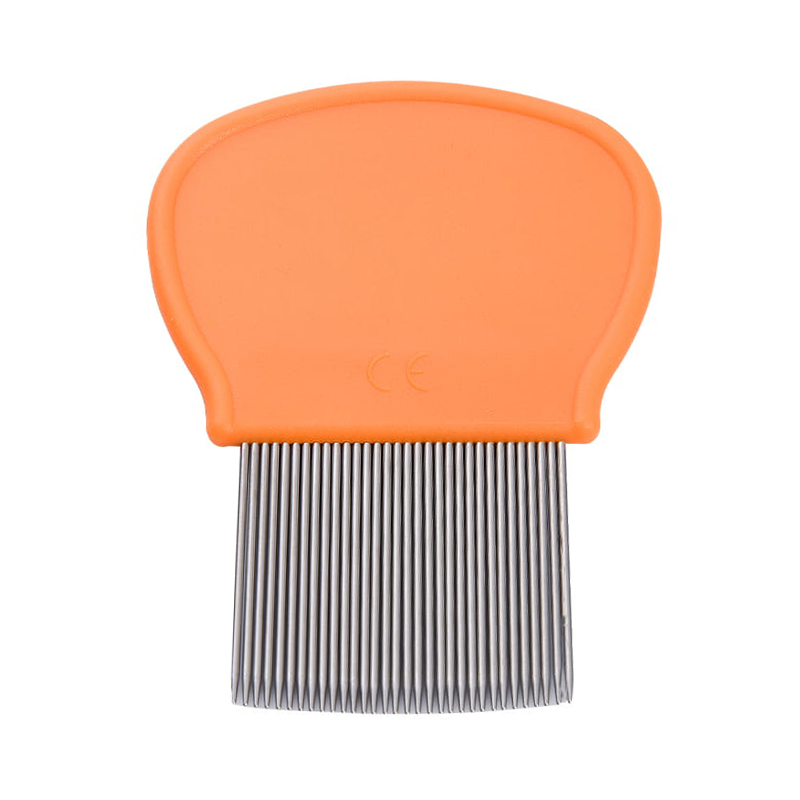
Hair lice combs come in a variety of designs and materials, each tailored to different needs and preferences. Generally, lice combs feature fine teeth or metal tines that are spaced closely together to catch lice and nits. The two main types of lice combs are plastic and metal combs, each with distinct advantages and disadvantages. Plastic combs are lightweight and often have wider teeth, making them more comfortable for sensitive scalps, especially for children. On the other hand, metal combs are often more durable and have finer, closer-spaced teeth that are better at catching both lice and nits. Some metal combs also have longer teeth that can more easily reach through thick hair, making them a good choice for adults or individuals with longer or denser hair.
There are also electric lice combs available on the market. These combs use electrical pulses or vibrations to kill lice on contact while combing through the hair. Electric lice combs can be more effective in terms of killing lice, but they may not always be as comfortable for the user, as they may cause slight sensations or vibrations in the scalp during use. Choosing the right lice comb depends on several factors, including the user’s hair type, age, and personal preference for comfort and effectiveness.
Comfort of Hair Lice Combs
The comfort level of using a hair lice comb can vary depending on several factors, such as the type of comb, the condition of the scalp, and the amount of hair to be combed through. In general, metal lice combs, due to their finer teeth, may provide a more thorough lice removal but could cause some discomfort, especially if the scalp is sensitive. The metal tines may scratch or irritate the scalp if not used carefully, particularly if the user pulls the comb too harshly or uses it on dry, irritated skin. Some people may experience slight pinching sensations or minor discomfort, especially during the removal of nits, which can be tightly attached to the hair shaft.
On the other hand, plastic lice combs, while not as effective at removing nits, tend to be gentler on the scalp and are generally more comfortable to use. The teeth of plastic combs are often wider and smoother, reducing the likelihood of scratching or irritating the skin. For individuals with very sensitive scalps or children, plastic lice combs may be the preferred choice, although they may require more frequent combing to ensure complete lice and nit removal.
The comfort of using a lice comb can also be influenced by the length and texture of the hair. In cases of long or thick hair, the comb may need to be used in smaller sections, which can make the process more time-consuming and slightly less comfortable due to repeated combing. For those with shorter hair, the lice comb is typically easier to maneuver and less likely to cause discomfort. The application of a conditioner or lice treatment during combing can also enhance comfort by making the hair easier to comb through, reducing friction between the comb and the hair, and minimizing scalp irritation.
Safety Considerations When Using Hair Lice Combs
Hair lice combs are generally safe to use when employed correctly. However, there are several safety considerations to keep in mind to avoid injury or irritation. First, it’s important to ensure that the comb is used gently to avoid injuring the scalp. While lice combs are designed to be effective at removing lice and nits, they can cause minor skin abrasions or irritation if used with excessive force. To reduce the risk of this, the comb should be moved slowly and carefully through the hair, ensuring that the teeth of the comb do not dig too deeply into the scalp.
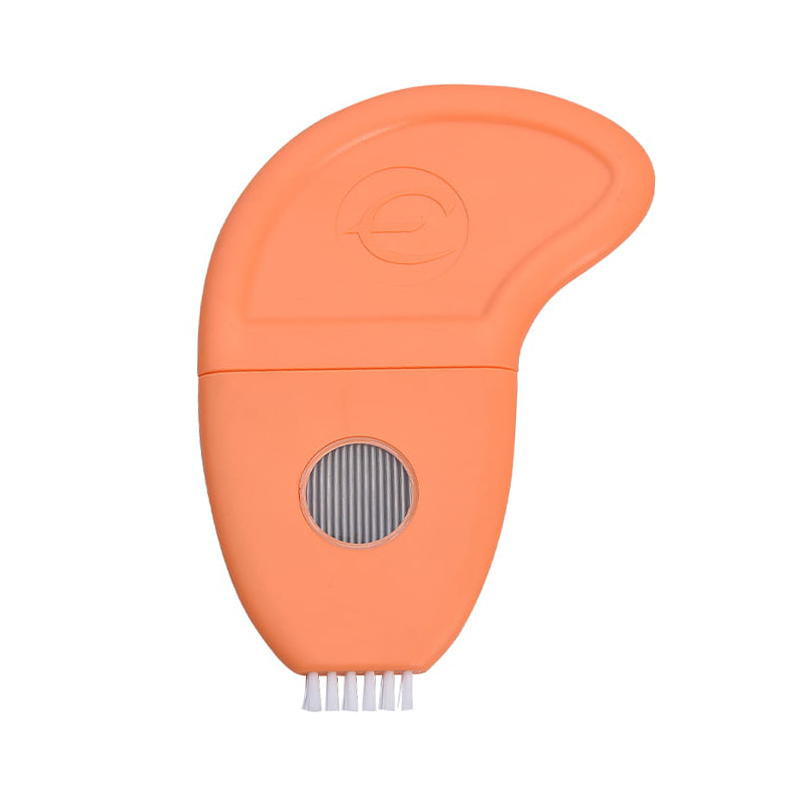
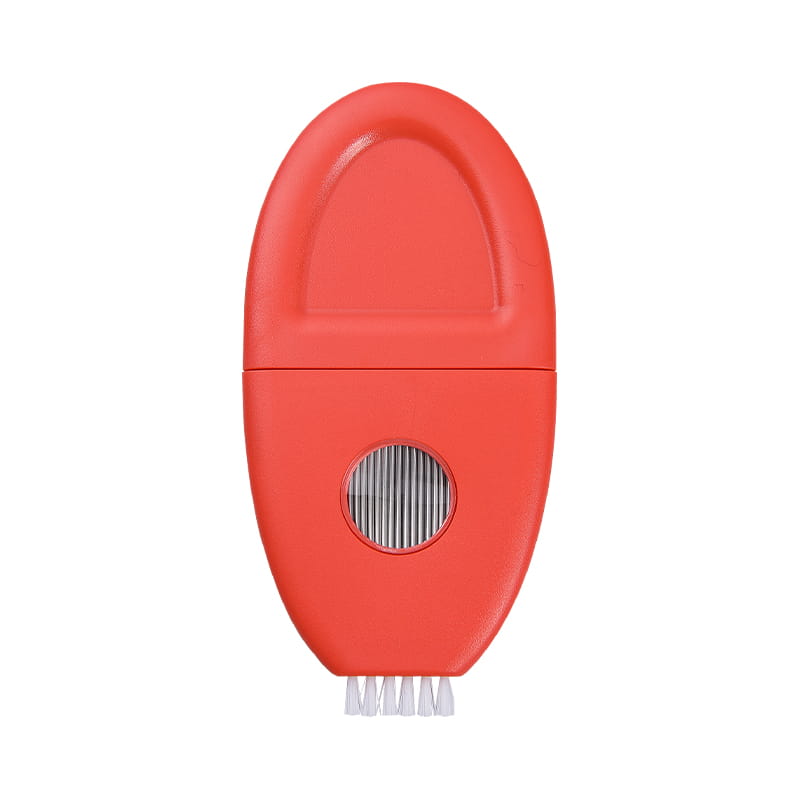
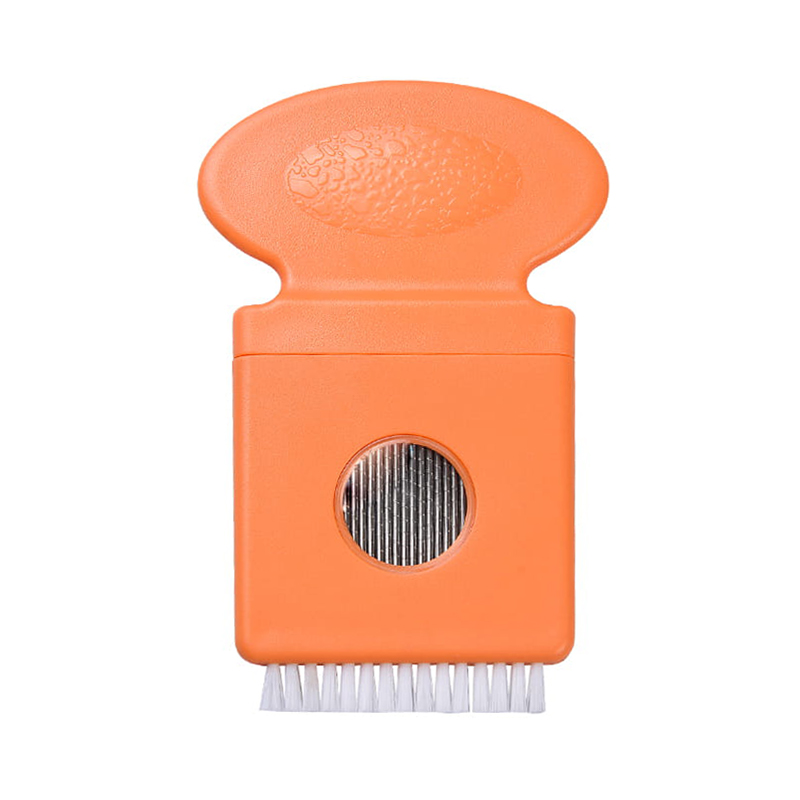
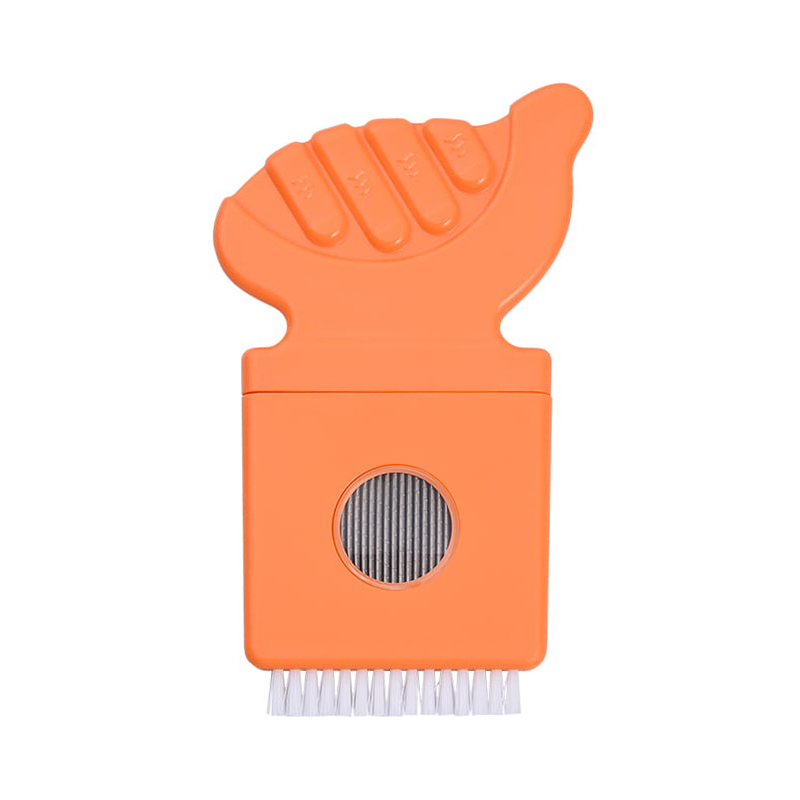
For children, the safety of lice combs can be further enhanced by using combs with rounded or smooth tips. These types of combs are less likely to cause injury or discomfort while still being effective at removing lice and nits. It is also advisable to ensure that the comb is cleaned properly after each use to prevent any potential infections or cross-contamination. After combing, the lice comb should be rinsed thoroughly with hot water and soap to remove any lice, nits, or debris. Some combs come with a cleaning tool or brush that helps remove trapped lice and nits between the teeth, making the cleaning process easier and more effective.
In the case of electric lice combs, safety is an important consideration. Although these combs are generally safe to use, users should follow all manufacturer instructions regarding the device’s use, maintenance, and storage. Electric combs should never be used on broken or irritated skin, and they should only be used in accordance with the recommended voltage and battery settings. Care should also be taken to avoid water exposure, as electric combs are typically not waterproof unless specified by the manufacturer. If the device is damaged, it should be replaced or repaired immediately to avoid any risk of electrical shock or malfunction.
Effectiveness of Hair Lice Combs
Hair lice combs are an effective tool for removing head lice, particularly when used in combination with other treatments like medicated shampoos or topical solutions. The comb’s primary function is to physically remove lice and nits from the hair and scalp by pulling them out with the teeth of the comb. It is particularly useful in helping to ensure that all lice are removed, which can be difficult with chemical treatments alone. In fact, using a lice comb is often recommended as a follow-up to chemical treatments to ensure that any remaining lice or nits are effectively removed.
The effectiveness of a lice comb depends on how thoroughly it is used. The comb should be passed through small sections of the hair, from the scalp to the tips, ensuring that every part of the scalp is thoroughly combed. Repeated combing sessions may be required over several days to ensure that all lice and nits are removed, as some eggs may not be visible or may be tightly attached to the hair shaft. While the comb may not be able to kill lice on contact like chemical treatments or electric combs, it plays a crucial role in physically removing them, thus preventing further infestation.
Time Commitment and Practicality
Using a lice comb can be a time-consuming process, particularly if the individual has thick or long hair. Each section of hair needs to be carefully combed, and the comb should be cleaned between sections to ensure that it remains free of lice and nits. For children, this process may require more patience, as they may become fidgety or uncomfortable during the combing sessions. To make the process more manageable, it may help to divide the hair into smaller sections and work in stages. For adults, particularly those with short or fine hair, the process may be quicker and easier to complete.
While using a lice comb may take more time than applying a chemical treatment, it has the advantage of being a non-toxic method of lice removal that is safe for most individuals, including young children and pregnant women. The comb can be used repeatedly without concerns about side effects or chemicals being absorbed into the skin. Additionally, lice combs are relatively inexpensive and can be used multiple times, making them a cost-effective solution for lice infestations.