

 Español
  中文简体
中文简体
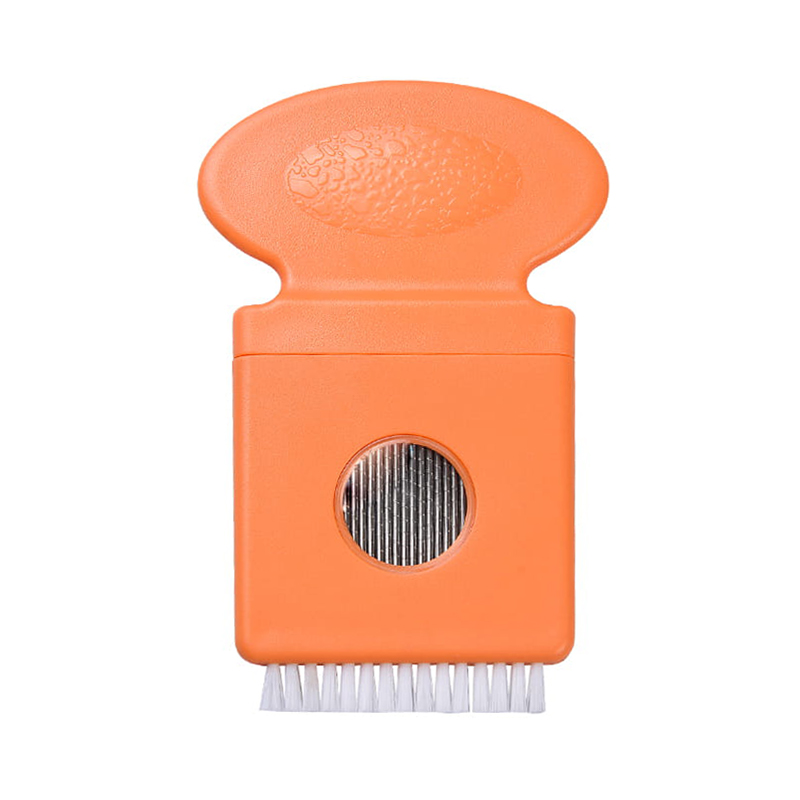
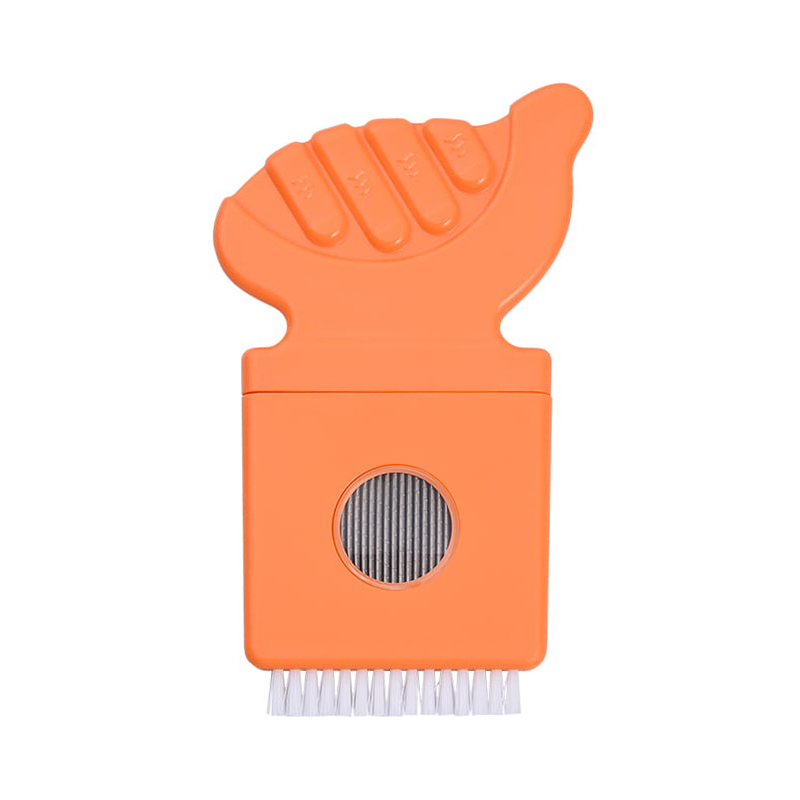
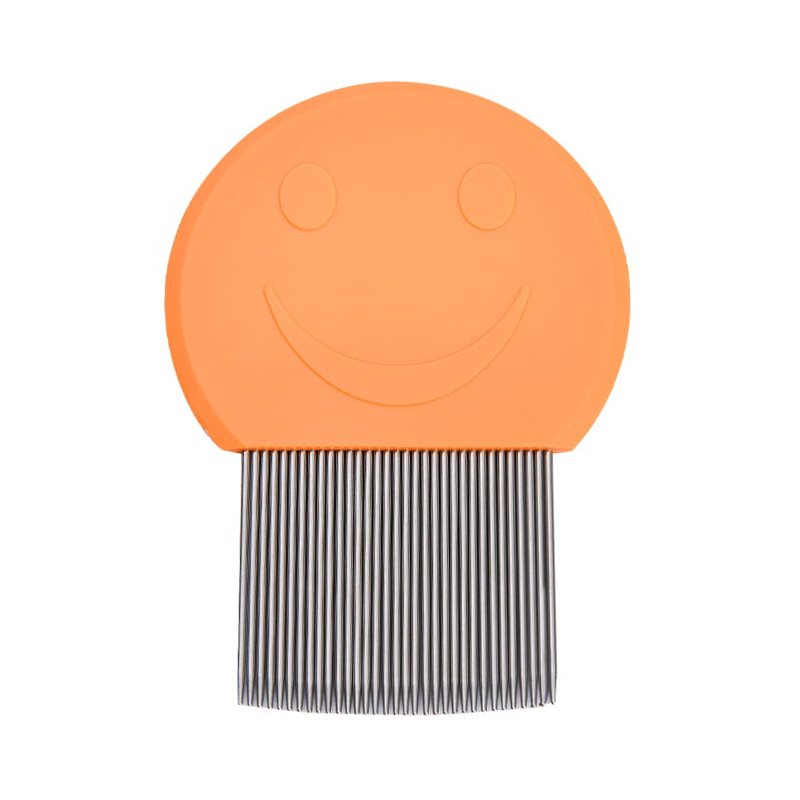
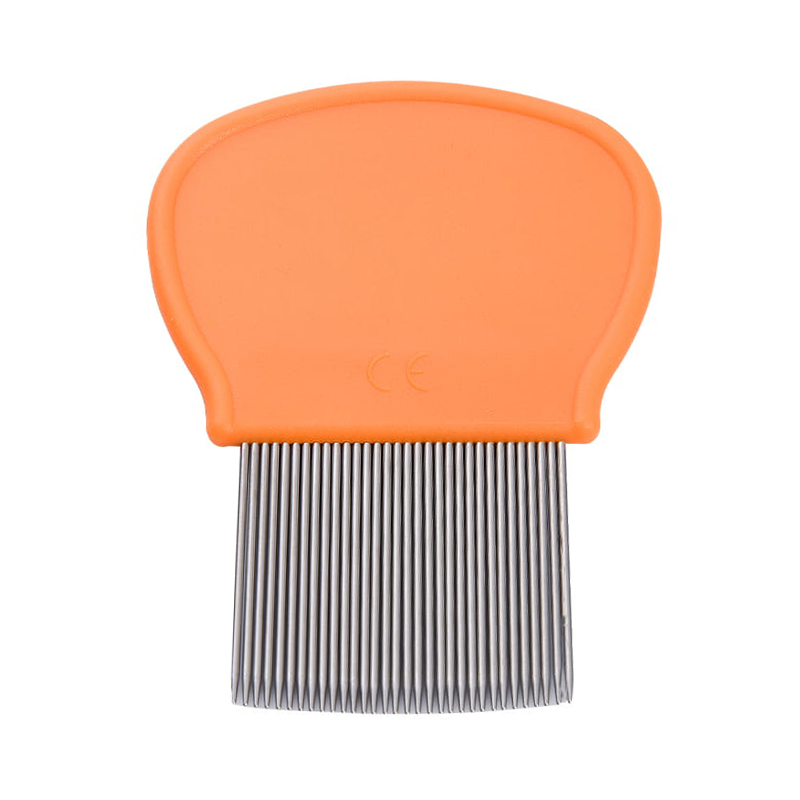
Overview of Multifunctional Lice Combs
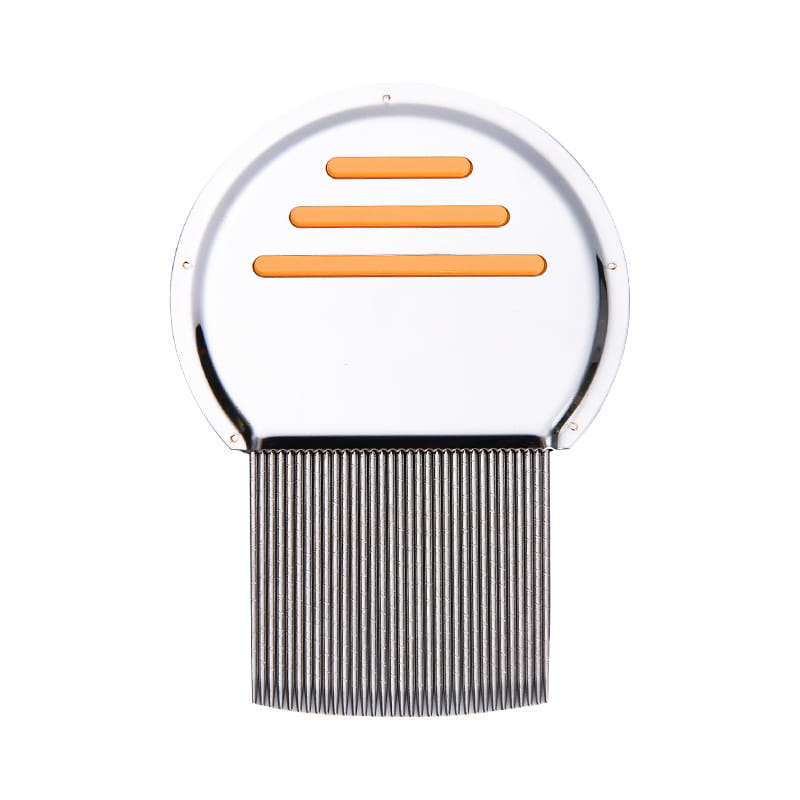
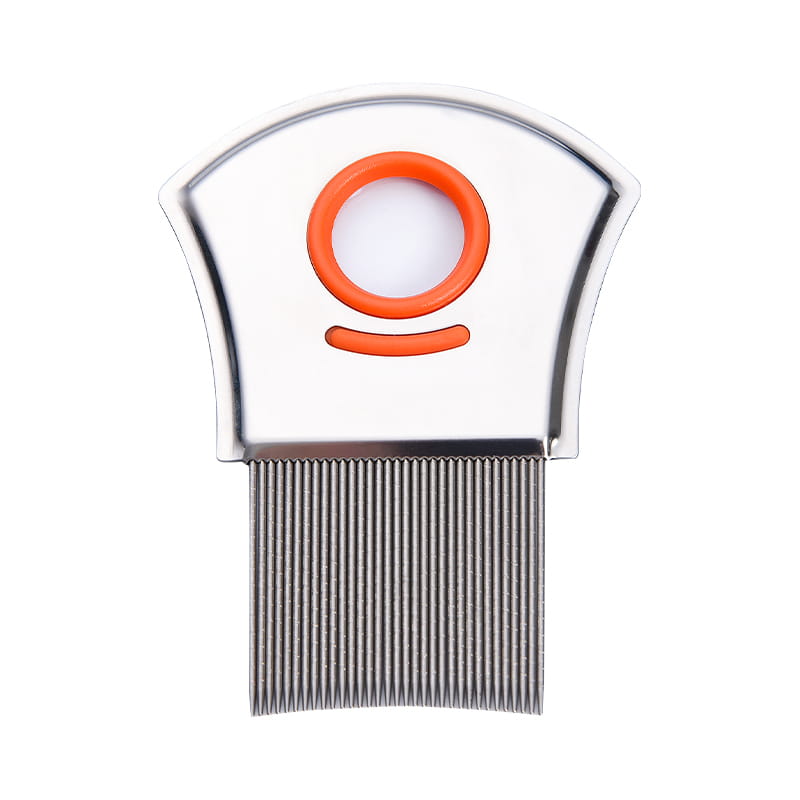
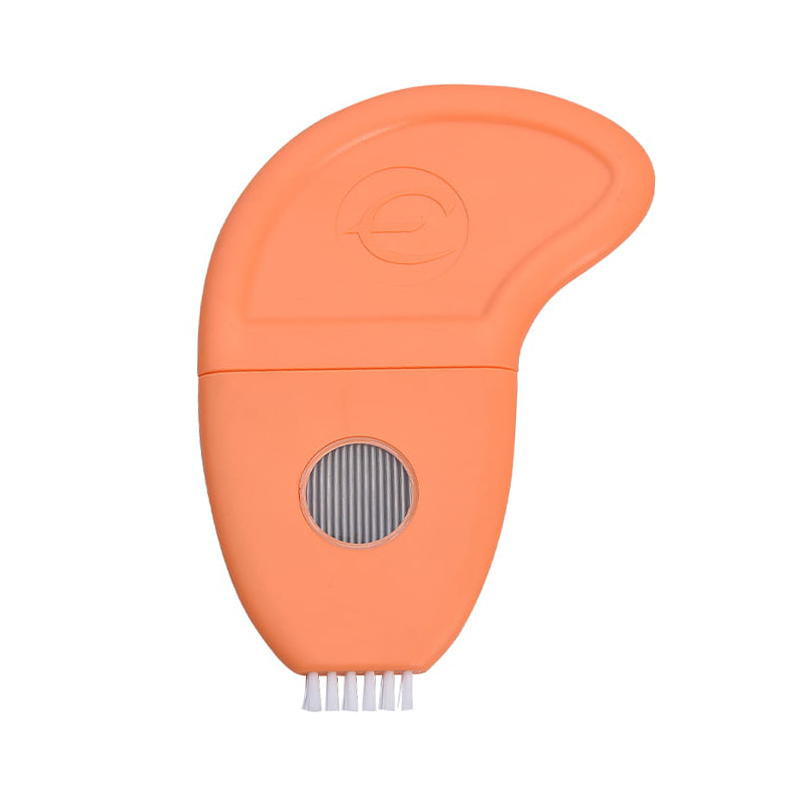
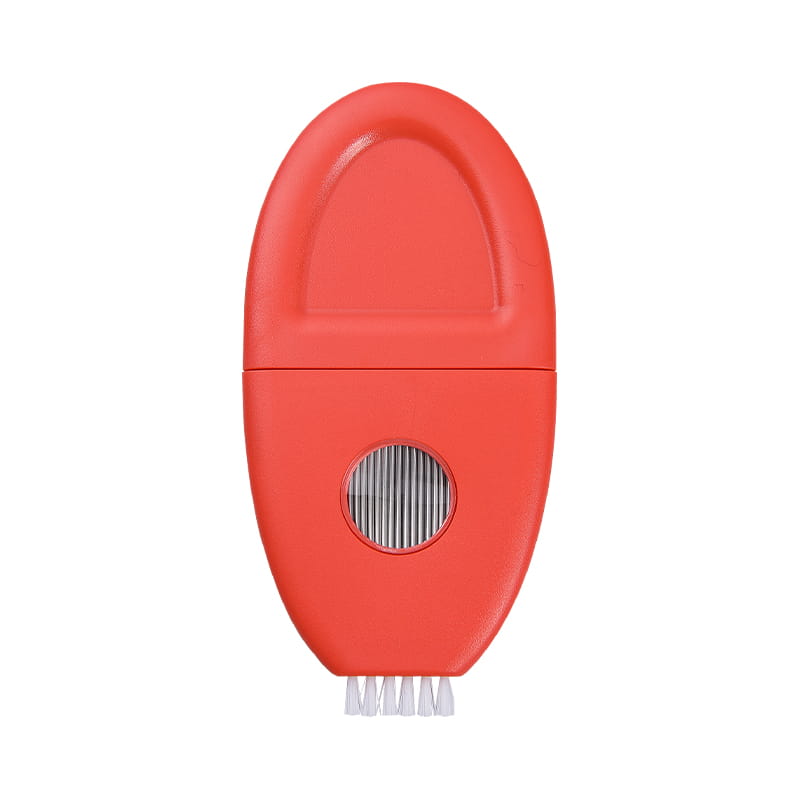
Multifunctional lice combs are grooming tools designed to remove hair lice and their eggs efficiently while minimizing discomfort and irritation to the scalp. These combs integrate features such as fine-toothed sections for nits, wider teeth for tangles, and ergonomic handles to improve control during use. By combining multiple functions in a single tool, they aim to simplify the treatment process for individuals of different ages and hair types. Multifunctional lice combs are considered an improvement over traditional hair lice combs because they incorporate design elements that may reduce pulling and friction on the scalp.
The design philosophy of these combs emphasizes user comfort, durability, and effectiveness in removing lice mechanically without relying solely on chemical treatments. The integration of multiple features in one comb allows users to adapt the tool to different hair textures, densities, and styling conditions, making it suitable for repeated use over a treatment period.
Mechanism of Scalp Irritation Reduction
The reduction of scalp irritation when using a multifunctional lice comb is achieved through several design considerations. The primary factor is the spacing and alignment of teeth. Dense-tooth lice comb sections are constructed to glide smoothly through hair while maintaining close contact with the scalp to capture lice and nits. Smooth, rounded teeth tips minimize scratching, and flexible tooth alignment allows the comb to conform slightly to scalp contours.
Ergonomic handles help distribute pressure evenly, reducing localized pulling or friction that could lead to irritation. By combining fine-tooth and wider-tooth sections, users can detangle hair before nit removal, further reducing discomfort. The mechanical design balances efficiency in lice removal with a gentle combing experience.
Comparison with Traditional Hair Lice Combs
Traditional hair lice combs often consist of a single type of fine teeth without ergonomic consideration. This design can result in increased scalp friction and pulling when hair is thick or tangled. In contrast, multifunctional lice combs provide adaptability for different hair types. Wider teeth sections can gently separate strands before dense-tooth lice comb sections are used, which reduces tension on the hair and scalp.
Furthermore, the material used for multifunctional combs—often high-quality plastics or coated metals—can improve smoothness and reduce resistance during combing. This combination of tooth design, material selection, and handle ergonomics distinguishes multifunctional lice combs from standard hair lice combs and contributes to less scalp irritation.
Material Considerations and Surface Finish
The material of a multifunctional lice comb significantly influences comfort and irritation levels. Combs made from smooth, non-porous plastics or coated metals are less likely to snag hair or irritate the scalp. Rounded edges and polished tooth tips further enhance comfort during combing. Some designs incorporate flexible teeth that bend slightly under pressure, allowing better adaptation to scalp curves and hair thickness without increasing discomfort.
Material selection also affects hygiene and durability. Non-porous materials are easier to clean and disinfect, reducing the risk of secondary irritation from residues or microbial contamination. By maintaining a smooth and safe surface, multifunctional lice combs aim to minimize adverse effects on sensitive scalp skin.
Tooth Spacing and Density Effects
Tooth spacing is critical in balancing effectiveness and comfort. Dense-tooth lice comb sections are designed to remove nits effectively but must be paired with appropriate spacing to avoid excessive friction. Wider-tooth sections allow hair to be detangled first, which reduces tension and discomfort when the dense-tooth section is applied.
The following table outlines typical tooth spacing and its potential effect on scalp irritation:
| Comb Section | Tooth Spacing | Primary Use | Effect on Scalp Irritation |
| Dense-tooth lice comb | 0.2–0.3 mm | Removal of lice and nits | Gentle scraping with proper technique reduces irritation |
| Medium spacing section | 0.4–0.5 mm | Detangling thicker hair | Prevents pulling and reduces scalp tension |
| Wide-tooth section | 0.6–1.0 mm | Initial hair separation | Minimizes discomfort in dense or curly hair |
Ergonomic Handle Design
Ergonomic handle designs contribute significantly to reducing scalp irritation. Handles shaped for natural hand positioning distribute pressure evenly along the combing stroke, which reduces force applied at any single point on the scalp. Some multifunctional lice combs include anti-slip grips, enabling controlled movement even when combing wet hair.
The combination of ergonomic handle design and flexible tooth alignment ensures that the user applies minimal force while achieving maximum lice and nit removal, enhancing comfort for both the person performing the combing and the individual being treated.
Technique and User Guidance
The method of using a multifunctional lice comb affects scalp irritation. Experts recommend starting with wide-tooth sections to gently detangle hair, then proceeding with dense-tooth lice comb sections to remove lice and nits. Short, systematic strokes from root to tip help reduce pulling and friction. Consistent combing direction and moderate speed also minimize discomfort.
Instruction manuals often accompany multifunctional lice combs, offering visual guides and usage tips to reduce irritation. Proper technique is as important as comb design in achieving an effective and comfortable lice removal process.
Comparison of User Experiences
User reports indicate that multifunctional lice combs generally produce less scalp irritation compared to single-function hair lice combs. The combination of smooth materials, rounded tooth tips, and ergonomic handles contributes to a more comfortable experience, especially for children and individuals with sensitive skin. In some cases, users may still experience mild redness or temporary sensitivity, which is typically reduced through gentle technique and repeated use over several days.
Hygiene and Maintenance Considerations
Maintaining a clean multifunctional lice comb is essential to prevent scalp irritation. Hair debris, lice remnants, or residue from topical treatments can cause discomfort or localized skin reactions if left on the comb. Combs should be washed with warm water and mild soap, and disinfected regularly. Some designs allow for easy disassembly, facilitating thorough cleaning between uses.
Proper maintenance enhances the safety and comfort of the combing process, ensuring that repeated use does not contribute to irritation or skin sensitivity.
Applications Across Different Hair Types
Multifunctional lice combs are suitable for a wide range of hair types, from fine to coarse, straight to curly. The adjustable approach using different tooth sections allows users to reduce irritation for delicate or easily tangled hair. For dense or curly hair, initial detangling with wider-tooth sections significantly lowers tension before engaging the dense-tooth lice comb.
Adaptability to hair texture makes these combs a practical choice for households with multiple family members or children of varying ages, maintaining comfort while effectively removing hair lice.
Scalp Irritation Reduction
By combining dense-tooth lice comb sections, ergonomic handle design, smooth material surfaces, and proper technique, multifunctional lice combs provide a mechanism to reduce scalp irritation during lice removal. While complete elimination of discomfort is not guaranteed, the thoughtful integration of design elements and usage guidance contributes to a more gentle and effective grooming experience. Regular maintenance, appropriate combing method, and selection of suitable tooth sections enhance the comfort and efficacy of the tool, making it a practical option for household and clinical lice treatment scenarios.