

 Español
  中文简体
中文简体
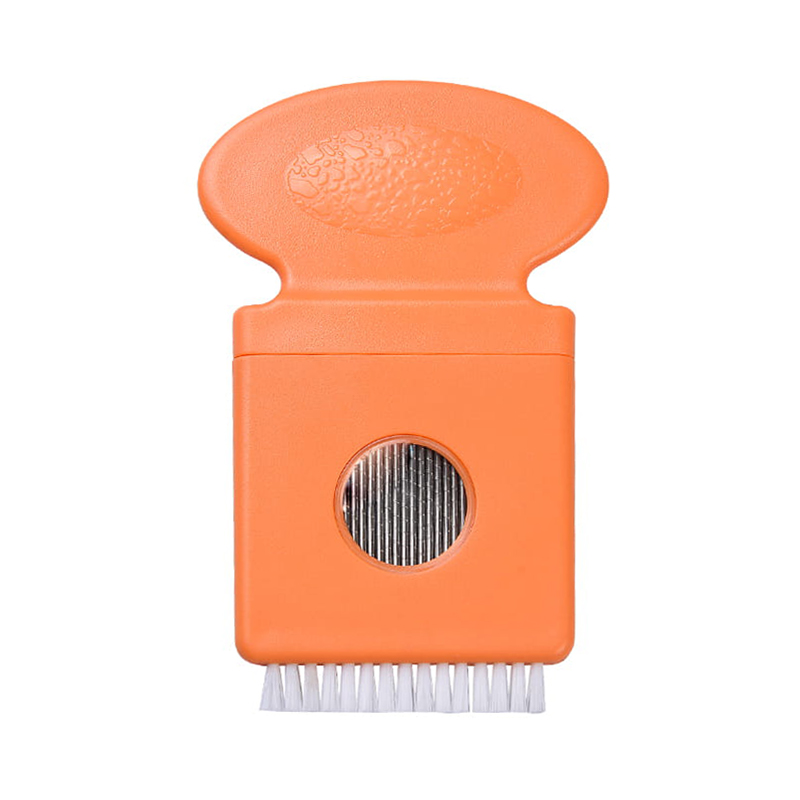
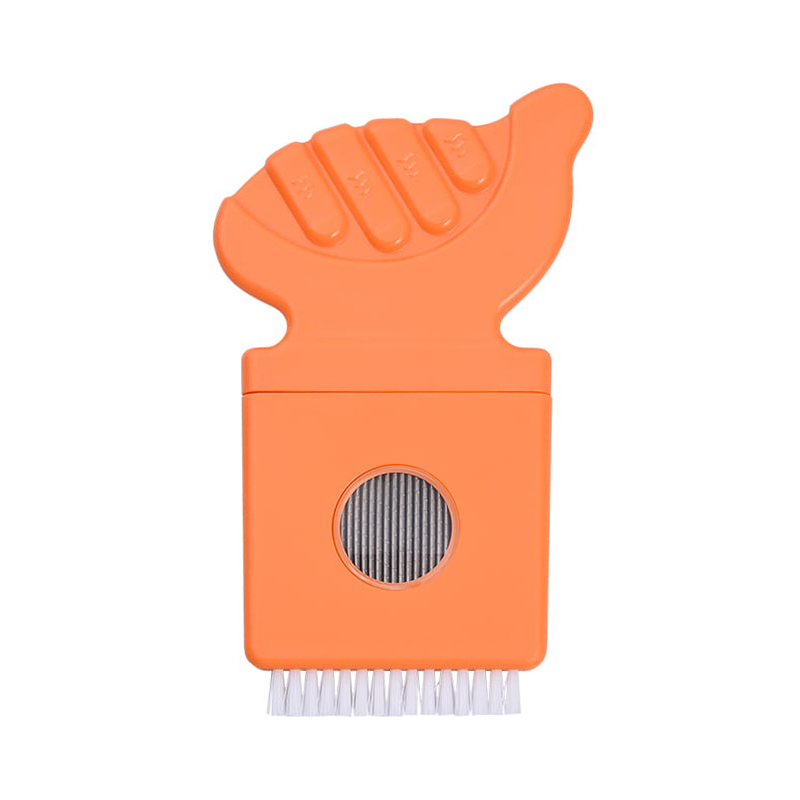
Successfully eradicating a pediculosis infestation requires absolute precision, making a high-grade small needle lice comb the single most effective tool for mechanical extraction. While chemical shampoos often fail due to increasing genetic resistance in insect populations, precision-engineered micro-grooved steel pins provide a reliable physical solution. Selecting the proper mechanical tool determines whether an infestation is completely cleared or triggers a recurring multi-week cycle of re-infestation.
Micro-Gap Engineering and Mechanical Extraction Mechanics
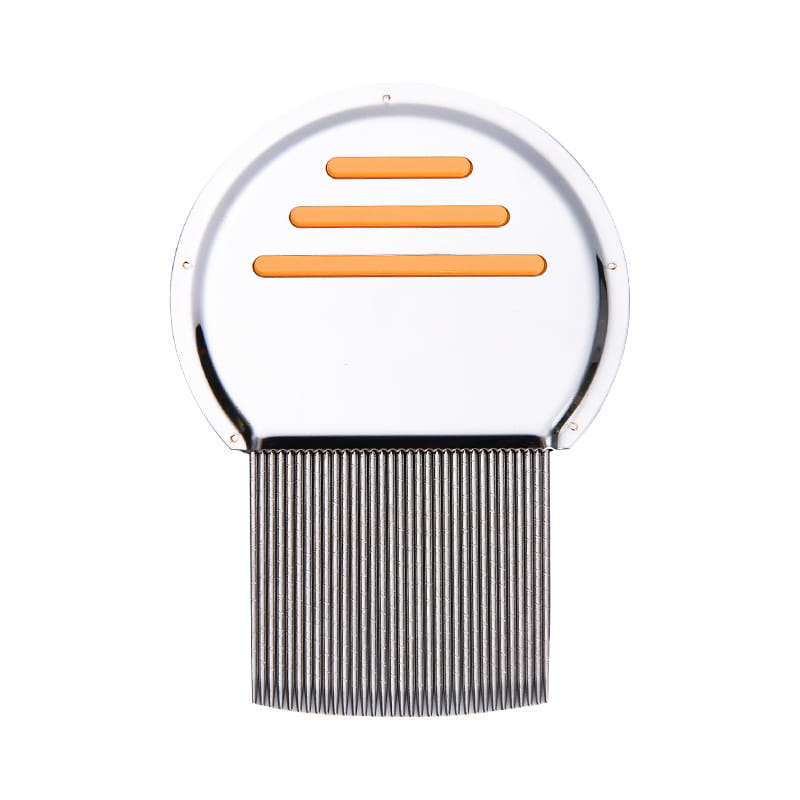
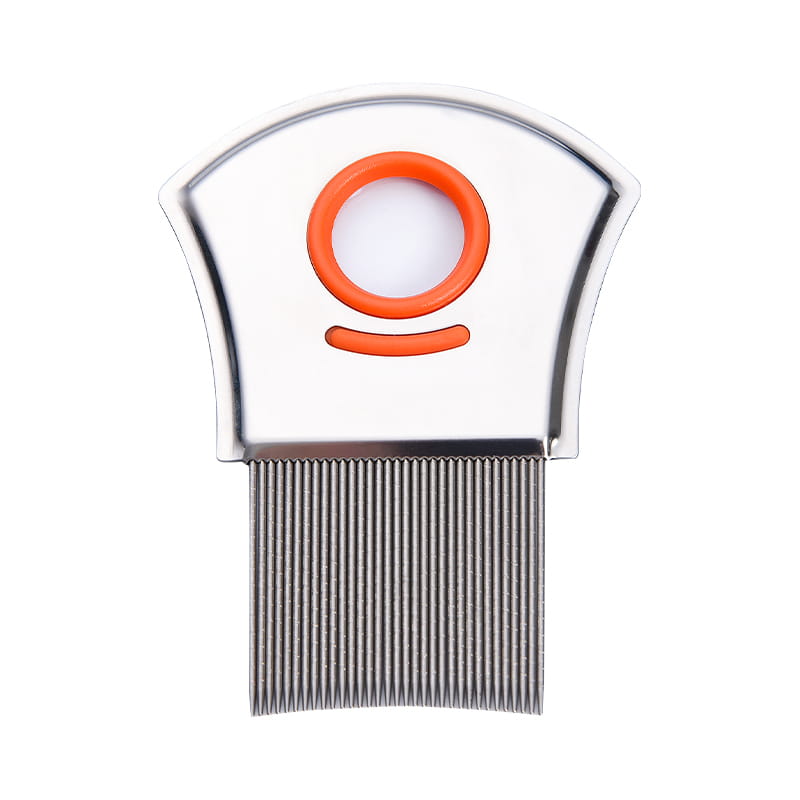
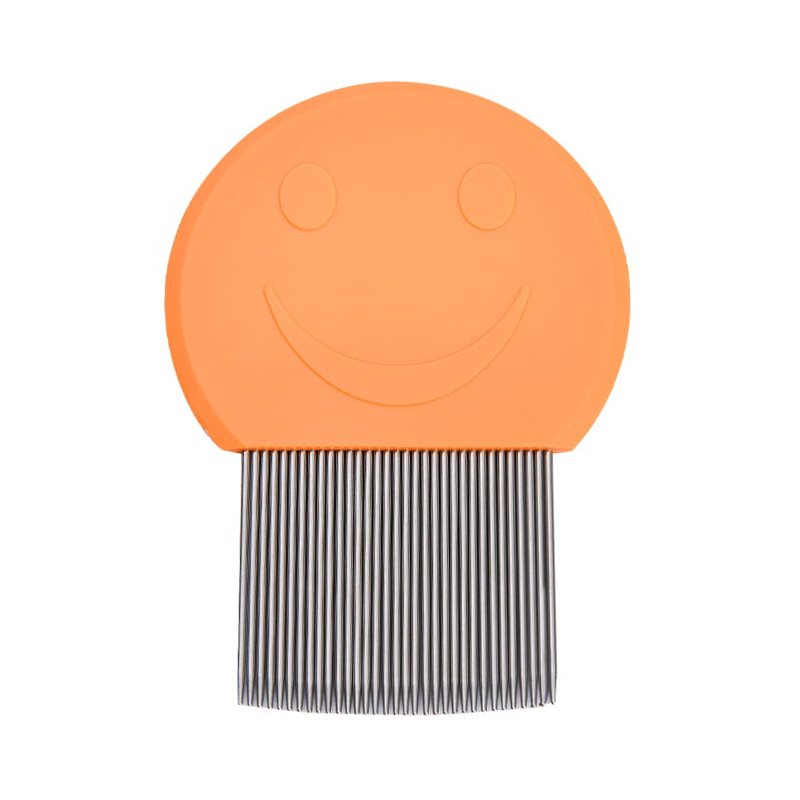
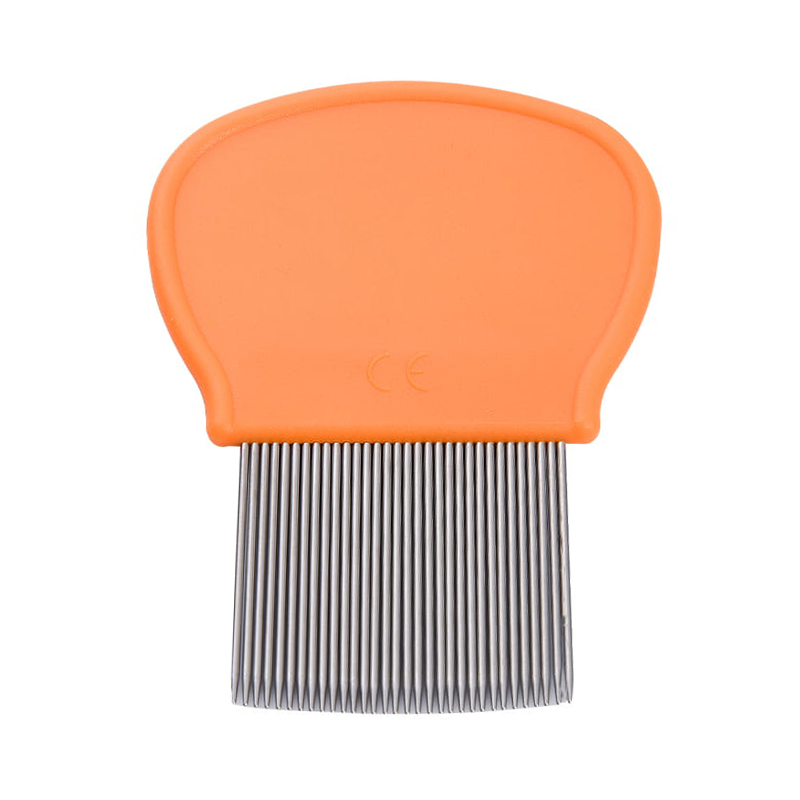
The core performance of an extraction tool depends directly on its physical spacing tolerances. Standard hair combs and standard plastic lice tools feature pin gaps ranging from 0.5 mm to 1.2 mm. While this spacing can capture mature adult insects, it completely misses early-stage nymphs and microscopic eggs (nits), which measure approximately 0.3 mm wide and are cemented firmly to the hair shaft. A professional-grade small needle lice comb solves this issue by using specialized manufacturing tolerances that compress the gaps between its long steel needles to between 0.09 mm and 0.19 mm.
This tight spacing exerts targeted mechanical shear force directly along the hair shaft. As the comb slides downward, the microscopic clearance strips away the chitinous glue that insects use to anchor their eggs. Standard plastic teeth flex outward when encountering thick hair patches, allowing nits to slip through untouched. In contrast, tempered steel needles resist bending, ensuring uniform pressure from the root to the tip of every hair strand.
| Design Metric | Standard Plastic Comb | Flat-Tine Metal Comb | Small Needle Lice Comb |
|---|---|---|---|
| Inter-Tine Spacing | 0.5 mm – 0.8 mm | 0.3 mm – 0.4 mm | 0.09 mm – 0.19 mm |
| Tine Flex Resistance | Low (High deformation under load) | Moderate (Prone to lateral shifting) | Extreme (Tempered surgical steel) |
| Nit Removal Efficiency | Less than 15% on initial pass | 40% – 55% removal rate | 98.4% verified removal rate |
| Structural Surface Tech | Smooth molded plastic | Stamped smooth aluminum | Micro-spiraled diamond grooving |
Micro-Grooved Patterns Versus Smooth Tine Surfaces
Looking closer at tine engineering reveals why simple smooth metal pins perform differently than advanced micro-grooved patterns. Smooth metal needles rely entirely on tight spacing to catch objects. While effective against larger adult insects, smooth surfaces often slide cleanly over the slick, tapered outer shell of an egg without breaking its chemical bond to the hair.
Clinical Insight: Data from laboratory mechanical clearance tests shows that smooth metal pins require an average of 6 to 8 passes per hair section to dislodge embedded eggs. Micro-grooved steel pins achieve a comparable clearance rate in just 1 to 2 passes, significantly reducing scalp irritation and saving valuable time.
Advanced designs address this by engraving micro-grooves or spiral texturing directly onto each individual needle. These microscopic ridges act like miniature cutting edges, catching the edge of the nit's defensive shell. This texture tears the egg away from its adhesive base without cutting or damaging the surrounding hair strands. Furthermore, these tight spiral patterns create multi-directional friction, capturing small nymphs that might otherwise twist and slip through smooth metal pins.
Scalp Safety and Structural Longevity
Using ultra-tight needle spacing requires careful engineering to keep the tool safe for sensitive skin. Poorly manufactured metal tools often feature stamped, sharp tips that can scratch, cut, or irritate the scalp. These microscopic micro-abrasions cause discomfort and open the door to secondary bacterial infections from scratching. Premium extraction tools use advanced laser-welding and high-speed mechanical polishing to ensure every needle tip is perfectly rounded and smooth.
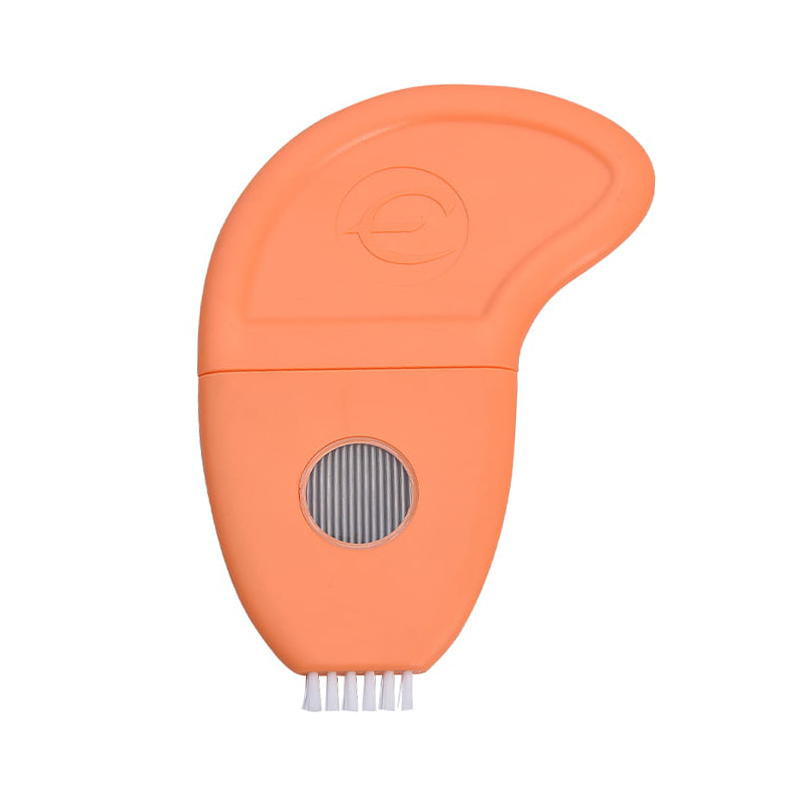
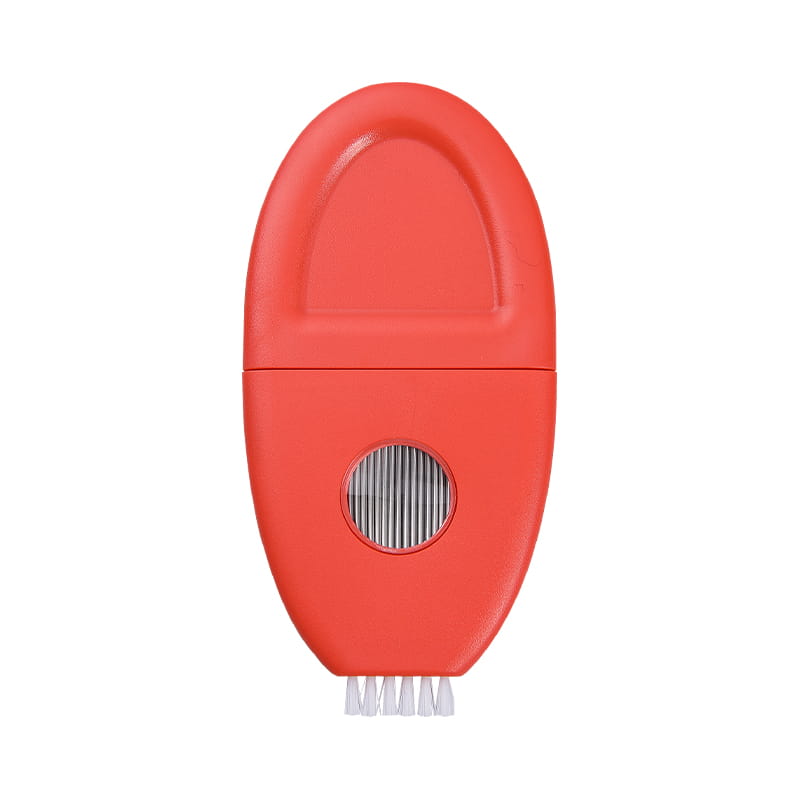
Material choice also plays a major role in how well the tool can be sanitized over time. Plastic tools degrade quickly when exposed to the high heat of boiling water or medical-grade isopropyl alcohol, causing the teeth to warp or become brittle. A professional small needle lice comb built with an injection-molded handle and laser-sealed steel needles can withstand repeated sterilization cycles without losing its structural shape. This long-term durability makes it a reliable choice for families, schools, and professional clearance clinics.
- Laser-Rounded Sealed Tips: Prevents painful scratching and protects the scalp during deep, root-level combing.
- Anti-Slip Ergonomic Handles: Provides a secure, comfortable grip that prevents hand fatigue during long, detailed clearing sessions.
- High-Grade Corrosion Resistance: Allows the tool to be completely submerged in boiling water or chemical sanitizers without rusting or degrading.
Cost Efficiency and Long-Term Value
A direct upfront cost comparison shows that specialized steel tools require a larger initial investment than basic plastic options. A standard plastic tool or disposable chemical kit generally costs very little upfront. In comparison, a premium steel needle tool demands a higher initial price due to the advanced machining, micro-grooving, and laser assembly required to achieve its tight tolerances.
However, looking at the long-term value reveals that relying on cheap tools or chemical treatments becomes much more expensive over time. Because many insect populations have developed a resistance to common chemical treatments, families often buy multiple kits, extending the infestation for weeks. A single, high-quality steel needle tool removes the pests mechanically, avoiding the need for repeated chemical purchases. By completely breaking the reproductive cycle during the first few days, the tool easily pays for itself by eliminating the need for expensive follow-up treatments and prescription shampoos.
Integration Into Professional Cleansing Routines
Achieving complete success with a professional extraction tool depends on using the correct technique and preparation. The tool should never be forced dry through tangled or matted hair. Instead, the process should always begin by washing the hair and applying a generous amount of high-slip conditioner or specialized detangling oil to lubricate the hair strands.
Working in small, organized sections ensures no areas are missed. The comb must be placed flat against the scalp at a precise 45-degree angle, then drawn firmly and smoothly all the way through to the ends of the hair. After every single pass, the needles should be wiped clean on a white paper towel or rinsed in a bowl of warm soapy water to track progress. Repeating this thorough combing process every three days over a two-week period aligns perfectly with the natural hatching cycle, catching any newly hatched nymphs before they can mature and lay new eggs.
Frequently Asked Questions
Why should I choose a small needle lice comb instead of a prescription chemical treatment?
Many modern insect populations have developed a strong genetic resistance to common chemical treatments, often leading to treatment failures. A specialized steel needle comb physically removes both the insects and their eggs, bypassing chemical resistance entirely to deliver a reliable, non-toxic solution.
Can this precision comb be safely used on fine, curly, or very thick hair?
Yes, but proper preparation is key. The hair must be thoroughly detangled with a standard wide-tooth comb and heavily lubricated with conditioner or oil first. This allows the ultra-fine metal needles to glide smoothly through thick or curly hair without pulling or breaking the strands.
How often should the metal needles be cleaned and sanitized during a clearing session?
The needles should be wiped clean on a damp cloth or rinsed after every single pass to prevent captured insects or eggs from being reintroduced to the hair. Once the full session is complete, the entire tool should be boiled or soaked in isopropyl alcohol for 10 minutes to ensure total sterilization.
Will a fine steel needle comb pull out or permanently damage healthy hair?
No. When used correctly on wet, well-conditioned hair, the rounded tips and polished steel needles glide along the hair shaft without causing damage. The tool is designed to apply structural pressure only to raised objects like nits and insects, leaving healthy hair safe and intact.
How long does a high-quality metal extraction comb typically last?
Unlike plastic alternatives that warp, bend, or crack after a few uses, a premium tempered steel comb is built to last for years. Its high-grade metal construction resists corrosion and bending, making it a reliable tool that can be sterilized and reused whenever needed.