

 Español
  中文简体
中文简体
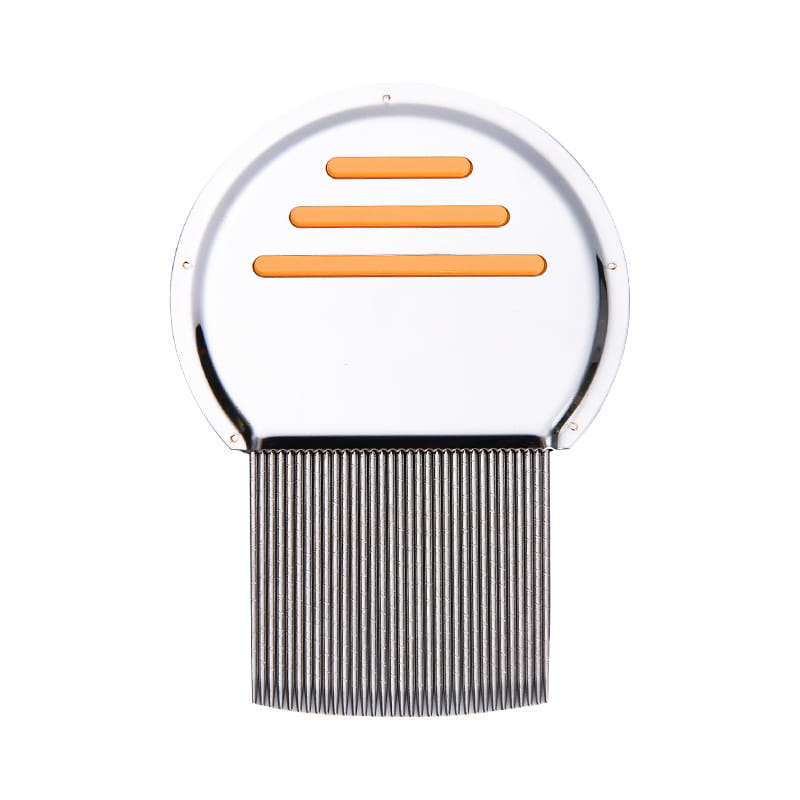
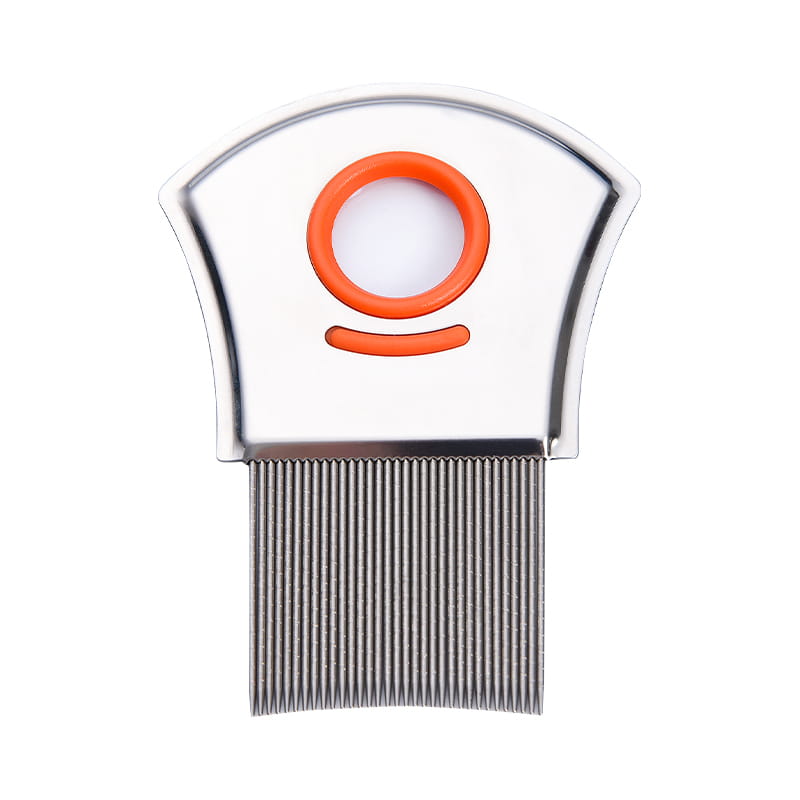
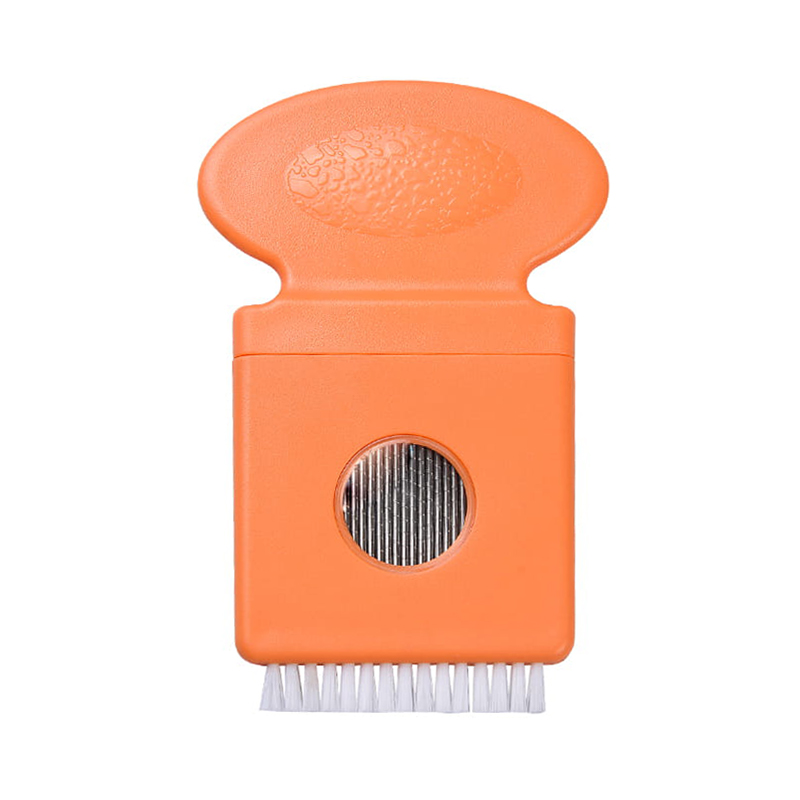
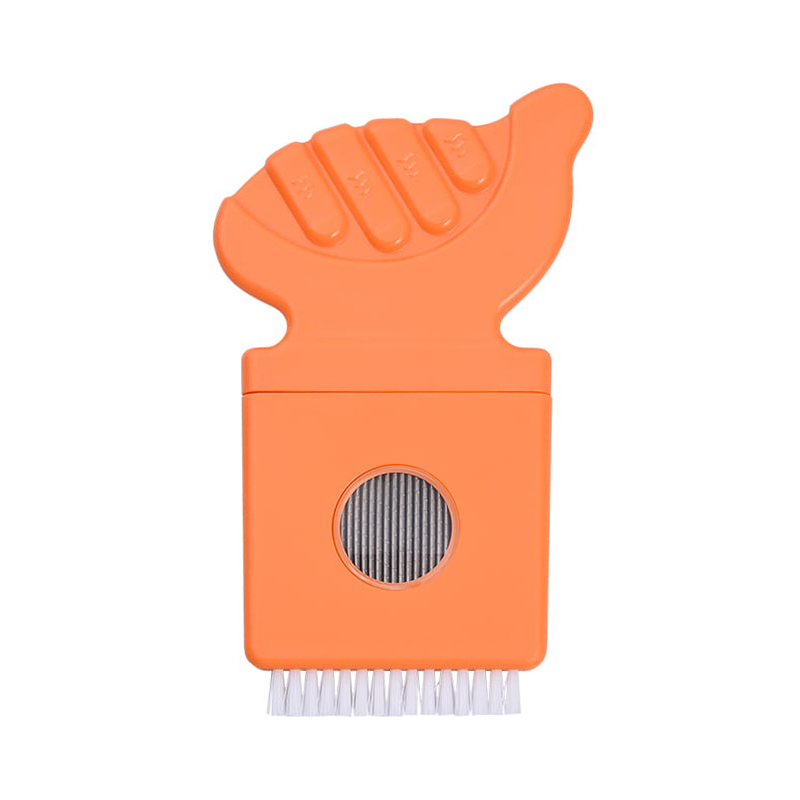
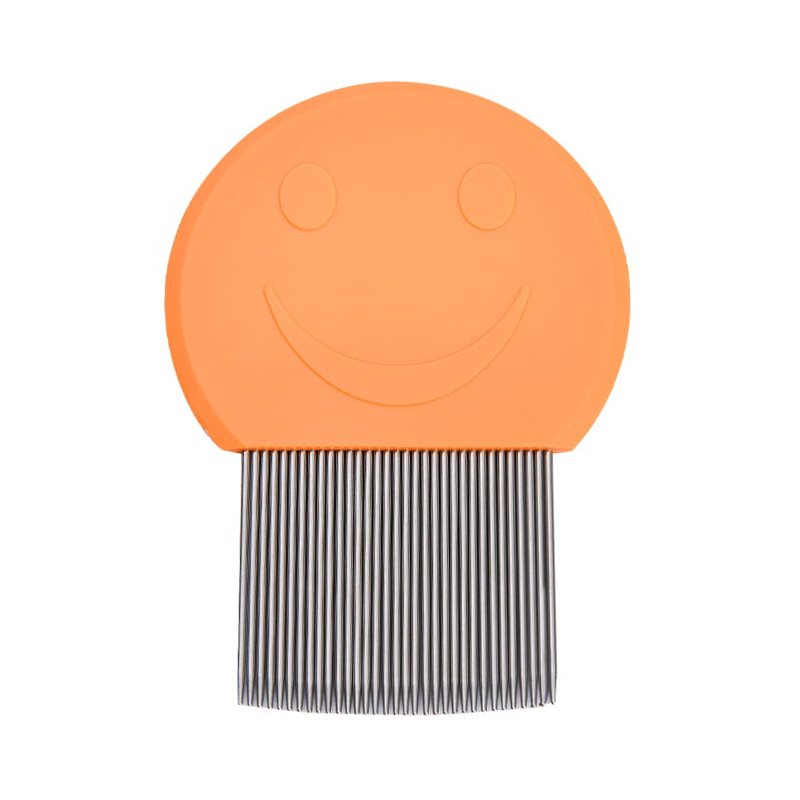
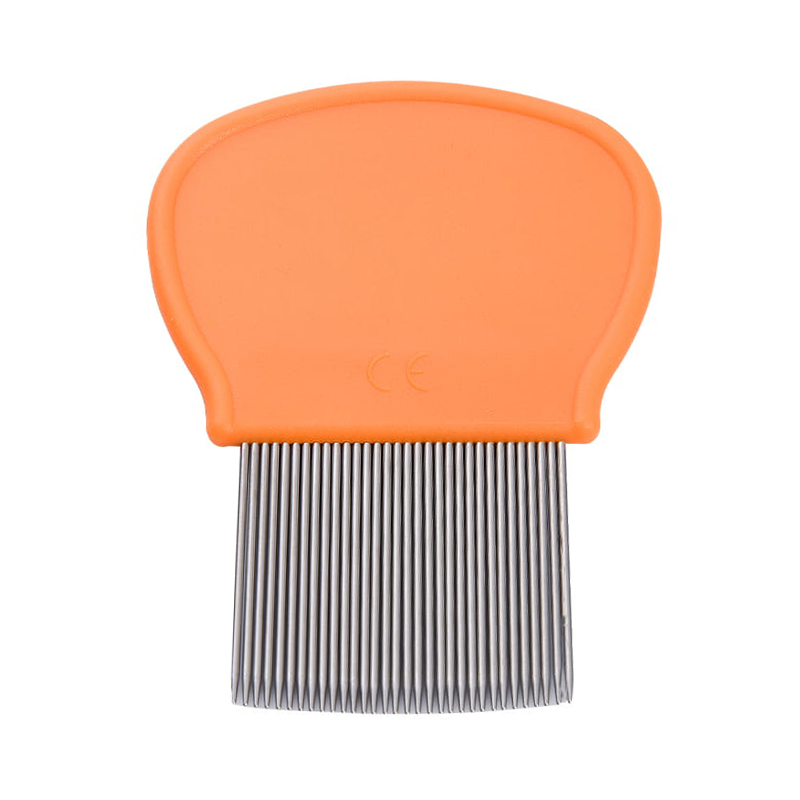
A metal dense-tooth lice comb removes more lice and nits per pass than a plastic equivalent, because its tooth spacing is typically narrower and more precisely machined, and the rigid metal doesn't flex or bend the way plastic teeth can under the pressure needed to grip firmly attached eggs. For thorough at-home treatment, tooth spacing under 0.2mm combined with rounded tooth tips to protect the scalp makes the biggest practical difference in results.
Metal vs Plastic Dense-Tooth Lice Combs
The material a dense-tooth lice comb is made from directly affects how well it performs against both live lice and firmly cemented nits. Metal combs, typically stainless steel, are machined with tighter and more consistent tooth spacing, and the rigidity of the material means the teeth don't bend or splay apart when pulled through thick or tangled hair. Plastic combs are more affordable and gentler on sensitive scalps, but the wider manufacturing tolerances often mean slightly larger gaps between teeth, giving lice and nits more room to slip through.
Metal Dense-Tooth Comb
- Tighter, more precise tooth spacing (often under 0.2mm)
- Rigid teeth that don't bend under pressure
- More durable, resists warping over repeated use
- Can feel sharper against sensitive scalps
Plastic Dense-Tooth Comb
- Slightly wider tooth spacing on average
- Teeth can flex or splay under firm pressure
- Lower cost, often sold in multi-packs
- Generally more comfortable for children's scalps
Why Tooth Spacing Is the Single Most Important Spec
Lice eggs, or nits, are cemented to individual hair shafts close to the scalp and measure roughly 0.8mm in length, while adult lice bodies are slightly larger. A dense-tooth lice comb needs spacing narrow enough to catch both, but not so tight that it becomes impossible to pull through hair without excessive force. Combs with spacing around 0.1mm to 0.2mm between teeth are widely considered the standard for effective removal, since anything much wider allows both nits and smaller nymphs to pass through untouched.
| Tooth Spacing | Effectiveness on Nits | Effectiveness on Adult Lice |
| Under 0.1mm | Very high, but can be difficult to pull through thick hair | Very high |
| 0.1–0.2mm | High, standard recommended range | High |
| 0.2–0.3mm | Moderate, may miss firmly attached nits | Moderate |
| Over 0.3mm | Low, primarily detangles rather than removes | Low to moderate |
Tooth Design Features That Affect Comfort and Results
Beyond raw spacing, several design details influence how well a dense-tooth lice comb performs during actual use, particularly on children or anyone with a sensitive scalp.
- Rounded tooth tips: Reduce scratching and discomfort against the scalp during repeated combing sessions, which matters since thorough treatment requires multiple passes over several days.
- Beveled or grooved teeth: Some combs feature a grooved channel along each tooth designed to trap and hold nits as the comb passes through, rather than relying on spacing alone.
- Double-sided design: Combines a wider-spaced detangling side with a dense-tooth removal side, letting users work through knots first before switching to the fine-tooth side for extraction.
- Ergonomic handle grip: A stable, non-slip handle makes it easier to maintain consistent pressure through long, thick, or curly hair without the comb twisting mid-stroke.
Hair Type and Texture Considerations
Not every dense-tooth lice comb performs equally well across different hair textures, and choosing the wrong style for a given hair type is one of the most common reasons treatment feels ineffective.
| Hair Type | Recommended Tooth Spacing | Additional Considerations |
| Fine, straight hair | 0.1–0.15mm | Tighter spacing works well since strands lie flat and separate easily |
| Thick, coarse hair | 0.15–0.2mm | Slightly wider spacing reduces snagging while still catching nits |
| Curly or coily hair | 0.15–0.25mm | Wider spacing combined with detangling first pass improves glide-through |
| Very fine children's hair | 0.1mm | Rounded teeth are especially important to avoid scalp irritation |
How Often to Comb for Effective Treatment
A single combing session, even with the most effective dense-tooth lice comb, rarely eliminates an infestation entirely, since nits that haven't hatched yet can survive an initial pass and hatch days later. A consistent combing schedule matters as much as the comb itself.
- Comb thoroughly on day 1, working in small sections from root to tip, wiping the comb after every stroke.
- Repeat the full combing session every 3 to 4 days over a 2-week period, since this window covers the typical 6-to-10-day incubation period for any nits missed initially.
- Check the scalp and hairline closely after each session, since reinfestation from missed nits is the most common reason treatment appears to fail.
- Continue combing for at least a few days after no live lice or nits are found, to catch any late-hatching eggs.
What Higher-End Buyers Look for Beyond Basic Spacing
Parents and caregivers dealing with repeated infestations, or professionals such as school nurses and salon staff who use combs regularly, tend to prioritize a different set of features than a one-time household buyer.
Corrosion-Resistant Metal
Stainless steel construction resists rust from repeated washing and disinfecting, which matters for combs used across multiple sessions or shared among family members.
Autoclave or Boil-Safe Materials
Professional settings often require combs that can be sterilized between uses on different individuals, making heat-resistant metal designs the practical choice over plastic.
Precision Laser-Cut Teeth
Laser-cutting produces more uniform tooth spacing across the entire comb compared to injection-molded plastic, reducing gaps where nits could otherwise slip through.
Bundled Treatment Kits
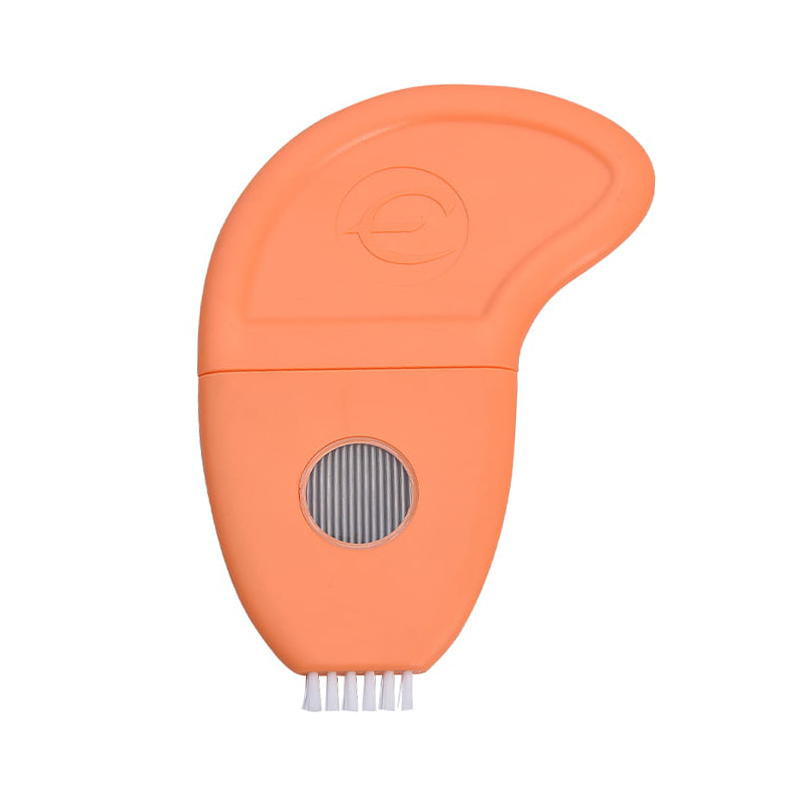
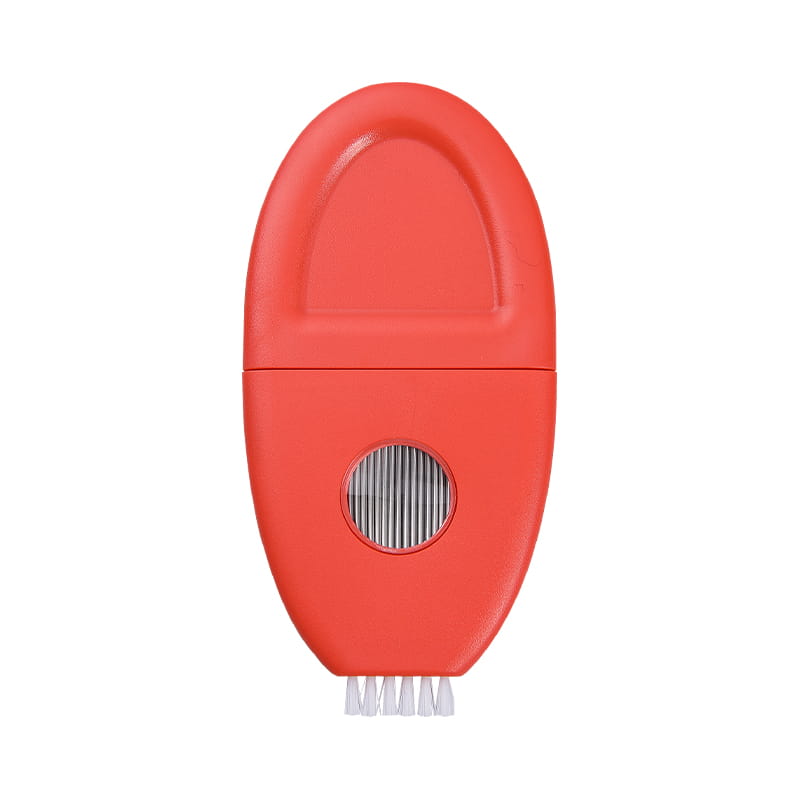
Combs sold alongside magnifying tools, sectioning clips, and disposal bags appeal to buyers who want a complete system rather than a standalone tool.
Cleaning and Maintaining a Lice Comb Between Uses
Proper cleaning prevents recontamination and keeps a dense-tooth lice comb performing consistently across multiple sessions.
- Wipe the comb after every few strokes during use, since debris buildup between teeth reduces catch efficiency mid-session.
- Soak metal combs in hot water (above 130°F/54°C) for 5-10 minutes after each full session to kill any remaining lice or nits.
- Avoid prolonged soaking of plastic combs in very hot water, since repeated heat exposure can warp or weaken the tooth structure over time.
- Dry the comb completely before storage to prevent rust on metal teeth or mold growth in any textured grip areas.
Frequently Asked Questions
What tooth spacing should a dense-tooth lice comb have?
Look for spacing between 0.1mm and 0.2mm, since this range is narrow enough to catch both nits and adult lice while still allowing the comb to pass through hair without excessive snagging.
Is a metal or plastic dense-tooth lice comb more effective?
Metal combs generally offer tighter, more consistent tooth spacing and greater rigidity, making them more effective at removing firmly attached nits, though plastic combs can still work well for lighter infestations or sensitive scalps.
How often should I use a dense-tooth lice comb during treatment?
Comb thoroughly every 3 to 4 days for about 2 weeks, since this schedule covers the full incubation period of any nits that may have been missed during earlier sessions.
Can a dense-tooth lice comb be used on wet hair?
Yes, combing wet hair with conditioner applied reduces static and helps the comb glide more smoothly through strands, which can improve both comfort and catch rate compared to dry combing.
How do I clean a dense-tooth lice comb after use?
Wipe debris from the teeth during use, then soak metal combs in hot water for 5 to 10 minutes after each session, and dry thoroughly before storing to prevent rust or mold buildup.