

 Español
 中文简体

You are evaluating new suppliers for your lice comb line, and every factory says the same thing: “We have advanced machines, strict quality control, and many years of experience.” The samples you receive, however, tell a different story. Some combs have burrs along the stainless steel teeth. Others flex too much when you pull them through the hair. The difference usually comes down to how deeply the manufacturer controls the production process, not just whether they can assemble a comb.
The short answer is this: reliable lice comb manufacturers are those that combine in-house production of critical components, mature tooling capability, and repeatable quality verification. This article explains what to check before placing a bulk order.
What to Look for in a Lice Comb Manufacturer
Start with the component that does the actual work: the metal tines. A manufacturer that produces its own stainless steel needles can adjust hardness, surface smoothness, and tip rounding to prevent scalp scratching while still lifting nits from the hair shaft. A factory that buys needles from a third party often has less control over those parameters, and final quality can vary from batch to batch.
Production history matters more than you might expect. A factory that started with metal stamping before moving into finished combs—like our own transition from stainless steel production in 2003 to lice comb assembly in 2008—has usually solved more metal-related quality problems. That experience becomes visible in consistent tooth spacing and polished edges.
Tooling and Customization
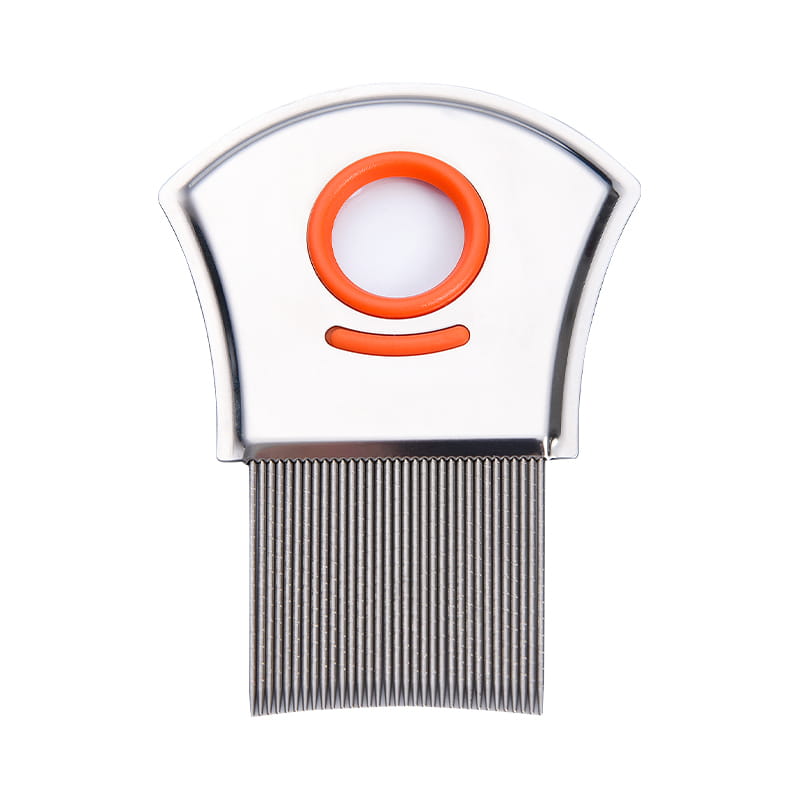
Customization is not just printing a logo on the handle. It can involve reshaping the comb body, adjusting tine density, modifying handle ergonomics, or integrating a magnifying lens for easier nit removal. The right manufacturer will have in-house mold development and design patents that show they can turn a rough concept into a producible item. Ask for examples of molds they have developed for existing clients, and note whether they explain the limitations of a given material honestly.
Quality Validation
High output does not automatically mean high quality, but the right processes make consistency possible. Look for factories that use specific test equipment to check tine spacing, needle strength, and surface finish. Ask about their inspection flow between pressing, polishing, assembly, and packing. A clear answer to “What happens when a defect is found on the line?” is usually more informative than a list of certificates.
The Product Families That Test a Manufacturer's Skills
Lice combs are not a single product category. Different materials and end uses require different production capabilities. When you are talking with potential lice comb manufacturers, run through these families to see how broad their experience actually is.
All-Stainless Steel Combs
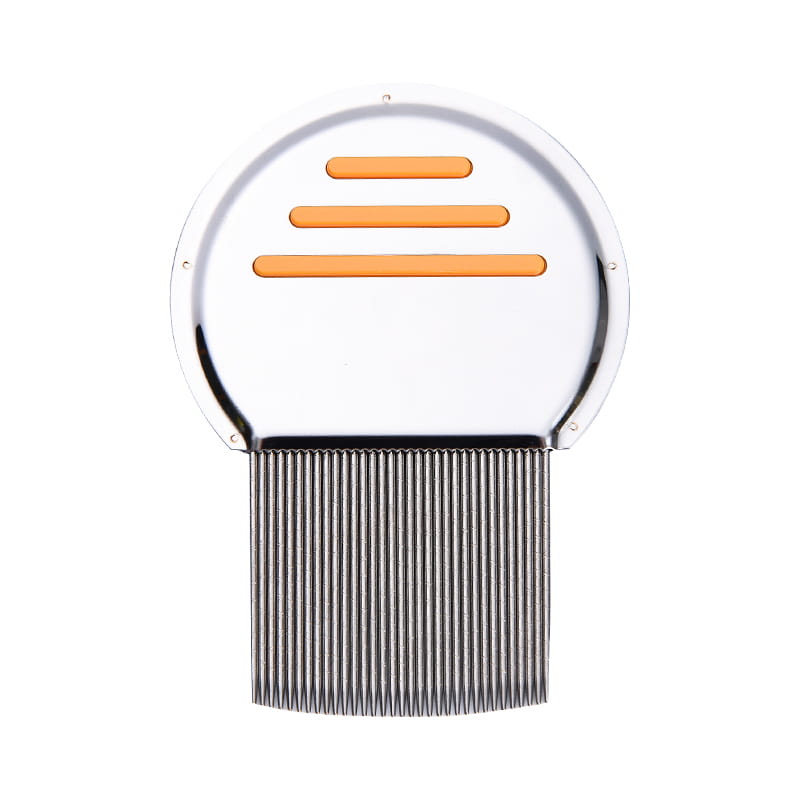
A true all-stainless steel lice comb is not just a metal handle with plastic teeth. The tines must be cut, rounded, and inserted so they remain parallel under repeated pressure. When you evaluate a supplier, bend a sample slightly to see whether the teeth spring back and whether the pin joints stay tight. The tough strong stainless steel louse comb is a typical example of this category, with fully metal construction designed for long service life.
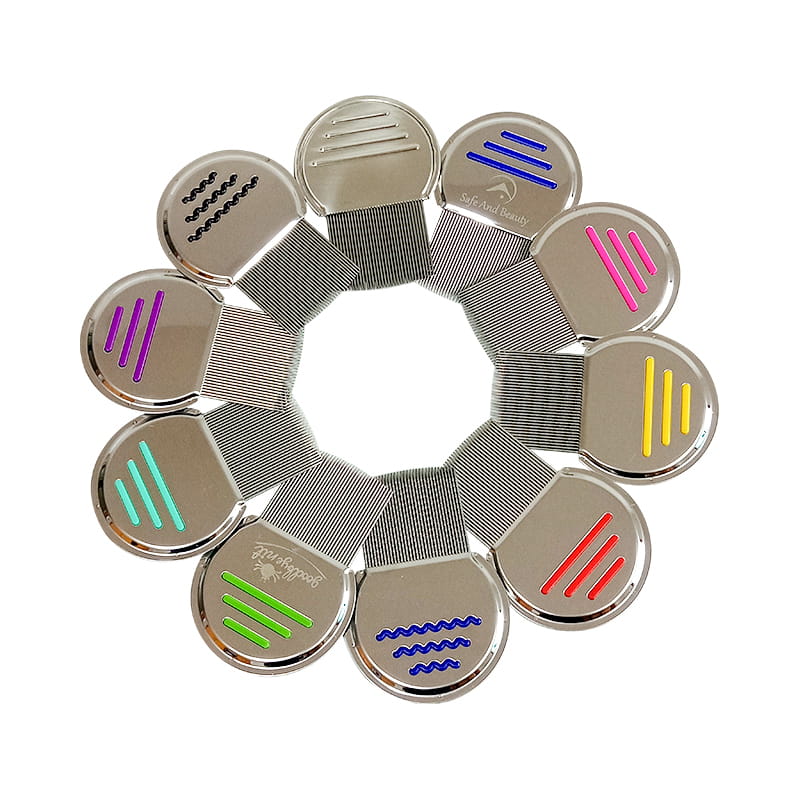 Tough Strong Stainless Steel Louse Comb with Laser-Welded NeedlesFully metal construction with fine 0.08-0.1mm needle spacing targets lice and nits. Ergonomic SS304 handle reduces fatigue; ideal for repeated use in home and travel settings.View Product →
Plastic and Hybrid Designs
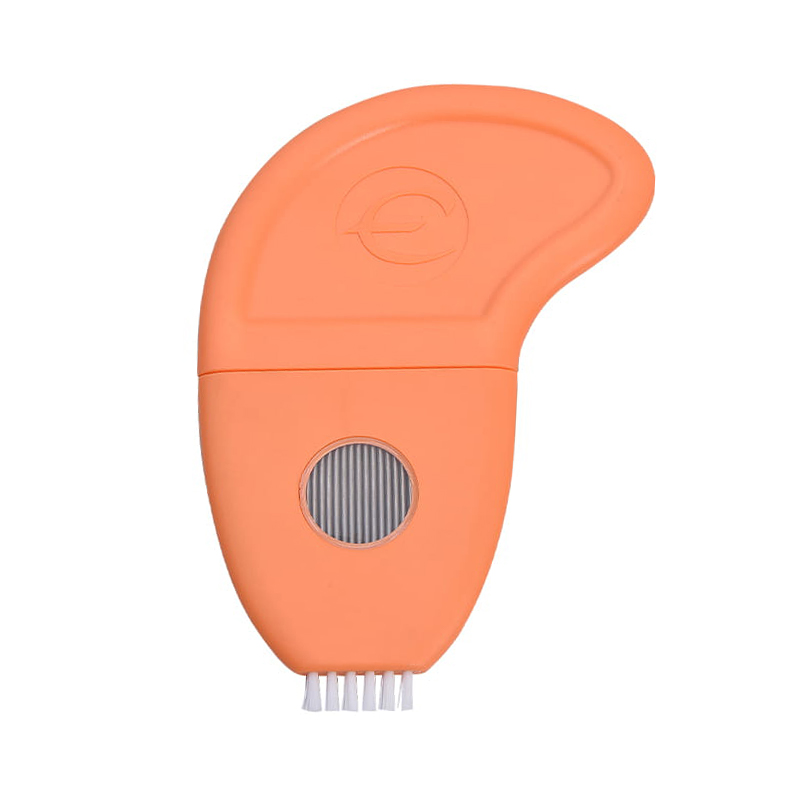
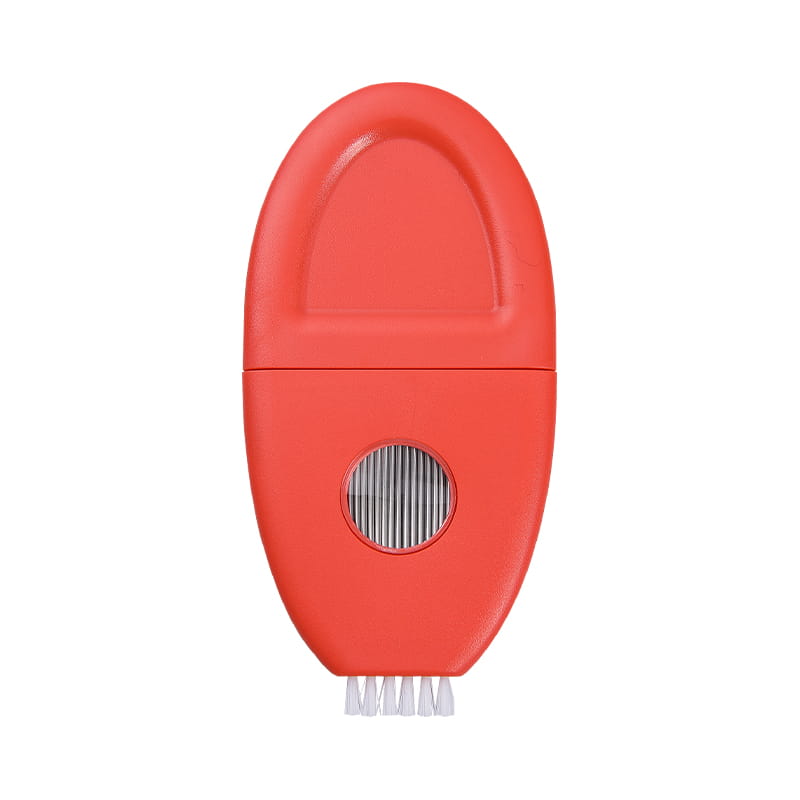
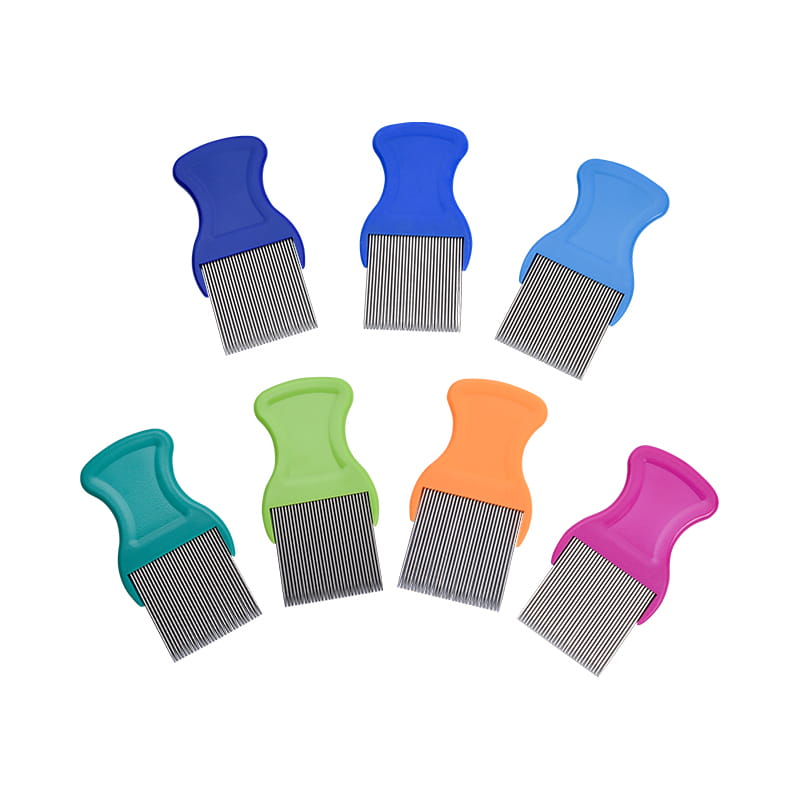
Plastic combs require different engineering. The resin must be rigid enough to dislodge eggs but flexible enough to glide through tangles without snapping. Anti-slip grips should be molded into the handle rather than glued on, because glue breaks down after repeated washing. A durable plastic nonslip lice egg comb shows how mold design affects performance in wet hair, one of the most common conditions during treatment.
 Durable Plastic Non-Slip Lice Egg CombMolded anti-slip handle and fine teeth (0.1-1.0mm spacing) remove eggs effectively in wet hair. Lightweight at 6g, easy to clean, and built for frequent washing.View Product →
Pet Lice Combs
Pet combs have their own geometry. Fleas and lice sit at different depths in fur, so the tines are often spaced differently from human-head combs. A double-sided comb lets groomers switch between coarse and fine sides without changing tools. This category also tests the manufacturer’s ability to maintain precise tine angles on a curved handle.
 Double-Sided Stainless Steel Flea Comb for PetsDual-side comb with fine and wide teeth suits different fur depths. Stainless steel tines massage skin and remove fleas, with ergonomic handle for comfortable grooming during extended sessions.View Product →
Using Production Data and Documentation to Compare Suppliers
Do not be impressed by vague claims. Ask for specific numbers: factory area, monthly output of finished combs, monthly output of needles, and years in metal stamping. These figures help you estimate whether the supplier can scale with your orders. For example, a factory that produces 1 million lice combs per month is fundamentally different from a workshop that produces a few thousand.
The chart below shows the kind of production scale you should expect from a medium-large lice comb manufacturer that also produces its own stainless steel needles.
Raw production volume is only one input. Use a standard checklist to keep comparisons fair across multiple lice comb manufacturers.
| Request | What It Tells You |
|---|---|
| Factory address and business license | Whether the supplier is a real factory rather than a trading office |
| Production line photos or videos | Actual equipment and assembly flow, not just a showroom |
| Sample order with a defect report | How they define and communicate acceptable quality standards |
| Patent certificates for comb designs | Evidence of in-house product development |
| Test equipment list | Which parameters are measured and with what tools |
| MOQ and lead time | Whether they can handle your expected order rhythm |
After you receive those documents, cross-check the technical details. A manufacturer that publishes practical usage guidance, such as the main functions of a lice comb, usually understands how its products behave outside the factory. That level of applied knowledge can reduce the number of support issues your own customer service team faces later.
Cost, MOQ, and Scaling
Price per piece matters, but the lowest unit cost often hides higher sorting cost, more customer returns, or lost buyer trust. A serious lice comb manufacturer will give you a transparent cost breakdown: tooling, raw material grade, surface treatment, and packaging. MOQ should be realistic in both volume and lead time. You should also ask how the factory handles pilot runs before mass production. A supplier that offers a small trial batch for real-world testing is far more valuable than one that only accepts large minimum orders.
Turning a Supplier into a Long-Term Partner
Choosing a lice comb manufacturer is a supply chain decision, not a single-purchase transaction. Look for an in-house supply of critical parts, proven tooling, verifiable quality checks, and honest production data. When you find such a partner, you can build a product line that performs consistently for your customers. Our factory’s full product range is available at licecomb.net, where you can review the categories and request samples.