

 Español
 中文简体

Imagine comparing two lice combs from different Chinese suppliers. Both look similar, both arrive in sealed packaging, and both claim to remove lice eggs. Yet one clears a head in a single thorough comb-through, while the other pushes nits along the hair shaft. The difference is rarely visible to the eye; it is manufactured into the tooth pitch, the steel pin finish, and the alignment of the rows. For an importer or brand owner sourcing from a China lice comb manufacturer, those hidden details decide whether the product works, whether customers return, and whether the brand lasts beyond one season.
What a reliable China lice comb manufacturer must control
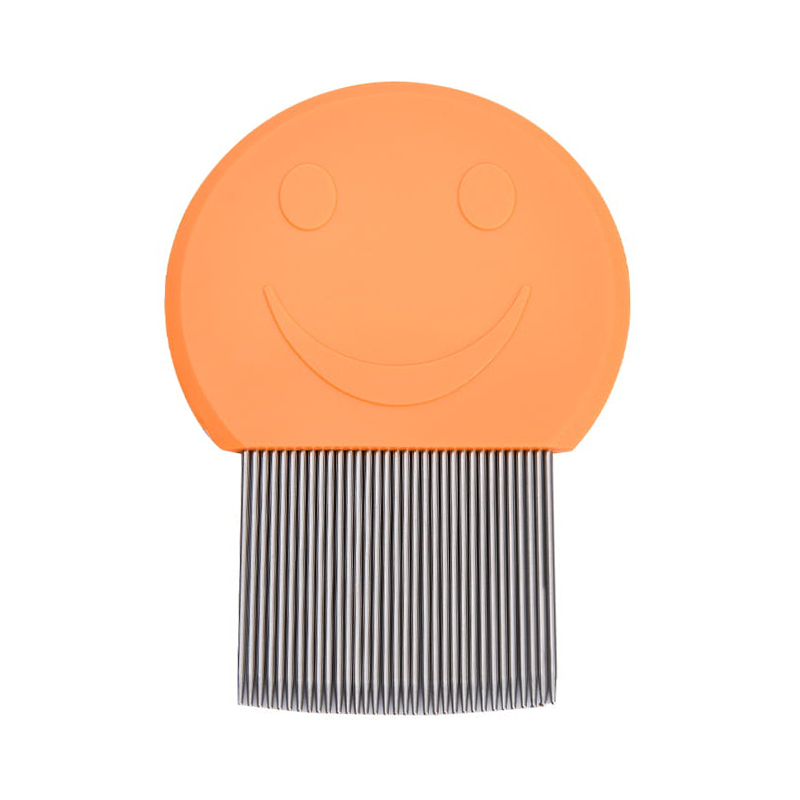
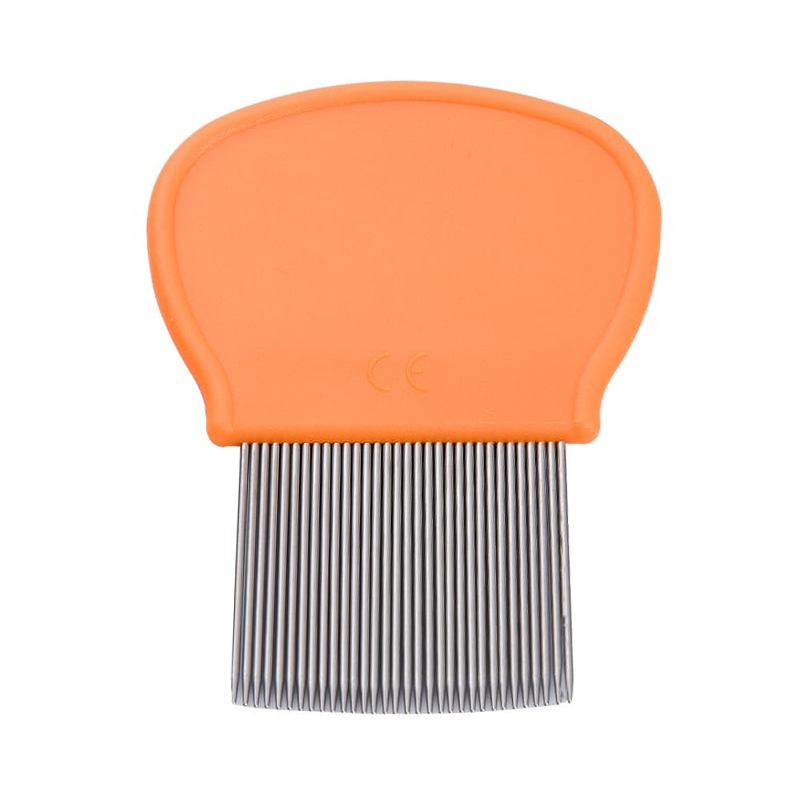
The first filter when comparing suppliers is specification control. An effective lice comb works by trapping eggs, nymphs, and adult lice between teeth that are spaced closely enough to catch them but not so tightly that the comb pulls hair. For most finished combs, the working gap between adjacent teeth falls between 0.15-0.30 mm; a design aimed at babies or fine hair tends toward the tighter end, while robust pet combs use wider gaps.
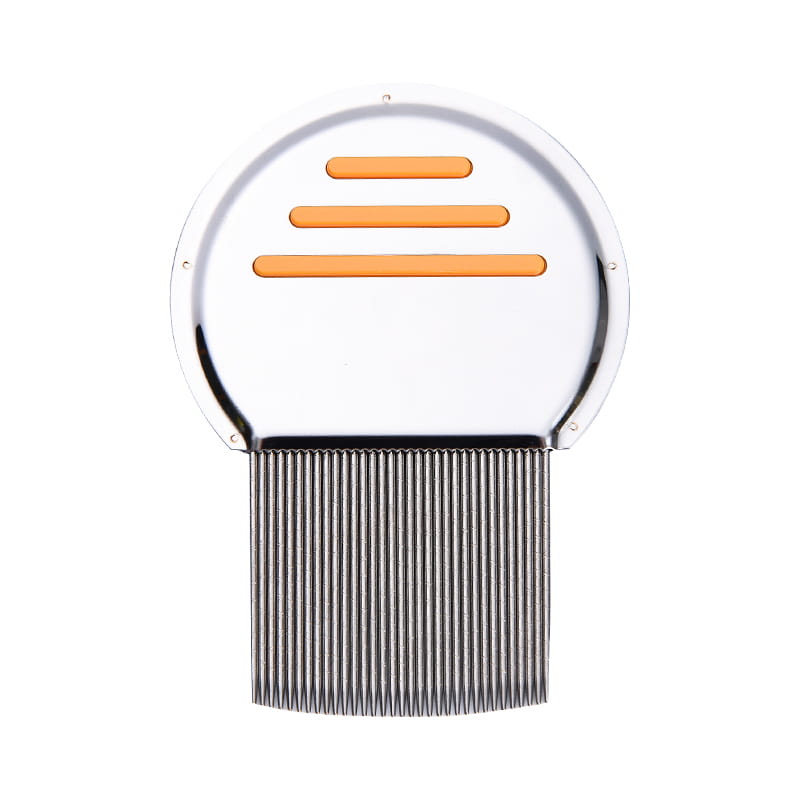
The material of the teeth matters just as much. Hair that is wet, tangled, or treated with conditioner puts lateral force on every pin. A pin that bends, rusts, or carries a burr will snag hair and can scratch the scalp. Export-grade combs therefore use stainless steel pins, usually 304 or 420 type, which keep their shape and stay smooth after repeated washing and disinfection.
| Parameter | Typical export specification | Practical impact |
|---|---|---|
| Tooth gap | 0.15-0.30 mm | Catches lice eggs without pulling healthy hair |
| Pin diameter | 0.6-1.2 mm | Thinner pins separate thick hair strands more effectively |
| Row count | 20-35 | Wider active area shortens treatment time |
| Handle length | 100-180 mm | Longer handles reach the back of the head and improve leverage |
| Pin finish | Polished, burr-free, corrosion-resistant steel | Prevents scalp irritation and extends product service life |
The consistency of these measurements across a production run is the real test of a factory. A supplier that sets tooth spacing at 0.28 mm on the drawing but drifts to 0.35 mm during high-volume molding will ship combs that fail in the field. A manufacturer with dedicated testing equipment and documented procedures can hold the same geometry from the first sample to the last batch of an order.
Inside the production process: from steel wire to finished comb
The manufacturing of a lice comb splits into two halves: producing the steel pins and building the handle body around them. Many workshops buy ready-made pins; specialized manufacturers draw, cut, shape, and polish their own.
Pin production starts with stainless steel wire. The wire is straightened, cut to length, shaped, and polished to remove burrs. Some pins then receive surface treatment to improve smoothness and corrosion resistance. This is not a side process for a dedicated lice comb factory. A factory in Yuyao, for example, began steel production in 2003 and now turns out about 36 million stainless steel pins per month.
The handle side is typically plastic injection molding, using materials such as polypropylene or ABS. For pin-type combs, the molded body is followed by assembly, in which steel pins are inserted at a fixed angle and spacing. For full plastic models, the teeth are produced in a single molding step and then trimmed and inspected. Because the pins are manufactured in-house, the assembly line can match the density of the teeth to the intended use: fine rows for lice eggs, wider rows for pet fur, and extra-fine rows for baby hair.
Production experience at the Yuyao factory
This vertical integration matters commercially. A factory that manufactures its own pins controls both cost and quality at the most failure-prone part of the comb. When a supplier must buy pins from a third party, the buyer inherits an extra layer of variance: the pins may come from a different material batch, a different coating line, or a different country.
Product range and OEM flexibility
A specialized China lice comb manufacturer does not sell a single model; it maintains a matrix of series that share the same production technology but target different users. The list below reflects the range a full-series manufacturer can support.
- Human-use lice combs
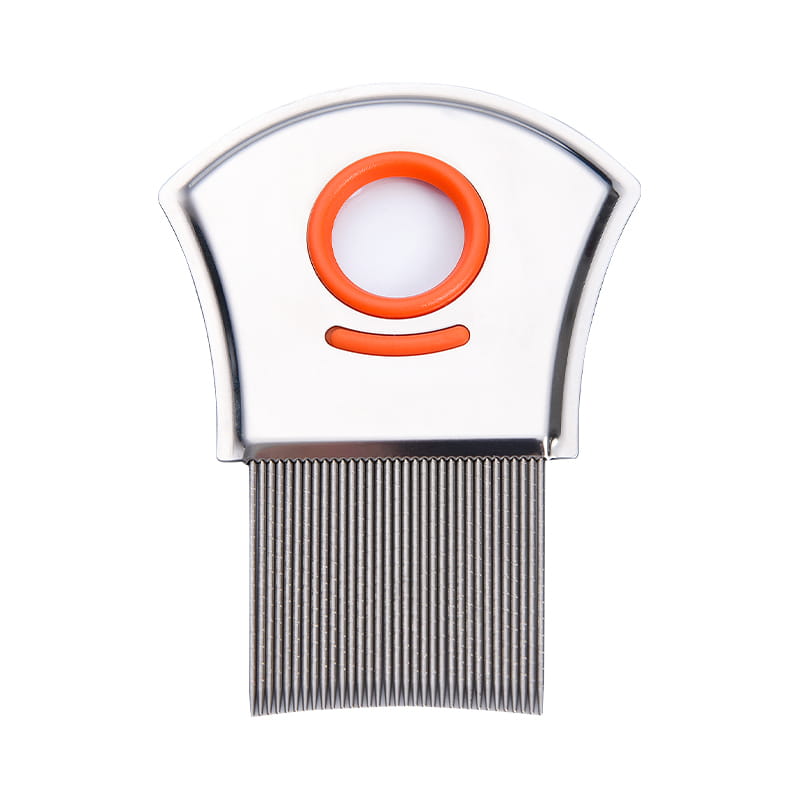
- Full stainless steel series, built for heavy-duty and repeated use
- Full plastic series, flexible and anti-slip for everyday home use
- Long-handle and large-handle series for better grip
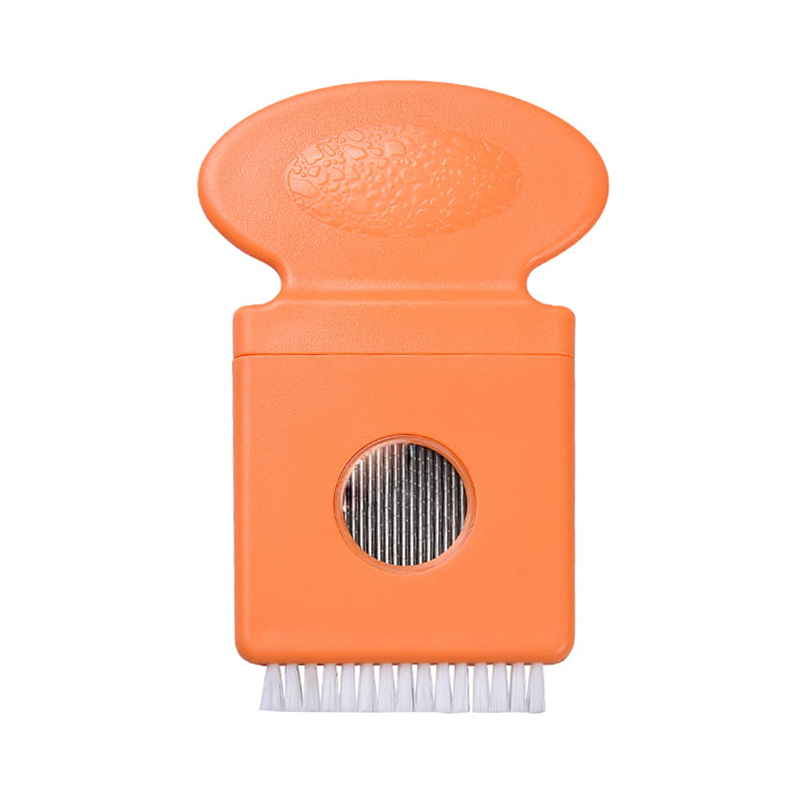
- Magnifying-glass series with 3x lenses for nit spotting
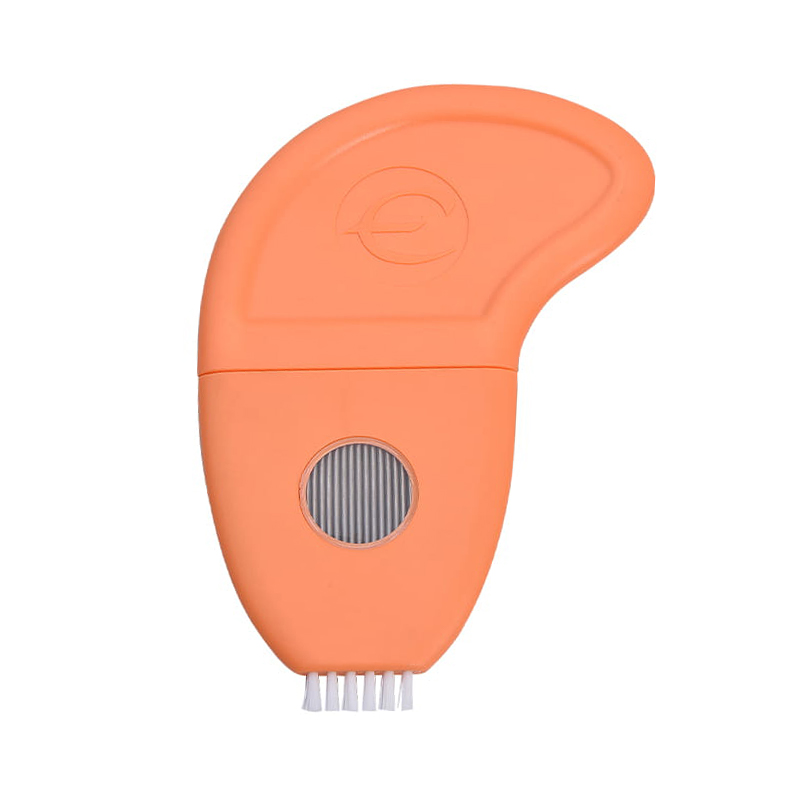
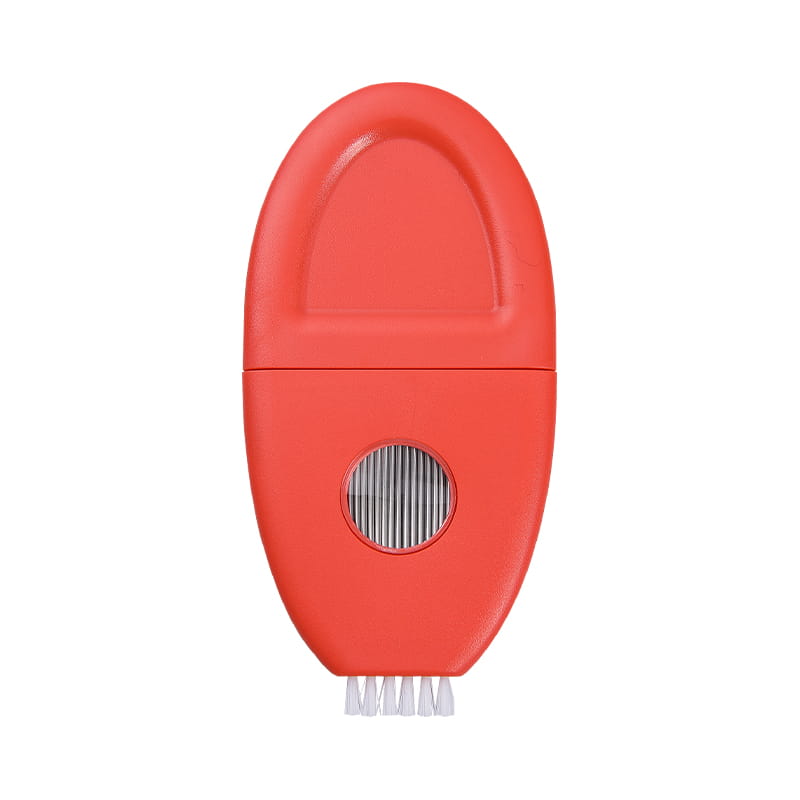
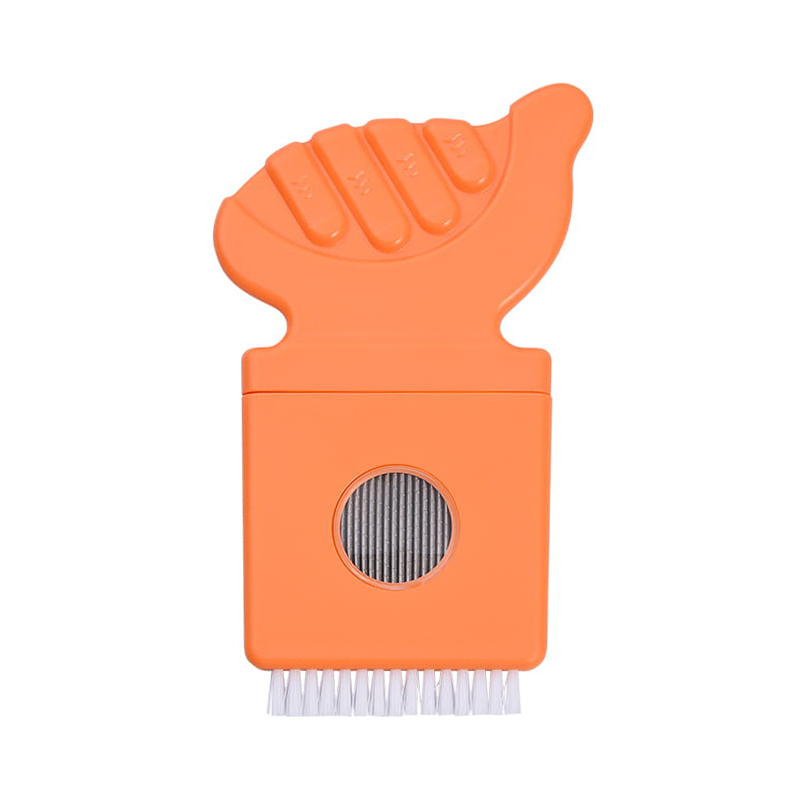
- Multifunctional and portable series for travel and school kits
- Fine-tooth and baby series for sensitive scalps
- Pet lice and flea combs
- Double-sided cat and dog flea combs
- Fine-tooth pet combs for fur with dense undercoat
- Component supply
- Stainless steel comb pins in smooth, striped, and double-loop shapes
OEM and ODM buyers will find the range useful because each series addresses a distinct shelf position. Premium pharmacy brands in Europe and North America often choose stainless steel combs with magnifying heads; school public-health programs tend to order low-cost plastic combs in large quantities; veterinary retailers look for sturdy pet combs with spacing suited to animal fur. A factory experienced in all three avoids forcing the buyer to compromise on design.
Material and design trade-offs
Full stainless steel combs survive disinfection and heavy use, making them the standard for clinics and repeated family use. Full plastic combs are lighter, cheaper, and gentler against the scalp, but they must be checked for molding flash along the teeth, which can irritate the skin. Long-handle and magnifying models reduce user fatigue, a meaningful compliance factor when parents must comb a child's head daily for two weeks.
Customization depth is another differentiator. Factories in this segment normally provide custom mold development, handle shapes, colors, and private packaging. Some designs hold design and utility patents, which protects the importer from direct copying. When a manufacturer has its own tooling workshop, the lead time for a new handle shape is measured in weeks, not quarters.
Quality control and export compliance
Quality control in a lice comb factory covers more than cosmetics. The critical checks are tooth gap uniformity, pin pull-out strength, surface smoothness, and handle durability. Dedicated test equipment and a documented production sequence are the signs that a factory treats these checks as part of manufacturing rather than as an afterthought.
On the compliance side, buyers should confirm which documents the factory can provide for the destination market. Markets in South America, North America, and Europe differ in import documentation, material declarations, and safety requirements. A full-range manufacturer will keep certificate records and share the relevant documents with the importer, but the importer should still verify that the documents match the batch being shipped, not merely the factory's general validity.
How to evaluate a China lice comb manufacturer before ordering
A practical evaluation follows five steps.
- Request a specification sheet stating tooth gap, pin diameter, row count, handle length, and material grade. If a supplier cannot provide these numbers, it is not yet a qualified manufacturer.
- Measure the samples yourself. A caliper and a 10x loupe are enough to check tooth spacing, pin alignment, and surface burrs.
- Run a comb-through test on hair, not on fabric. Add conditioner to simulate the hardest real-world condition.
- Verify production capacity through written records or a factory audit. Monthly output of pins and finished combs is the most credible capacity signal.
- Test customization before committing. Ask for a pilot sample with your logo or a handle modification; the response quality tells you how the factory will treat the full order.
The market for lice combs is seasonal and quality-driven. When an outbreak hits, retailers reorder fast, and a comb that fails to remove nits becomes a refund and a bad review rather than a repeat sale. That is why the most durable buying decision is specification-led: choose a China lice comb manufacturer that controls the pin steel, holds the tooth geometry, and runs a documented quality process. The factory that began with steel in 2003 and now ships a million combs a month has the production base to meet that bar.