

 Español
  中文简体
中文简体
Head lice are a practical problem that does not disappear with a single wash. The most reliable tool in a treatment routine is a hair lice comb that can physically remove both live lice and the eggs glued to the hair shaft. The right comb makes the job faster; the wrong one leaves nits behind and extends the cycle for weeks.
What Makes a Hair Lice Comb Effective?
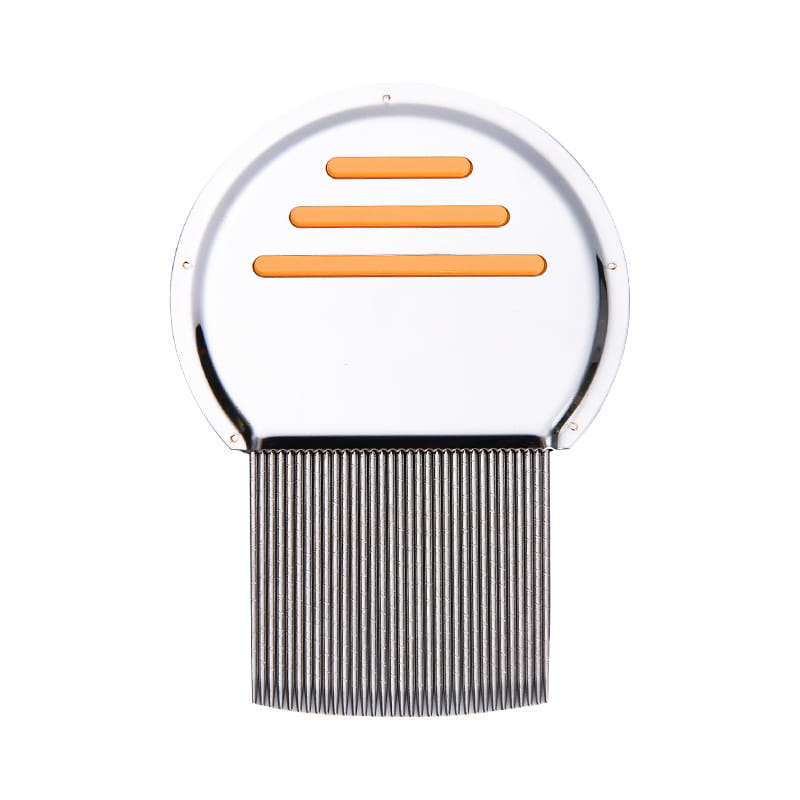
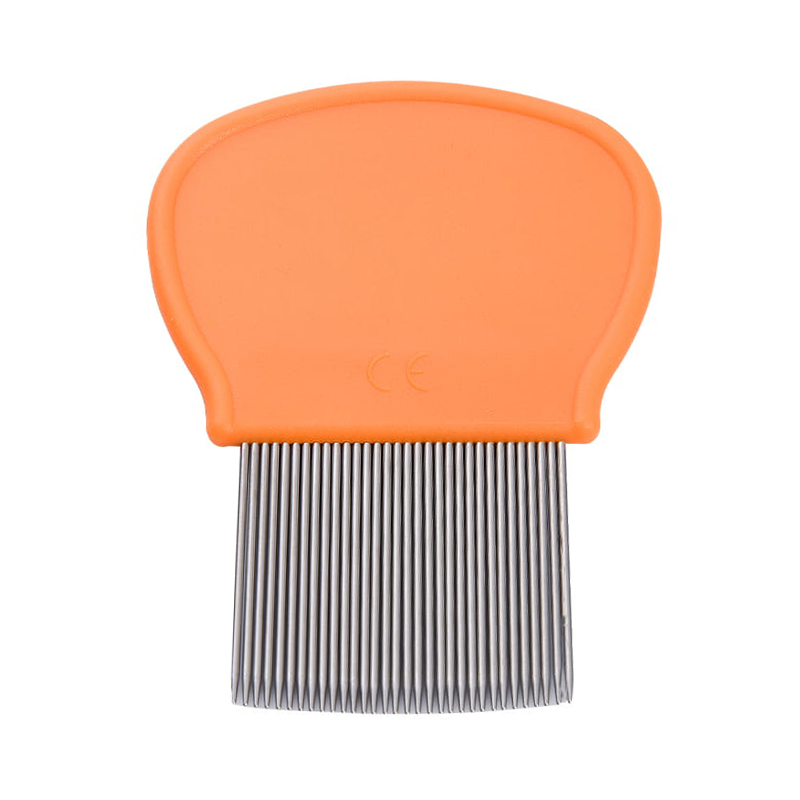
A comb is only effective if its teeth are close enough to trap lice and their eggs. Lice eggs are roughly 0.8 mm long, and the gap between teeth must be smaller than the egg itself to pull it free. Most professionally used lice combs have tooth spacing in the 0.2–0.3 mm range. Wider combs may be fine for detangling but will not remove nits.
The material also changes performance. Stainless steel teeth hold their shape and do not flex when you pull through dense or tangled hair. Plastic teeth can be gentler, but the mold quality determines whether the teeth are consistent and free of sharp edges. A poorly finished comb scratches the scalp and makes the process unpleasant, especially for a child.
| Feature | What to Look For | Why It Matters |
|---|---|---|
| Tooth spacing | 0.2–0.3 mm | Catches lice and nits |
| Material | Stainless steel or precision-molded plastic | Affects durability and comfort |
| Tooth end shape | Rounded, polished tips | Reduces scalp irritation |
| Handle | Long or non-slip grip | Easier to work through sections |
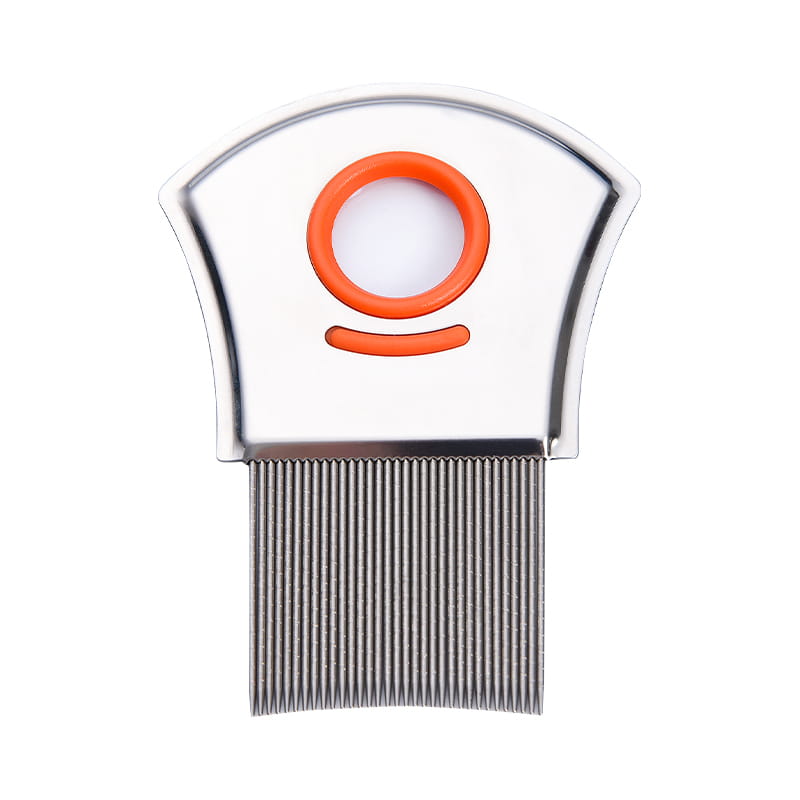
| Magnification | 2x–3x lens | Helps spot eggs and live lice |
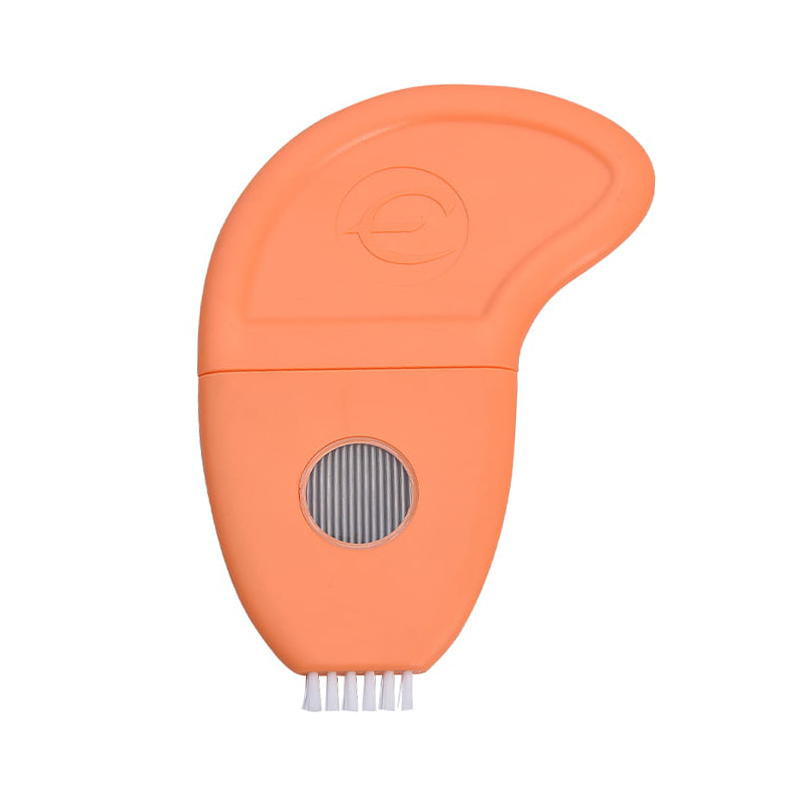
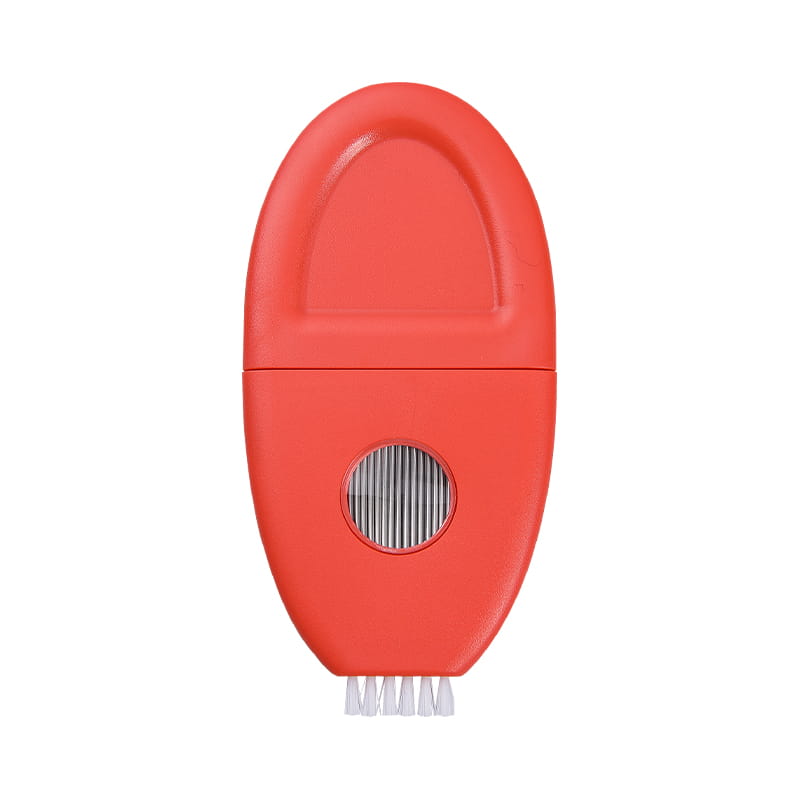
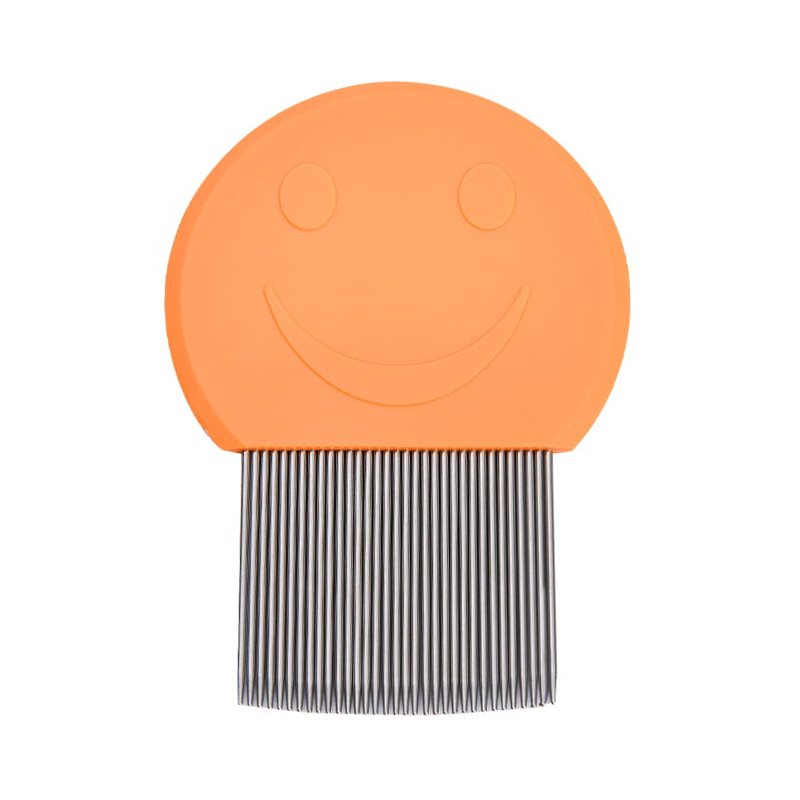
For very young children, a compact fine-tooth comb with smooth molded teeth is easier to control. The tooth spacing still needs to be tight; the difference is mainly in the size of the comb head and the softer touch.
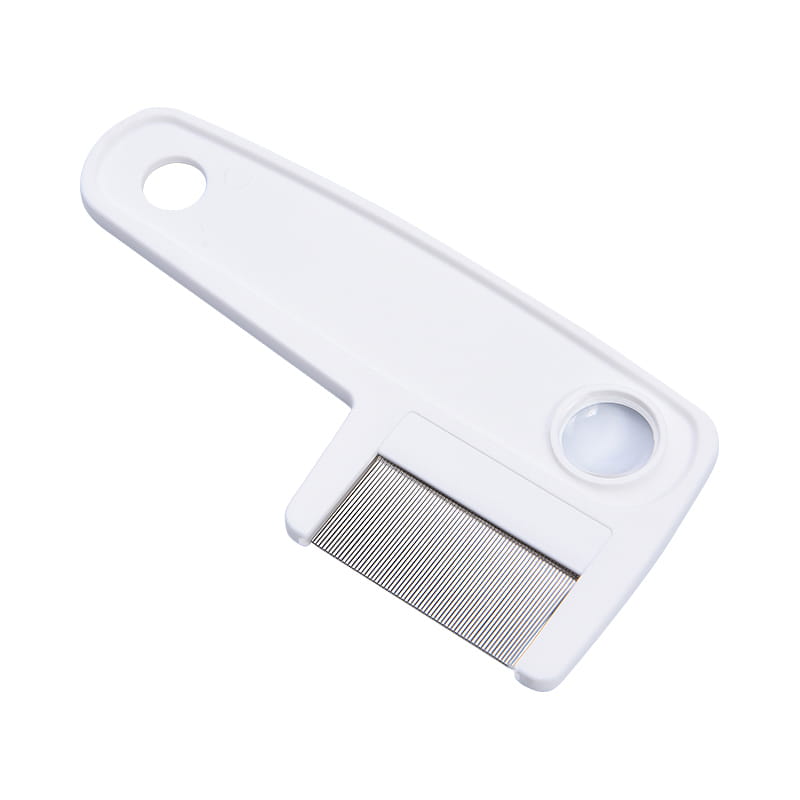 Baby Lice Comb with Brass Needles and 3x Magnifying GlassThis dense-tooth comb is sized for young children and features a magnifying glass for inspecting small sections. Its fine tooth spacing and ergonomic handle make it a practical choice for treating lice on toddlers.View Product →
Stainless Steel or Plastic: Choose the Right Material
If you are treating multiple family members, stainless steel is usually the better long-term investment. It does not bend after repeated use, it can be washed with hot soapy water or disinfectant, and it stays rigid enough to apply consistent pressure along the hair shaft. Plastic combs are lighter and less expensive, which makes them useful for travel kits or single-use patient packs, but their teeth can deform over time.
The best plastic combs are made from durable, non-slip materials with precision-molded teeth. Yet for commercial buyers, stainless steel combs have a lower failure rate in the field. When a supplier controls the entire production line, including the stainless steel needles used in the comb, the tolerance of tooth spacing is more predictable. A closer look at how a manufacturer tests the durability of stainless steel combs is available in our article on stainless steel louse comb durability.
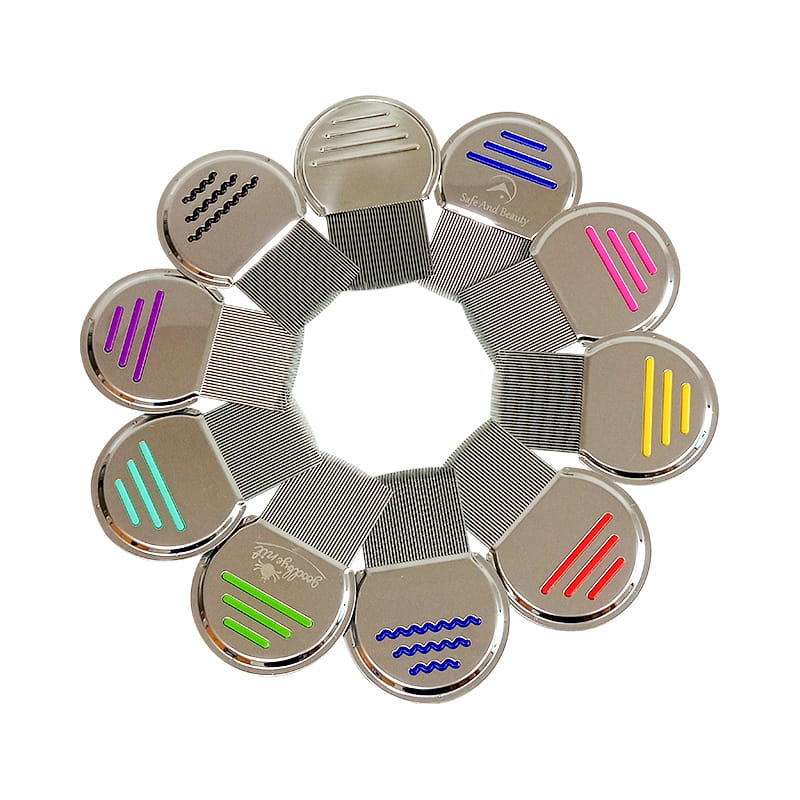 Stainless Steel Louse Comb with Laser-Welded NeedlesBuilt with 304 stainless steel and precision-spaced needles, this comb is designed for repeated use on all hair types. Its rigid construction and ergonomic handle suit long combing sessions, making it a durable option for families.View Product →
Handle Design: Comfort Changes the Outcome
The handle is not a cosmetic detail. Combing lice out of long or thick hair takes twenty to thirty minutes, and your hand is moving in small repeated strokes. A long handle reaches the back of the head without bending your wrist at an awkward angle. A non-slip grip becomes essential when the hair is wet and conditioner makes the handle slippery.
Look for a one-piece construction or a handle securely attached to the comb head. Loose joints create places where hair and lice can accumulate, and they make cleaning difficult. In a school or clinic setting, handles that can be sanitized without weakening the material are preferable.
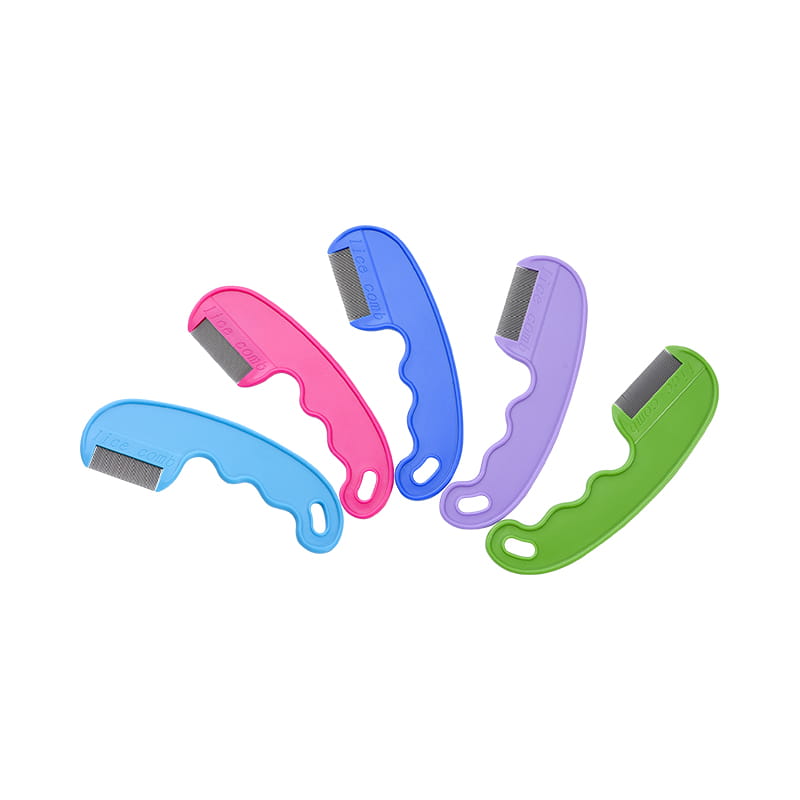 Non-Slip Long-Handle Lice Comb for Thorough DetectionThe long handle and non-slip grip support comfortable use over extended periods, while its precision teeth help remove lice and eggs. It is especially useful for inspecting sections thoroughly, reducing hand strain during treatment.View Product →
Magnifying Combs: See What You Are Removing
The most common mistake in lice treatment is stopping too early because you cannot see the eggs. Nits are small, pale, and firmly attached near the scalp. A 3x magnifying glass built into the comb lets you inspect each section as you go, so you can tell the difference between an empty egg case and a live egg.
Magnifying combs are particularly useful for parents checking a child’s hair after treatment. They also reduce the need for a separate magnifying lamp. For adults with dense hair, the enlarged view helps confirm that the comb has actually cleared the hair shaft rather than simply sliding over the egg.
How to Use a Hair Lice Comb Correctly
Buying the right comb matters, but technique determines the result. The process works best when the hair is wet and coated with conditioner.
- Wet the hair and apply a generous amount of conditioner. This reduces friction and lets the comb glide without pulling.
- Divide the hair into small sections and clip the rest away.
- Place the comb against the scalp at the root of each section and pull it slowly to the tip.
- Wipe the comb onto a paper towel after every stroke so you can see what has been removed.
- Work through all sections before rinsing.
- Wash the comb in hot soapy water or soak it in a suitable disinfectant.
- Repeat the full combing session every three to four days for at least two weeks.
If you are new to the process, following a structured sequence reduces missed spots. We have collected the key steps in a separate guide on how to use a lice comb.
What to Check When Sourcing Lice Combs for Resale
For importers, distributors, and private label brands, a hair lice comb is a treatment tool, not a styling accessory. Consistency matters as much as price. Check that the tooth spacing falls within the intended specification across every batch. Look for polished teeth without burrs. Confirm that the material can withstand the cleaning method recommended in your target market.
Manufacturing experience also changes your risk. A producer that makes its own stainless steel needles can maintain tighter tolerances and respond faster to custom designs. If you plan to sell under your own brand, ask about mold customization, packaging options, and minimum order quantities. Reviewing the full range of a manufacturer’s lice comb product line can give you a sense of their capability.
The takeaway is simple: choose a hair lice comb with tight, uniform teeth, a comfortable handle, and a design that lets you see what you are doing. Use it correctly and repeat the sessions until no new eggs appear. For buyers, the same criteria apply at scale, with the added need for material consistency and reliable manufacturing.