

 Español
  中文简体
中文简体
Your baby's scalp is itchy, and a quick inspection reveals the cause: head lice. For parents of infants and toddlers, panic is understandable, but the solution is more straightforward than most people think. A properly designed baby lice comb, not a chemical shampoo, is the first and most effective line of defense. The key facts to remember: choose a comb with stainless steel teeth spaced no more than 0.3 mm apart, rounded tips, and a slip-resistant handle. This guide explains why these details matter, how to comb your baby's hair without tears, and how long to continue before the problem is truly resolved.
Why the Comb Is the Most Important Lice Tool for Babies
Most head lice shampoos rely on insecticides such as permethrin. Pediatric guidance often discourages these products for infants under three months, and many parents prefer to avoid them for older babies as well. More importantly, no chemical treatment reliably kills nits, the eggs that lice glue firmly to hair shafts. Only physical removal with a fine-tooth comb addresses every stage of the lice life cycle.
When you use a baby lice comb correctly, you remove adult lice, nymphs, and eggs in a single pass, provided the teeth are fine enough to catch them. That is why pediatricians and public health agencies consistently recommend combing as the core of any head lice plan, even when a medicated product is also used. The comb is not an accessory; it is the treatment.
This makes the comb itself the deciding factor. A hairbrush or a wide-tooth comb will not work. Neither will a so-called lice comb with plastic teeth that flex apart. For babies, whose hair is typically fine and delicate, the comb must do the job on the first try with minimal pulling.
What to Look for in a Baby Lice Comb
Before buying anything, check three specifications: tooth spacing, material, and tip design. The table below summarizes how these features affect performance.
| Feature | Stainless steel comb | Plastic comb | Electric comb |
|---|---|---|---|
| Tooth rigidity | High; teeth stay straight under tension | Moderate; teeth may flex under tension | Depends on material |
| Nit removal | Excellent with 0.2–0.3 mm spacing | Effective only if molded with precise spacing | No proven advantage over manual combing |
| Cleaning ease | Easy; can be boiled or soaked in alcohol | Easy, but avoid hot water that can warp teeth | Harder; electronics limit cleaning options |
| Comfort for baby | Good if tips are rounded | Good; tips are often rounded by default | Mixed; vibration may startle a baby |
| Durability | Years of use if kept dry | Months to years; prone to cracks | Battery and motor limit lifespan |
Tooth Spacing: The Number That Matters Most
Adult head lice measure roughly 2 to 3 mm long, while newly hatched nymphs can be as small as 1 mm. A nit is about 0.8 mm long and 0.3 mm wide. To trap all of these, the gap between adjacent teeth must be no larger than 0.3 mm. Combs advertised as "fine tooth" are not automatically fine enough; check the specification or measure the gap with a feeler gauge. A gap of 0.2 mm to 0.3 mm catches nits and nymphs, while anything wider lets young lice slip through.
Stainless Steel vs. Plastic: What Actually Works
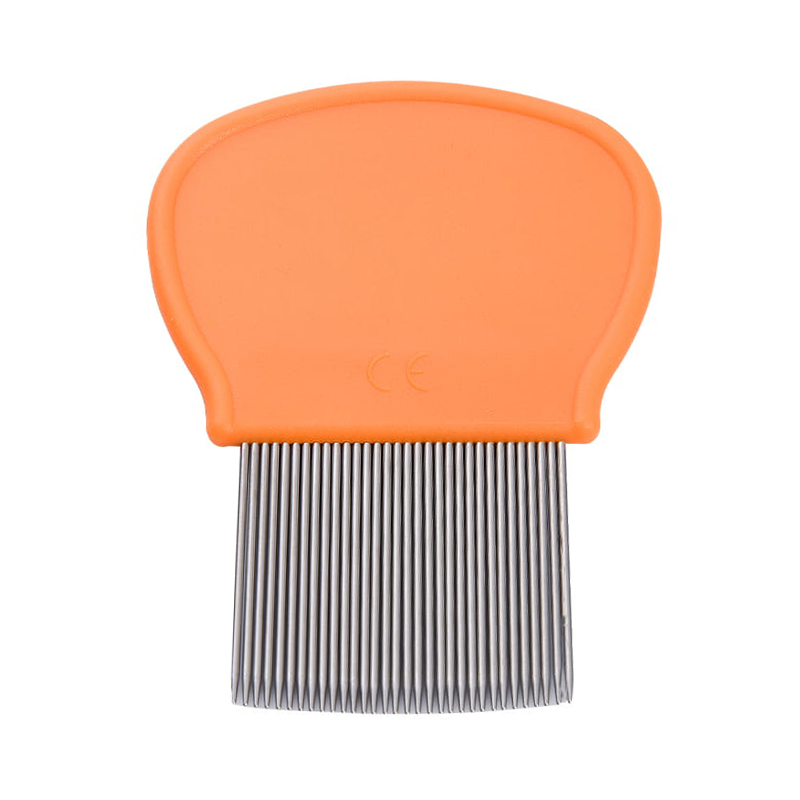
Stainless steel combs have a clear functional advantage. Their teeth stay rigid when pulled through tangles, maintaining constant spacing along the entire stroke. Plastic combs are lighter and cheaper, but molded teeth can bend under pressure, opening gaps wide enough for eggs and nymphs to pass. This does not mean every plastic comb is useless; high-quality molded combs with very tight spacing can work. However, for consistent results on a squirming baby, steel is the safer choice.
Tips, Handles, and Extras Worth Paying For
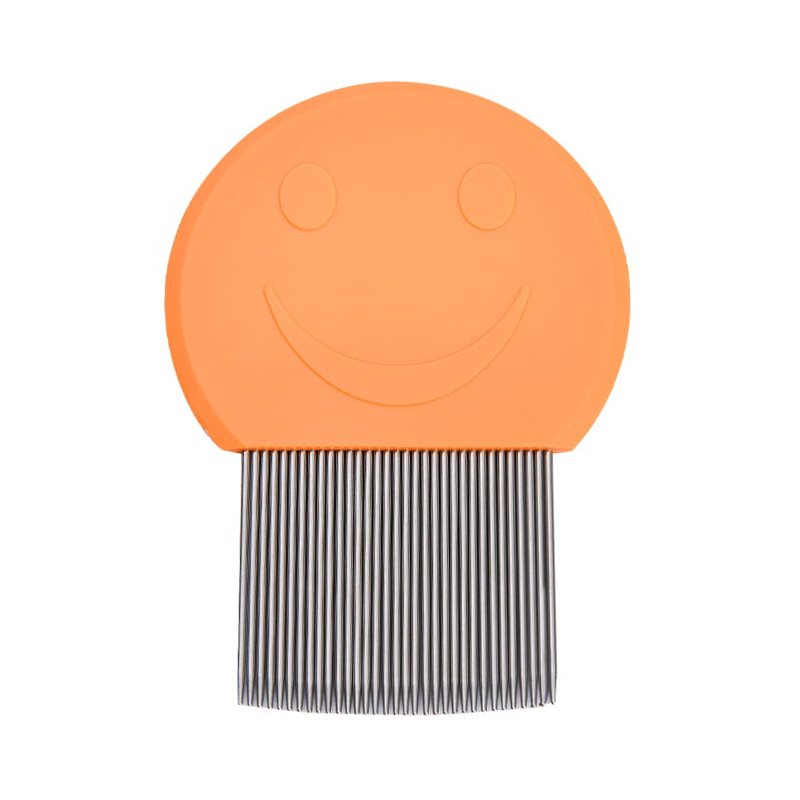
Rounded or polished tooth tips prevent scratches on a baby's scalp. Anti-slip handles, often with a rubberized grip, give you better control when hair is wet and slippery. A comb with a sturdy body and a slightly longer length is easier to hold steady. Optional features such as a magnifying lens help you spot nits on dark hair but do not replace the combing itself.
When shopping for a baby lice comb, keep this quick checklist in mind:
- Tooth gap no wider than 0.3 mm
- Stainless steel or rigid high-quality plastic teeth
- Rounded tips
- Non-slip handle
- Easy-to-clean design
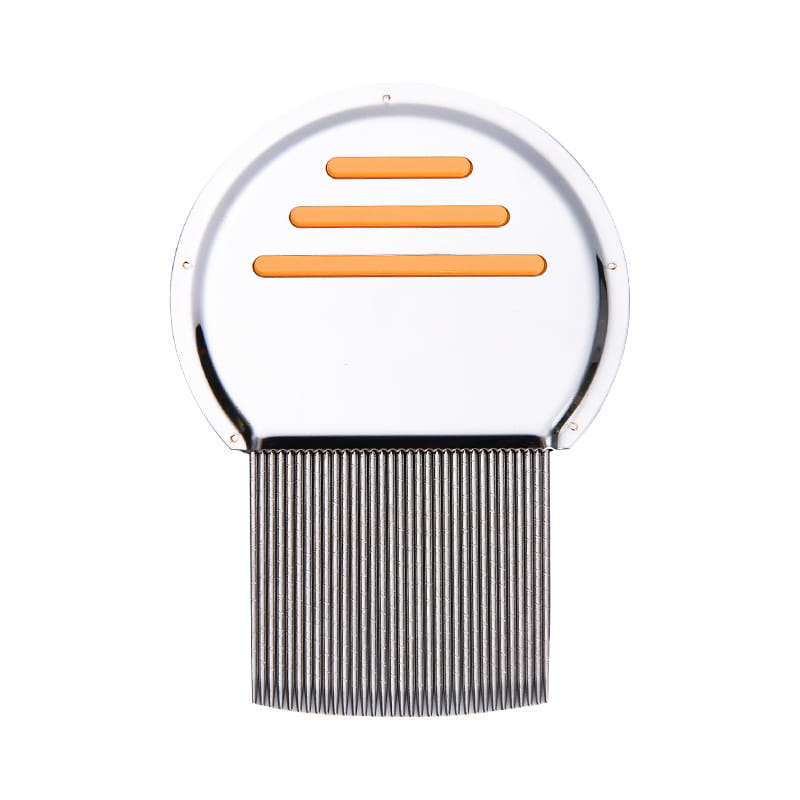
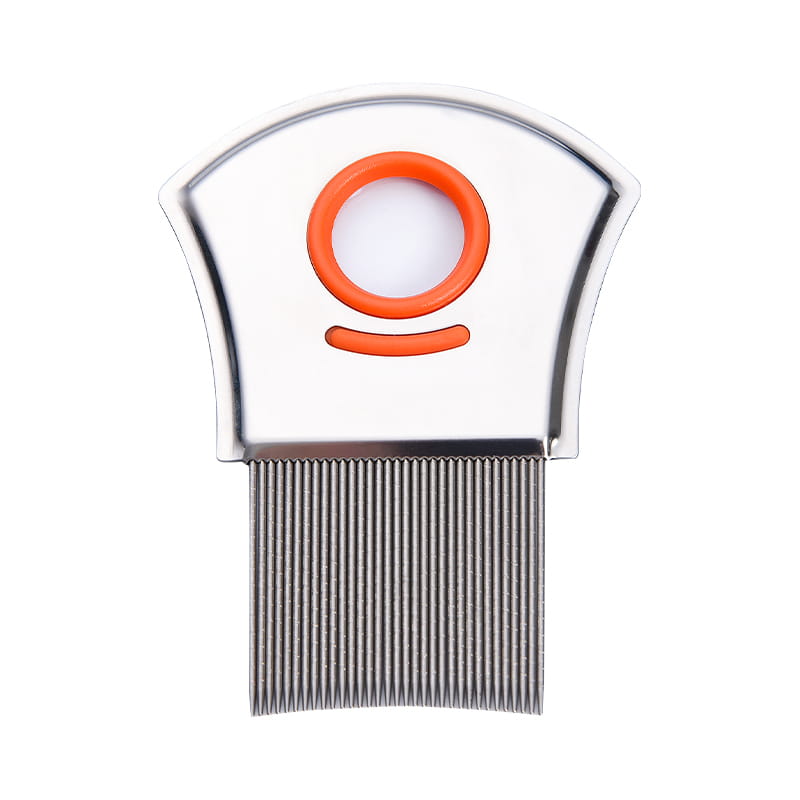
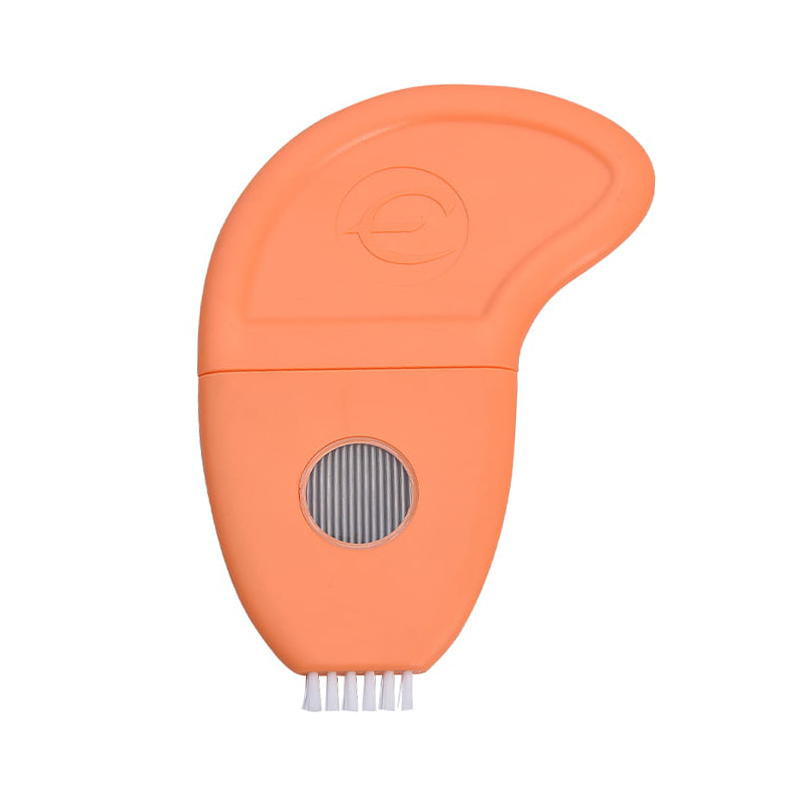
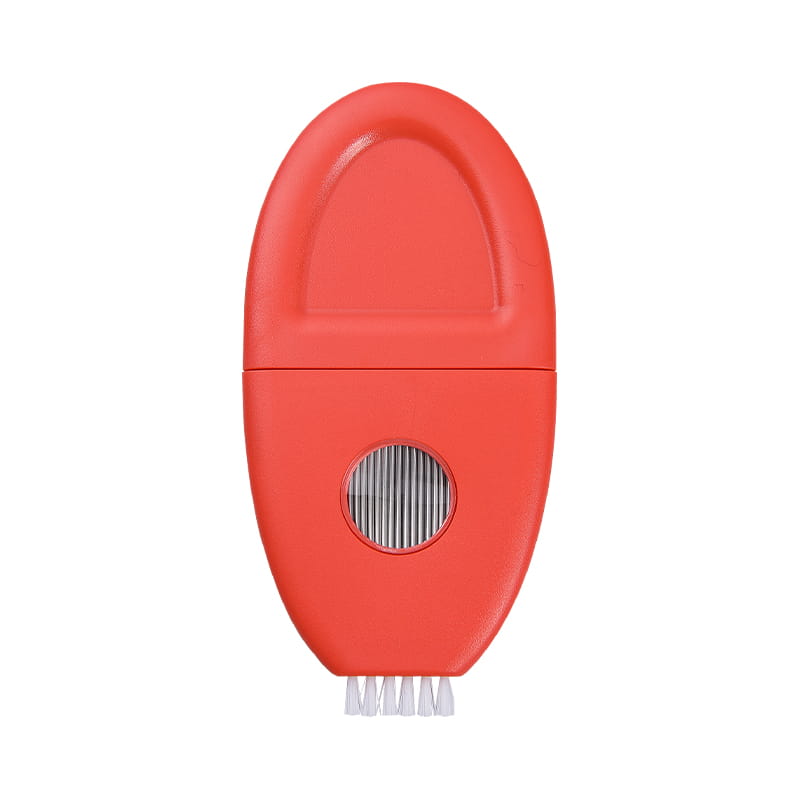
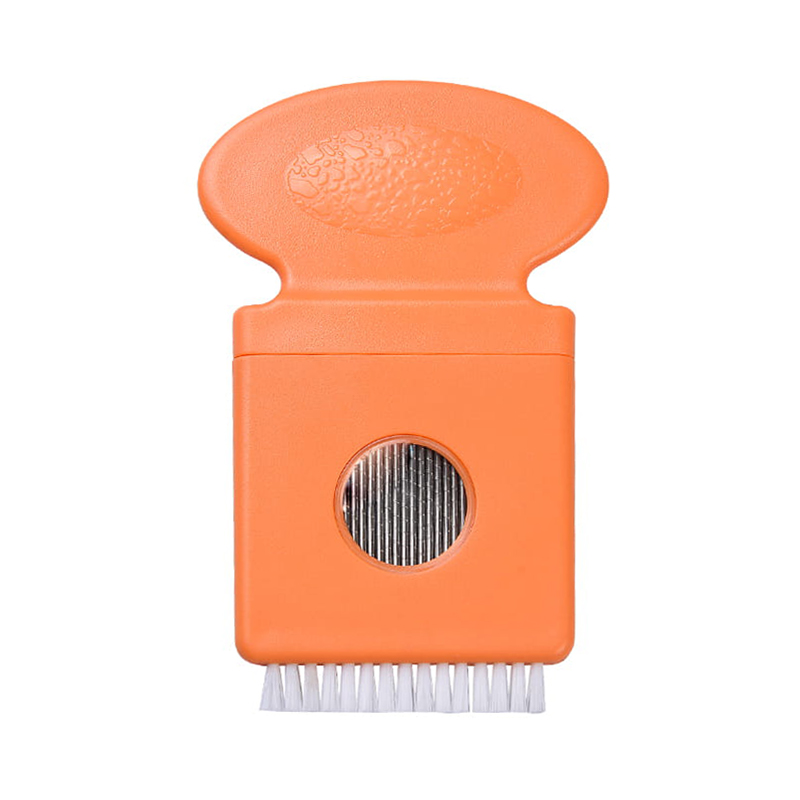
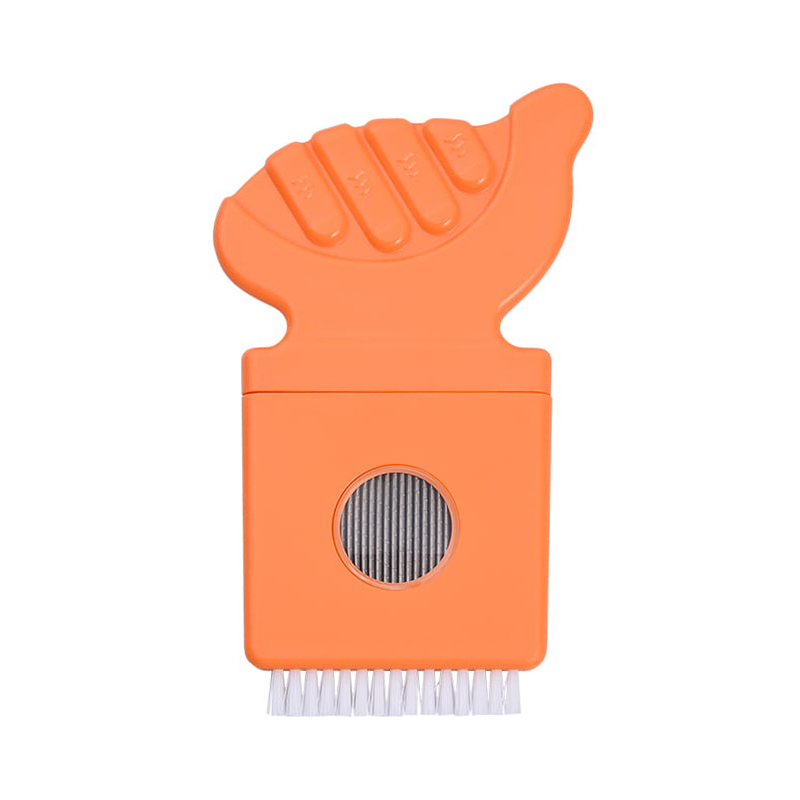
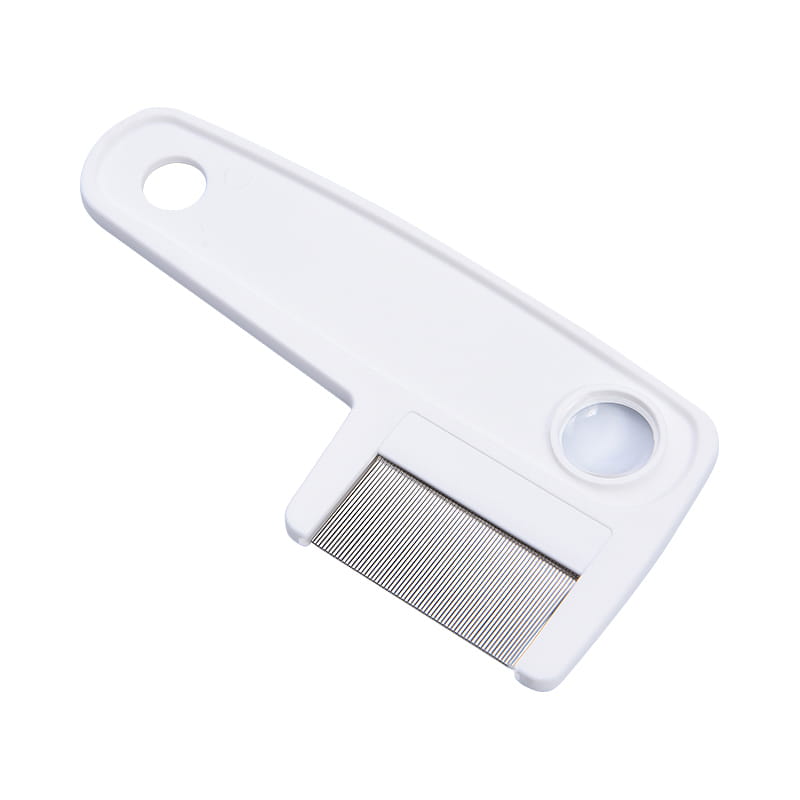 Baby lice comb with 3x magnifying glass and dense brass teethDesigned for young children, this comb features 0.05–0.06mm tooth spacing to remove lice and eggs. Its ergonomic handle and easy-to-clean surface make it practical for home or travel use.View Product →
How to Comb Your Baby's Hair for Lice
Combing technique matters as much as comb quality. Follow these steps for the best results:
- Wash the hair with regular shampoo and apply a generous amount of conditioner. Conditioner makes the hair slippery, so the comb glides through with less pulling.
- Divide the hair into small sections, about 2 to 3 cm wide, and secure the rest with clips.
- Place the comb against the scalp, press lightly to keep the teeth in contact with the skin, and pull slowly from root to tip.
- After each stroke, wipe the comb on a paper towel or rinse it in a bowl of soapy water. Look for lice and nits on the towel.
- Pay special attention to the nape of the neck and the area behind the ears. These warm spots are where lice lay most of their eggs.
- Work through all sections before declaring a pass complete. A missed section can restart the entire infestation.
Comb wet hair whenever possible. Dry hair creates static and tangles that make the process slower and more uncomfortable for a baby. Many parents find that combing during a bath keeps the child calmer and the hair easier to manage.
One thorough session can remove dozens of lice. If your baby has very sensitive skin, a comb with finer, smoother pins reduces friction and discomfort.
For a more detailed walkthrough, see our guide on correct lice comb instructions.
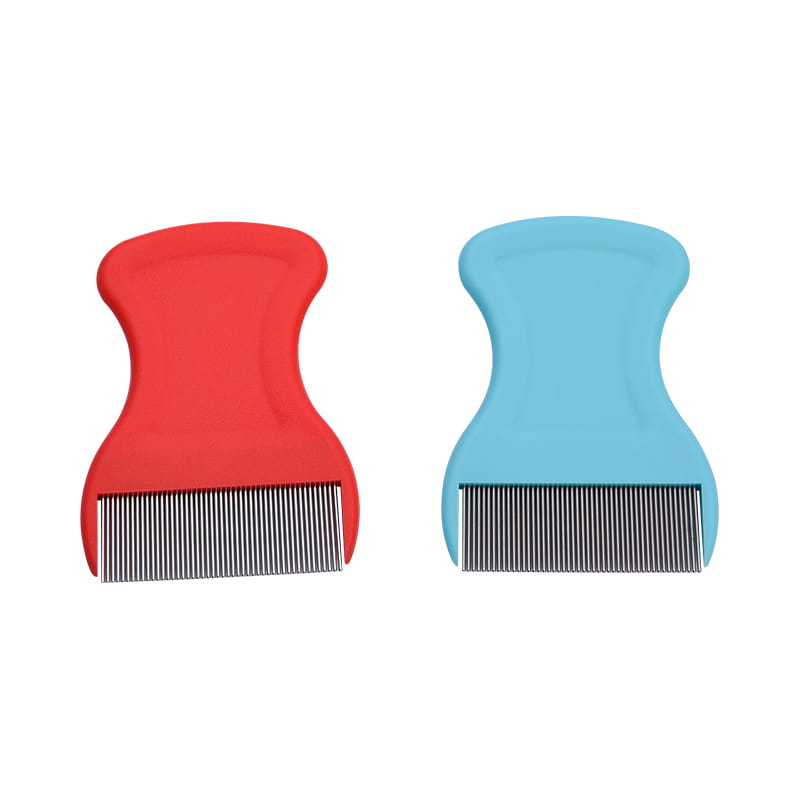 Painless fine-pin lice comb with stainless steel needlesThis lightweight comb uses high-precision stainless steel pins to capture lice and nits gently. Its ergonomic handle reduces fatigue, and the durable material is simple to clean, ideal for repeated use.View Product →
How Often to Comb: The Two-Week Rule
Nits hatch 7 to 10 days after being laid, which means a single combing session will not end the infestation. The standard protocol is to comb every two to three days for at least two weeks. This window covers the full hatching cycle and catches newly emerged nymphs before they mature into egg-laying adults.
After the first two weeks, continue to inspect the scalp twice a week for another two to three weeks. The benefits of consistent combing go beyond removal: it is the most reliable way to confirm that the infestation is clearing up. Lice can also survive briefly away from the scalp, so wash bedding and hats in hot water and vacuum soft furniture to reduce the chance of reinfestation.
Cleaning the Comb and Inspecting for Remaining Nits
After each session, remove hair and debris from the teeth. Soak the comb in hot soapy water at least 55°C (130°F) for 10 to 15 minutes. Water at this temperature kills lice and nits on contact. For stainless steel combs, wiping the teeth with rubbing alcohol adds an extra layer of disinfection and removes oils that can corrode the metal over time. Dry the comb fully with a clean cloth before storing it to prevent rust.
Before the next use, inspect the comb under good light. Bent teeth create gaps; if you see a bent tooth, replace the comb. A small magnifier helps here as well, not for the comb, but for scanning your baby's scalp for nits. Nits look like tiny yellow-brown ovals glued to the hair shaft; unlike dandruff, they do not flake off when brushed.
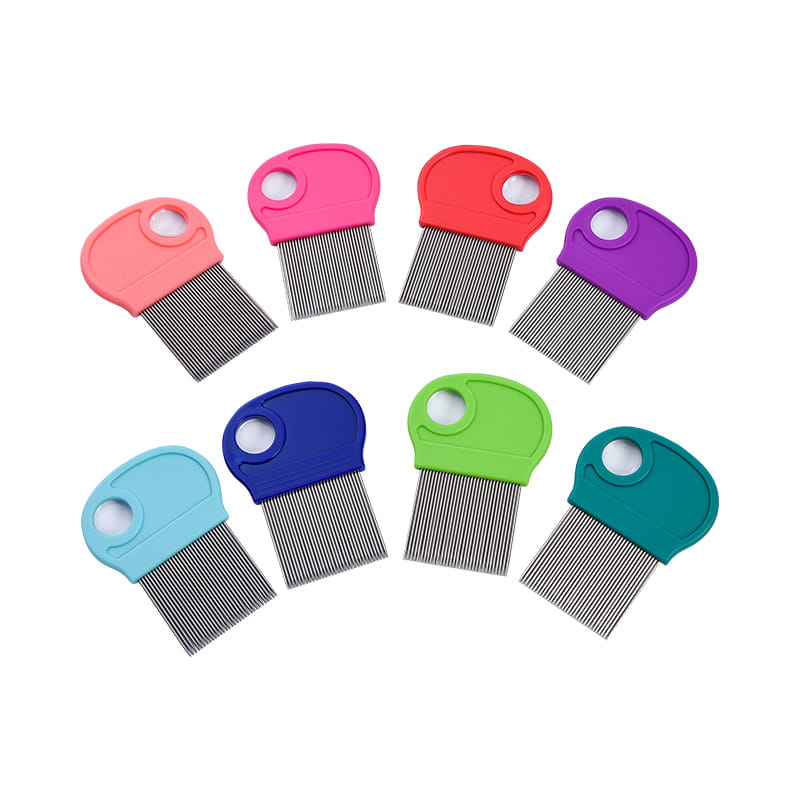 3x magnifying glass louse comb with stainless steel needlesCombining a built-in magnifying glass and precision teeth, this tool helps inspect the scalp thoroughly while removing lice and eggs. Heat-resistant materials allow hot-water disinfection, making it portable and reliable.View Product →
When to Call a Doctor
Combing resolves most head lice cases in two to three weeks. Call your pediatrician if you notice signs of a secondary infection, such as red, weeping, or crusty skin on the scalp, or if lice are still present after three weeks of consistent combing. For infants under three months, consult a doctor before using any over-the-counter lice product.