

 Español
 中文简体

A purchase order for 20,000 multi-function lice combs rarely fails on unit price. It fails on the gap between two teeth, on a magnifying lens that lifts after a hot-water wash, or on stainless pins that loosen after the third drop test. Most buyers only find out after the container has shipped.
So here is the conclusion first: a multi-function lice comb is a precision grooming tool, and the "multi-function" label is only worth paying for when three things are engineered together — how the teeth find lice and nits, how the pins are anchored into the body, and how the handle keeps the comb flat against the scalp. Everything else on the specification sheet is detail arranged around those three decisions.
What the multi-function label should actually cover
On a well-built comb, "multi-function" describes four jobs a plain nit comb cannot do at once. Each added function carries a cost, and that cost is usually mechanical rather than financial.
| Function | Typical build | What it solves | What goes wrong |
|---|---|---|---|
| Detection | 3x lens set into the spine or handle | Spotting nits close to the scalp line | Lens edge snagging hair; bonded lens lifting after hot washing |
| Removal | Dense-tooth section with polished stainless pins | Lifting lice and eggs on the pull stroke | Burrs and sharp tips; pins pulling out of the body |
| Control | Ergonomic or long handle with anti-slip texture | Keeping the comb flat through wet, thick hair | Handle flex; leverage that tilts the teeth instead of the wrist |
| Portability | Compact body or travel case | School, clinic and travel kits | Hinge wear; tooth misalignment in small molds |
Read that table as a trade-off map, not a feature list. A 3x lens is genuinely useful near the scalp, but it adds weight to the head of the comb and a focal distance the user has to learn. A long handle gives reach and leverage, which helps on thick or curly hair and hurts when the user tilts the comb instead of keeping it flat.
Tooth geometry decides performance before material does
Most complaints about a multi-function lice comb trace back to geometry, not to the material printed on the box. Four numbers set how the comb behaves on the pull stroke:
- Tooth gap: the space between adjacent pins, which determines what the comb traps without dragging on hair.
- Pin diameter: thinner pins reach closer to the scalp, thicker pins resist bending in dense hair.
- Tip radius: the single most important variable for comfort, and the difference between a painless comb and a scratchy one.
- Straightness and alignment: a row of pins 0.1 mm out of line will catch on wet hair regardless of material quality.
Because these four interact, a gap value copied from another catalogue rarely produces the same feel. Send a reference sample plus a drawing with tolerances — typically ±0.05 mm on gap and pin diameter for a molded body — and ask for the inspection method in writing.
Pin quality starts upstream. This factory draws its own stainless steel needles, about 36 million pieces a month in smooth, striped and double-rebar forms, before they are insert-molded or assembled into comb bodies. That makes pin-to-body fit the point to test hardest: a pin that releases at low pull force will not survive a retail drop test. The mechanics of a clean stroke are covered in this note on how a multi-function comb removes lice and eggs without breaking hair.
Stainless, plastic, or a hybrid
Material choice is a market decision as much as an engineering one, and three options cover most orders:
- All-stainless bodies: highest durability, easy to clean, tolerant of repeated hot-water washing; heavier, colder in the hand and the highest cost per unit. Best for clinics and pharmacy chains selling longevity.
- All-plastic bodies: color matching, low unit cost, child-friendly shapes; the risk shifts to mold quality — flash between teeth, sharp tips, teeth that bend permanently after a hot wash.
- Hybrid construction: stainless pins in a plastic or metal frame, often with a 3x magnifier or ergonomic handle. Most multi-function models sit here, balancing pin performance against body cost.
If your market wants an antibacterial claim, specify the additive and the test report up front instead of accepting the word as printed. The same discipline applies to the wire itself: buyers who assemble locally or sell replacement parts can source pins separately from the stainless steel lice comb needle range.
Which multi-function configurations are worth stocking
The multifunctional range here splits by use case rather than price, which makes a small, non-overlapping assortment easier to build.
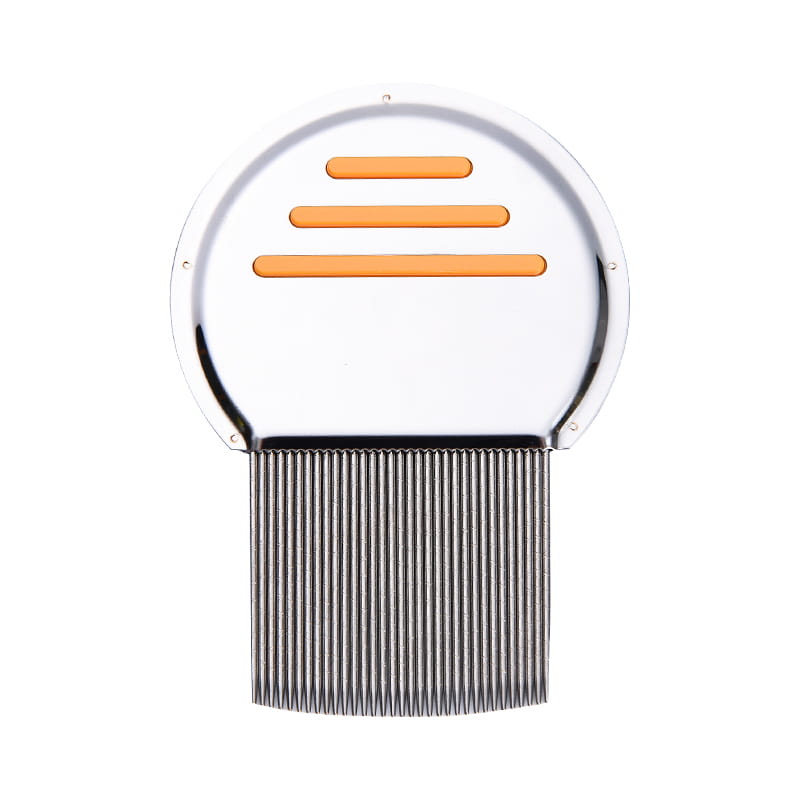
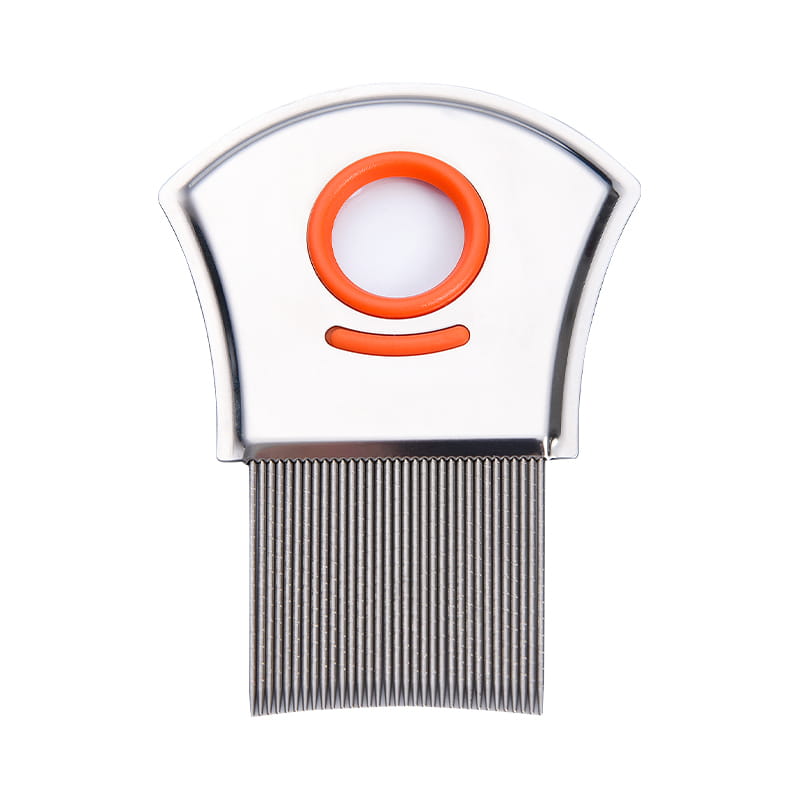
For family retail and pharmacies, the high-efficiency model is the workhorse: a dense tooth section for the removal pass, a body shaped for a controlled grip, and no features that need explaining at the shelf.
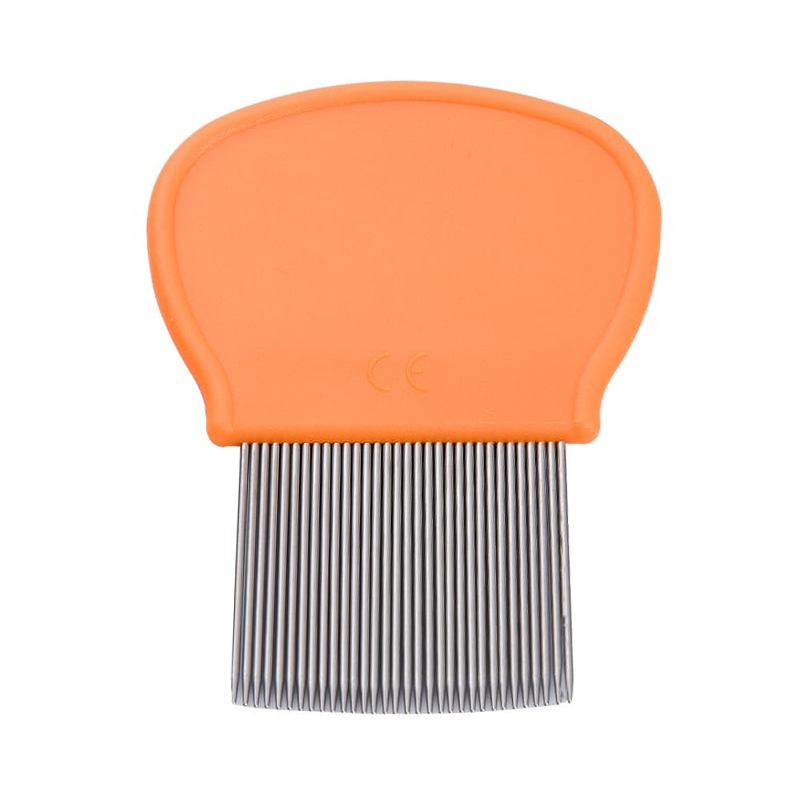
 High-Efficiency Multifunctional Lice Comb for Family RetailA dense-tooth, controlled-grip lice comb with magnifying glass and 304 stainless steel needles, suited to family retail and pharmacy shelves.View Product →
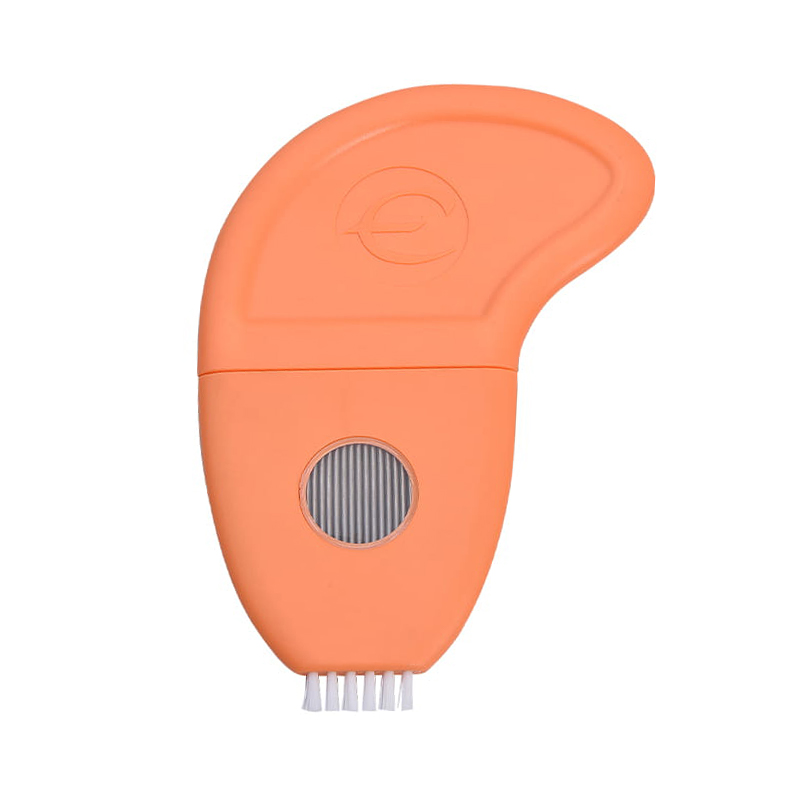
For retail lines built around an environmental positioning, the multi-effect model is named for that story; confirm the actual material grade and recycled content with the factory before printing any environmental claim on pack, because that wording is regulated in most of these markets.
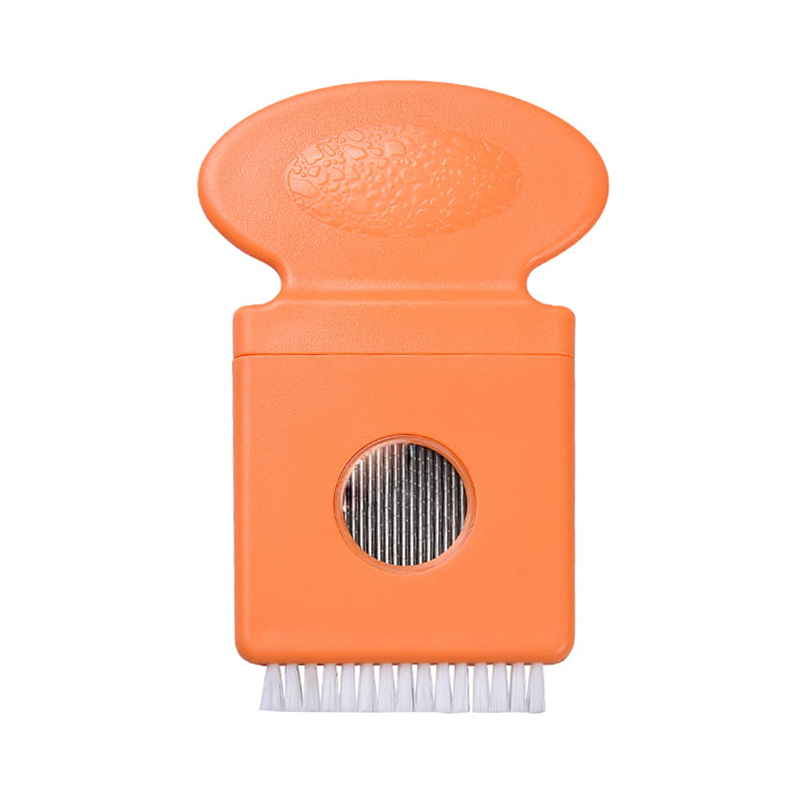
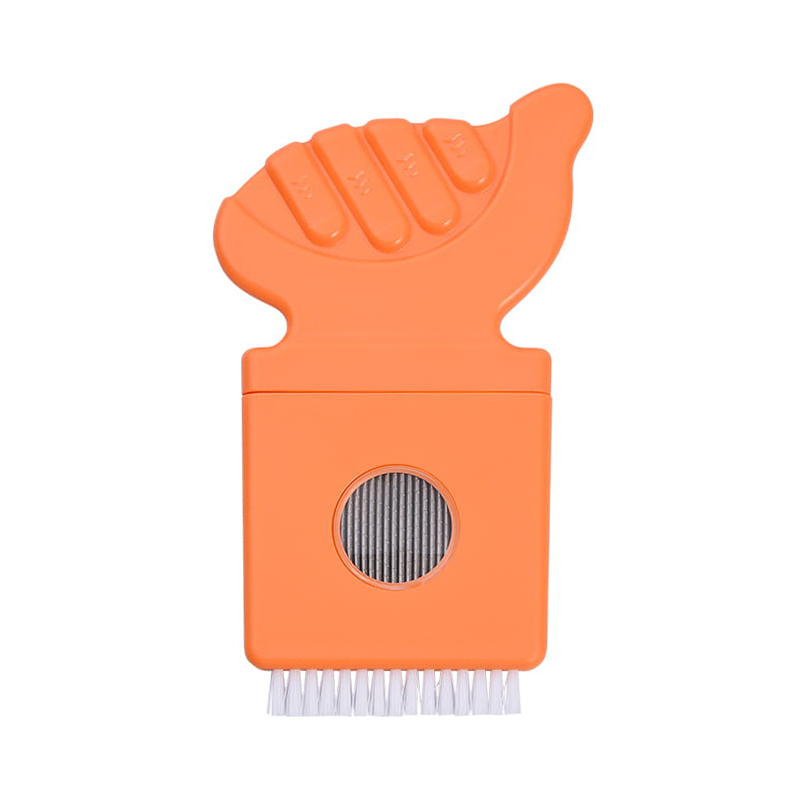
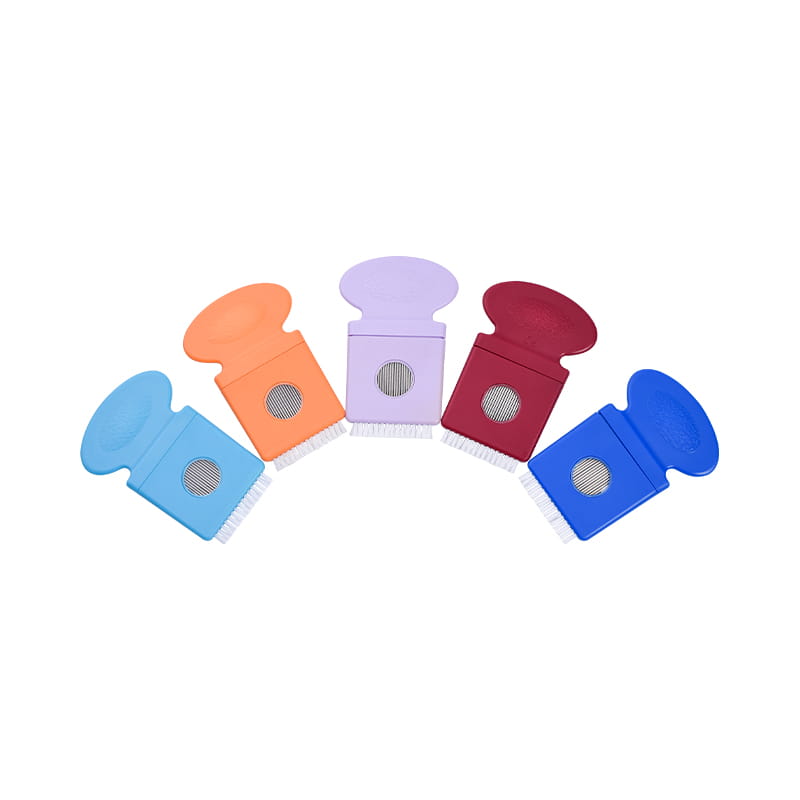 Environmentally Positioned Multi-Effect Lice CombA reusable multi-effect comb with magnifying glass and cleaning brush, intended for retail lines where environmental wording is verified before packaging claims.View Product →
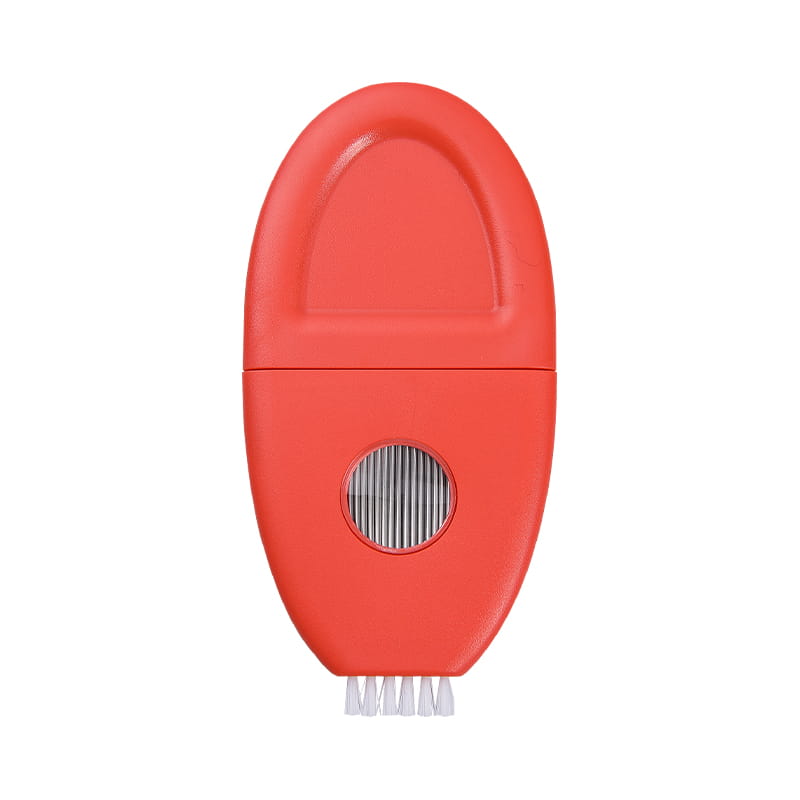
For school kits, travel packs and clinic giveaways, the portable model trades size for packability. Check tooth alignment on the compact body in the approval sample, since smaller molds leave less room for error.
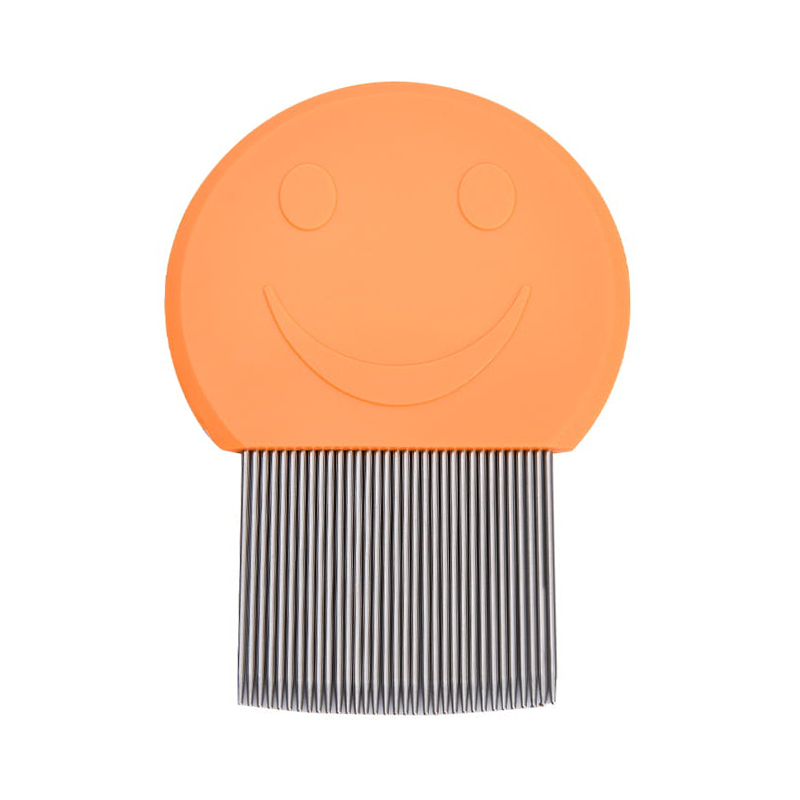
 Portable Multi-Purpose Lice Comb for School and Travel KitsA compact 128 mm comb with 33 stainless steel needles and non-slip handle, suited to school kits, travel packs and clinic giveaways.View Product →
Capacity, tooling and what the factory floor changes about your plan
Scale matters at the moment you ask for a custom color, a new handle shape or private-label packaging. The factory in Yuyao — 3,600 m² near the Hangzhou Bay bridge, stainless steel production since 2003 and lice combs since 2008 — reports roughly 1 million combs and 36 million needles a month, with annual output above 4,000 tons. In practice, a 20,000-piece run is a routine batch rather than a special project, and new tooling is the real lead-time item, not the assembly line.
A wide series is not automatically better, but the counts tell you something practical: where tooling already exists, sample rounds are faster and a color change costs less per unit. Ask how many models exist in your target configuration before committing to a custom mold.
The RFQ checklist that prevents rework
Send these eight items with the enquiry and most of the back-and-forth disappears:
- Approved reference sample plus a drawing showing gap, pin diameter, tip radius and overall length, with tolerances.
- Pin retention requirement and the test method: pull force in kilograms, sample size, acceptance rate.
- Tip inspection standard — burr-free under magnification, no sharp edge on the scalp side.
- Lens specification where magnified: magnification, material, and an adhesion test after hot-water and detergent soak.
- Body material, color reference and grip texture requirement.
- Packaging: retail card or blister, barcode, multilingual warnings, shelf-ready or bulk.
- Compliance documents for the destination market, plus the certificates you need on file before shipment.
- Sample approval rounds, mold ownership, and what happens to the tooling if the program ends.
A multi-function lice comb earns repeat orders when the teeth, the pins and the handle are specified as one system instead of three line items. That conversation moves faster with a manufacturer that draws its own needles, molds its own bodies, and has run both processes long enough to know which tolerance the customer will feel in the hand. Bring the reference sample, the drawing and the checklist; the rest is scheduling.