

 Español
 中文简体

A purchase order for 400,000 lice combs rarely fails on price. It fails on a 0.05 mm drift in tooth gap, a batch of steel needles that snags hair, or a handle that cracks on the second drop test. In this category, the phrase "specializing in lice comb" describes something concrete on the factory floor: the needle, the body and the assembly tolerances are controlled as one system rather than bought as three separate parts.
The short answer first: buy finished combs from a supplier that makes its own teeth or needles, because the two halves cannot be quality-controlled in isolation. What follows is how that specialization shows up in specifications, capacity figures and the questions worth asking before a mould deposit is paid.
Specializing in Lice Comb Means Owning Three Layers
A trader can source a comb. A specialist controls the component that decides whether the comb works at all. Yuyao Safe & Beauty Lice Comb Factory, based in Yuyao, Zhejiang, began stainless steel production in 2003 and lice comb assembly in 2008; from a 3,600 square metre plant it runs roughly 36 million steel needles and about 1 million finished combs per month, with annual output above 4,000 tons. The stainless steel lice comb needle range is supplied both as a component for finished combs and as a stand-alone product, which is the clearest signal that the part and the product are engineered together.
That matters commercially. When teeth snag, the gap drifts or a surface finish flakes, a buyer working with two vendors inherits a blame ping-pong match and two inspection reports that do not agree with each other. One supplier means one warranty, one mould owner and one dimensional standard.
The product architecture at a specialist plant usually follows five layers, and each layer changes tooling rather than just price:
- Lice comb range
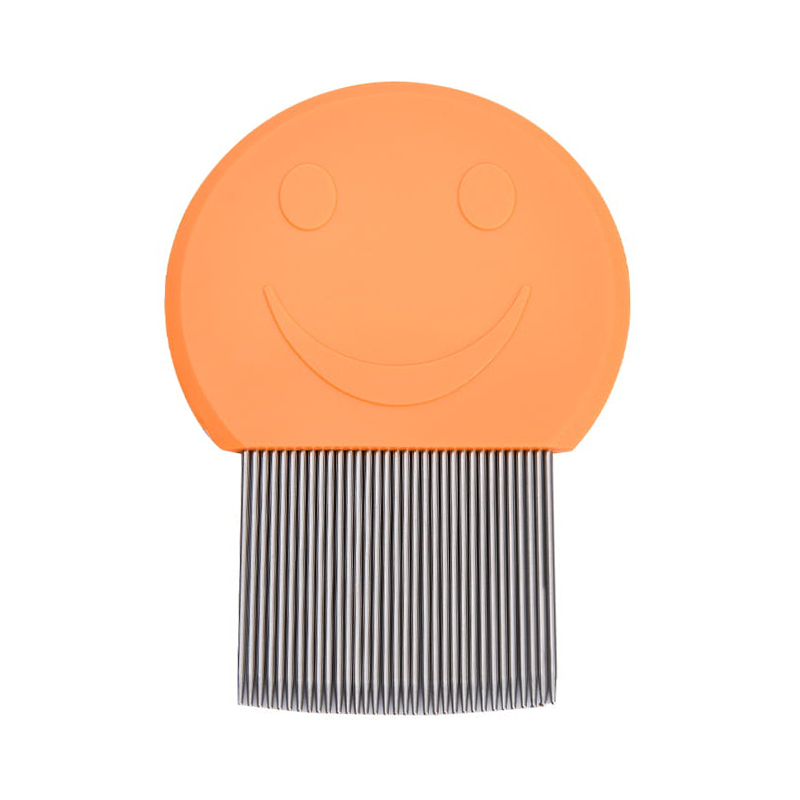
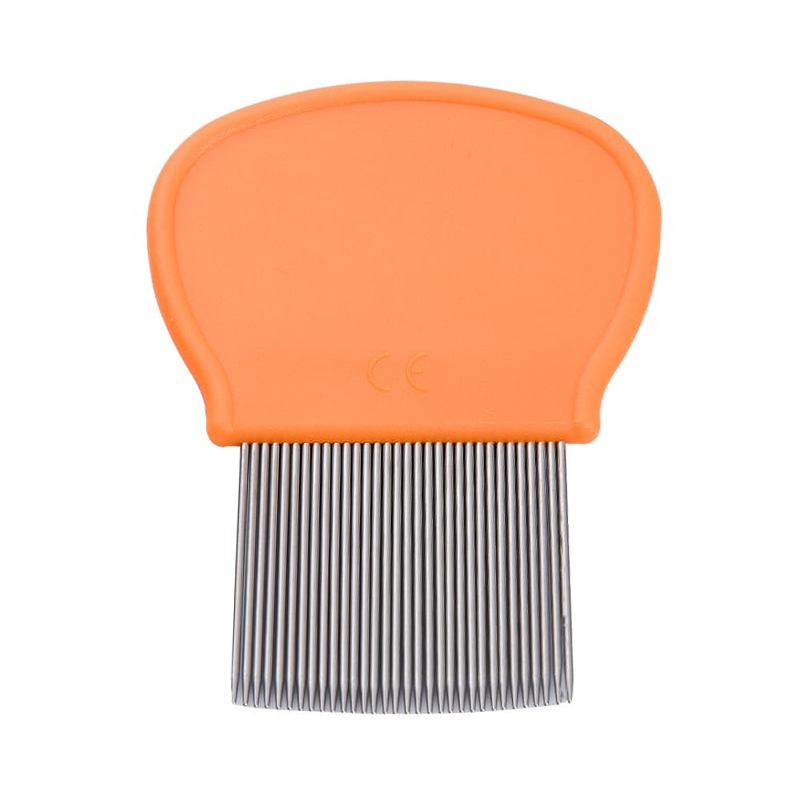
- Material layer: all stainless steel; all plastic
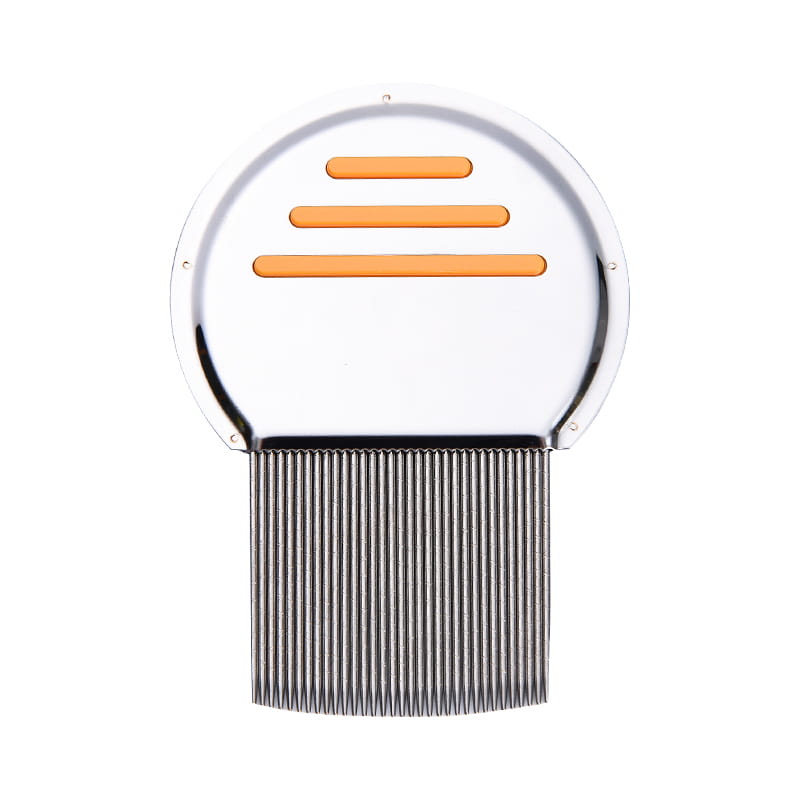
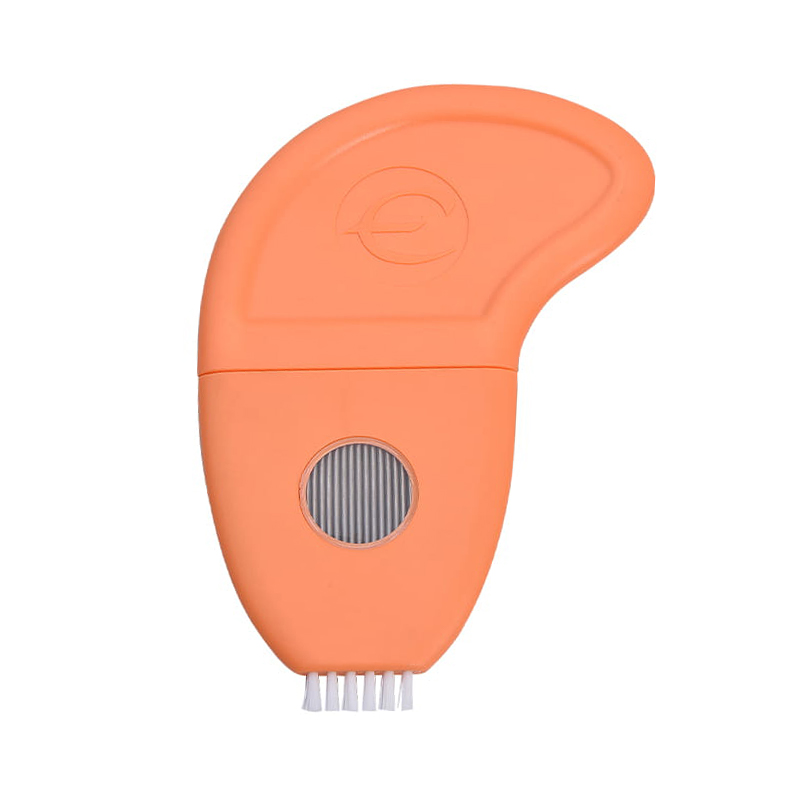
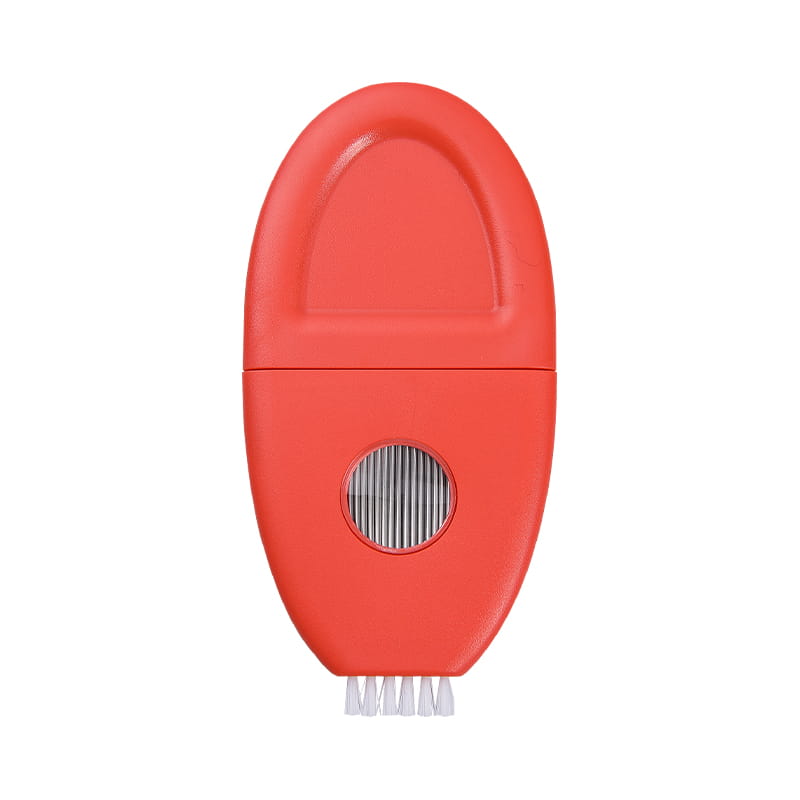
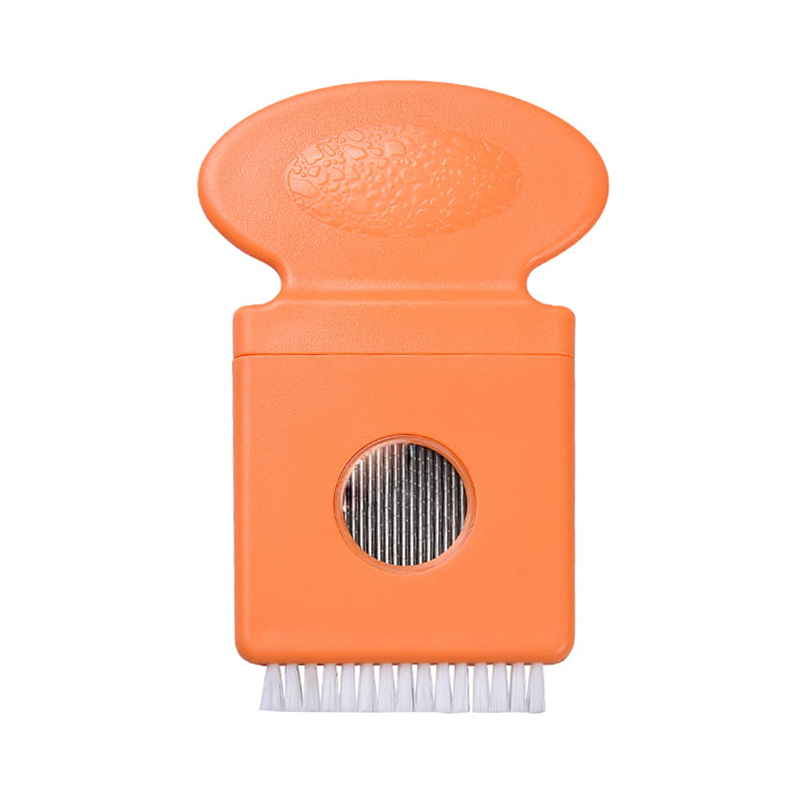
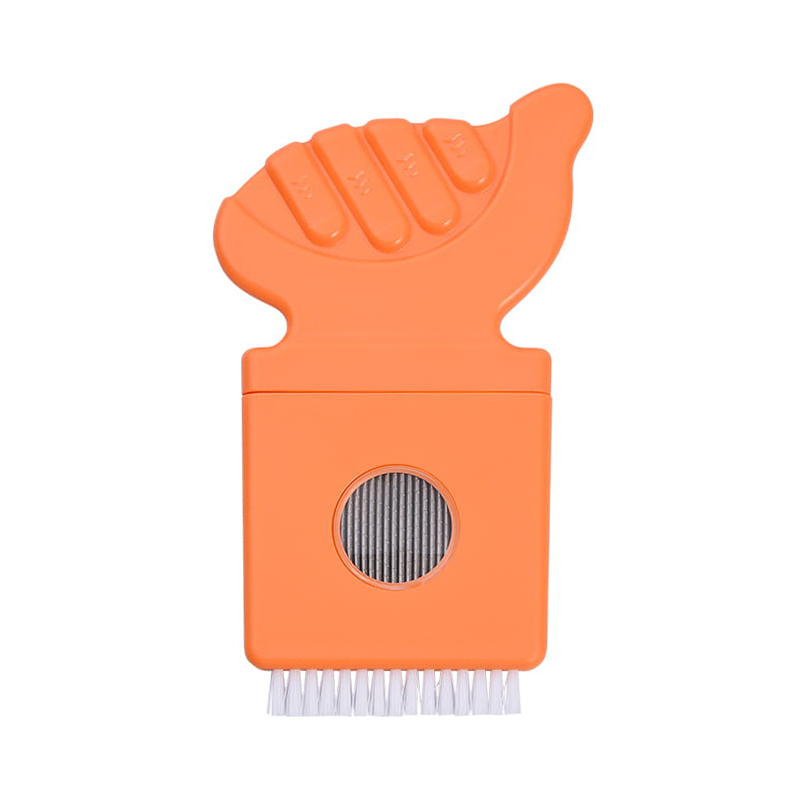
- Format layer: big handle; long handle; compact and cuboid bodies
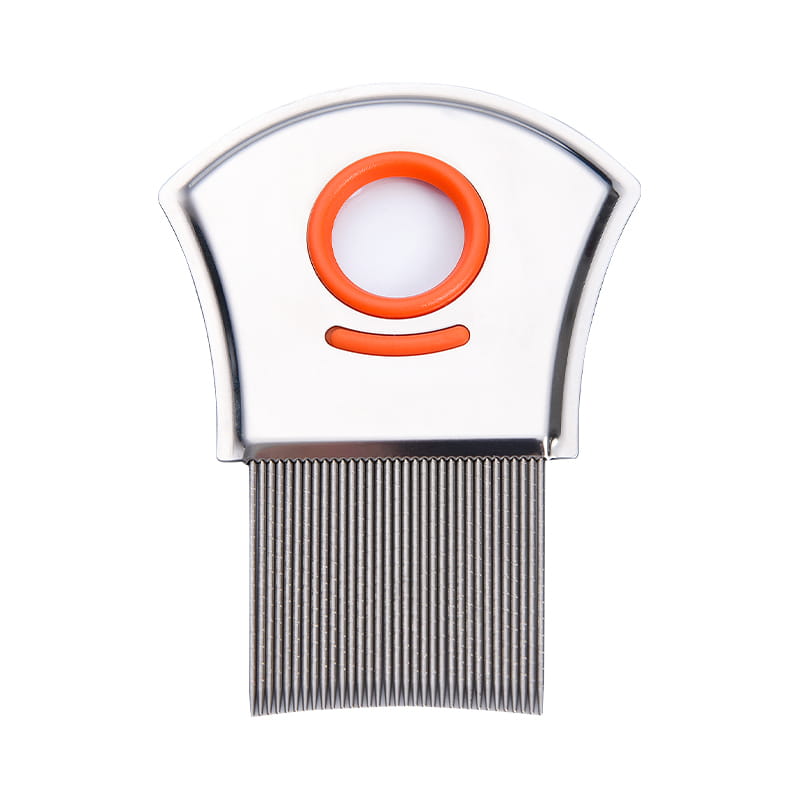
- Function layer: 3x magnifier; multifunctional; dense tooth
- User layer: baby and child; sensitive scalp with small needles; pet
- Component layer: stainless steel needles sold separately
Where a family sits on that tree decides the mould, the needle diameter and the inspection plan. A 3x magnifier model and a plain 35-tooth model may look similar on a shelf, but they come off different tooling and carry different failure modes.
The Specifications That Decide Whether a Comb Actually Works
Conclusion first: gap consistency matters more than the gap headline printed on the box. A comb advertised with a tight gap that varies noticeably from tooth to tooth will drag hair, and dragging hair is what generates returns and one-star reviews.
The figures below are reference points buyers most often write into a specification. Treat them as a starting frame, then confirm against your own market's requirements and your own sample test.
| Parameter | Typical reference | What it changes in use | Risk if it slips |
|---|---|---|---|
| Tooth gap | 0.2-0.3 mm for nit work; wider for detangling | Whether nits are trapped or pass straight through | A 0.1 mm slip turns a nit comb into a styling comb |
| Gap consistency across the row | 0.05 mm maximum variation | Even tension while combing | Snagging, breakage complaints, refunds |
| Needle diameter | 0.5-0.9 mm depending on required rigidity | Flex versus strength | Bent teeth after the first or second use |
| Tip finishing | Rounded and polished | Comfort on scalp and around the ears | Scratches, especially with children |
| Lens magnification | 3x, distortion-free across the window | Visibility of nits during combing | Claims that fail in a customer photo |
| Steel surface | Burr-free and polished | Lice glide off; the comb rinses clean | Residue build-up and cross-contamination |
Testing does not need a laboratory. Draw a 30-piece sample per lot, measure the first, middle and last tooth with a digital caliper, then drag the comb through a wet hair swatch from root to tip ten times. If the comb pulls, either the finish or the gap tolerance is wrong, and you will find out before your customer does.
Material Choice: Stainless Steel, Plastic, or Both
Neither material is inherently better; they answer different retail positions. Stainless steel holds a gap after repeated use and survives shipping, so it carries the nit-removal claim. Plastic is lighter, cheaper at volume and easier to colour-match for value and children's ranges, but thin teeth relax over time and the gap grows silently.
| Aspect | Stainless steel | Plastic | Buyer note |
|---|---|---|---|
| Unit cost at volume | Higher | Lower | Plastic wins price-led retail; steel wins premium |
| Tooth stability | Holds gap after repeated use | Flexible; relaxes if too thin | Check wall thickness on quoted samples |
| Weight and perceived value | Heavier, durable feel | Light and colour-friendly | Affects shelf positioning and price point |
| Shipping durability | Low breakage risk | Depends on handle design | Ask for drop-test data |
| End-of-life messaging | Metal recycling stream | Resin dependent | Relevant for EU retail listings |
A large share of export programmes end up ordering both: a steel comb for the treatment claim and a plastic comb for the household or travel pack. Producing the two in the same plant keeps the gap standard identical across the range, which simplifies your own quality disputes.
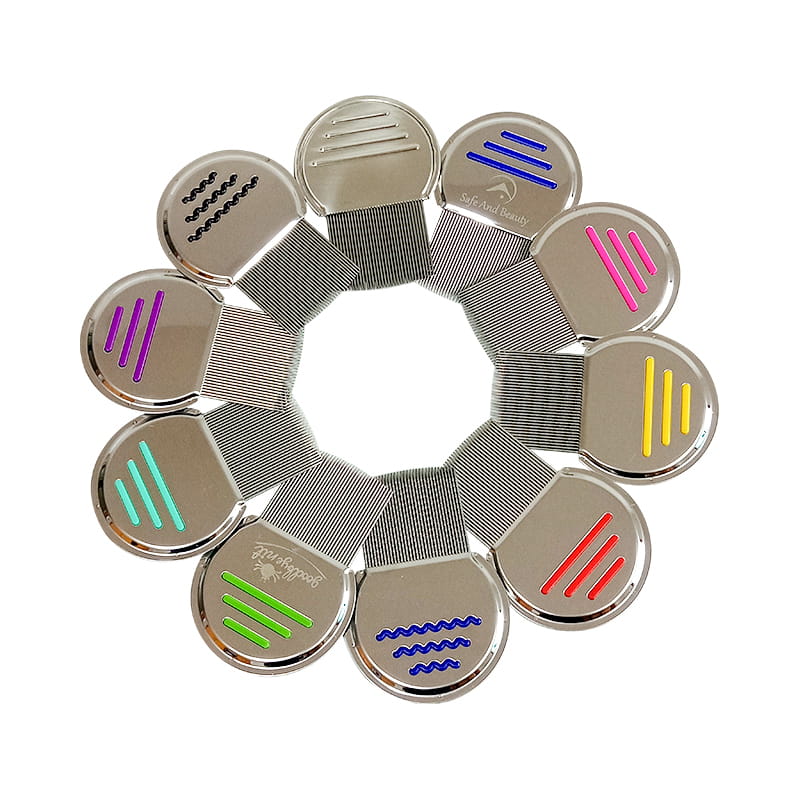 33-Needle Stainless Steel Louse CombA 33-needle stainless steel comb with 0.08–0.1 mm spacing, positioned for thorough household lice and nit removal and repeatable quality across export ranges.View Product →
Handle, Length and Lens: Where Differentiation and Cost Sit
Handle format is the cheapest way to create distinct SKUs from a single tooth profile, and the most common source of tooling overspend. A 35-tooth big-handle comb suits adult self-application; a long-handle version reaches the crown and nape without assistance; a 3x magnifier helps a parent confirm what is being removed instead of guessing at it.
Two commercial notes before you commit. First, a magnifier is only worth tooling if the lens is distortion-free across the whole viewing window, because a cheap lens undermines the feature that justified the price. Second, handle shapes are where design and appearance patents concentrate, so ask whether a shape is protected, who filed it and who owns the mould before you pay for a new one.
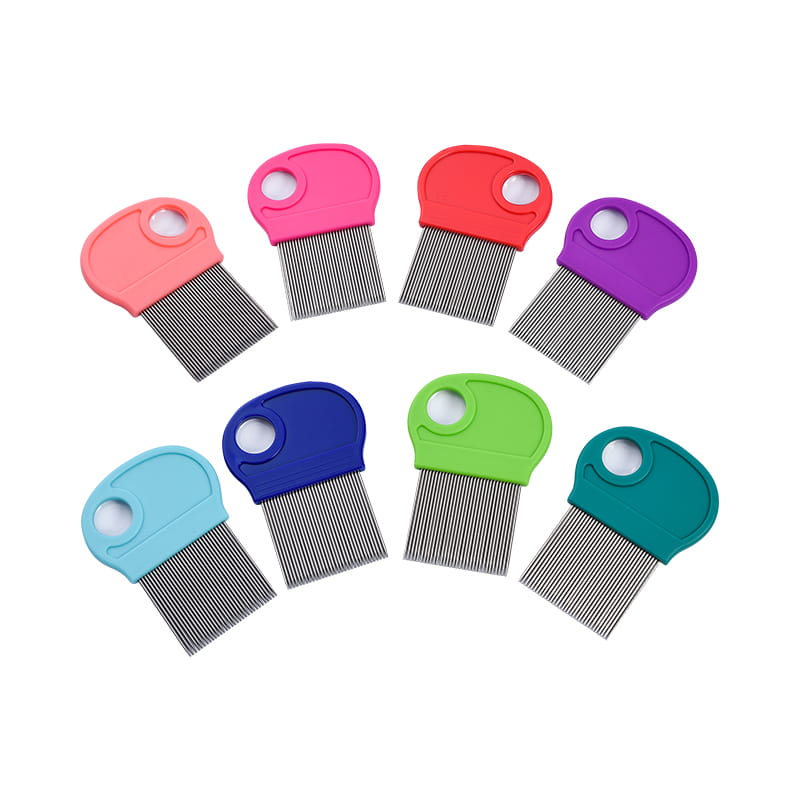 3x Magnifying Louse Comb for InspectionA 32-needle stainless steel comb with built-in 3x magnifier for checking scalp and hair, suited to family use where visual confirmation matters.View Product →
Child, Sensitive-Scalp and Pet Lines Carry Different Tolerances
Three sub-segments deserve their own specification sheet rather than a colour change on the same comb. Child and baby combs are judged on tip finishing and weight in the hand; a scratch on a six-year-old ends a product's reputation quickly. Sensitive-scalp and small-needle designs trade rigidity for flex and rounded pin ends, which tightens the budget for tooth diameter considerably. Pet combs are a different job altogether: double-sided flea combs with closely set teeth handle denser coats, and the comb must survive use on a moving animal, so the handle-to-body fixing matters more than lens clarity.
For buyers building a category rather than a single item, this is where a full-range supplier saves real time: one gap standard, one inspection format and one freight consolidation across human and pet SKUs.
 Double-Sided Pet Flea Comb for Dogs and CatsA 73 mm double-sided comb with fine and wide stainless steel teeth for daily coat care and flea removal on different pet hair types.View Product →
Capacity, Catalogue Depth and the Numbers Behind a Quote
Published output figures are a useful filter, provided you read them in the right unit. A plant quoting 36 million needles and 1 million finished combs a month is telling you that component supply is not its bottleneck; assembly, moulding and inspection are. Ask what share of that capacity is already committed to running programmes before you fix a launch date, because a large number does not reserve a line for you.
Catalogue depth is a second signal. The chart below counts the models listed per family at a specialist plant; breadth in the fine-tooth and small-needle families usually reflects accumulated tooling rather than marketing copy.
Models listed per comb family (count)
Model count per family as listed in the manufacturer's catalogue; families overlap in tooth profile.
Three questions turn capacity talk into a workable plan: what is the confirmed lead time for a repeat order, what is the minimum order quantity per model and per colour, and who owns the mould once it has been paid for. A fourth, less obvious one: can the factory supply replacement needles or spare parts if your retail programme includes refills.
Quality Control and Customization Claims Worth Verifying
Every factory in this category describes its testing. What separates them is what an audit can actually see: a dedicated gauge for gap measurement, a documented sampling plan, and a record of what was done with the last non-conforming lot. The same applies to customization, because a supplier that can build moulds to your drawing and has filed design and appearance patents for its own comb shapes is telling you the tool room sits inside the building.
Ask for the specific test behind any claim. A durability statement should name the cycle count and the load applied; the factory's own note on how stainless steel lice comb durability is verified is a reasonable benchmark for the level of detail to expect. And where a certificate page exists without naming the certifications, request the documents directly rather than assuming they cover your destination market.
When you send the next RFQ to a lice comb specialist, attach five things: the target gap with its tolerance, the material and handle format, your pack configuration, the destination market's documentation requirement, and first-order volume with a forecast. Those five lines separate a serious quotation from a price list, and they give the factory's engineers something real to design against.