

 Español
  中文简体
中文简体
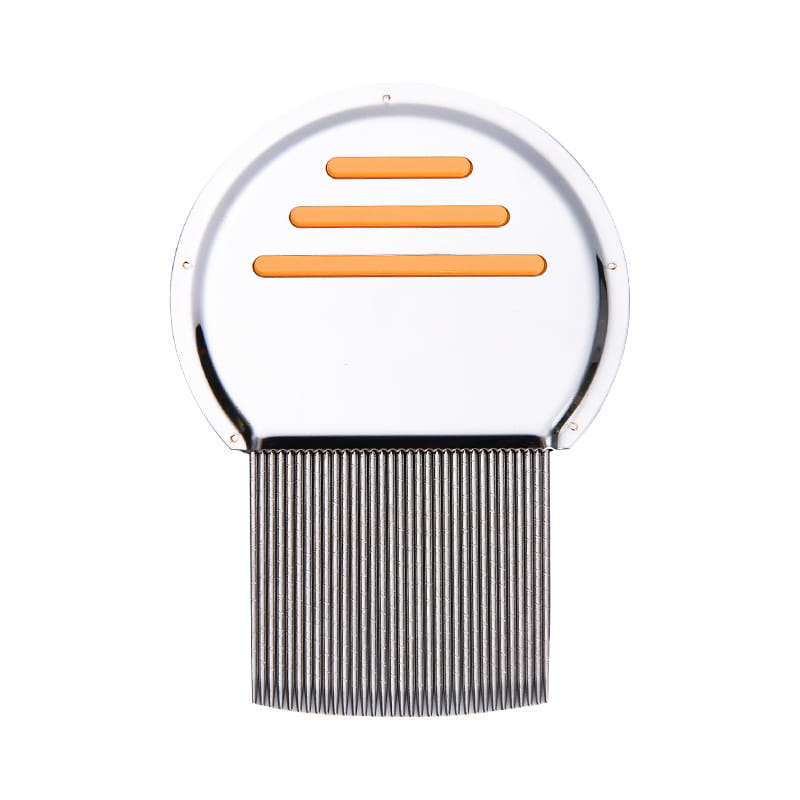
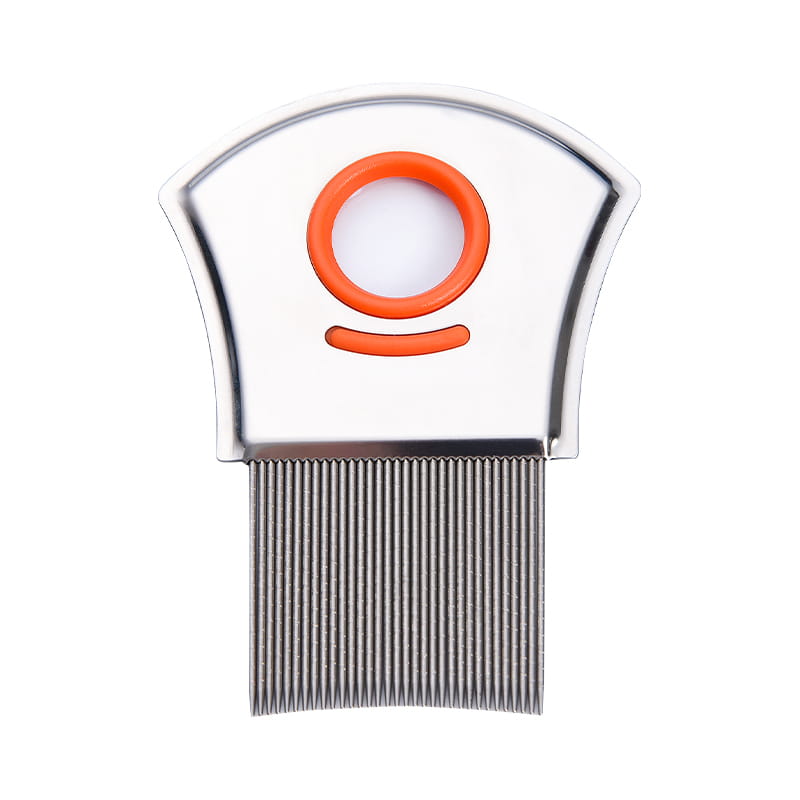
The large-scale production of high-performance medical and consumer grooming devices designed to mechanical disrupt parasite infestations relies on ultra-precise automated stamping, molding, and wire-alignment tooling. A dedicated lice comb factory operates as a specialized manufacturing facility that balances metallurgy, micro-machining tolerances, and polymer fluid dynamics to produce tools capable of physically trapping particles less than a fraction of a millimeter in size. By utilizing high-speed progressive metal stamping dies, automated micro-welding matrices, and laser-guided quality control systems, these manufacturing hubs convert raw surgical stainless steel wire and high-impact medical-grade polymers into highly effective tools that isolate and extract microscopic parasite vectors without tearing human hair or irritating sensitive skin tissues.
Micro-Gap Physics and Structural Tine Spacing Tolerances
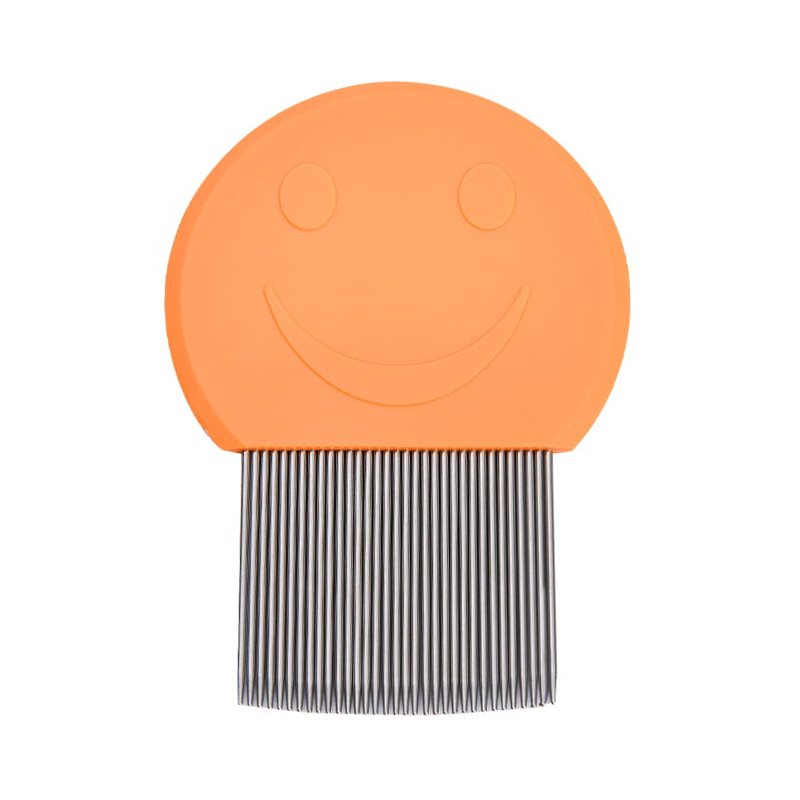
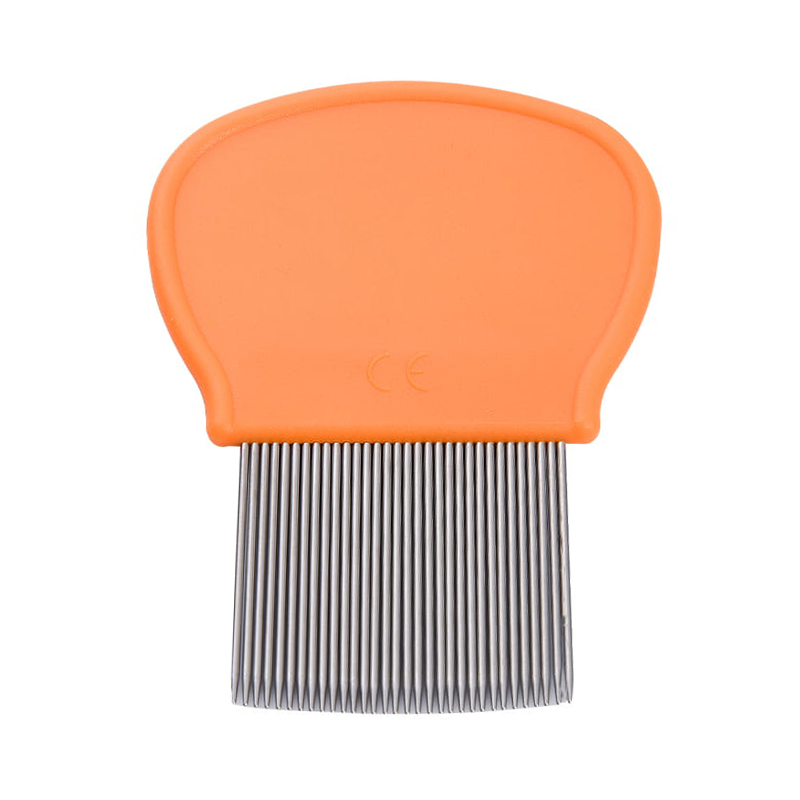
The primary functional metric that defines the success of a modern parasite extraction comb is the microscopic distance between its tines, known as the inter-tine gap. While a standard hair comb features tine spacings ranging from 1.0 mm to 2.0 mm, an effective extraction tool requires gaps smaller than the physical width of a parasite egg, or nit, which typically measures 0.3 mm to 0.5 mm in diameter.
To catch these microscopic eggs reliably, a high-volume factory configures its wire alignment machinery to maintain an ultra-tight inter-tine spacing gap of exactly 0.09 mm to 0.19 mm. Maintaining this precise gap across millions of mass-produced parts creates a major manufacturing challenge. If the gap narrows by even 0.02 mm, the comb will create too much friction, pulling and tearing the hair shaft out of the scalp during use. If the gap widens by that same tiny fraction, the small eggs will slip through the teeth completely untouched, rendering the tool useless. To prevent these quality issues, factory engineers use hardened tool-steel spacing combs and automated high-frequency acoustic vibrators to align the metal tines before permanently locking them into the handle base.
Mechanical Stress Resistance and Elastic Spring-Back Vectors
When an operator pulls an extraction comb through a thick knot of coarse hair, the individual metal tines are subjected to intense bending forces, known as lateral bending stress. Cheaply made teeth will deform permanently under this pressure, widening the gap between them and ruining the comb's effectiveness. To prevent this deformation, specialized manufacturing facilities use high-tensile Grade 302 or 316 surgical stainless steel wire that has undergone a cold-drawing tempering process. This structural processing gives the steel tines an exceptional elastic modulus, allowing them to bend slightly when hitting a thick hair tangle but instantly spring back to their original 0.15 mm alignment without suffering from structural bending fatigue.
Micro-Grooving Texturing Techniques via Automated Thread Rolling
To maximize the mechanical catching ability of the smooth metal teeth, high-speed automated production lines frequently add micro-grooves along the length of each individual stainless steel tine. This physical texturing creates sharp microscopic edges that strip cemented parasite eggs off the hair shaft far more effectively than smooth metal wires.
An advanced factory adds these micro-grooves using a process called high-speed cold thread rolling. Before the raw wire is chopped into individual teeth, it passes through a pair of opposed, hardened tool-steel dies that have been engraved with micro-patterns using laser-ablation technology. These heavy steel dies press into the moving wire under pressures exceeding 50 kN, forcing the cold steel to flow into the die patterns. This stamping adds a continuous spiral or diamond-shaped groove pattern with a depth of exactly 15 to 30 micrometers into the metal surface. This micro-grooving must be perfectly smooth; any sharp, ragged metal edges left behind by worn dies will shave the protective cuticle layer off human hair, damaging the hair shaft.
Factory Machine Classifications and Operational Performance Ratios
Industrial production facilities separate their production zones into dedicated blocks based on the underlying materials being processed. A line built for stamping pure metal combs operates under completely different speeds and pressure profiles than a line built for high-speed plastic injection molding.
The table below details the technical machine settings, manufacturing cycle speeds, material choices, and output yields for the primary production lines found inside a modern factory:
| Production Line Category | Primary Tooling Mechanism | Peak Mechanical Force | Average Process Cycle Speed | Raw Base Material Input |
|---|---|---|---|---|
| Hybrid Metal-Tooth Overmolding | Vertical Rotary Injection Die | 1200 kN Clamping Force | 120 to 180 Units per Hour | Polycarbonate + AISI 304 Wire |
| All-Metal Precision Stamping | Multi-Stage Progressive Die | 800 kN Ram Impact | 2400 to 3600 Units per Hour | Alloy 430 Stainless Coil Stock |
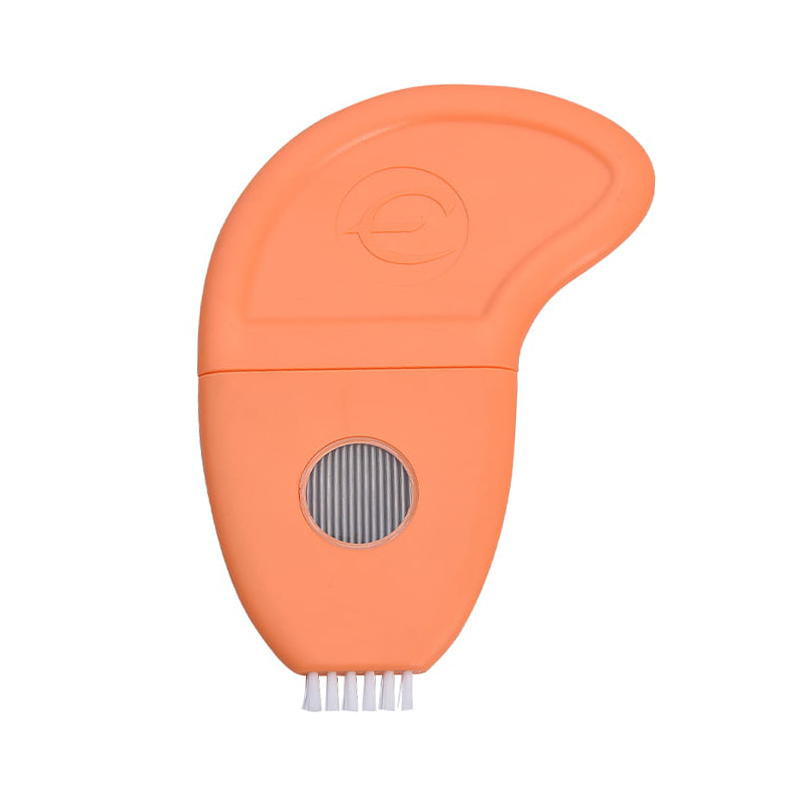
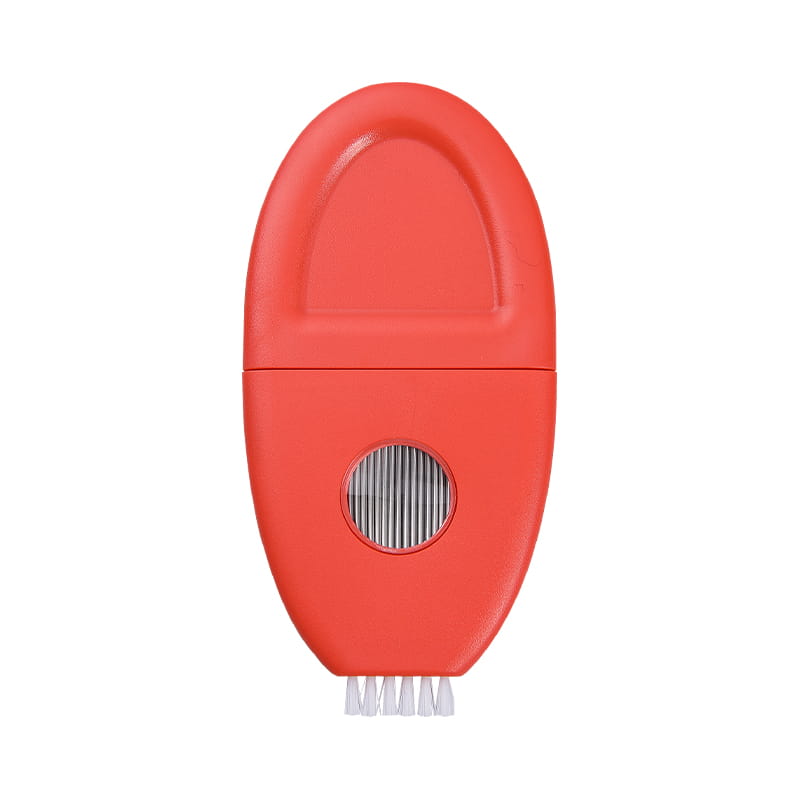
| All-Plastic Micro-Molding | Hot Runner Injection Mold | 1600 kN Clamping Force | 450 to 600 Units per Hour | Liquid Crystal Polymer (LCP) resin |
Advanced Laser Tip-Capping and Electrolytic Electrochemical Polishing
Because the aligned metal teeth of a parasite comb come into direct, high-pressure contact with human skin, finishing the tips of the tines requires careful metallurgical processing to avoid scratches or injury.
When the stainless steel wire is cut to length by high-speed mechanical shears, it leaves behind a sharp, ragged point filled with metal burrs. To smooth these tips, the factory routes the raw comb cores through an automated laser micro-welding station. A high-intensity carbon dioxide ($CO_2$) laser pulses down onto the tip of each tine for a fraction of a millisecond, melting the raw tip into a perfectly round bead with a diameter of exactly 0.35 mm to 0.45 mm. Following this laser smoothing step, the assemblies are submerged in a hot, acidic chemical bath for electropolishing. An electrical current is passed through the solution, removing a microscopic layer of metal from the comb to strip away any remaining burrs, leaving a glassy, mirrors-smooth finish across the entire metal structure.
Polymer Melt Rheology and Micro-Cavity Plastic Injection Overmolding
For hybrid combs that combine metal teeth with an ergonomic plastic handle, a factory must manage complex fluid dynamics inside a high-temperature injection molding machine.
First, a high-speed robotic arm grabs a pre-aligned array of 30 to 40 stainless steel tines and positions them face-down inside the open pocket of a hardened steel mold cavity. Once the robot backs away, the hydraulic press locks the mold shut with an immense sealing force. Next, an injection screw forces molten plastic resin—such as modified high-impact polycarbonate heated to 280°C—into the mold at pressures reaching 120 MPa. The liquid plastic must flow smoothly around the anchored ends of the metal wires without shifting their 0.1 mm spacing. To ensure a tight, permanent bond, the plastic features special chemical additives that shrink slightly as the material cools, clamping down hard around the metal ends to ensure the teeth can never be pulled out of the handle during use.
Step-by-Step Manufacturing Sequence for Hybrid Extraction Combs
Manufacturing a high-quality hybrid metal-and-plastic extraction tool requires a precise, multi-stage automation sequence. Each production step must blend into the next to ensure structural integrity and prevent dimensional shifting along the high-speed assembly line.
- High-Speed Wire Straightening and Cutting: Feed raw, coiled stainless steel wire from a massive reel into a series of motorized straightening rollers. A high-speed mechanical fly-shear cuts the straight wire into individual pins measuring exactly 52.0 mm in length, dropping them onto an automated conveyor belt.
- Execute Micro-Groove Thread Rolling: Pass the loose metal pins through a pair of high-pressure, grooved steel compression dies. The machine rolls the pins under immense force, engraving a series of precise spiral micro-grooves along the middle section of each wire to create the necessary parasite-catching texture.
- Robotic Array Alignment and Core Loading: Route the grooved pins into a magnetic sorting hopper that drops them into rows. A vacuum-assisted robotic pick-and-place arm lifts a group of 32 aligned pins and sets them into the lower die of a vertical injection molding machine, using precise indexing pins to lock in a 0.12 mm inter-tine gap.
- High-Pressure Handle Polymer Injection: Clamp the injection mold halves shut and inject molten polycarbonate resin into the cavity. The liquid plastic fills the mold corners and encapsulates the top 12mm of the metal pins, cooling over a 12-second water-chilled cycle to solidify into a comfortable, ergonomic handle grip.
- Laser tip Rounding and Final Electrochemical Polish: Move the molded combs to a finishing line where a pulsed laser rounds off any sharp tip corners. Finally, submerge the entire comb into an electrolytic cleaning bath for 45 seconds to strip away processing oils and microscopic burrs, leaving the finished tool perfectly smooth and sterile.
Quality Assurance Defect Diagnosis and Automated Sorting Protocols
To protect users and maintain high manufacturing standards, a lice comb factory uses automated optical sorting machines to find and discard defective units before they reach the packaging room.
A common problem discovered during quality checks is a defect called tine splay, where the tips of adjacent metal teeth fan outward or inward instead of staying perfectly parallel. This alignment error is typically caused by uneven cooling or thermal contraction inside the plastic injection mold. If the cooling water lines on one side of the mold block up with mineral scale, that side stays hot longer, causing the plastic handle to warp as it shrinks and twisting the embedded metal teeth out of line. To fix this, technicians must stop the molding line, flush out the cooling channels with a mild acid solution to restore even heat transfer, and recalibrate the mold temperature controllers to bring the teeth back into alignment.
Another frequent manufacturing defect is metal flashing, where a thin, sharp skin of raw steel remains attached to the base of the teeth after stamping. This issue is a clear sign of worn progressive cutting dies. After punching through hundreds of thousands of steel sheets, the sharp cutting edges of the tool-steel dies gradually round off, tearing the metal instead of shearing it cleanly. Quality control teams spot this issue using high-magnification machine vision cameras mounted above the conveyor lines. If the digital sorting system flags more than 0.5% of a batch for flashing defects, it sounds an alarm so operators can pull the worn die set and replace it with a freshly sharpened spare, keeping production quality within strict consumer safety limits.