

 Español
  中文简体
中文简体
Multifunctional Lice Comb Devices Offer Faster and More Effective Hair Care
A multifunctional lice comb provides a practical and efficient way to remove lice, eggs, dandruff, and debris from hair while supporting scalp hygiene and daily grooming. Modern designs combine fine-tooth precision, ergonomic handling, durable materials, and additional cleaning features into a single tool. Compared with traditional combs, multifunctional models improve detection accuracy, reduce scalp irritation, and simplify treatment routines for families, schools, and healthcare environments.
The growing demand for non-chemical hair care solutions has accelerated the development of advanced lice comb technology. Many households now prefer reusable mechanical removal methods because they reduce repeated exposure to topical treatments and support long-term scalp maintenance. A properly designed comb can remove a significant percentage of lice and eggs during each grooming session when used consistently and correctly.
Why Multifunctional Lice Combs Have Become More Popular
Hair hygiene concerns affect households worldwide, especially in environments where children frequently interact. Traditional combs often struggle to capture tiny eggs attached near the scalp, while some chemical treatments may require multiple applications. Multifunctional lice comb systems help address these limitations by improving physical removal efficiency.
Growing Preference for Chemical-Free Solutions
Many users seek alternatives to repeated chemical treatments because overuse may irritate sensitive skin or dry the scalp. Mechanical combing methods provide a direct removal process without relying entirely on chemical ingredients.
Studies on manual lice removal methods have shown that repeated combing sessions conducted every few days can significantly reduce lice populations when combined with proper cleaning routines. Fine-tooth stainless steel combs generally perform better than standard plastic grooming combs because narrower spacing captures smaller particles and eggs more effectively.
Improved Awareness of Scalp Hygiene
Consumers increasingly view scalp care as part of overall personal hygiene. Multifunctional lice comb tools are now used not only for lice removal but also for:
- Removing dandruff flakes
- Detangling fine hair
- Checking scalp cleanliness
- Supporting post-treatment grooming
- Reducing buildup near hair roots
This broader functionality has transformed lice combs from emergency-use tools into routine household grooming accessories.
Key Features That Improve Lice Removal Efficiency
Not all lice combs perform equally. Design quality directly affects removal efficiency, scalp comfort, and long-term durability. Multifunctional models typically include several advanced structural features that improve practical performance.
Ultra-Fine Tooth Spacing
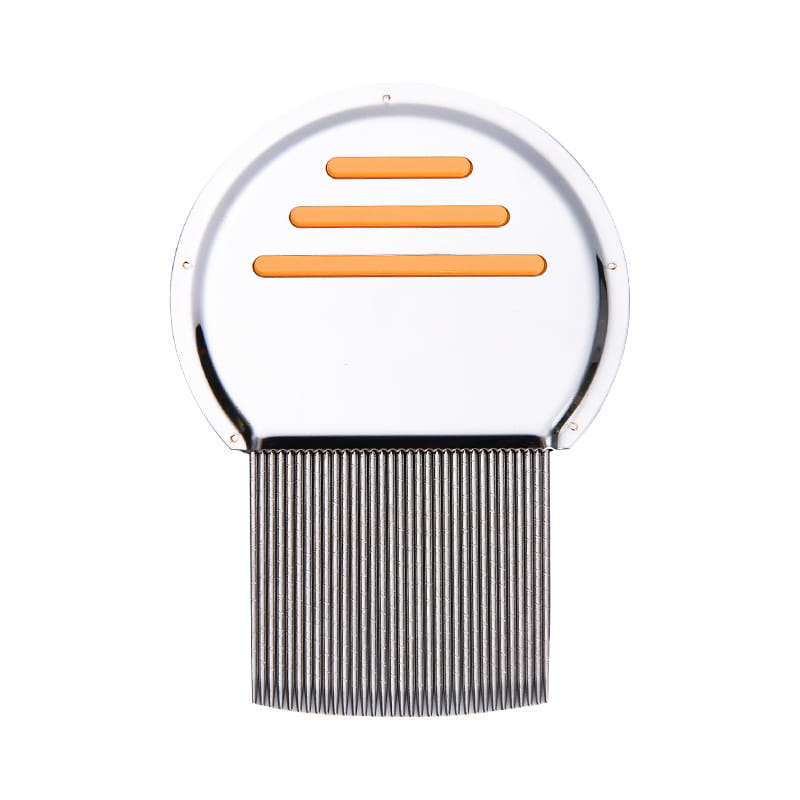
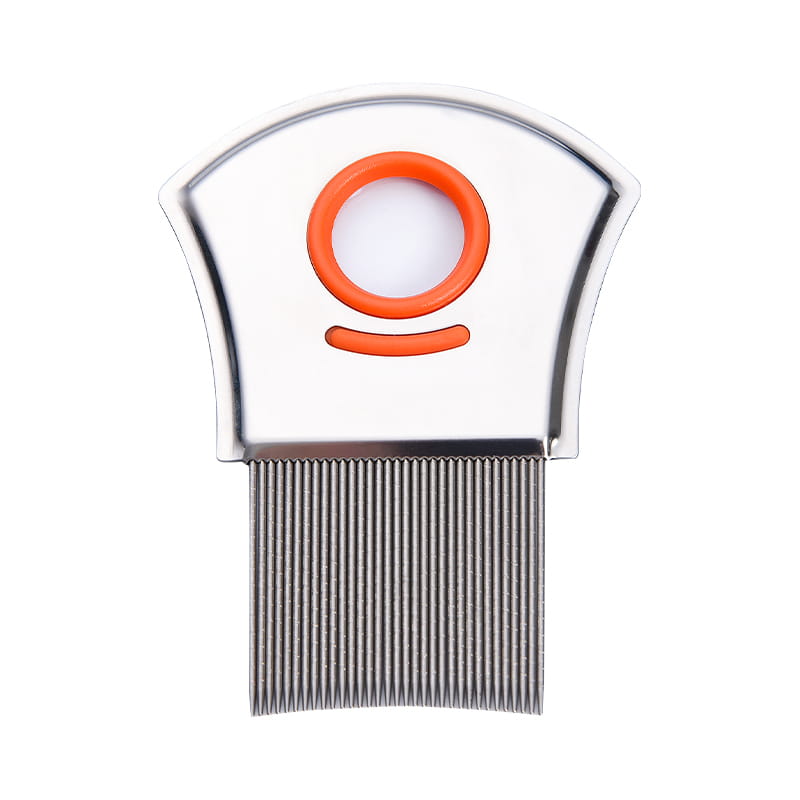
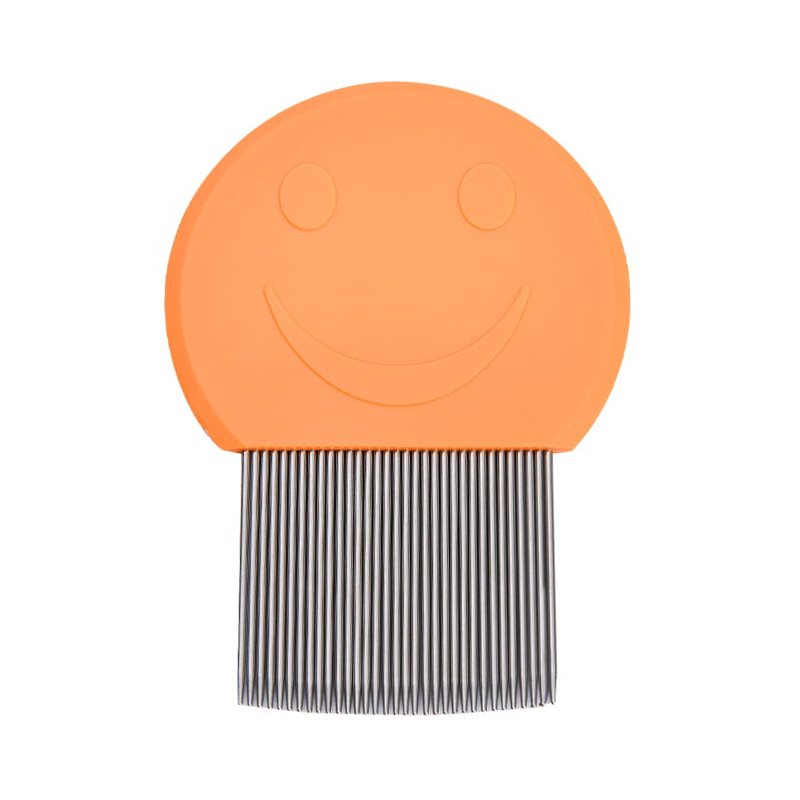
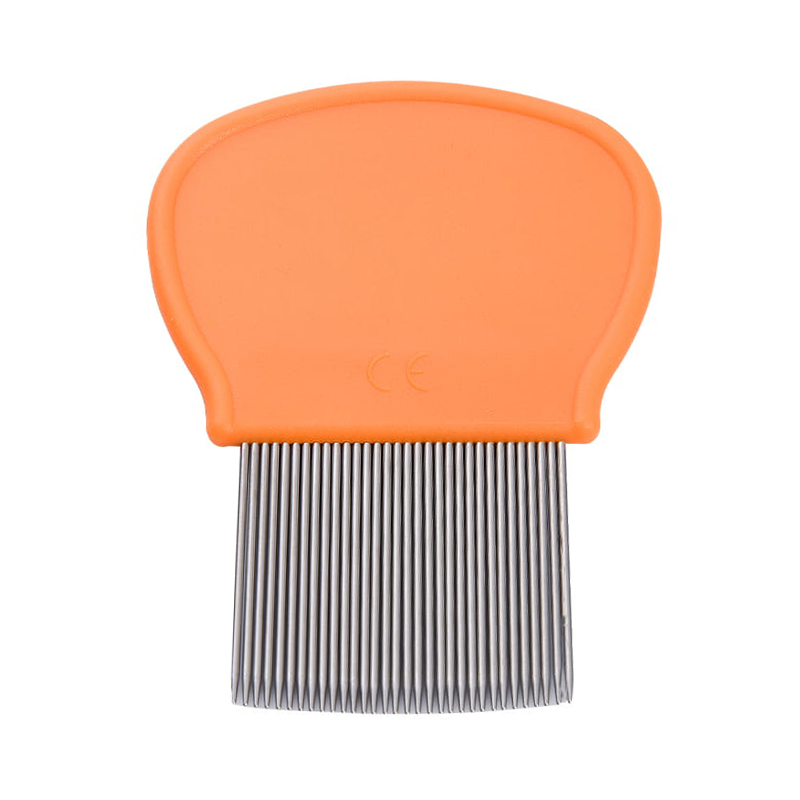
Effective lice combs require closely aligned teeth capable of capturing small eggs attached near hair roots. Tooth spacing below 0.3 millimeters is commonly preferred for precise removal.
Wider gaps may allow eggs or immature lice to escape during combing. Precision spacing increases removal consistency across different hair textures.
Rounded Tooth Edges Protect the Scalp
Rounded edges reduce scratching and irritation during repeated grooming sessions. This feature is especially important for children or users with sensitive skin conditions.
Non-Slip Ergonomic Handles
Extended combing sessions can become uncomfortable if the handle lacks grip stability. Ergonomic handle designs improve control and reduce hand fatigue, particularly when thick or long hair requires multiple passes.
Integrated Cleaning Functions
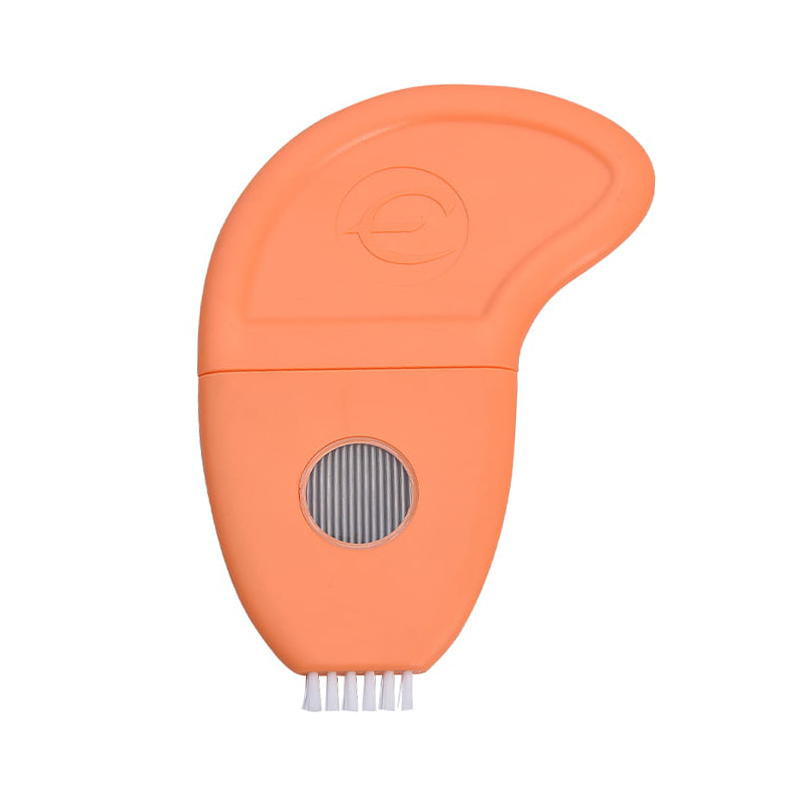
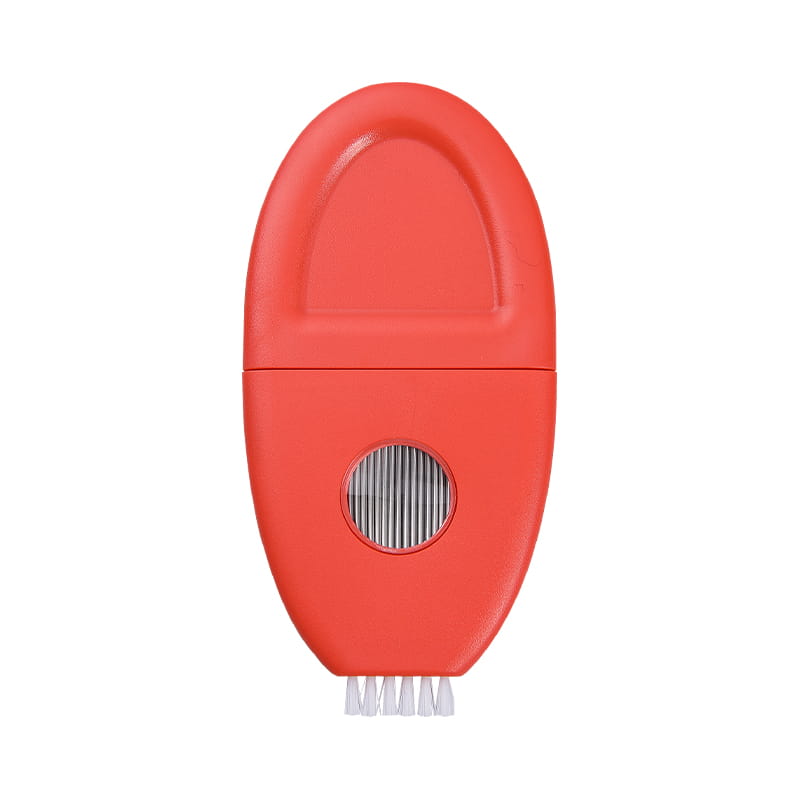
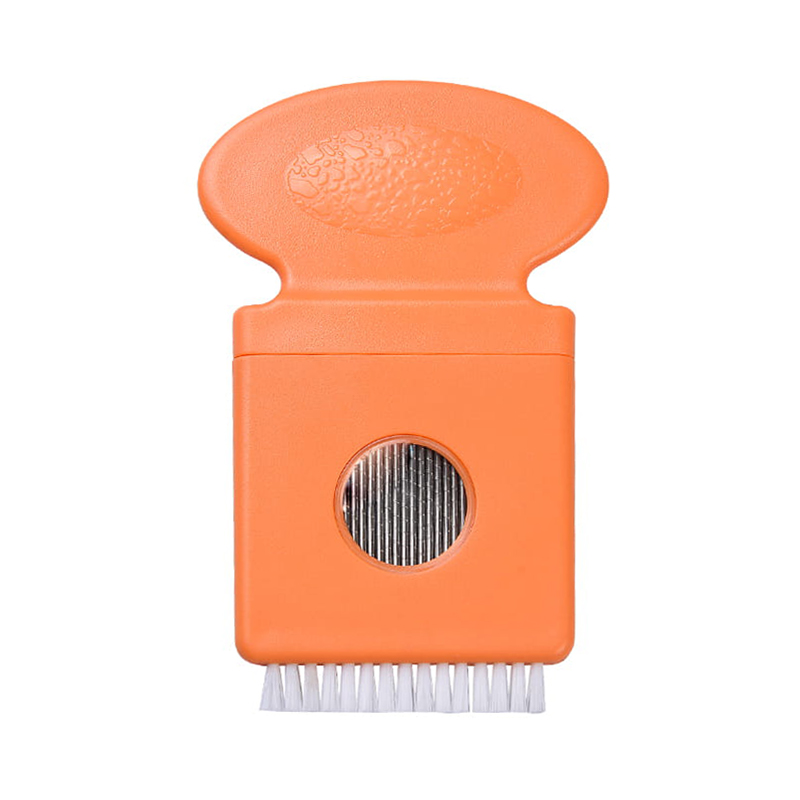
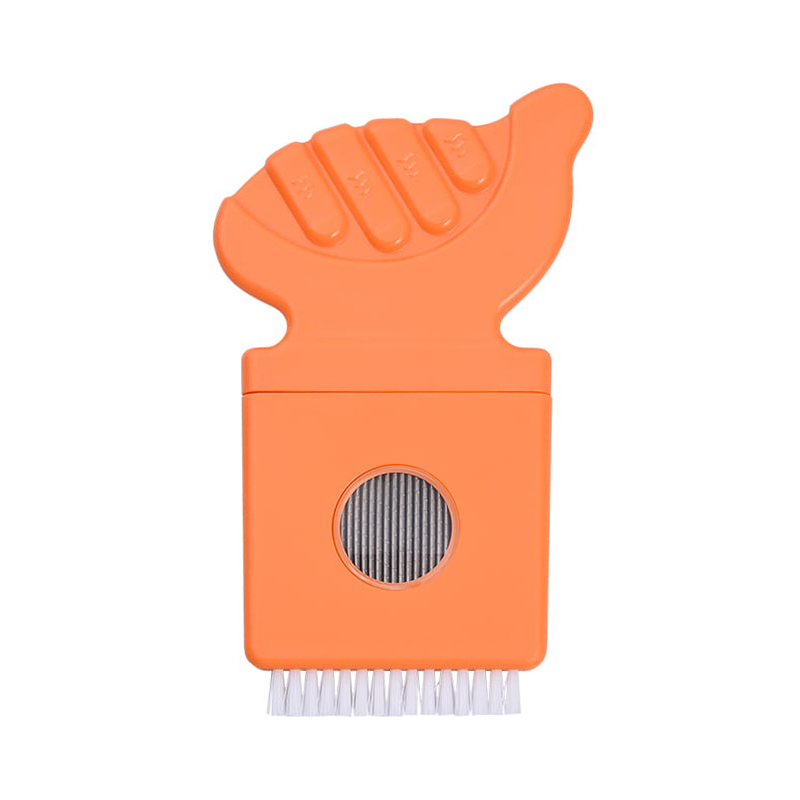
Some multifunctional lice comb systems include removable cleaning brushes or built-in debris collection systems that simplify maintenance between passes. This reduces interruption during grooming and improves hygiene.
| Feature | Purpose | Performance Benefit |
|---|---|---|
| Fine Tooth Spacing | Captures lice and eggs | Higher removal efficiency |
| Rounded Teeth | Protects scalp | Reduced irritation |
| Ergonomic Handle | Improves grip | Better control |
| Metal Construction | Enhances durability | Longer lifespan |
| Cleaning Attachment | Removes trapped debris | Faster grooming process |
How Different Hair Types Affect Comb Performance
Hair texture and density influence how effectively a lice comb operates. Manufacturers increasingly design multifunctional comb structures that accommodate a wider range of hair conditions.
Fine and Straight Hair
Straight hair generally allows smoother comb movement and faster inspection. However, eggs attached close to the scalp may still require slow, section-by-section grooming.
Curly or Thick Hair
Curly hair often creates additional resistance during combing. Wider ergonomic handles and reinforced metal teeth improve stability when navigating dense hair structures.
Applying conditioner before combing may reduce friction and improve pass-through efficiency for tightly textured hair.
Long Hair Challenges
Long hair may require sectioning to ensure complete coverage. Professionals often divide hair into smaller segments to improve visibility and reduce missed areas during treatment.
| Hair Type | Recommended Approach | Main Challenge |
|---|---|---|
| Fine Hair | Slow root inspection | Tiny eggs near scalp |
| Thick Hair | Section-by-section combing | Resistance during grooming |
| Curly Hair | Conditioner-assisted combing | Tangling |
| Long Hair | Segmented inspection | Coverage consistency |
Material Selection Plays a Major Role in Product Durability
Material quality influences both performance and lifespan. Multifunctional lice comb products are increasingly manufactured using corrosion-resistant metals and reinforced polymers designed for repeated cleaning and sterilization.
Metal Teeth Improve Precision
Metal comb teeth maintain alignment better than soft plastic structures. Stainless steel components also resist bending during repeated use on thick hair.
Precision manufacturing helps maintain consistent tooth spacing, which is critical for reliable egg removal.
Water-Resistant Handles Increase Hygiene
Frequent cleaning exposure requires moisture-resistant handle materials. Waterproof construction prevents bacterial buildup and supports long-term sanitation.
Heat Resistance Supports Sterilization
Some users disinfect combs using warm water or sanitizing equipment. Heat-resistant materials improve durability during regular maintenance procedures.
Proper Usage Techniques Improve Removal Success
Even advanced multifunctional lice comb systems require proper technique to achieve effective results. Inconsistent combing methods may leave eggs attached near the scalp.
Start Near the Hair Roots
Lice eggs commonly attach close to the scalp because body heat supports incubation. Beginning each comb pass at the root area improves removal efficiency.
Use Bright Lighting During Inspection
Good lighting improves visibility and helps identify remaining eggs or debris. Natural daylight or focused white lighting often provides the best inspection conditions.
Clean the Comb After Every Pass
Removing captured particles between passes prevents redistribution and maintains consistent performance. Many users wipe the comb using tissues or rinse it under warm water during treatment sessions.
Repeat Sessions Over Multiple Days
Since eggs may hatch at different times, repeated grooming sessions improve overall control. Consistent combing every two to three days is often recommended during active treatment periods.
The Market Is Expanding Beyond Traditional Household Use
Multifunctional lice comb products are increasingly used in educational, healthcare, and travel environments. Portable and reusable grooming tools provide practical hygiene support in locations where rapid scalp inspection is important.
School and Childcare Applications
Schools and childcare facilities frequently encourage early scalp inspection practices to reduce widespread transmission. Compact multifunctional comb systems support fast screening procedures without requiring complex equipment.
Travel-Friendly Grooming Tools
Travel-sized grooming kits increasingly include multifunctional combs because they occupy little space and provide multiple hair care functions within a single product.
Professional Hair Care Services
Some salons and scalp-care professionals use advanced combing tools for detailed scalp examinations and post-treatment cleaning support. Durable metal structures and sterilizable materials improve suitability for repeated professional use.
Emerging Design Trends Are Changing the Future of Lice Comb Technology
Product developers continue improving multifunctional lice comb systems through ergonomic engineering, smart detection features, and improved material durability. User expectations now extend beyond basic combing functionality toward comfort, portability, and hygiene optimization.
Integrated Lighting Features
Some advanced grooming tools now include built-in LED lighting to improve visibility during inspection. Enhanced illumination helps users identify eggs attached close to hair roots.
Antibacterial Surface Materials
Manufacturers increasingly use antibacterial coatings and easy-clean materials to improve sanitation and reduce contamination risks during repeated use.
Lightweight Portable Structures
Compact foldable structures and lightweight materials improve portability while maintaining structural strength. These features support travel, school use, and emergency grooming situations.
As demand for reusable and non-chemical hair care products continues growing, multifunctional lice comb technology is expected to remain an important segment within the broader personal hygiene and scalp-care industry.