

 Español
 中文简体

A buyer opens a sample bag of stainless steel comb needles and sees five shapes that all look plausible: straight round wire, a double rebar, a striped shank, a smooth taper, and a flat blade. The sample comb built from them feels fine in the hand. Two weeks later, the complaint arrives: the teeth splay under load, the tips scratch, and the gap at the root varies by 0.12 mm across the row. The shape was treated as a cosmetic choice; in reality it was the functional specification.
Conclusion first: for stainless steel comb needles in various shapes, define five things before you approve a sample — wire form, diameter and tolerance, tip geometry, straightness and set, and surface finish. Everything else, including price, mold cost, and lead time, follows from those five. The rest of this guide explains why each one matters and how to inspect it without a laboratory.
What “Various Shapes” Means on a Working Comb
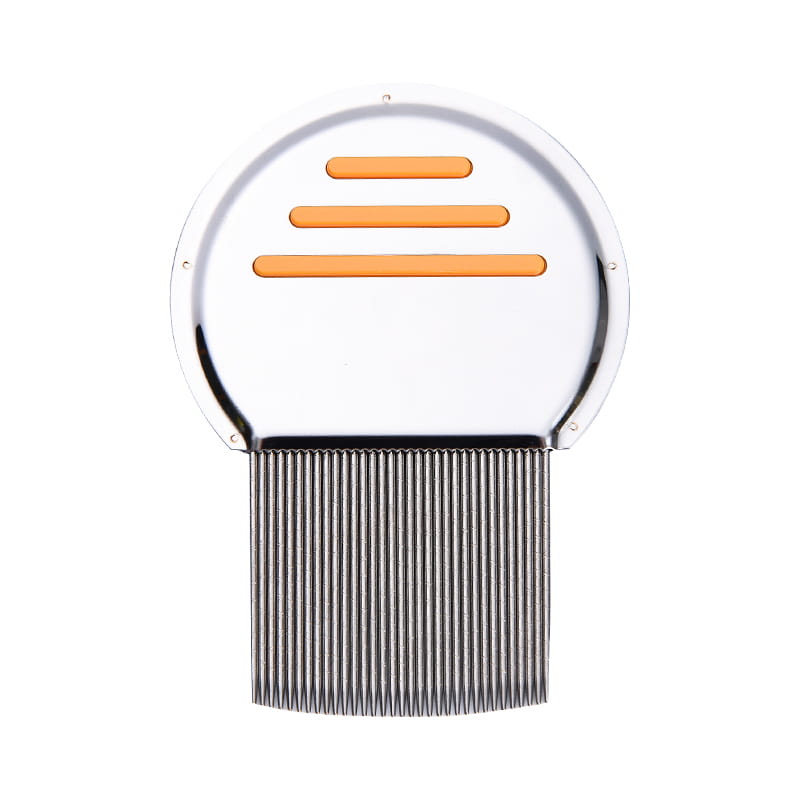
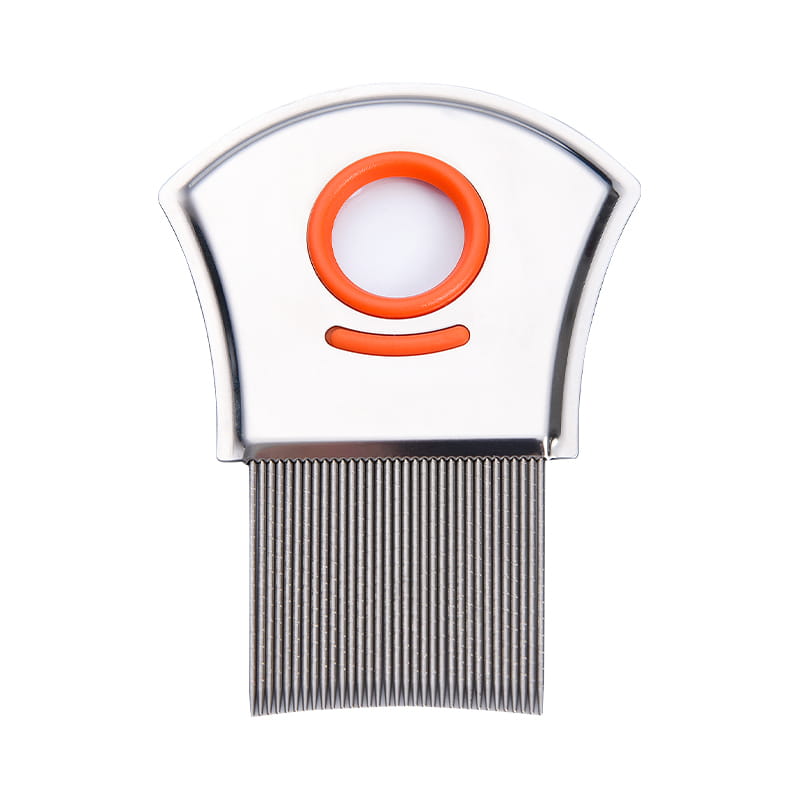
“Various shapes” is not a marketing phrase. On a lice comb or a fine-tooth pet comb, the needle section controls stiffness, hair passage, scalp feel, and how easily nits slide out of the row. The table below covers the forms most often requested from a stainless steel needle supplier, including the factory’s stainless steel lice comb needle range.
| Shape | Typical form | Best fit | Watch-out |
|---|---|---|---|
| Round straight wire | Cold-drawn round wire, 0.18–0.35 mm | General lice and nit combs; smooth passage | Rolls or bows if temper is low; check straightness |
| Double rebar | Two parallel wires joined by welding or drawing | Higher stiffness; pet combs and long handles | The joint can trap debris; verify weld quality |
| Striped or knurled | Longitudinal grooves or ribs | Grip on hair; massage combs | Grooves hold oil; specify cleaning and finish |
| Smooth tapered | Reduced diameter toward the tip | Sensitive scalp, children, fine nits | Tip radius must be controlled, not just polished |
| Flat or blade | Rectangular section | High stiffness in short fine-tooth rows | Edge burrs are a scratch risk |
The practical point is that two needles with the same 0.25 mm nominal diameter can behave like different products. A round wire and a striped wire of the same diameter do not have the same stiffness or the same friction against wet hair. Approve the section, not just the diameter.
Why Shape Drives Performance More Than Alloy Alone
Alloy selection matters for corrosion and hardness, but shape usually decides whether the comb feels right. For solid round wire, stiffness scales roughly with the fourth power of diameter. Going from 0.20 mm to 0.30 mm increases bending stiffness by about five times, which is why a 0.30 mm needle can feel rigid in a fine-tooth row while a 0.20 mm needle feels flexible in the same comb. A double rebar or a flat section changes that relationship again without changing the nominal diameter on the drawing.
Figure 1 is an indicative stiffness index for the same alloy and a 25 mm free length, not a measured standard. It is useful for comparing concepts before tooling. Tip geometry is the second lever. A 0.05–0.10 mm tip radius with a burr below 0.02 mm will pass through hair and lift nits without scraping; a sharp cut end with a visible burr will scratch even if the wire is polished. Straightness is the third. A needle that is straight to 0.05 mm over 25 mm keeps the row gap consistent; a needle with a 0.15 mm bow pushes adjacent teeth apart and creates a gap that lice can pass through.
Where Homemade Needles Usually Fail
Most homemade stainless steel comb needles in various shapes begin as purchased semi-finished wire, not as raw rod. The common failures are predictable: cutting leaves a burr, grinding overheats the tip and softens it, bending work-hardens one side and not the other, and mixed alloys from the same drawer produce inconsistent corrosion results. A maker who tests only with a magnet will not separate 304 from 420, and those two alloys behave differently after forming and passivation.
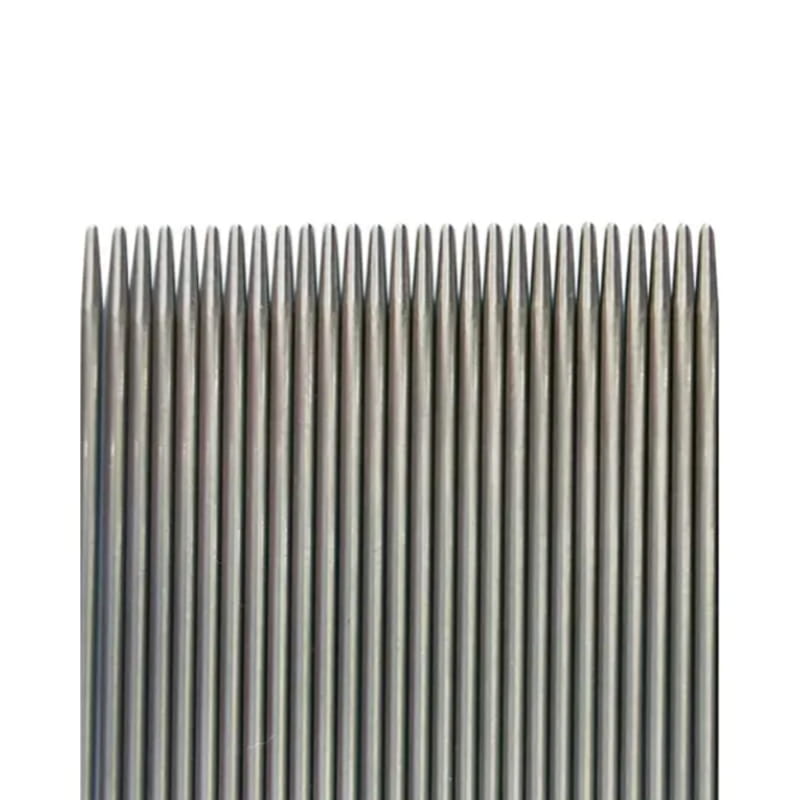 Polished Stainless Steel Lice Comb Needle, 1.25 mm × 50 mmFor smooth needle rows, this polished stainless steel needle offers 1.2–1.25 mm diameter and 48–50 mm length with rounded tips to reduce burrs and scratching.View Product →
For a smooth, low-friction row, start with a controlled tip radius and a consistent surface finish rather than polishing a sharp point until it looks round. A 20x loupe is enough to reject visible burrs, but a profile projector or roughness tester is better when the sample must survive a scratch test on wet hair. If the needle is intended for a child-friendly comb, the acceptance criterion should be written as a tip radius and a burr limit, not as “smooth” or “safe.”
A Purchase Specification You Can Inspect
The following example is a working specification, not a universal standard. Adjust the numbers to the comb’s gap, the target user, and the market’s regulatory expectations, but keep the structure: every requirement needs a value and a test method.
| Parameter | Example specification | How to verify |
|---|---|---|
| Alloy | 304 or 420 stainless, mill certificate | Mill certificate or XRF check |
| Diameter | 0.25 mm ± 0.01 mm | Micrometer, ten points per lot |
| Straightness | ≤ 0.05 mm over 25 mm | Granite block and dial gauge |
| Tip radius | 0.05–0.10 mm, no visible burr | 20x loupe or profile projector |
| Surface finish | Ra ≤ 0.4 µm, passivated | Roughness tester and salt spray |
| Row gap | ± 0.03 mm across the comb | Optical comparator or pin gauge |
Inspection should happen at three points: incoming wire, finished needle, and assembled comb. The assembled check is the one that catches set and alignment problems that a loose needle inspection will miss. If the comb is molded or riveted, measure the gap after assembly, not before.
Matching Needle Shape to Comb Type
Fine-tooth and nit combs
Fine-tooth combs usually need a round or smoothly tapered needle with a tightly controlled tip. The row gap is small, so straightness matters more than stiffness. A 0.20–0.25 mm round wire with a polished tip is a common starting point, but the final choice depends on whether the comb is designed for dry hair, wet hair with conditioner, or both.
Pet and massage combs
Pet combs and massage combs tolerate a stiffer section because the hair coat is denser and the comb is often used with more force. A double rebar or a striped needle gives more rigidity and more grip. The trade-off is cleaning: grooves and joints hold oil and debris, so the specification should include a cleaning test or a smooth alternative for customers who prioritize hygiene.
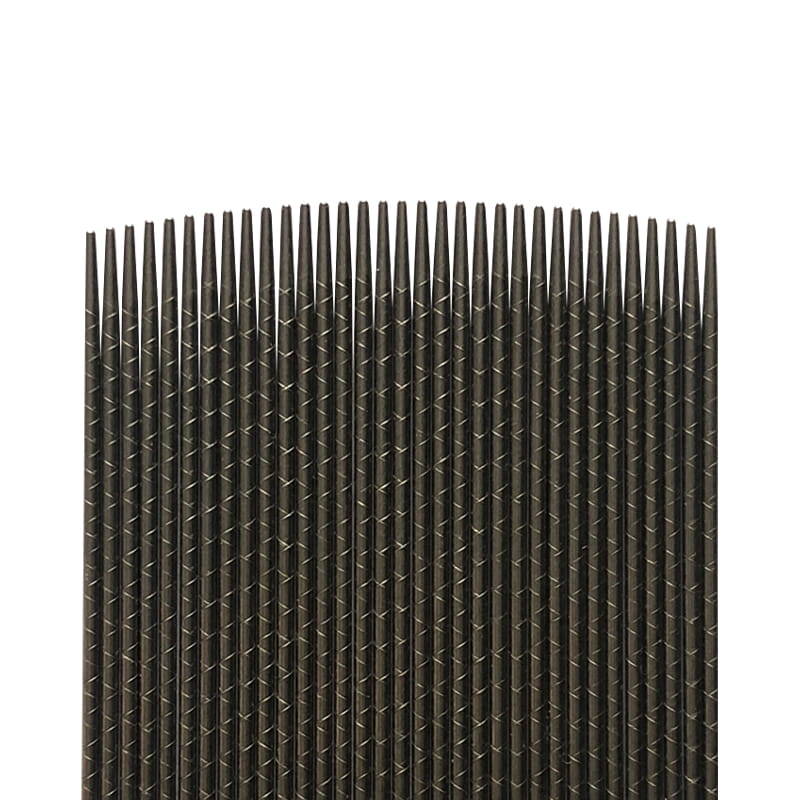 Double Rebar Stainless Steel Lice Comb NeedleWith cross two-side teeth and 2 mm spacing, this stainless steel double rebar needle adds rigidity for dense hair while targeting lice and eggs.View Product →
Magnifying and long-handle combs
Long-handle and magnifying combs add leverage, so the needle row sees more torque during use. A striped or flat section can reduce flex, but the tip still needs the same radius control. For magnifying combs, keep the needle surface low-glare; a mirror polish can obscure the view through the lens.
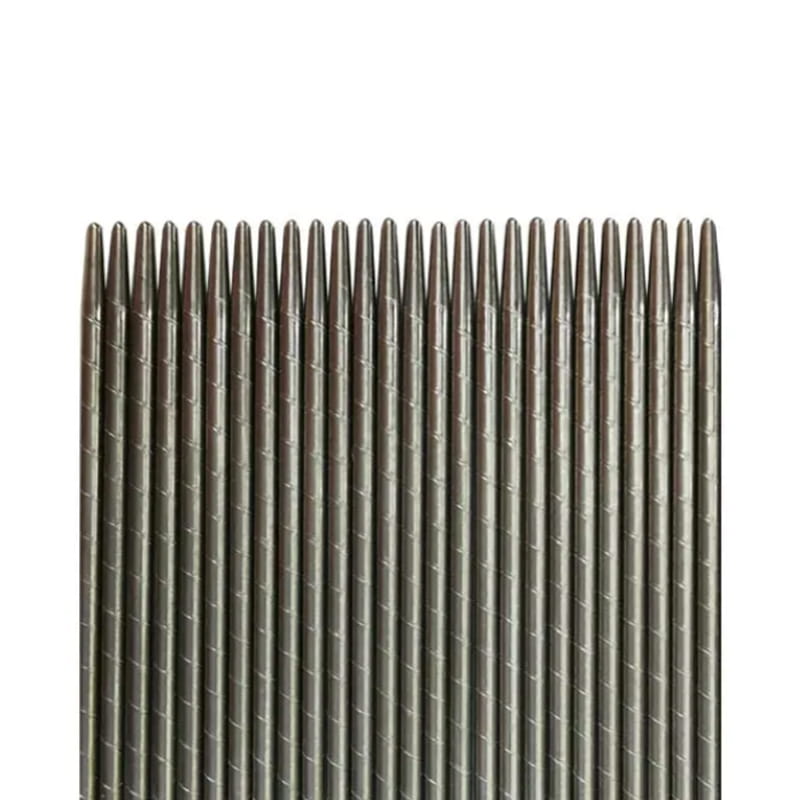 Single-Direction Striped Stainless Steel Lice Comb NeedleA striped stainless steel needle with 2 mm spacing and 0.15–0.2 mm width, designed to improve capture in dense hair and reduce flex.View Product →
Cost, Scale, and Custom Molds
Shape complexity shows up in tooling and yield, not just wire cost. A round needle is usually the lowest-cost form because it can be drawn and cut with simple equipment. A double rebar or a striped profile needs a dedicated forming step, and a flat section needs a different cutting and deburring approach. For a first order, ask for a tooling quote separately from the piece price so you can compare suppliers on the same basis.
The factory reports a monthly output of 36 million needle pieces and 1 million combs, with annual output above 4,000 tonnes across a 3,600 m² site. It began stainless steel production in 2003 and lice comb production in 2008, and it offers custom molds and shape development, with design and appearance patents on some comb models. Those numbers are useful for capacity screening, but they do not replace a sample approval. For background on how needle geometry is controlled in production, see the notes on stainless steel needle production.
Needle shape is a specification, not a style choice. Decide the wire form, diameter and tolerance, tip radius, straightness, and surface finish before you discuss price. Then inspect the assembled comb, not only the loose needles. A supplier who can show you those five values in writing, and repeat them lot to lot, is offering something more valuable than a shape that looks right in a sample bag.