

 Español
  中文简体
中文简体
Stainless Steel Lice Combs Offer Superior Lice Removal
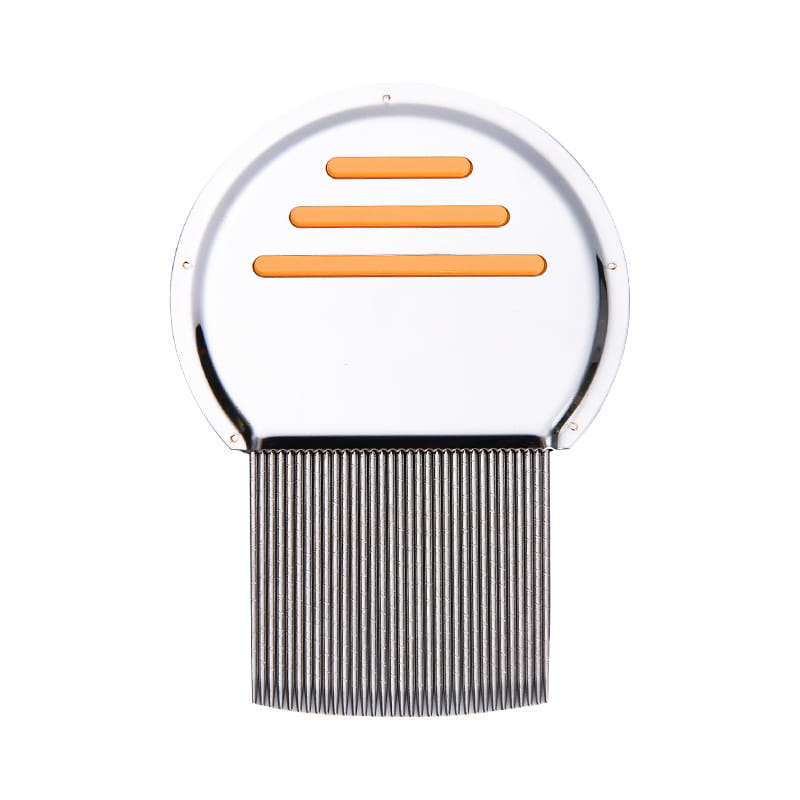
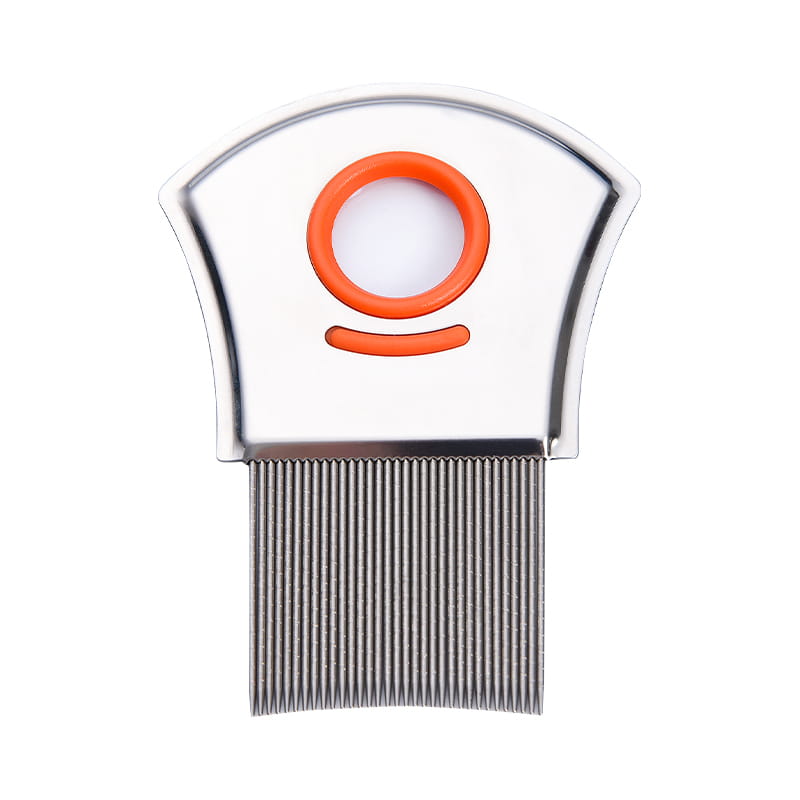
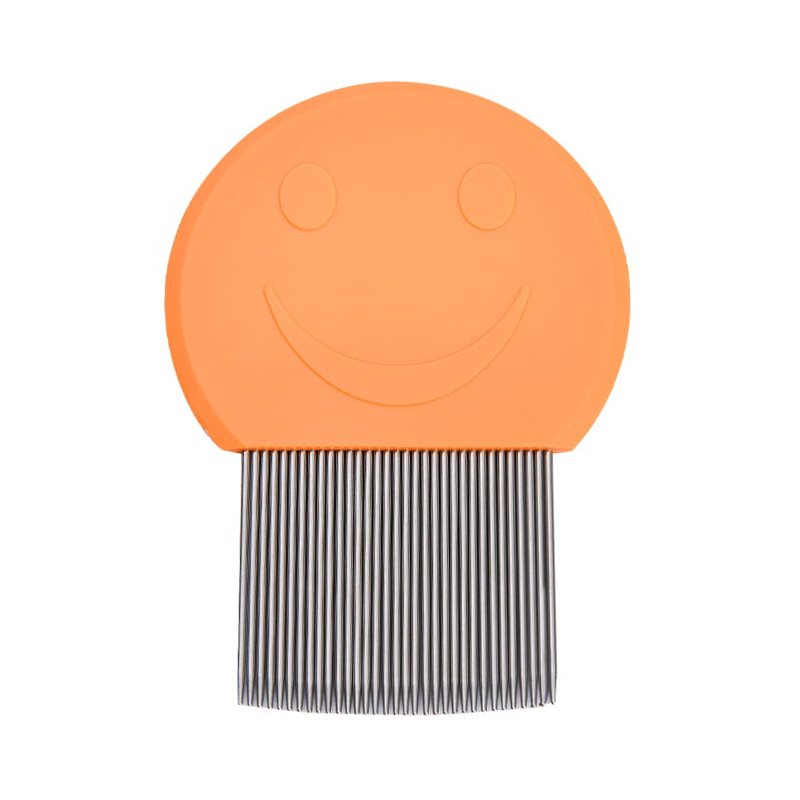
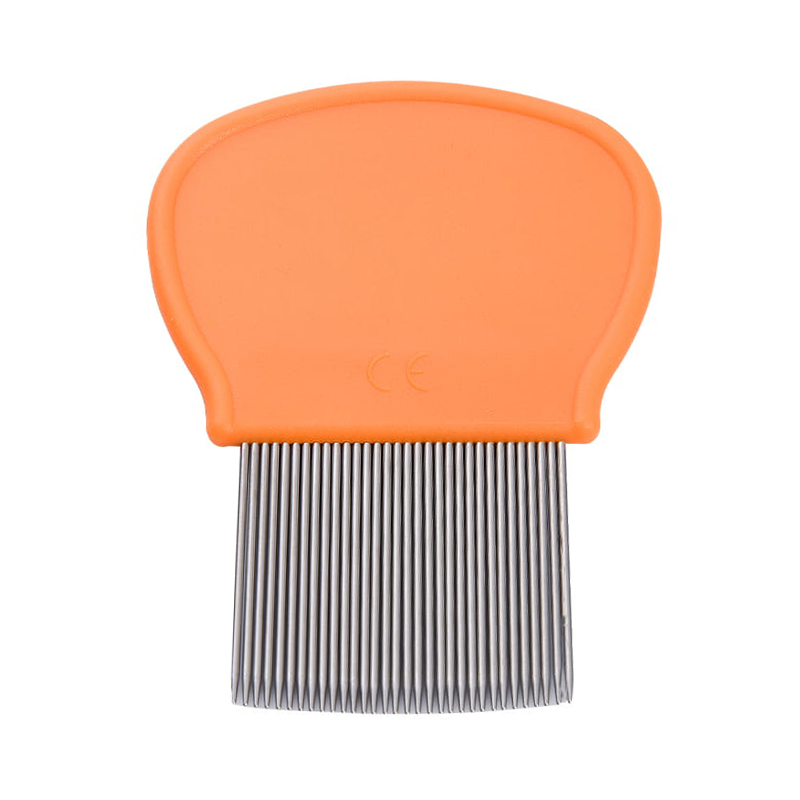
Stainless steel lice combs are more effective at removing lice and nits than plastic combs due to their fine, rigid teeth and consistent spacing. The durable material prevents bending or breaking during use, ensuring thorough treatment in a single session.
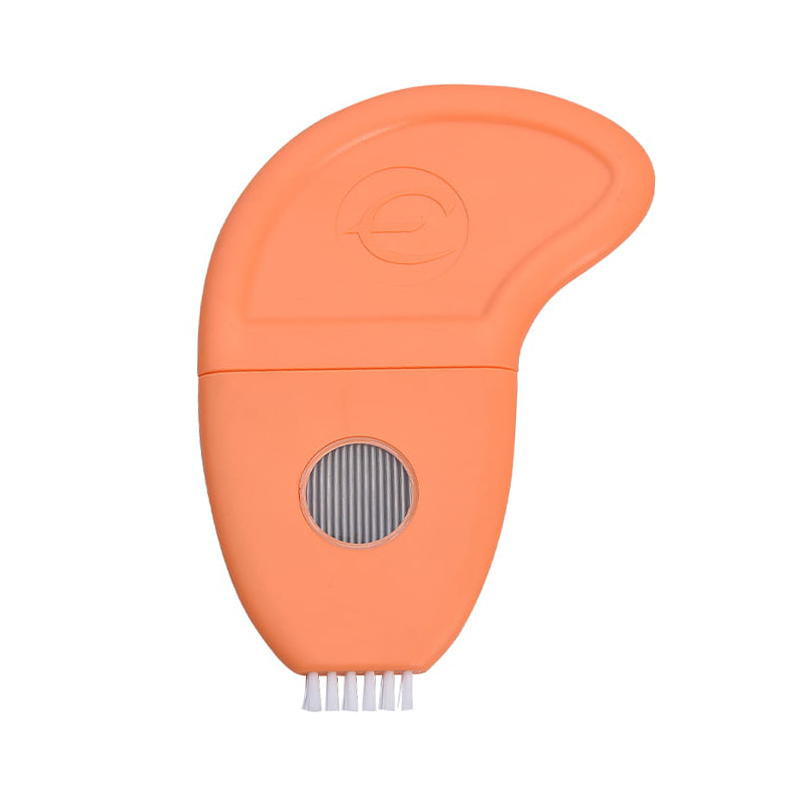
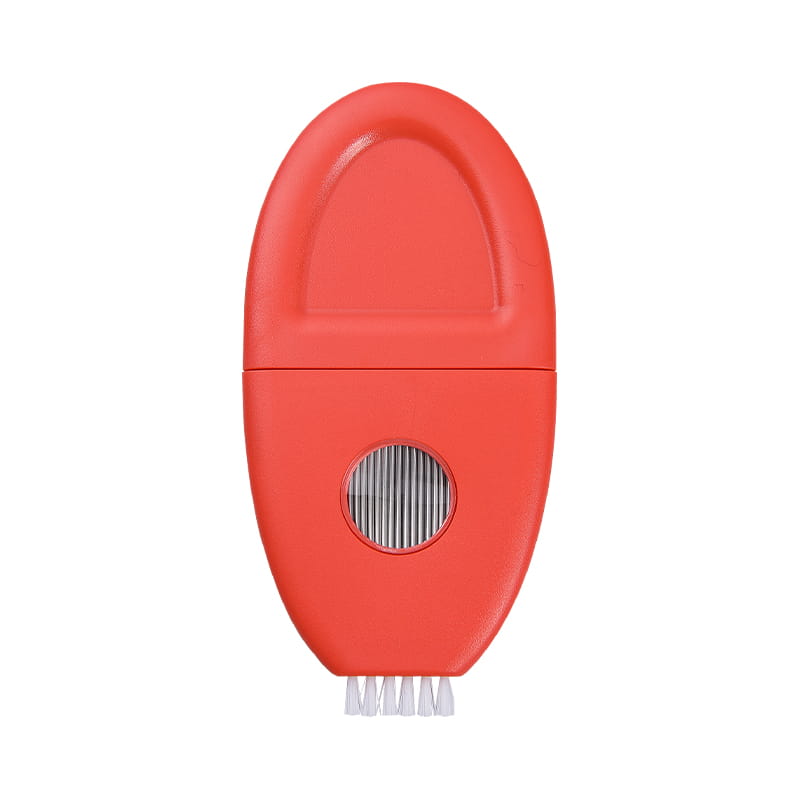
Plastic combs, while lighter and often more affordable, are prone to flexing under pressure, which can leave nits or lice behind and reduce overall effectiveness.
Durability and Longevity
Stainless Steel Lice Combs
Stainless steel combs resist corrosion, rust, and bending. They can last for several years with proper care and maintain their precision teeth spacing over time, making them suitable for repeated use in households, schools, and clinics.
Plastic Lice Combs
Plastic combs are prone to breakage and deformation, especially when used on thick or wet hair. They generally last for a few months before losing efficiency, leading to more frequent replacement and higher long-term costs.
Effectiveness in Lice and Nit Removal
Stainless steel combs have tightly spaced, fine teeth that can remove lice as small as 2 mm and nits firmly attached to hair shafts. Many studies suggest that combing with a stainless steel lice comb twice daily can reduce infestation by over 90% within one week.
Plastic combs, due to irregular spacing and flexibility, often miss nits near the scalp or slip over smaller lice, resulting in incomplete removal and longer treatment duration.
Ease of Cleaning and Hygiene
Stainless Steel Lice Combs
Stainless steel combs can be sterilized with boiling water, alcohol, or UV light. This reduces the risk of reinfestation and cross-contamination in households or clinics. Smooth metal surfaces also prevent hair and debris from sticking.
Plastic Lice Combs
Plastic combs are difficult to sterilize effectively. Hot water may warp them, and chemical disinfectants can degrade the material. This increases the chance of bacteria or lice surviving between uses.
Comfort and Hair Compatibility
Stainless steel combs with rounded teeth tips can glide through hair without causing discomfort or scalp scratches. They are effective on both fine and thick hair, wet or dry. Consistent teeth spacing ensures even coverage during each combing session.
Plastic combs may snag hair or pull, especially on tangled or coarse hair, causing pain and making repeated combing sessions less tolerable.
Cost Analysis and Long-Term Value
| Factor | Stainless Steel Lice Comb | Plastic Lice Comb |
|---|---|---|
| Initial Cost | Higher | Lower |
| Replacement Frequency | Every few years | Every few months |
| Effectiveness | High | Moderate |
| Maintenance | Easy | Challenging |
| Overall Value | High | Moderate |
Best Practices for Using Stainless Steel Lice Combs
- Comb hair in small sections to ensure thorough coverage.
- Use a drop of conditioner to reduce hair tangling and ease combing.
- Disinfect the comb after each use to prevent reinfestation.
- Repeat combing every 2–3 days until no lice or nits are detected.
- Store in a clean, dry place to maintain metal integrity.