

 Español
  中文简体
中文简体
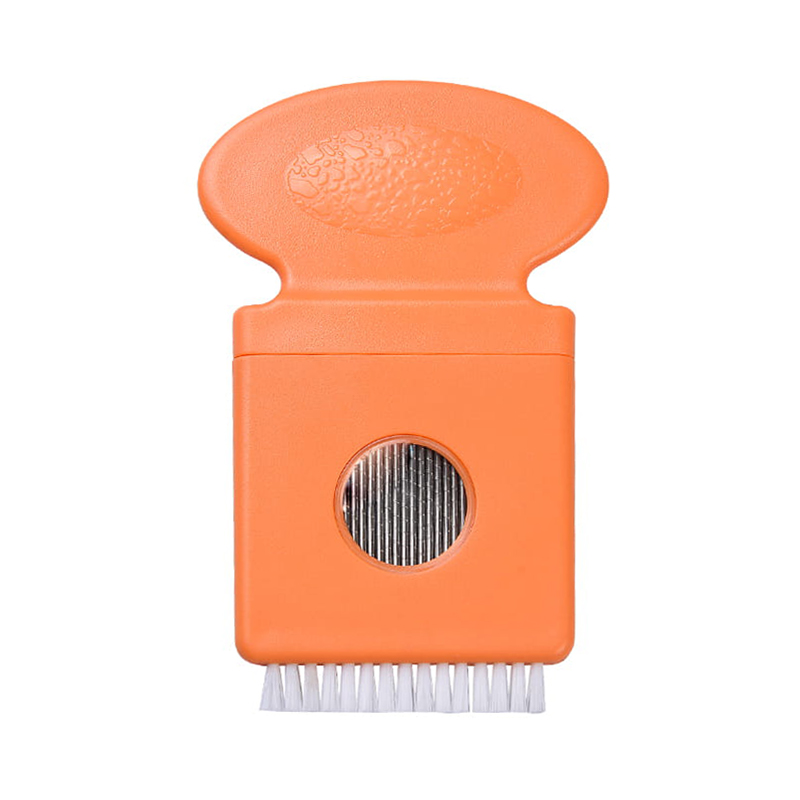
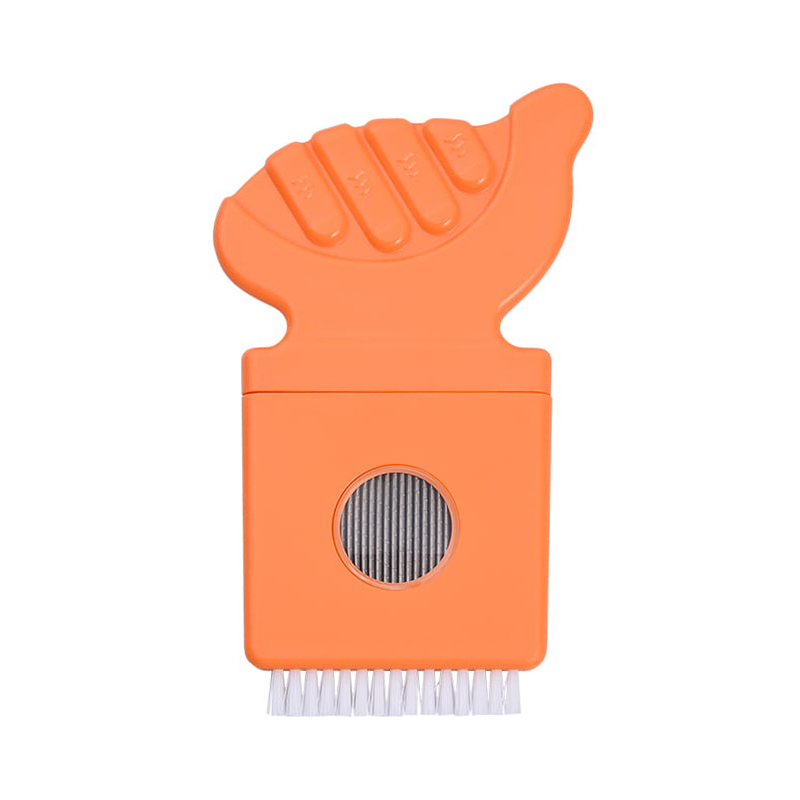
Multifunctional lice combs are widely used as a tool to remove lice, eggs, and other debris from the scalp and hair. These combs are designed to have various functions, such as detecting lice, removing nits, and even treating the scalp with medicated solutions. As with any personal care item, the hygiene and maintenance of these combs are essential to ensure their effectiveness and safety. One concern that often arises is whether multifunctional lice combs are prone to bacterial or fungal growth.
Understanding the Risk of Bacterial and Fungal Growth
The growth of bacteria or fungi on lice combs is a possibility, particularly if the combs are not cleaned or stored properly. Both types of microorganisms thrive in environments where moisture and organic matter are present. Lice combs, particularly those used in treating lice infestations, can retain traces of scalp oils, hair debris, and remnants of lice or eggs. These materials provide a suitable breeding ground for bacteria and fungi. The moist environment created during combing, combined with improper drying, may facilitate the growth of these microorganisms on the comb's surface. Bacteria, such as Staphylococcus or Streptococcus, and fungi, such as dermatophytes, can potentially proliferate in these conditions if the comb is not properly sanitized after each use.
Moisture and Organic Matter as Key Factors
One of the primary contributors to bacterial and fungal growth on lice combs is moisture. Lice combs often come into contact with wet hair or scalp during use. If the comb is not thoroughly cleaned and dried after each use, any remaining moisture can promote microbial growth. Additionally, lice combs may retain small particles of organic matter, including hair cells, scalp oils, and lice eggs. These particles provide a food source for bacteria and fungi, further increasing the likelihood of growth. While combs with fine teeth may be better at removing debris, they can also trap small particles, making cleaning more challenging. It is crucial to understand that the presence of both moisture and organic material significantly increases the risk of microbial contamination on lice combs.
Types of Bacteria and Fungi That Could Grow
When discussing bacterial and fungal growth on lice combs, it is important to understand which microorganisms are most likely to thrive in these environments. Bacteria such as *Staphylococcus aureus*, *Streptococcus pyogenes*, and *Escherichia coli* can be found on combs that are not cleaned properly. These bacteria are commonly found on human skin and can transfer to combs during use. They can cause skin infections if transferred to the scalp or other areas of the body. Fungi, particularly dermatophytes such as *Trichophyton* and *Microsporum*, can also grow on lice combs, especially if the comb is used on a scalp with fungal infections like ringworm. Fungal growth is typically facilitated by a warm, moist environment, making lice combs a potential breeding ground when left uncleaned. In rare cases, molds and yeast can also grow on combs exposed to high humidity and organic matter.
The Impact of Improper Cleaning on Hygiene
Proper cleaning of lice combs is crucial in preventing the growth of bacteria and fungi. If a lice comb is not thoroughly washed after each use, the debris, scalp oils, and lice remnants left behind create an environment conducive to microbial growth. A lack of regular cleaning and sanitizing can result in the accumulation of harmful bacteria or fungi, which may be transferred back to the scalp or other parts of the body during subsequent use. Inadequate cleaning techniques—such as simply rinsing the comb under water without using soap or disinfectants—are often insufficient in removing microorganisms. The buildup of residue over time increases the risk of skin irritation, infections, or the spreading of lice or other scalp conditions. Therefore, ensuring that lice combs are cleaned properly is an essential step in maintaining both the hygiene of the tool and the health of the scalp.
Recommended Cleaning and Maintenance Practices
To reduce the risk of bacterial and fungal growth on multifunctional lice combs, it is essential to establish a proper cleaning routine. After each use, the comb should be thoroughly rinsed to remove any visible debris. Using warm water and mild soap or detergent will help to break down oils and organic matter left on the comb. For a more thorough cleaning, it is advisable to soak the comb in a disinfectant solution, such as one containing isopropyl alcohol or hydrogen peroxide. Soaking for several minutes ensures that any bacteria or fungi on the surface are neutralized. After cleaning, the comb should be dried completely in a clean, dry place. Avoid leaving the comb in a damp environment, such as a bathroom, where moisture levels may be high. Additionally, it is important to regularly inspect the comb for signs of wear, buildup, or damage that may make it more difficult to clean properly.
Storage Considerations to Prevent Microbial Growth
Storage conditions also play a significant role in preventing bacterial or fungal growth on lice combs. Storing the comb in a damp or humid environment can encourage the growth of microorganisms. It is essential to store the comb in a dry, clean place to avoid exposure to moisture. A protective case or pouch can help keep the comb clean and prevent contamination from other items. Ideally, the comb should be stored in a location that allows for air circulation, as stagnant air can promote microbial growth. If possible, storing the comb in a place with low humidity, such as a cool, dry cupboard, is ideal. This practice minimizes the risk of moisture accumulation, which is a key factor in bacterial and fungal development.
Alternative Materials for Lice Combs
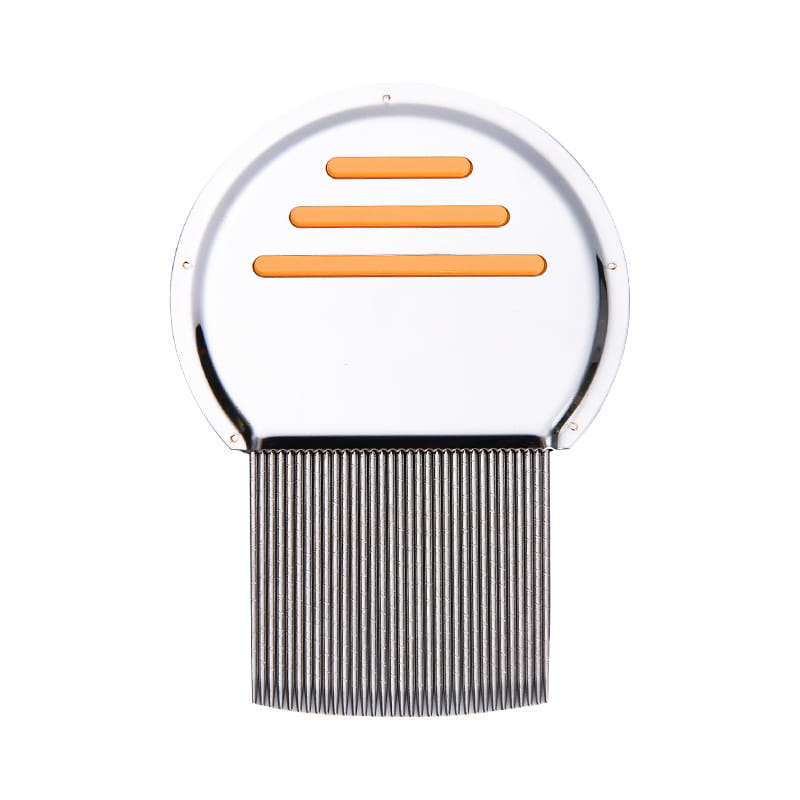
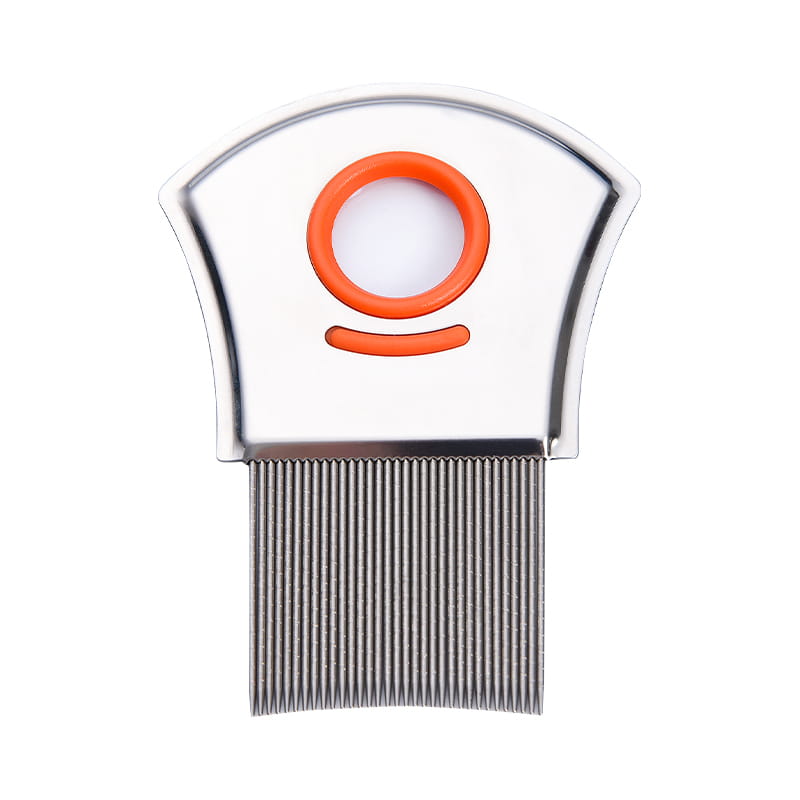
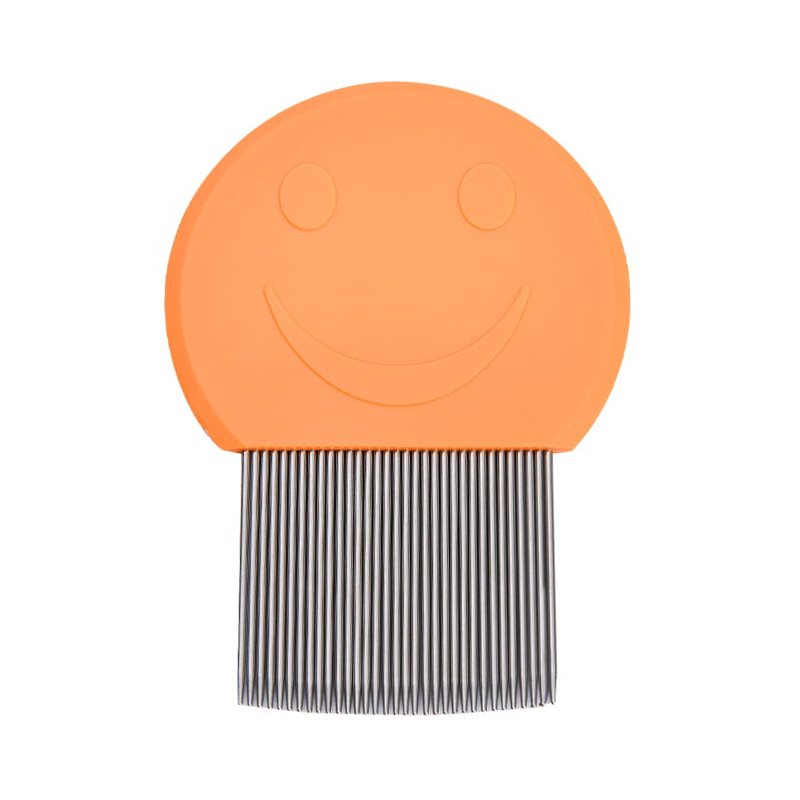
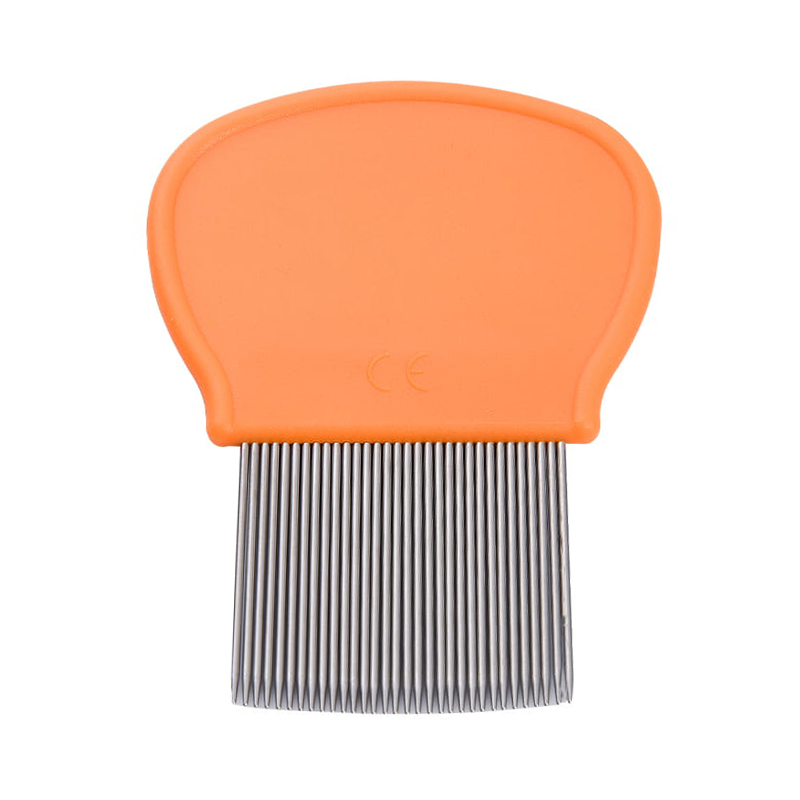
The material of a lice comb can also impact its susceptibility to bacterial and fungal growth. Some materials, such as plastic or metal, are easier to clean and sanitize compared to others. Plastic combs, in particular, are less likely to harbor bacteria and fungi compared to wooden combs, as plastic is non-porous and does not absorb moisture. Metal combs, especially those made from stainless steel, are also less prone to microbial growth due to their smooth surface, which makes it harder for organic matter to cling to them. Choosing a lice comb made from a material that is resistant to microbial growth can help reduce the chances of bacterial or fungal contamination. However, regardless of the material, proper cleaning and storage remain essential for maintaining the hygiene of the comb.
Prevention of Cross-Contamination
When treating a lice infestation, it is important to consider the potential for cross-contamination, particularly if multiple individuals are using the same lice comb. If a comb is used on one person and then shared with another without proper cleaning in between, there is a risk of spreading bacteria, fungi, or lice. This is especially concerning in households with multiple members or in institutional settings like schools. To prevent cross-contamination, it is recommended that each individual use their own lice comb, or at the very least, that the comb is thoroughly cleaned and disinfected between uses. In situations where lice infestations are common, such as schools or daycare centers, it may be beneficial to use disposable combs or ensure that combs are adequately sanitized before being reused.
Signs of Bacterial or Fungal Contamination
It is important to be aware of the signs of bacterial or fungal contamination on lice combs, as these signs may indicate that the comb has not been properly cleaned or maintained. Bacterial contamination can lead to visible residue or a foul smell, while fungal contamination may result in the development of mold or discoloration on the comb's surface. Additionally, if an individual experiences skin irritation, rashes, or infections after using a lice comb, it may be a sign that the comb is contaminated with harmful microorganisms. Regular inspection of the comb for these signs can help identify contamination early, allowing for prompt cleaning and disinfection.