

 Español
  中文简体
中文简体
Understanding hair lice combs and scalp contact
Hair lice combs are tools designed to remove lice, nits, and debris from the hair and scalp through close physical contact. Because their teeth are closely spaced and intended to reach near the scalp surface, concerns often arise about whether these combs can irritate the skin. Irritation is not an inherent outcome of using a lice comb, but it can occur depending on multiple interacting factors such as comb design, material, user technique, scalp condition, and frequency of use.
Common sources of scalp irritation during lice removal
Scalp irritation associated with lice comb use generally stems from mechanical friction rather than chemical exposure. The repeated movement of fine teeth across the scalp can create localized pressure, especially if excessive force is applied. When the scalp is already sensitive due to scratching, inflammation from lice bites, or dryness, even gentle combing may lead to temporary redness or discomfort.
Influence of comb tooth spacing and shape
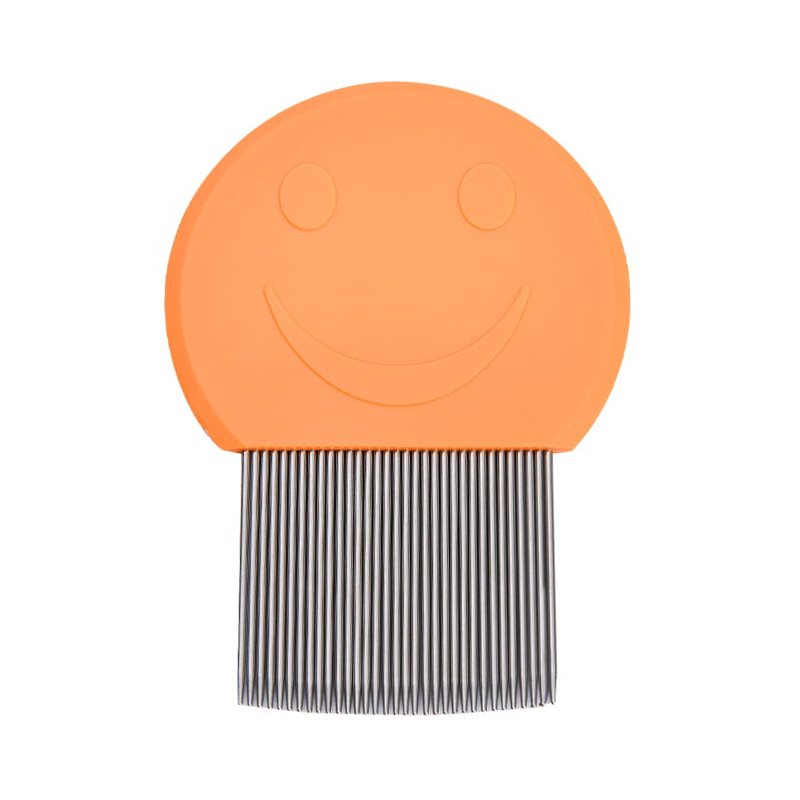
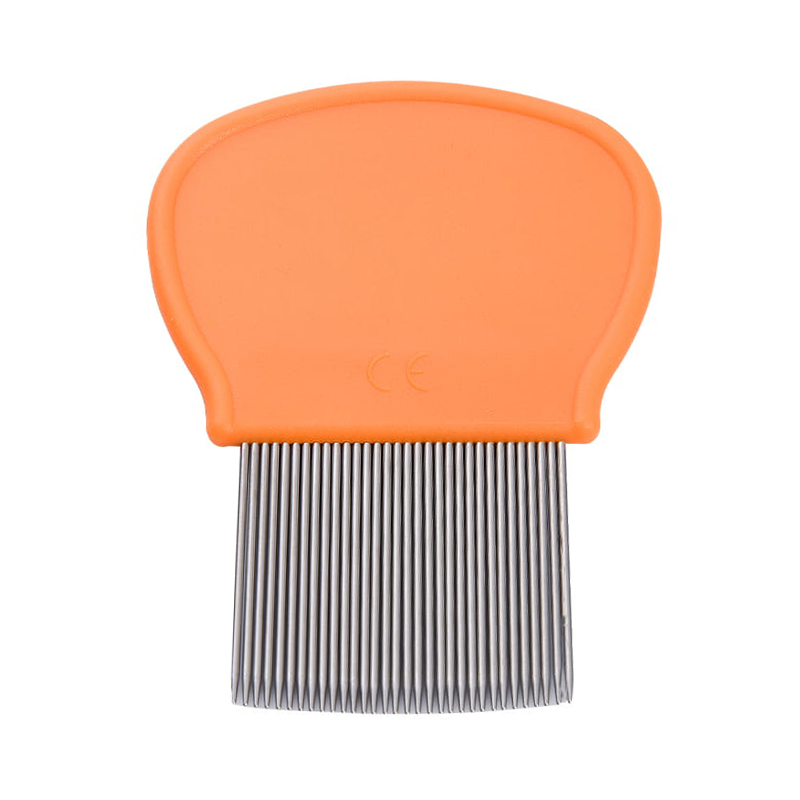
The spacing and shape of a lice comb’s teeth play a direct role in how it interacts with the scalp. Combs with extremely narrow spacing are effective at capturing nits but can increase friction if dragged forcefully across the skin. Rounded tooth tips are generally associated with reduced skin abrasion, while sharply cut edges may raise the likelihood of irritation during prolonged use.
Material considerations and skin response
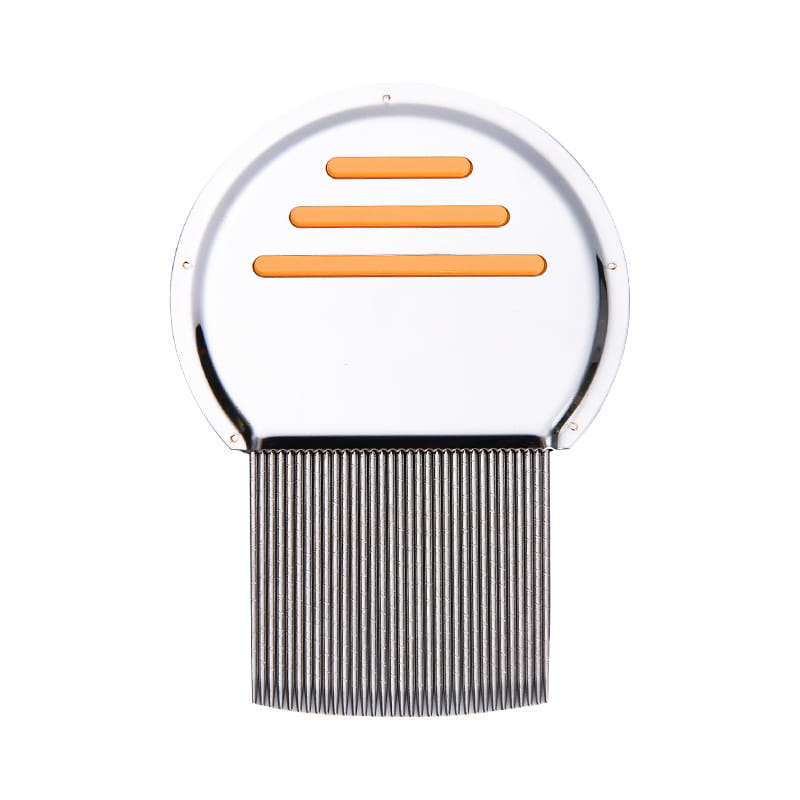
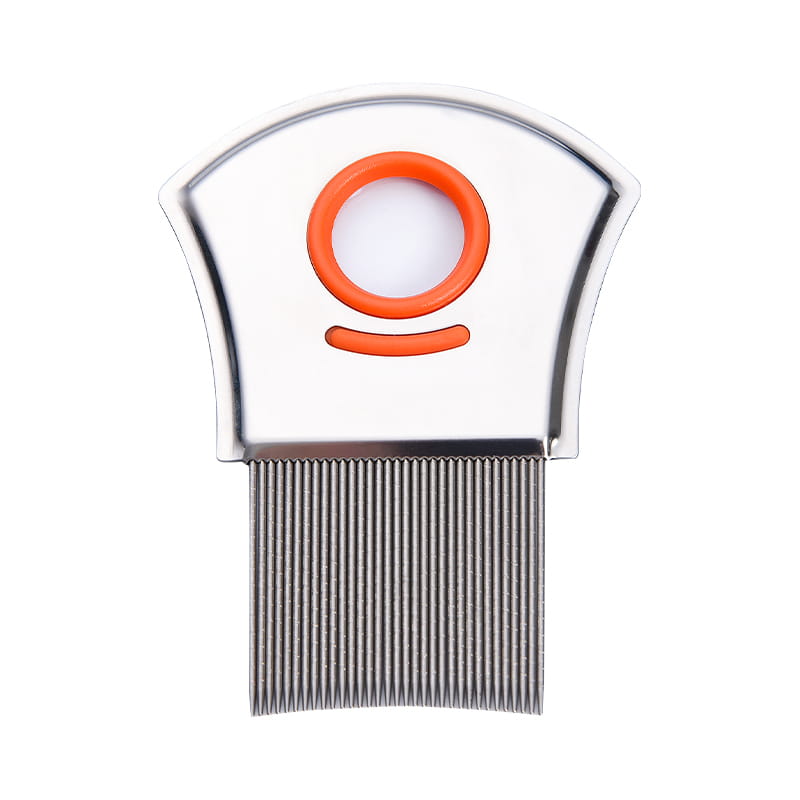
The material used to manufacture lice combs influences both durability and scalp comfort. Plastic combs tend to be lighter and may flex slightly during use, which can reduce pressure on the scalp. In contrast, a stainless steel lice comb offers rigidity and consistent tooth alignment, which improves removal efficiency but requires careful handling to avoid unnecessary scraping against the skin.
Effect of existing scalp conditions
Individuals with pre-existing scalp conditions such as eczema, psoriasis, dandruff, or minor abrasions may experience increased sensitivity during lice combing. The presence of lice itself often leads to itching and micro-injuries from scratching, which can make the scalp more reactive to physical contact. In such cases, irritation is often a result of cumulative stress on the skin rather than the comb alone.
Role of moisture and lubrication during combing
Using a lice comb on dry hair increases friction between the comb teeth, hair shafts, and scalp. Many users apply conditioner, oil, or specialized lice treatment solutions before combing to reduce resistance. Adequate lubrication allows the comb to glide more smoothly, decreasing pulling forces and lowering the chance of scalp irritation during repeated passes.
Impact of user technique and pressure
The technique used during lice combing significantly affects scalp comfort. Applying excessive downward pressure or combing too aggressively can cause discomfort regardless of comb quality. Slow, controlled strokes that focus on sections of hair rather than rapid sweeping motions tend to reduce strain on the scalp and minimize irritation over time.
Frequency and duration of lice comb use
Repeated lice combing sessions are often necessary to ensure thorough removal of lice and nits. However, frequent sessions conducted over short intervals may increase the likelihood of irritation, particularly if the scalp does not have time to recover. Balancing effectiveness with skin comfort often involves spacing sessions appropriately and monitoring scalp condition between uses.
Differences between metal and plastic lice combs
Metal and plastic lice combs differ in their interaction with hair and scalp. Plastic combs may be gentler for children or individuals with sensitive skin, though they can sometimes bend or lose alignment. Metal combs, including stainless steel lice comb options, maintain consistent spacing and durability, but their firmness requires careful handling to avoid excessive contact pressure on the scalp.
| Comb Material | Typical Characteristics | Potential Scalp Impact |
|---|---|---|
| Plastic | Lightweight, flexible, less rigid | Lower pressure, reduced irritation risk |
| Stainless Steel | Rigid, precise tooth alignment | Effective removal with careful technique |
Children’s scalps and sensitivity considerations
Children often have more sensitive scalps than adults, making them more susceptible to irritation during lice treatment. Their skin may respond quickly to repeated friction or pressure. Using gentle techniques, ensuring adequate lubrication, and limiting session length can help reduce discomfort while still achieving effective lice removal.
Importance of tooth alignment and manufacturing quality
Poorly aligned or uneven comb teeth can snag hair and scrape the scalp. High manufacturing quality ensures smooth, evenly spaced teeth that move consistently through hair sections. Combs with irregular spacing may require additional force to pass through hair, increasing the likelihood of irritation during use.
Use of multifunctional lice comb designs
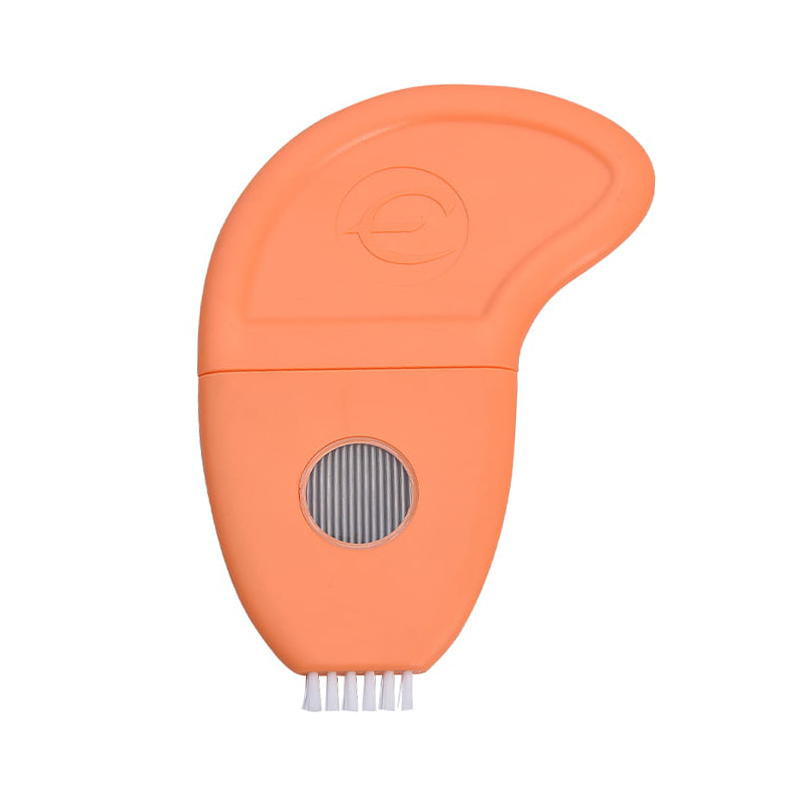
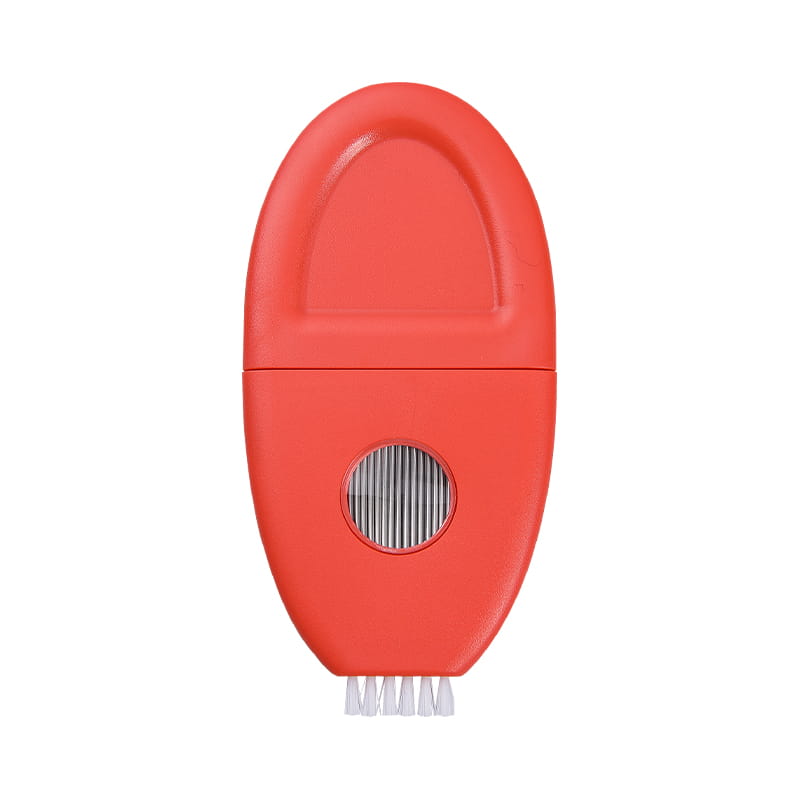
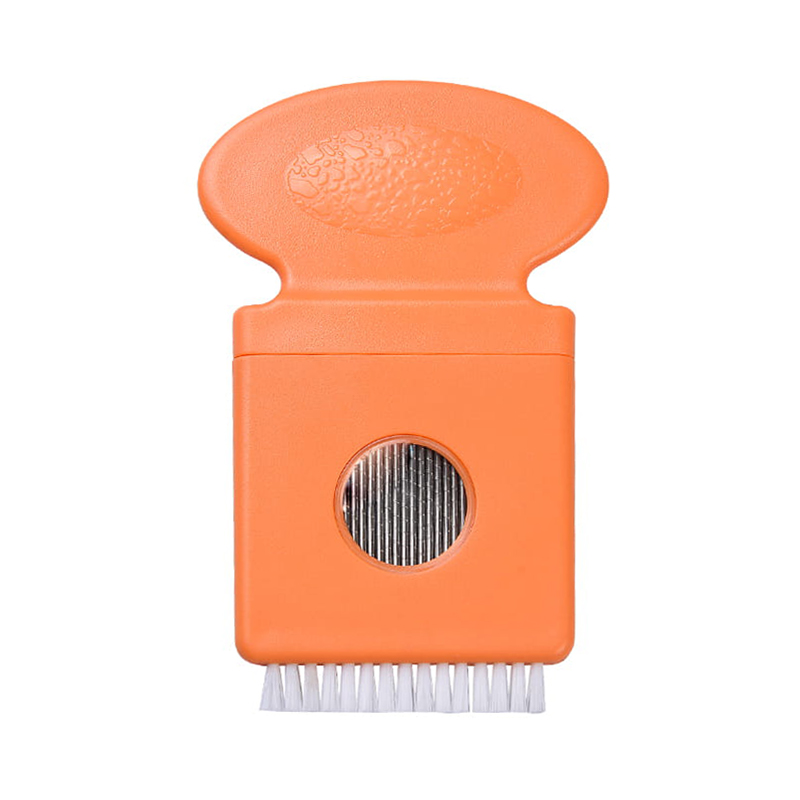
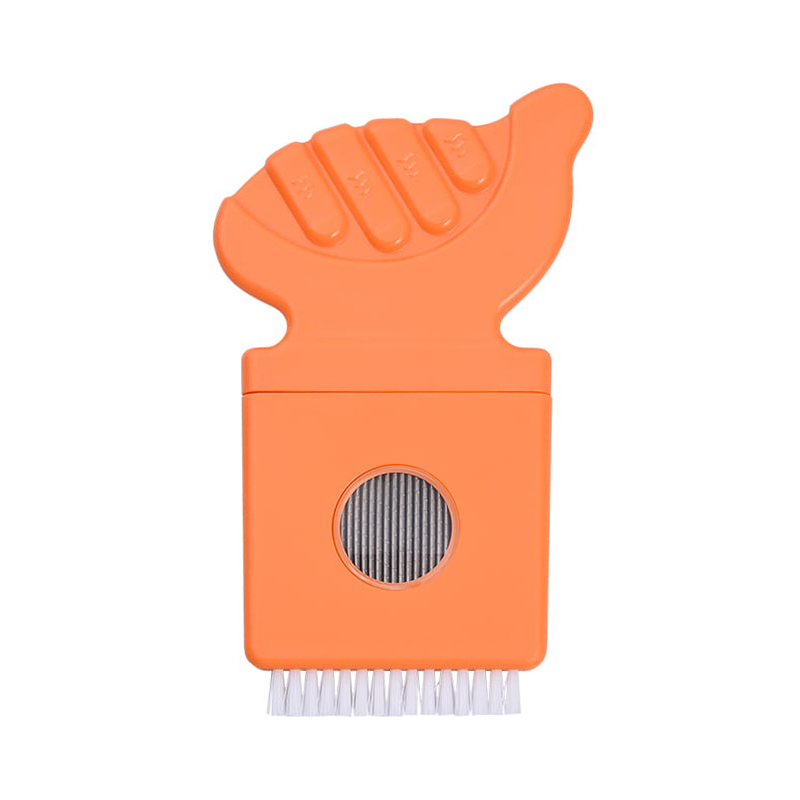
A multifunctional lice comb may combine lice removal with additional grooming features such as detangling edges or integrated magnifying elements. While these designs can improve convenience, users should be mindful of which side or function is in contact with the scalp. Switching between functions without adjusting pressure may unintentionally increase friction on sensitive areas.
Scalp irritation versus allergic reactions
It is important to distinguish mechanical irritation from allergic responses. Lice combs themselves rarely cause allergic reactions unless coated with materials that trigger sensitivity. Most reported discomfort is mechanical in nature and resolves after reducing pressure or adjusting technique rather than discontinuing use entirely.
Role of post-combing scalp care
After lice combing, the scalp may benefit from gentle cleansing and moisturizing to restore comfort. Mild shampoos and soothing lotions can help reduce residual redness or dryness. Proper aftercare supports skin recovery, especially when multiple combing sessions are required over several days.
Hygiene and maintenance of lice combs
Cleanliness of the lice comb affects both effectiveness and scalp health. Residual debris or dried treatment products on the comb can create rough surfaces that increase friction. Regular cleaning and inspection ensure that the comb remains smooth and does not contribute to unnecessary irritation during subsequent use.
Individual variability in scalp response
Not all users experience scalp irritation when using lice combs. Differences in skin sensitivity, hair texture, and personal technique result in varied outcomes. Some individuals may tolerate frequent combing with minimal discomfort, while others may need to adjust methods to maintain scalp comfort.
Balancing effectiveness and comfort in lice treatment
The primary purpose of a lice comb is effective removal, but comfort remains an important consideration. Achieving this balance involves selecting an appropriate comb, using adequate lubrication, applying controlled pressure, and monitoring scalp response throughout the treatment process. When used thoughtfully, lice combs can perform their function without causing ongoing irritation.
Long-term use considerations and scalp health
For individuals dealing with recurring lice issues, long-term or repeated use of lice combs may be necessary. Paying attention to early signs of irritation allows adjustments before discomfort escalates. Over time, users often develop techniques that minimize scalp stress while maintaining consistent removal effectiveness.