

 Español
  中文简体
中文简体
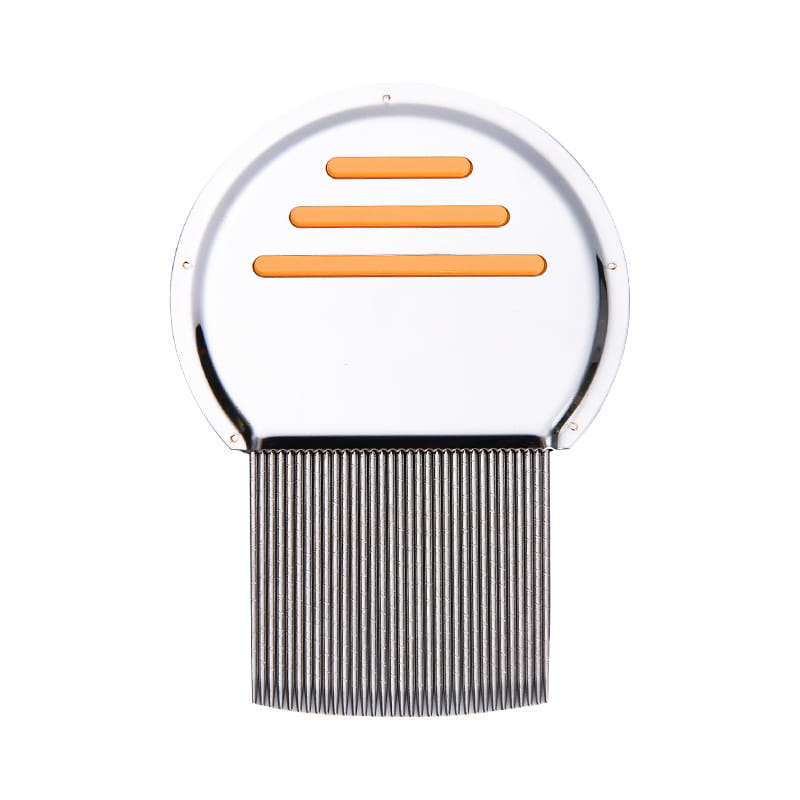
Head lice can appear in any household, and for parents of young children the hardest part is spotting them early. A baby dense tooth lice comb is the tool most pediatricians suggest first because its tightly packed teeth trap both adult lice and newly laid nits without exposing delicate skin to harsh chemicals. The right comb does not need to be expensive; it needs the precise combination of tooth gap, tip finish, and handle control.
Why Tooth Spacing Matters on a Baby’s Scalp
Lice eggs are roughly the width of a pencil dot. A nit is only about 0.3–0.4 mm across, and a newly hatched nymph is about 1 mm long. If the gap between comb teeth is wider than the egg casing, the nit will simply slide through. That is why a dense tooth design matters: it closes the gap to approximately 0.2–0.3 mm.
Tighter spacing is not automatically better. If the teeth are too close together, hair can bunch at the top of the comb, causing frustration and head-tugging. A well-calibrated baby dense tooth lice comb balances a narrow gap with enough room for a single hair strand to slide through.
| Tooth spacing | What it catches | Best use |
|---|---|---|
| 0.2 mm | Small nits and nymphs | Very fine baby hair |
| 0.3 mm | Most lice and small nits | Toddlers and older children |
| 0.4 mm or wider | Adult lice only | Thick hair, follow-up combing |
For most infant heads, 0.2–0.3 mm is the practical range. Narrower combs exist, but they can pull at the hair root and make a baby cry. A comb that makes the child fussy will not be used consistently, and consistency is essential for getting rid of lice.
Features to Look for in a Baby Dense Tooth Lice Comb
Before choosing a comb for an infant, inspect the part that will touch the scalp. Run your finger along the teeth and look for rough seams, sharp edges, or mold flash. Baby-specific models usually use compact lengths and rounded tips that reduce the chance of scratches.
- Rounded or polished tips: A rounded tip prevents micro-scratches on sensitive scalp skin.
- Seamless tooth construction: One-piece molded plastic or polished stainless steel avoids crevices where bacteria and debris collect.
- Handle shape that fits your hand: A slightly curved or non-slip handle gives you control during repetitive strokes.
- Easy-to-clean base: The area between the teeth should be open enough for a toothbrush or rinse to clear out nits quickly.
A good baby-specific model feels compact in your hand and has no sharp edges. It should glide halfway down the hair shaft without stopping, which tells you that the tooth gap and tip shape are working together.
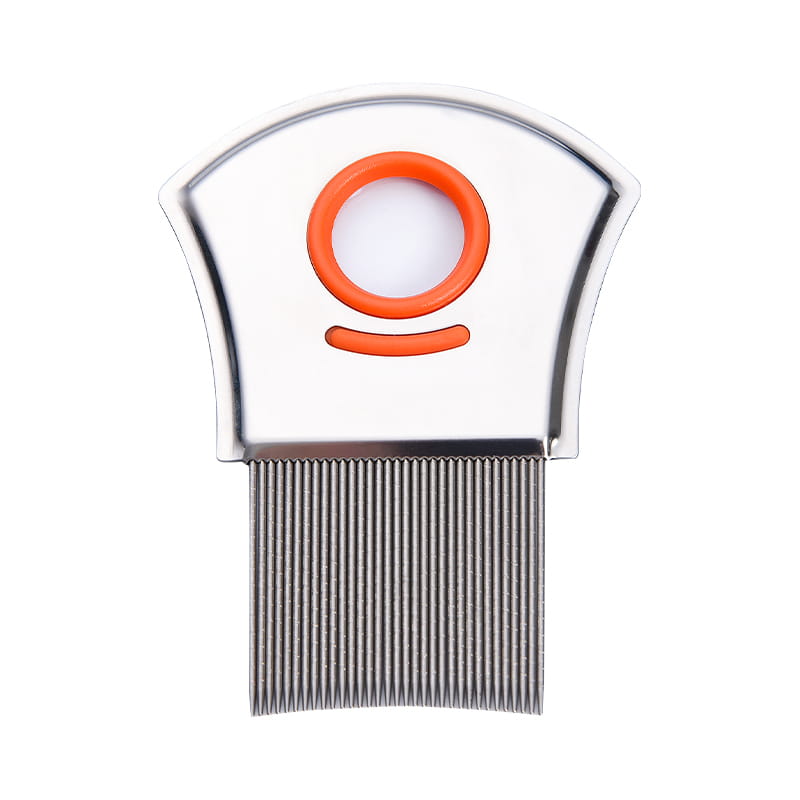
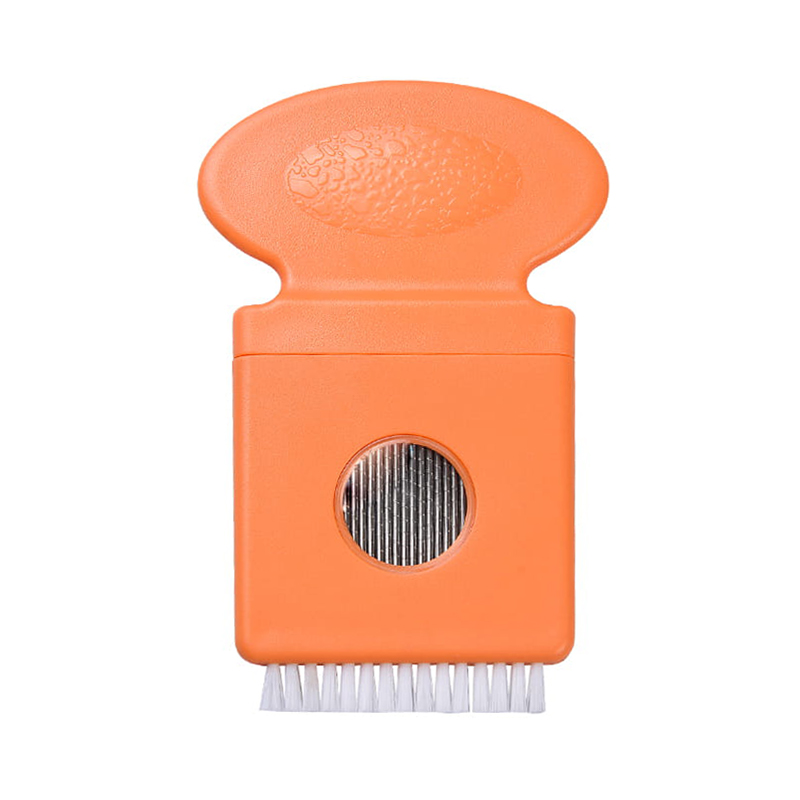
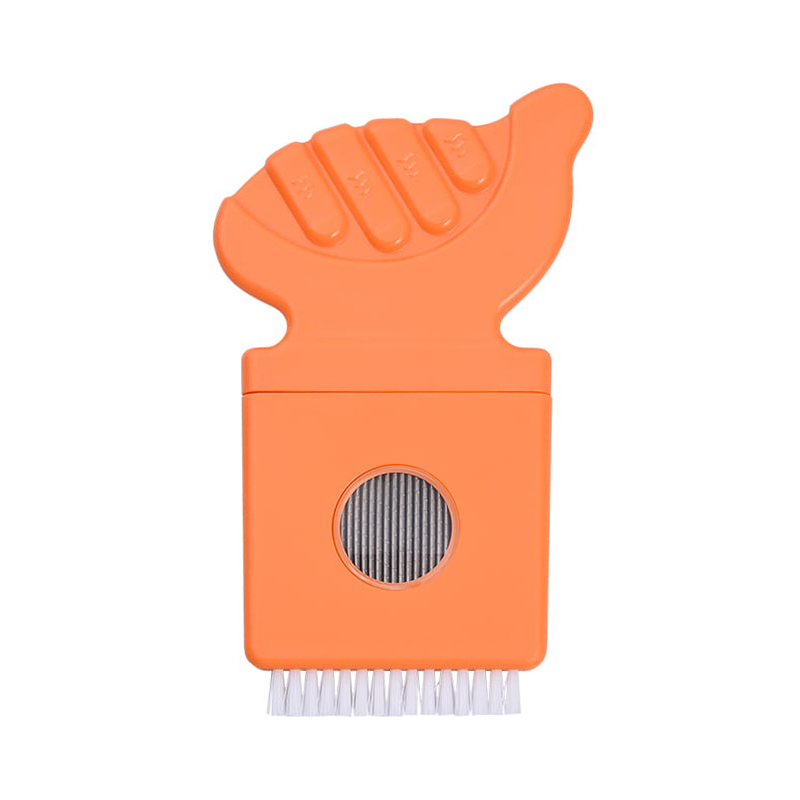
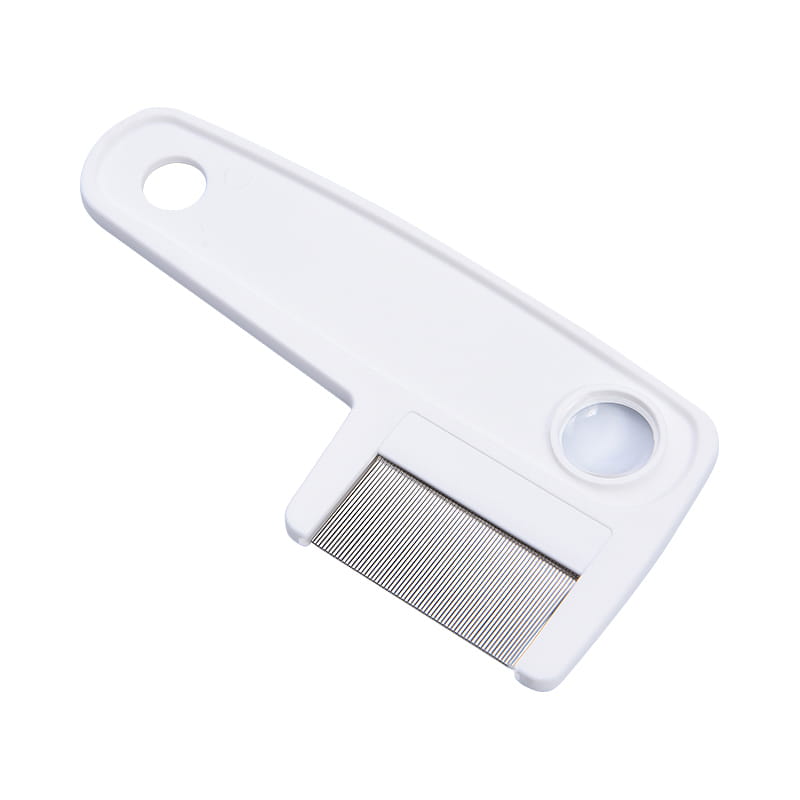 Baby Lice Comb with Brass Needle and 3x Magnifying GlassThis dense-tooth comb for infants pairs a brass needle design with a 3x magnifier, offering precise removal of lice and nits. Its ergonomic handle suits extended use on babies, making it a practical choice for parents comparing material options.View Product →
Stainless Steel or Plastic: Which Material Is Better for a Baby?
Dense tooth combs are made from two main material families: stainless steel and plastic. Each has trade-offs when the comb is used on a baby.
| Material | Advantages | Watch out for |
|---|---|---|
| Stainless steel | Durable, easy to disinfect, can be extremely fine | Needs polished rounded tips to avoid scratching |
| Plastic (nylon or ABS) | Lightweight, naturally rounded tips, comfortable | Can crack if exposed to very hot water |
For babies, the safest choice is not the hardest material; it is the smoothest tip. Stainless steel is preferred in clinics because it can be boiled or wiped with alcohol without warping. Plastic is preferred by many parents because it is light and can be molded with one-piece rounded teeth. Manufacturers with experience in both materials, such as Yuyao Safe & Beauty Lice Comb Factory, can adjust tooth density and tip polish during development, which is why many private-label pharmacy combs are tested across several prototypes before a final design is selected.
How to Comb Out Lice and Nits Safely
Combing is most effective on clean, damp hair. Conditioner makes the hair slippery, so the dense teeth can move through without pulling. Sit behind your child in a well-lit room and work in small sections.
- Apply a generous amount of conditioner to wet hair and comb through with a wide-tooth brush to remove tangles.
- Divide the hair into four sections with hair clips.
- Start at the scalp and draw the baby dense tooth lice comb through one section from root to tip.
- Wipe the comb on a white paper towel after each stroke to inspect for lice and nits.
- Rinse the comb under warm water and repeat until the whole head is done.
- Clean the comb with soapy water or rubbing alcohol when finished.
Repeat the full comb-out every two to three days for two weeks. This timing covers the hatching cycle because nits can take 7–10 days to hatch. For a more complete walkthrough, see our lice comb instructions.
Parents often ask about combs that are easier to hold on a moving toddler. A child-friendly fine-toothed comb adds a softer grip and a slightly shorter head, which helps you keep the comb flat against the scalp while the child shifts position.
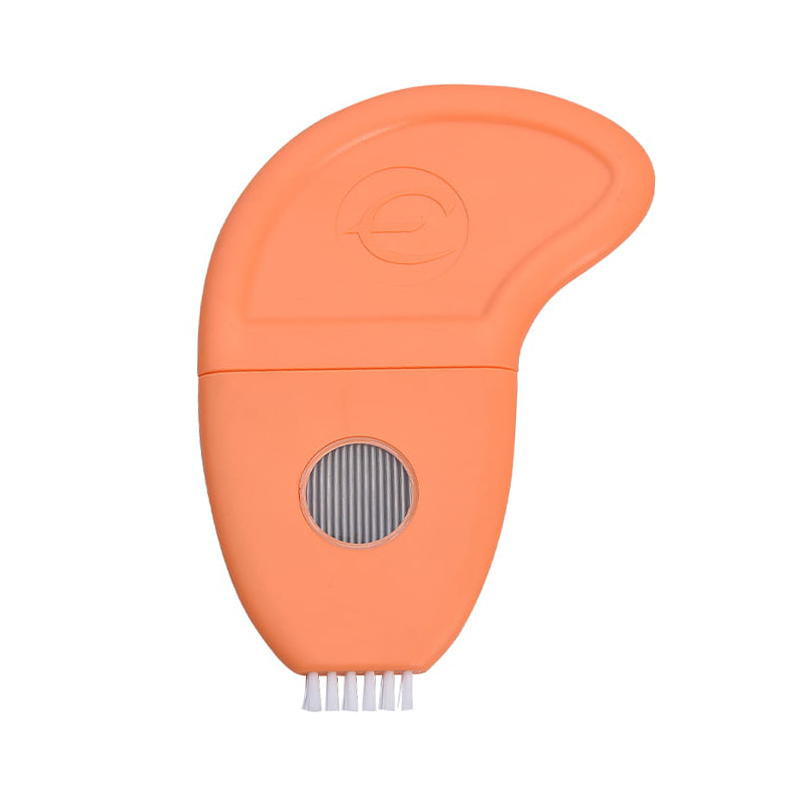
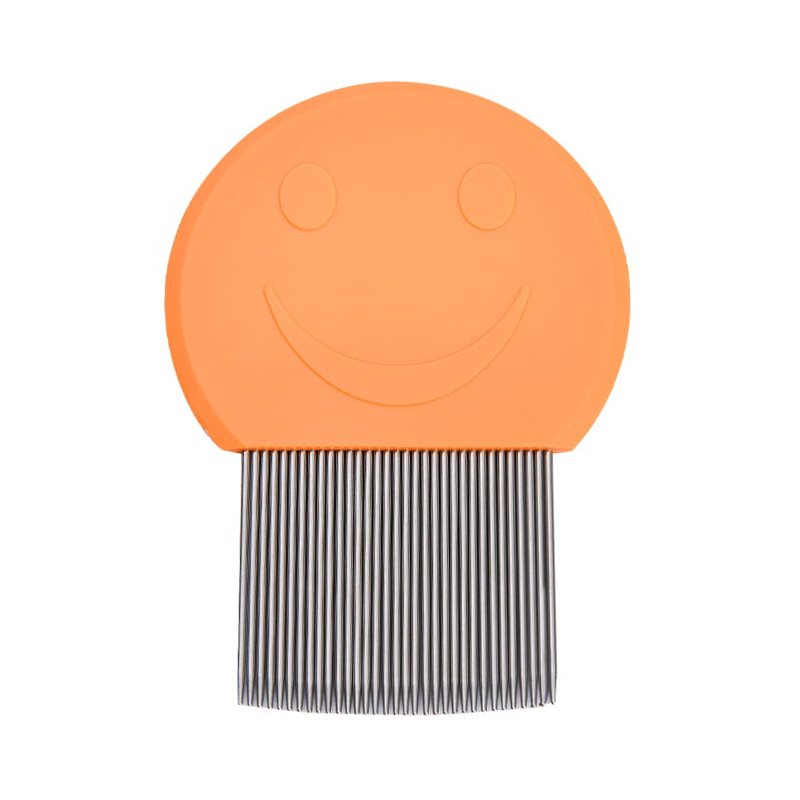
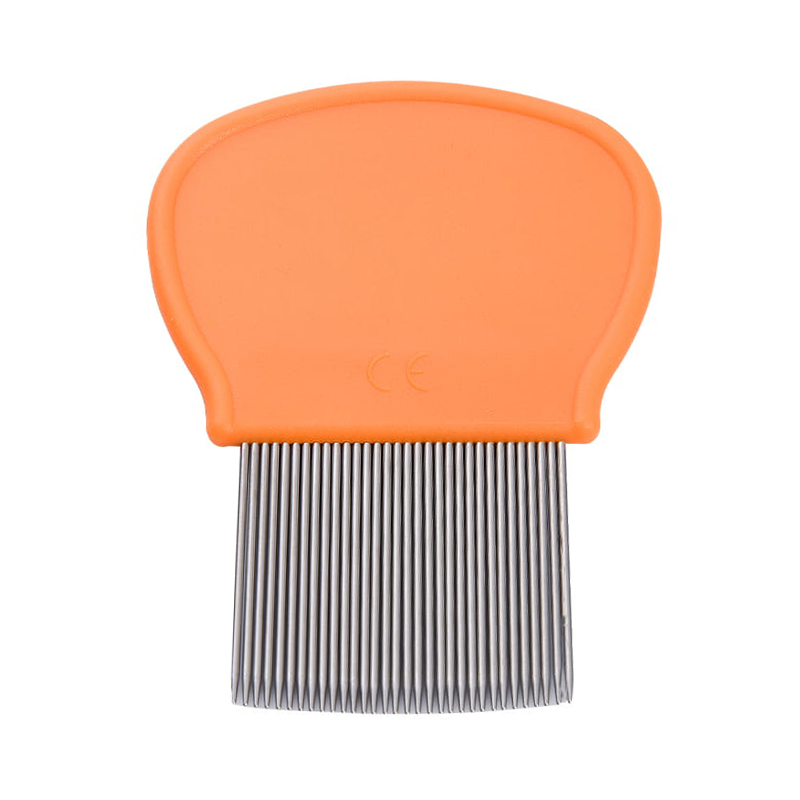
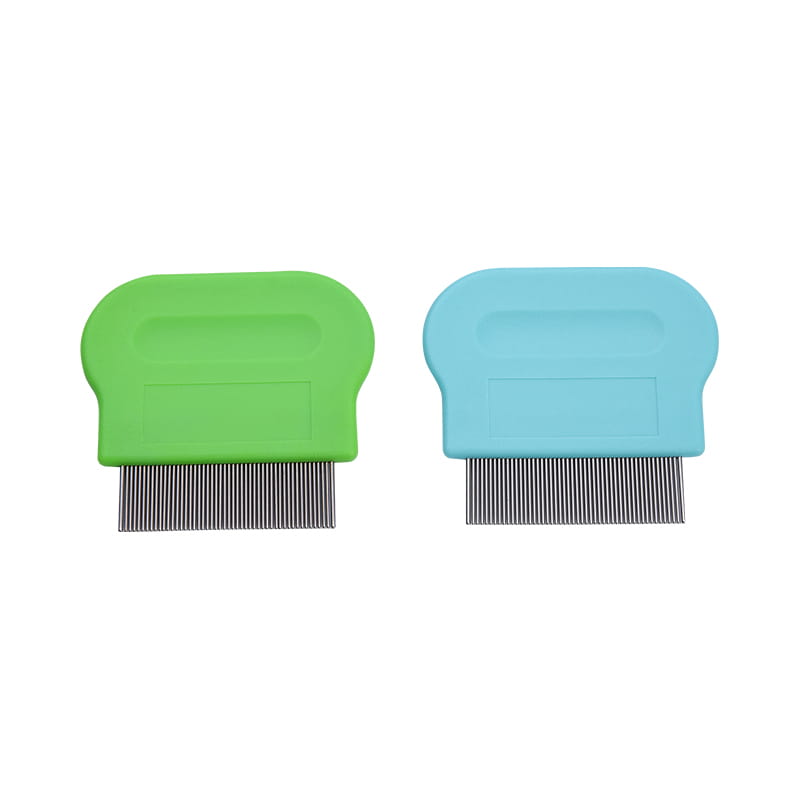 Child-Friendly Fine-Toothed Lice Comb for Short HairDesigned for young children, this compact comb features rounded teeth and a short head to stay flat against a moving toddler's scalp. Its fine spacing targets lice and eggs while reducing irritation, ideal for parents needing a comfortable, controlled comb.View Product →
Using Magnification to Check Results
After a session, some parents are still unsure whether the speck they found was lint or an egg. A magnifying glass comb adds 3x zoom and helps you see the oval shape and clutch position of a nit near the hair root. It also makes it easier to spot live lice moving away from the light.
Hold the magnifying comb at a slight angle so the lens picks up the hair line, then separate small strands with your fingers. You are looking for:
- Live lice: Move quickly away from light, 1–3 mm long, gray-brown.
- Nits: Oval, tan or brown, glued at an angle to the hair shaft near the scalp.
- Empty egg cases: White or translucent, usually farther from the scalp as hair grows.
If you see only empty cases, the lice are likely gone. If you see live lice or fresh nits after several comb-outs, continue the routine and check every family member as well.
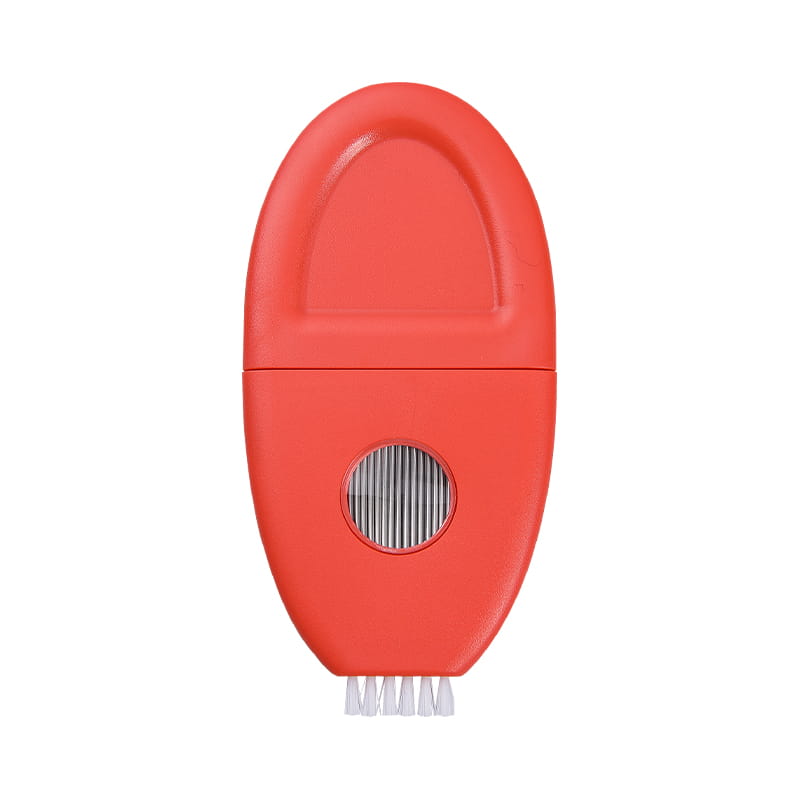
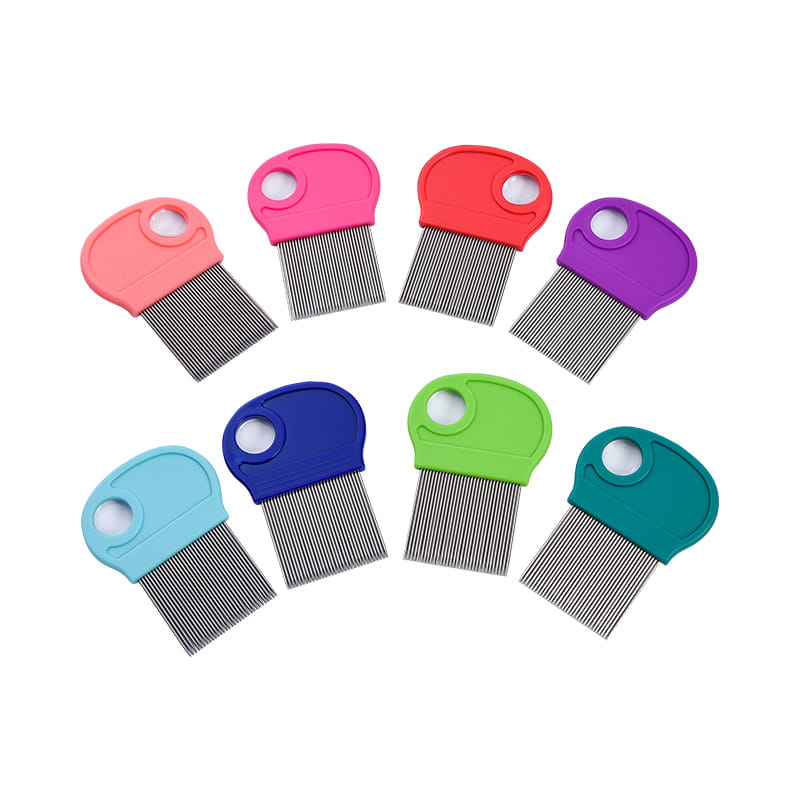 Lice Comb with Built-In 3x Magnifying GlassCombining a dense-tooth comb with a built-in magnifier, this tool helps spot live lice and nits near the root. It also collects residue like oils and dead skin, and is easy to clean after each session, supporting thorough post-treatment checks.View Product →
Caring for the Comb Between Sessions
A dense tooth comb collects more than lice; it also collects hair oils, conditioner residue, and dead skin cells. Clean the comb immediately after use so the next session starts with a sterile tool.
- Rinse the teeth under warm running water to remove hair and debris.
- Use an old toothbrush to remove nits stuck between the teeth.
- Soak the comb in warm soapy water for five minutes, or wipe stainless steel with rubbing alcohol.
- Do not boil plastic combs unless the manufacturer states that they are heat-resistant.
Check the teeth after cleaning. If any tooth bends, cracks, or separates from the base, replace the comb. A damaged dense tooth comb is less effective and more likely to catch hair.
When to Call a Pediatrician
If the scalp becomes raw, crusted, or infected, or if you cannot clear nits after two full weeks of combing, seek medical advice. Over-the-counter lice treatments are not always suitable for babies under one year, so a doctor should approve any product you plan to apply to an infant’s scalp. Consistent combing, the right tooth density, and a calm routine remain the safest place to start.